
Libya Uprising Documentary Photography
Libya Uprising: A Documentary Photography Series
A raw, unscripted visual record documenting the 2011 revolution from early London protests to the Tunisian border and into the heart of the conflict.
“Be merciful to others, and you will receive mercy. Forgive others, and Allah will forgive you.” — Prophet Muhammad (peace be upon him)
From London Protests to the Libyan Border
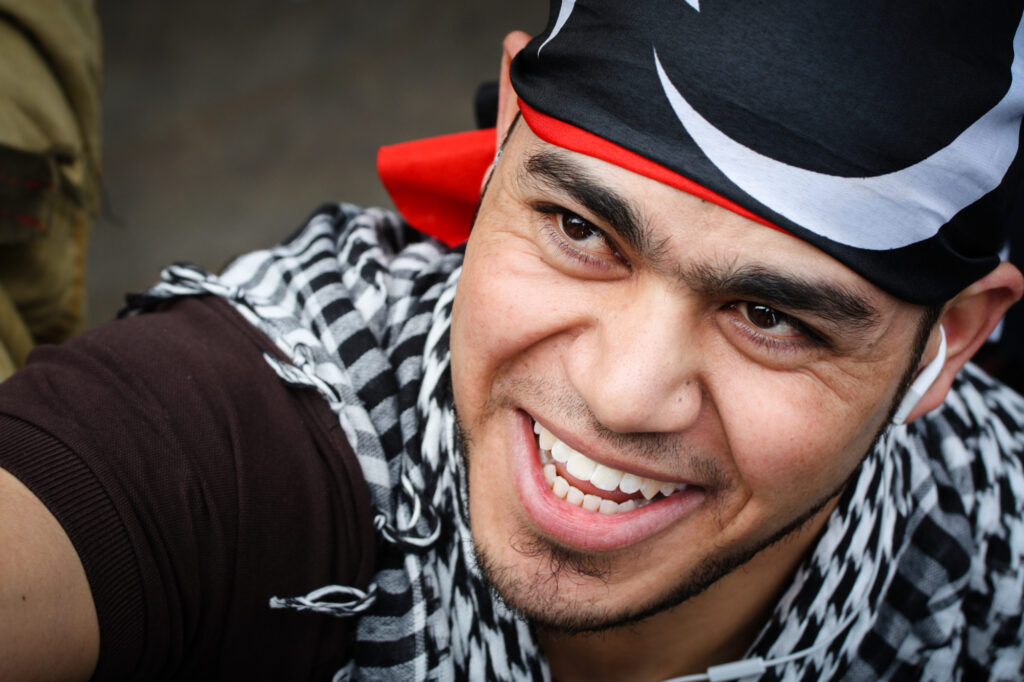
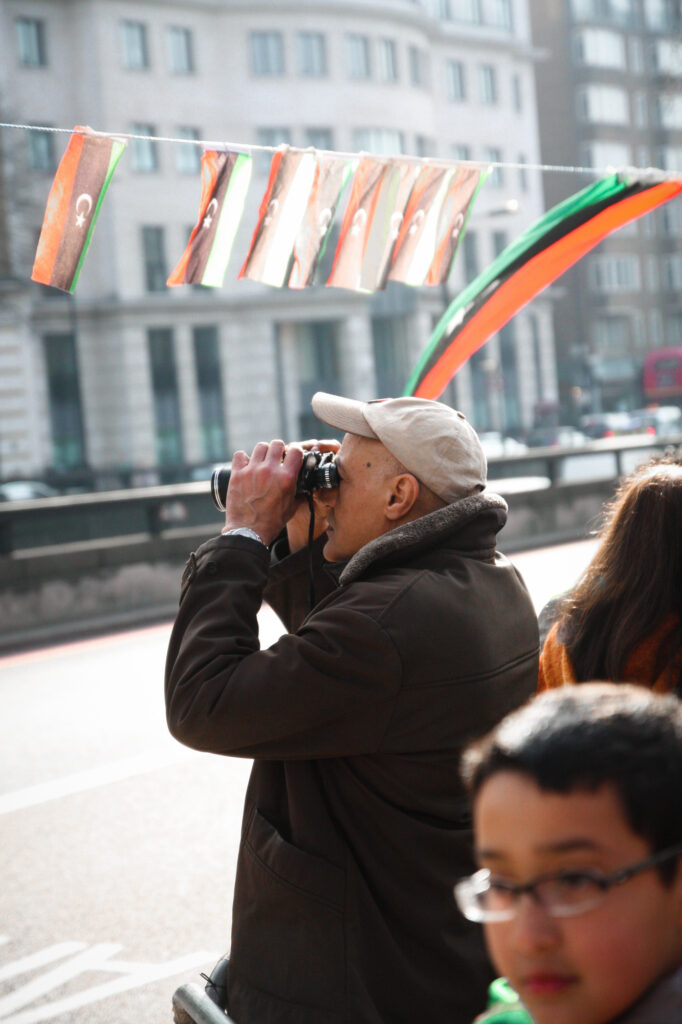
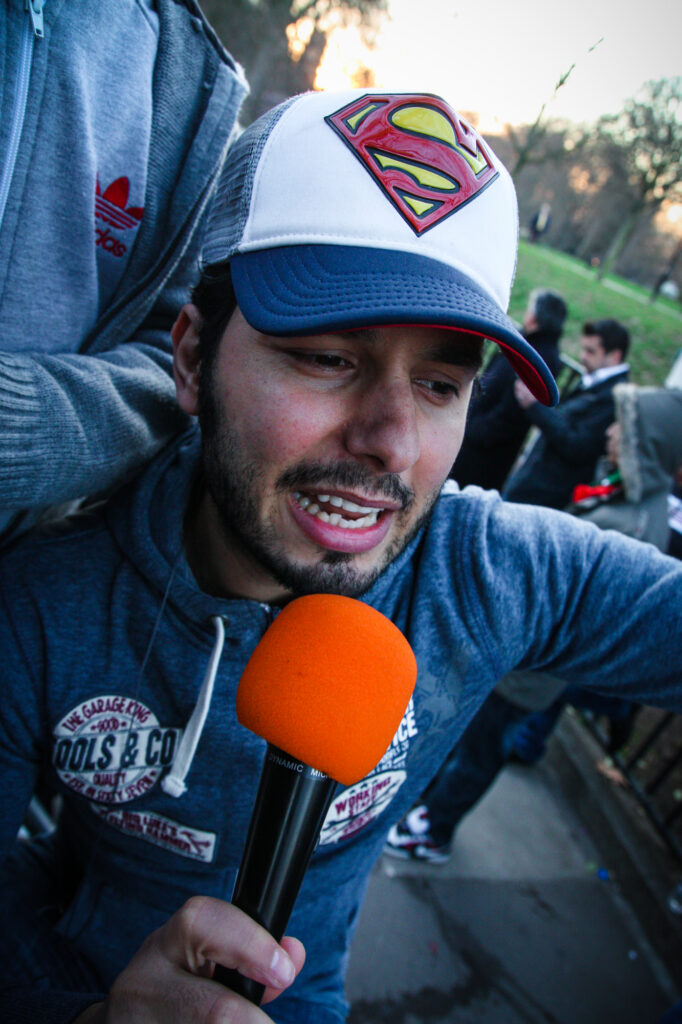
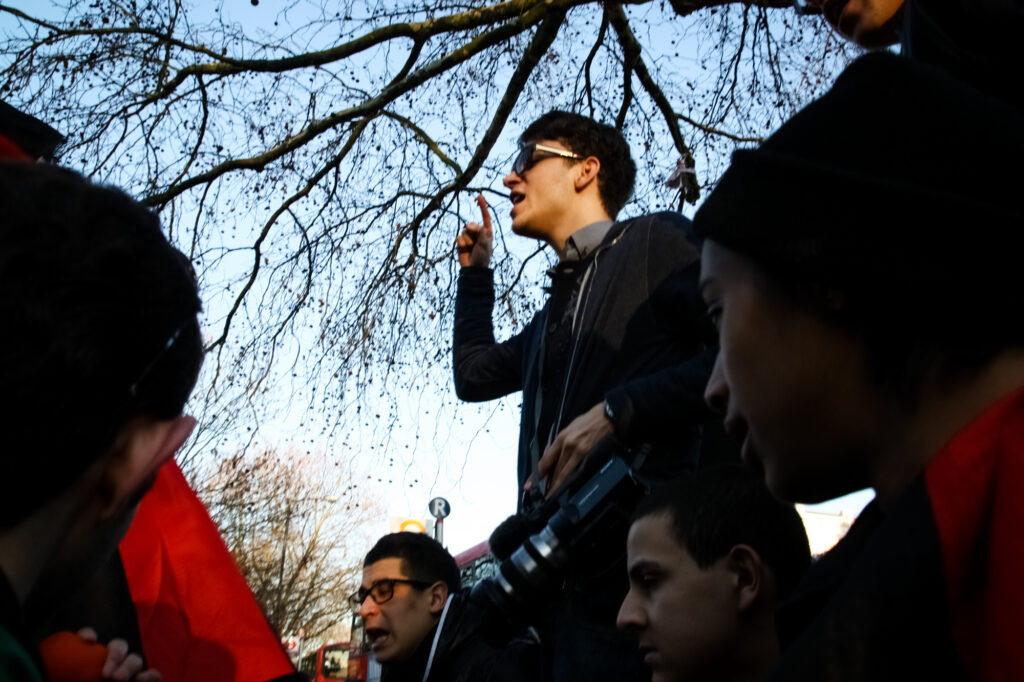
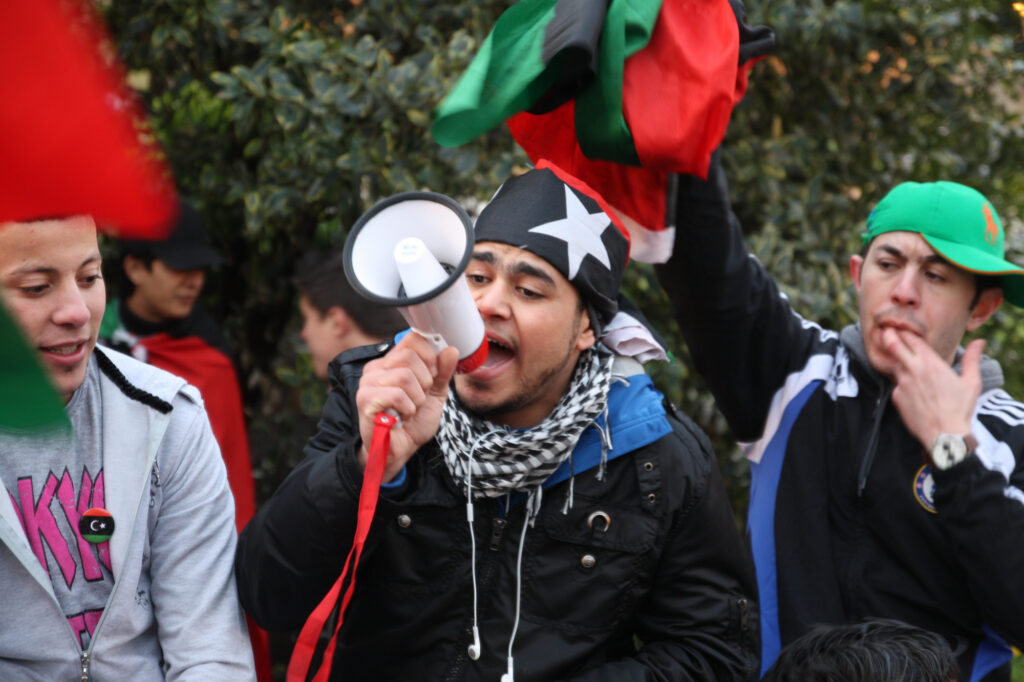
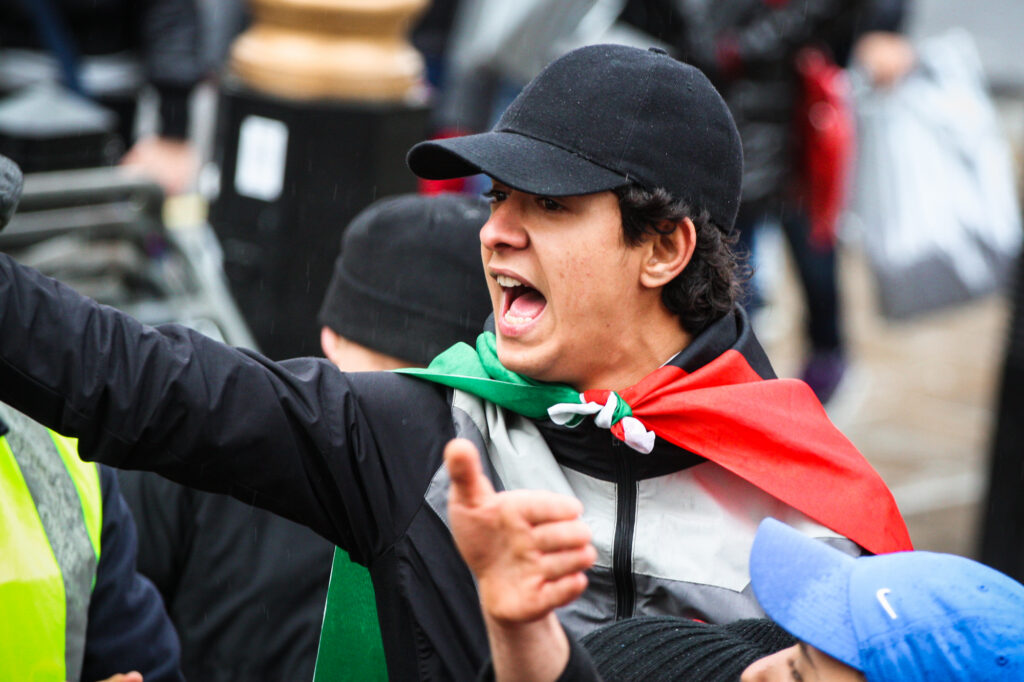
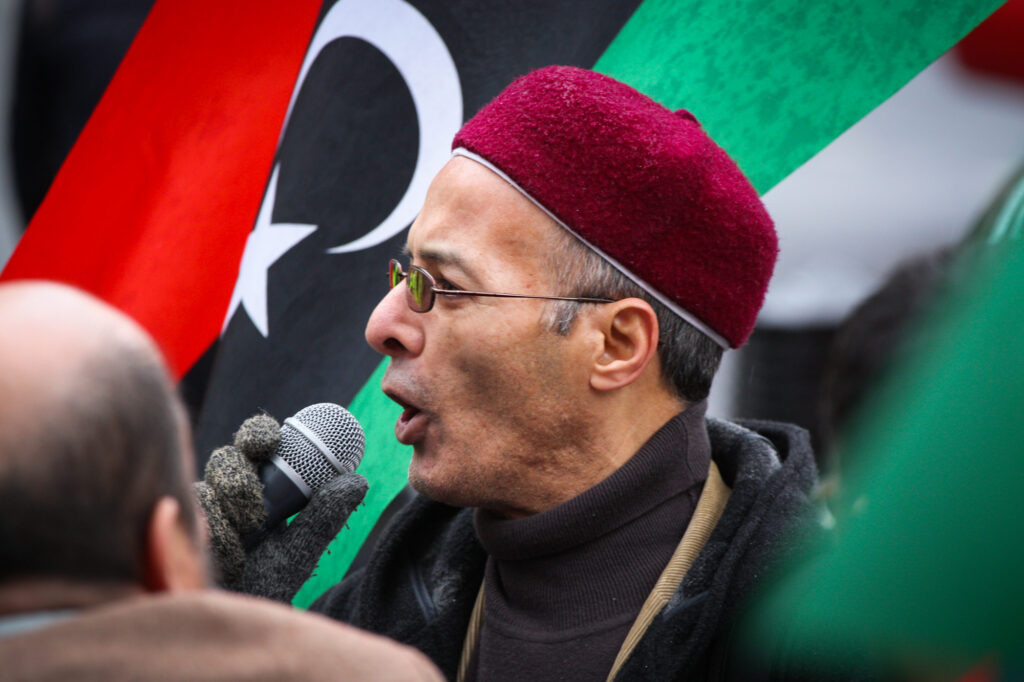
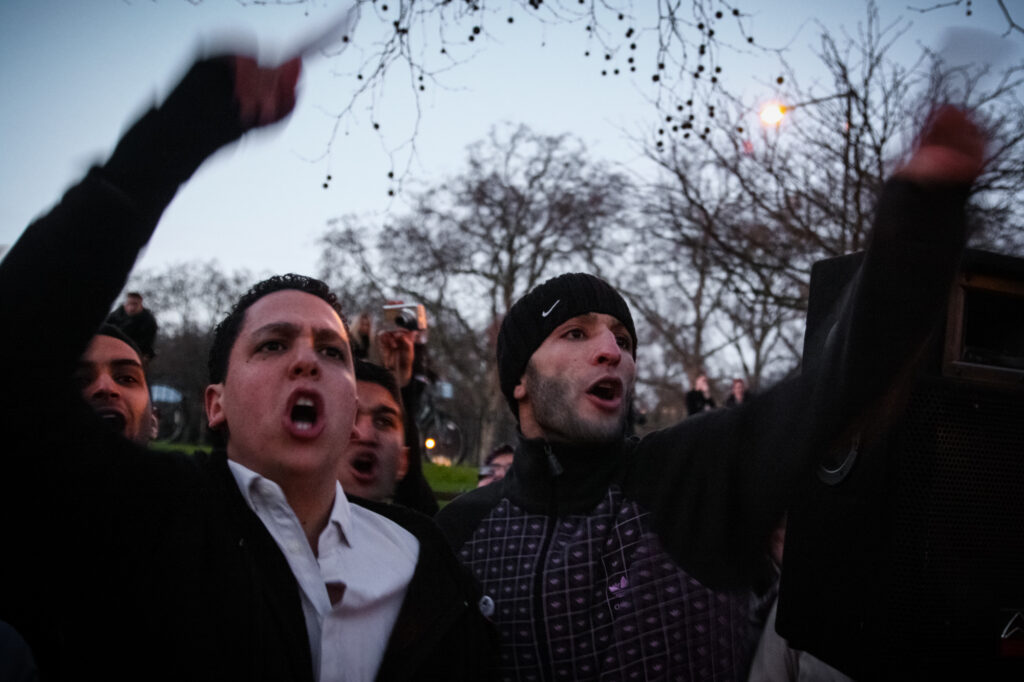
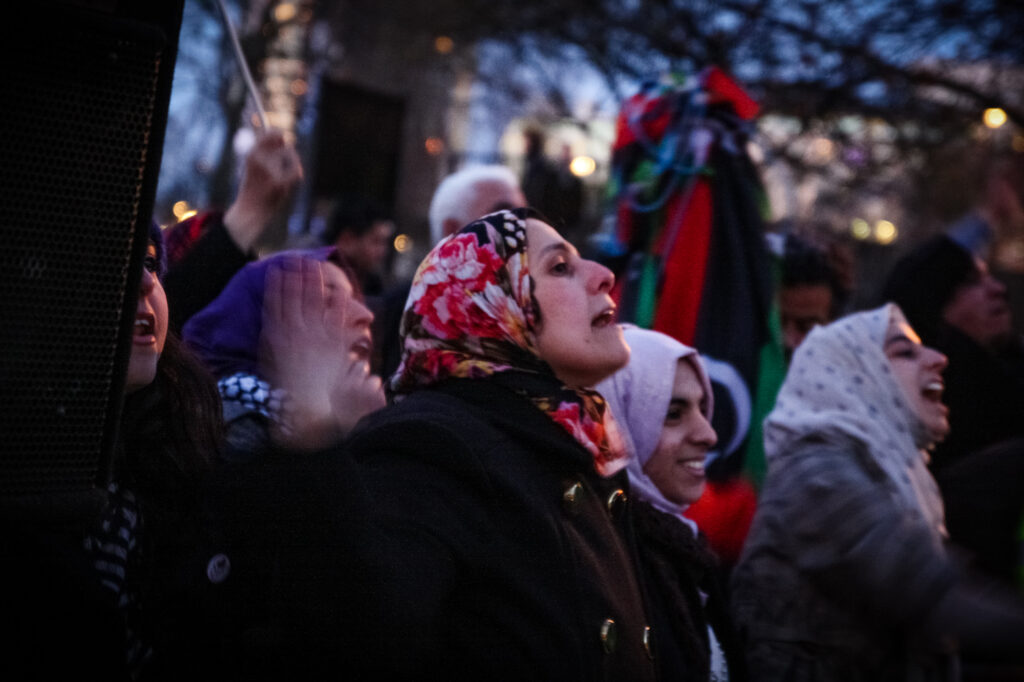
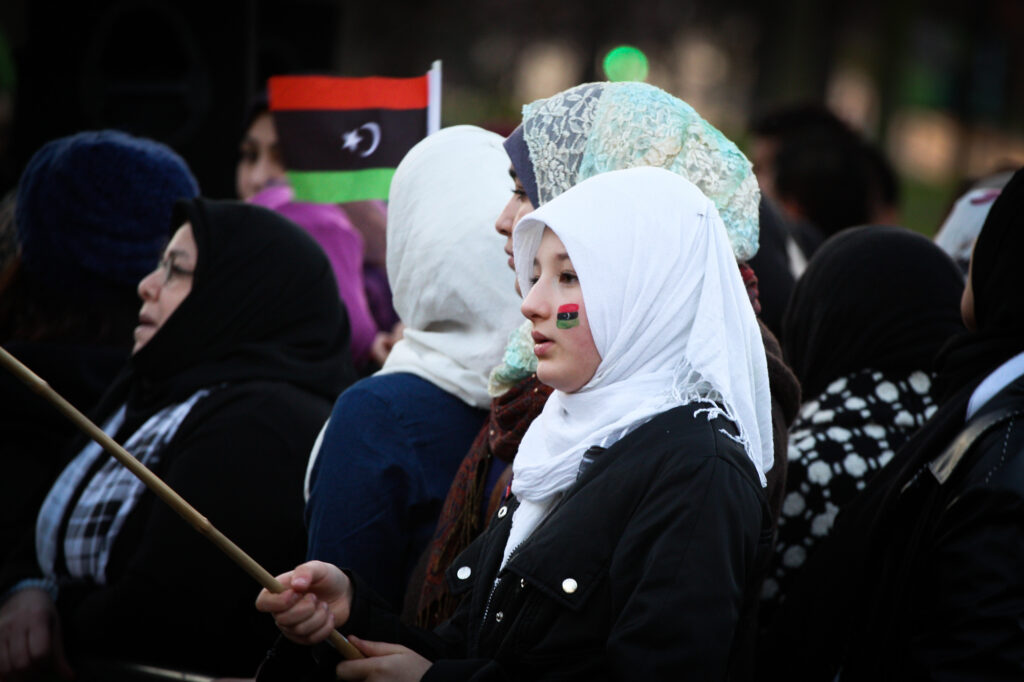
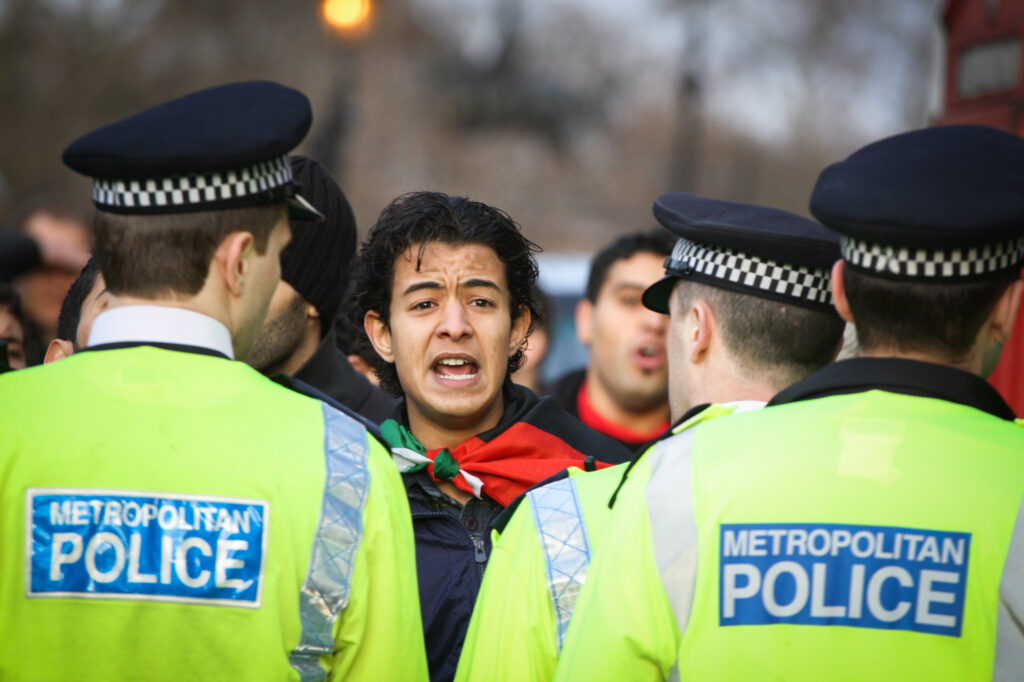
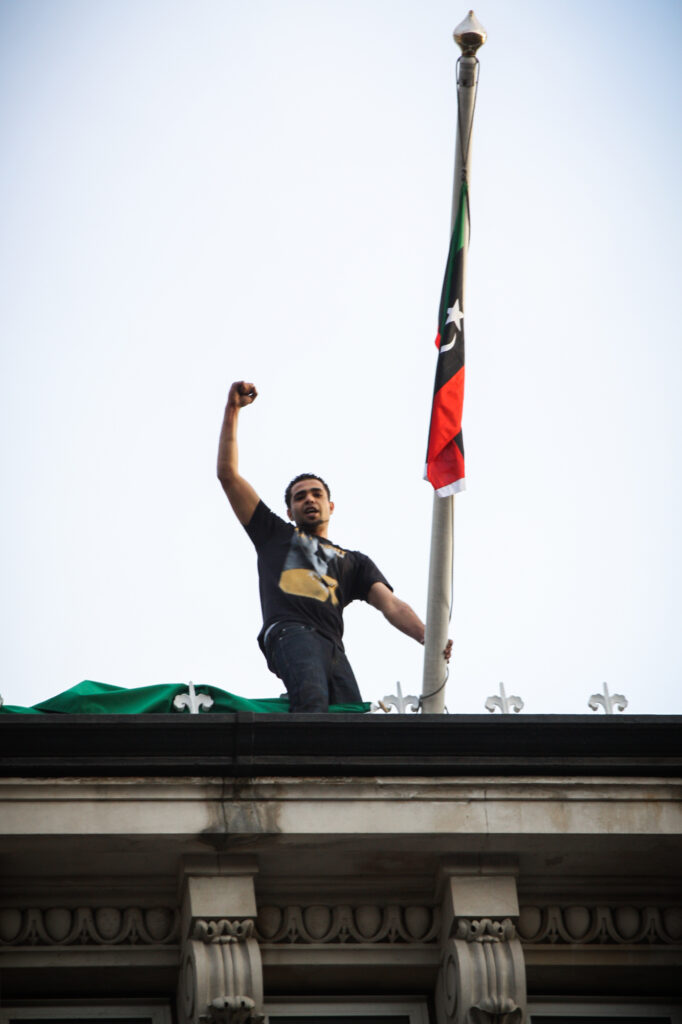
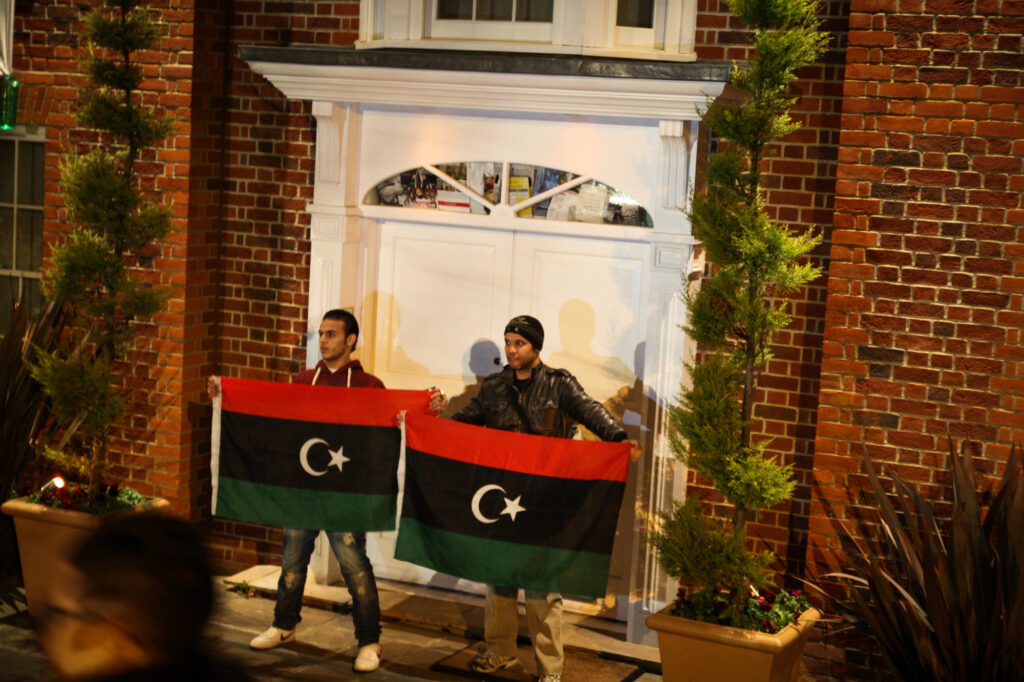
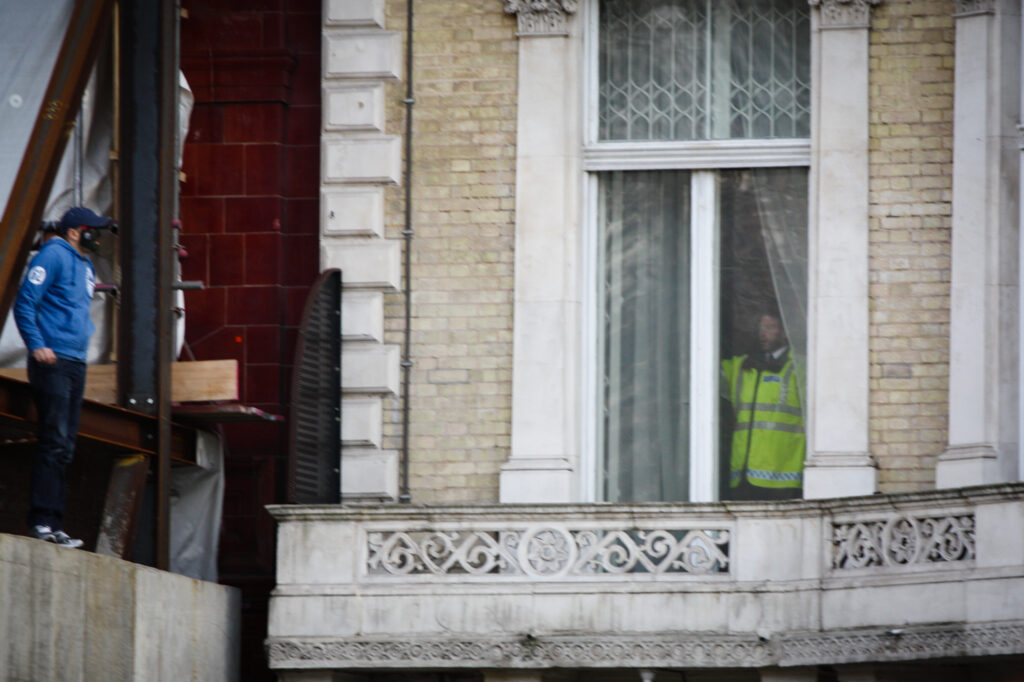
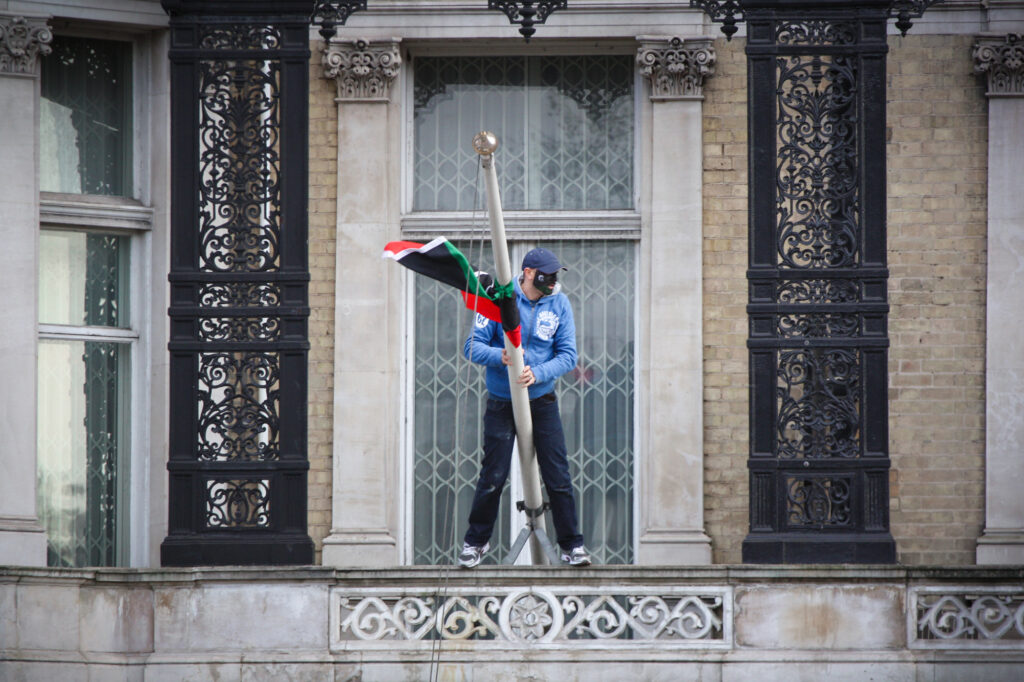
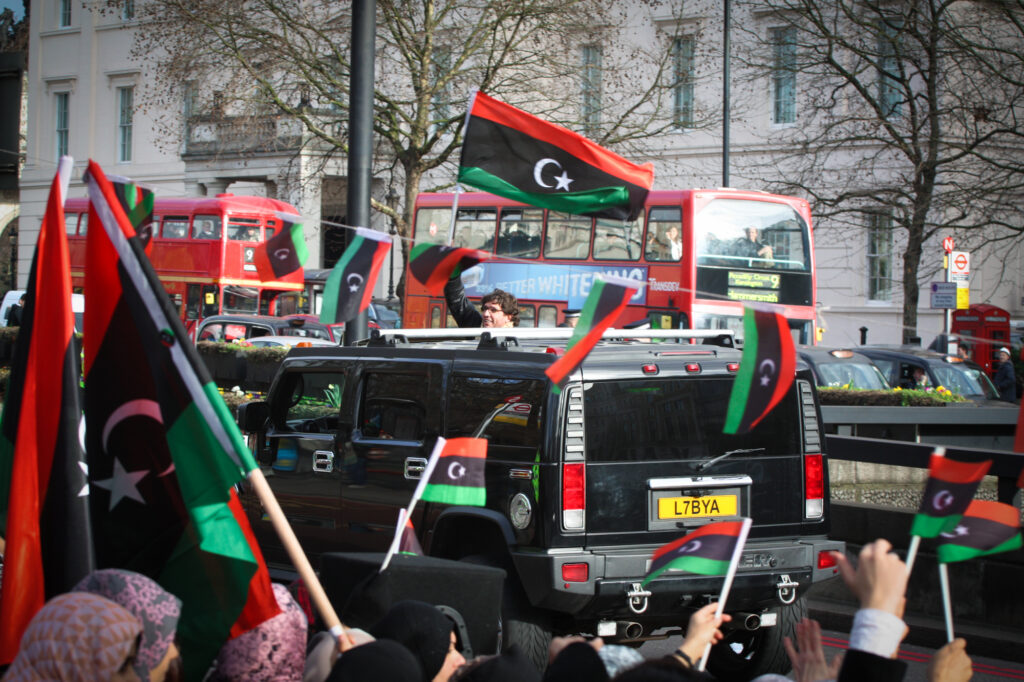
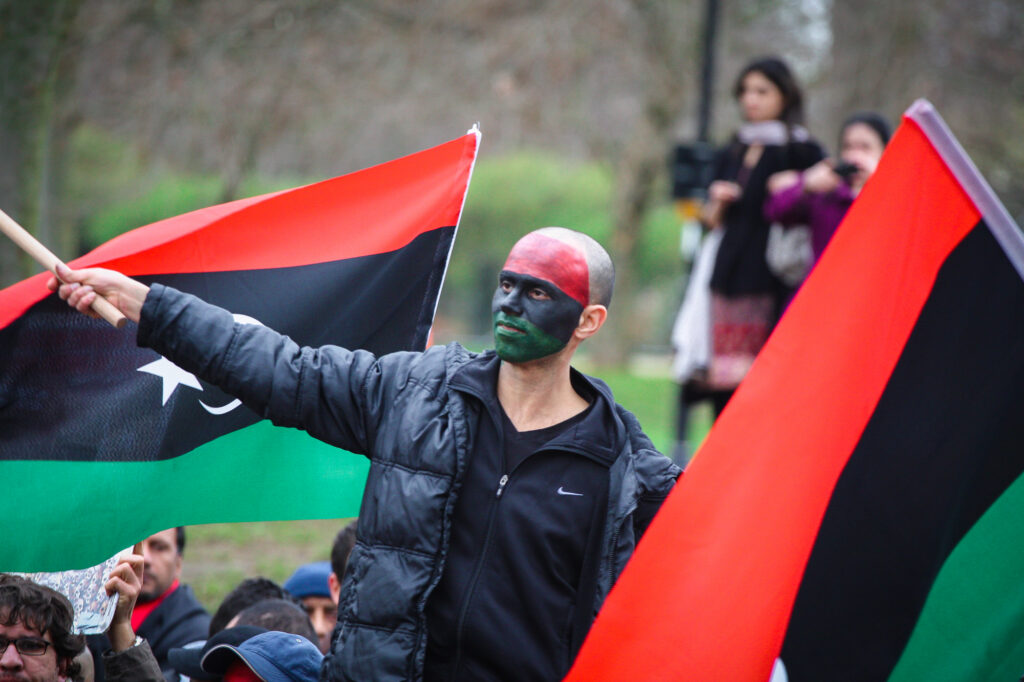
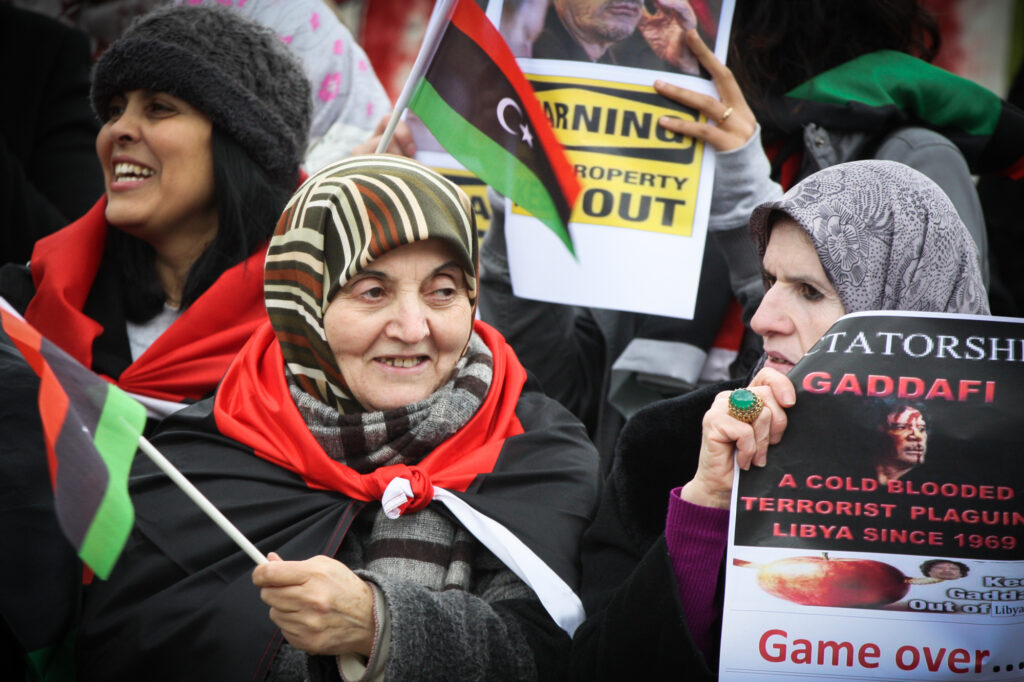
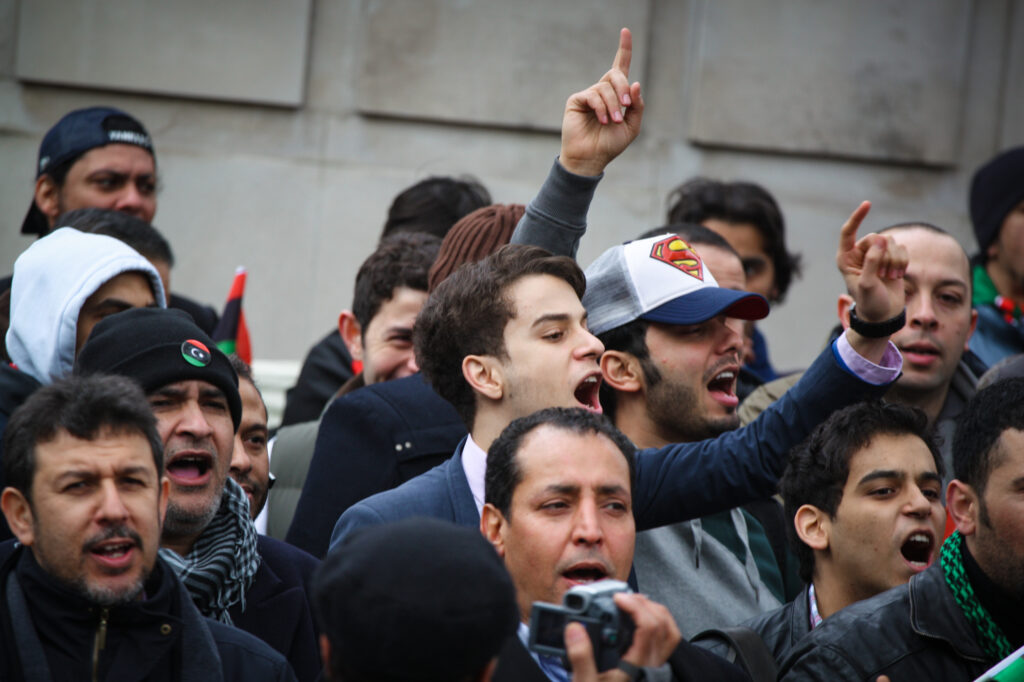
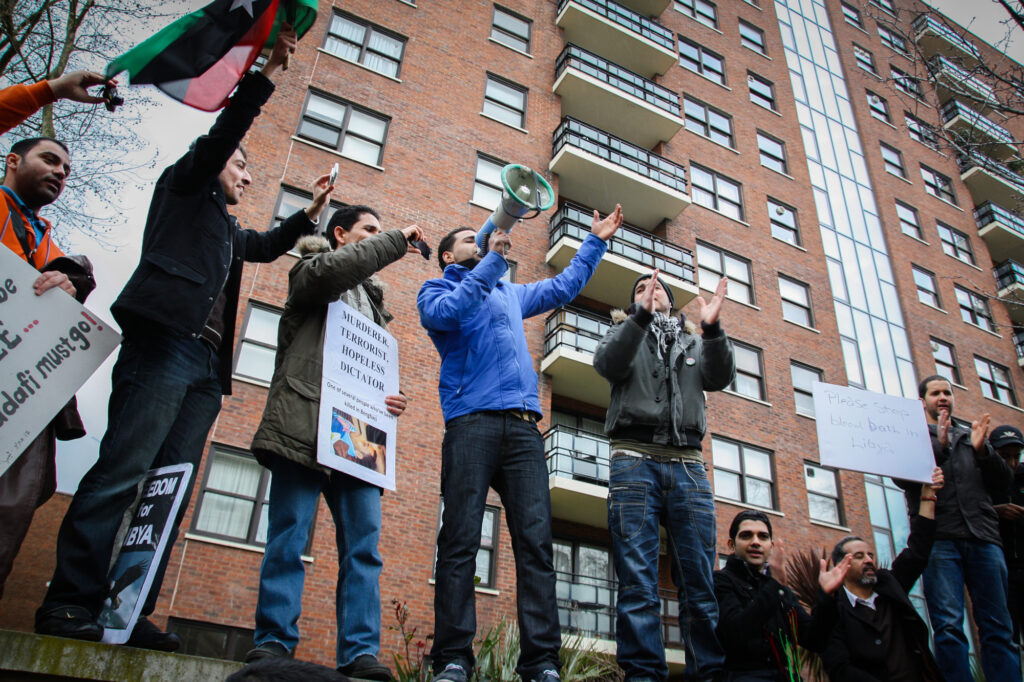
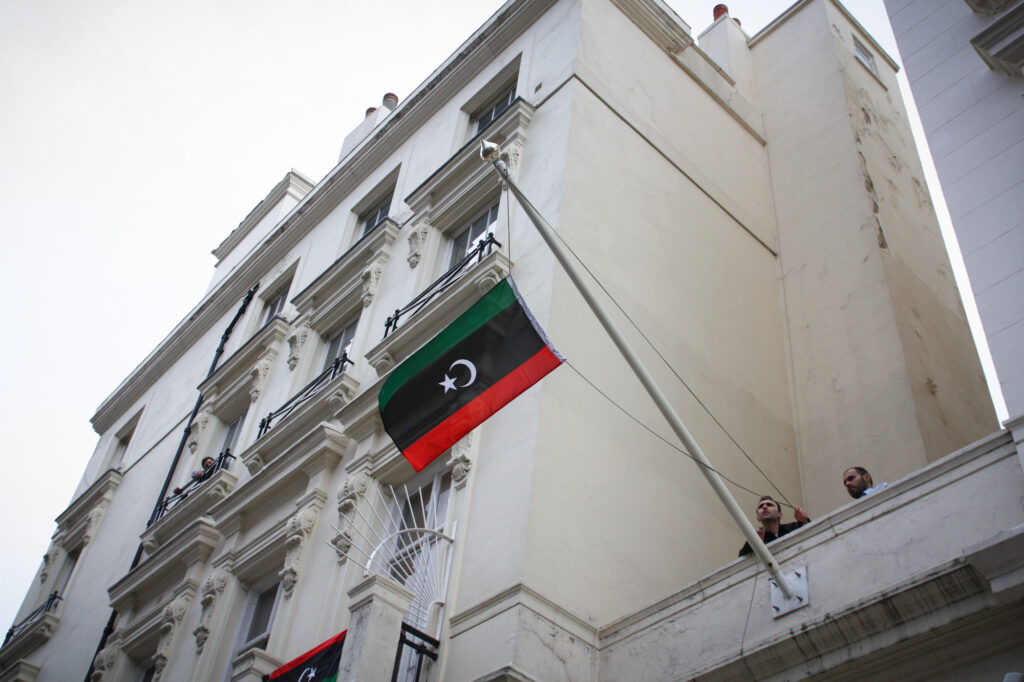
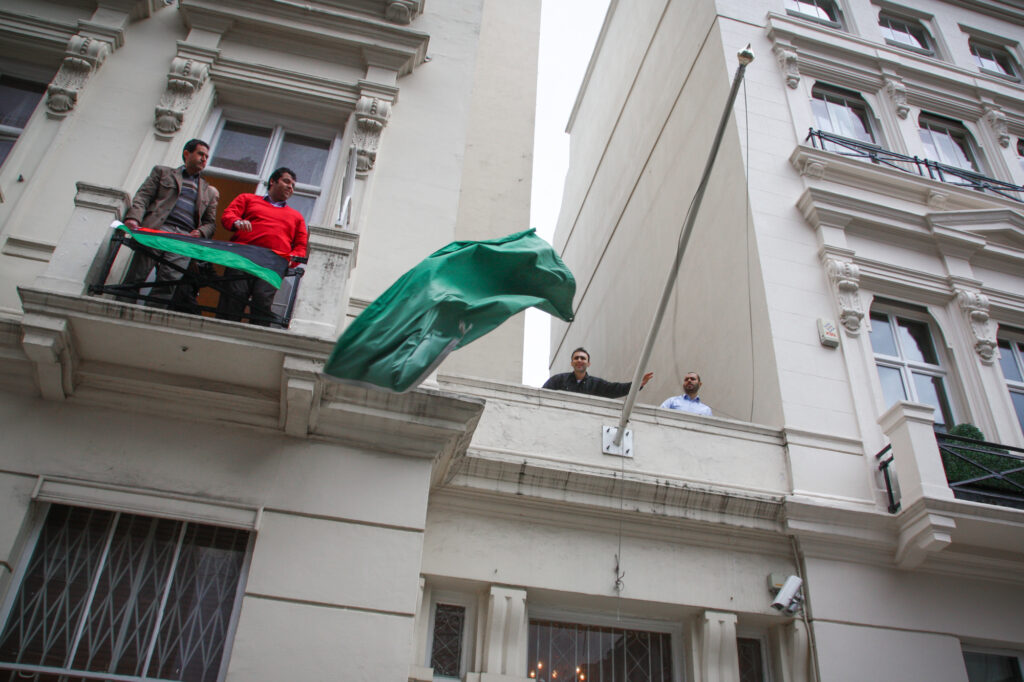
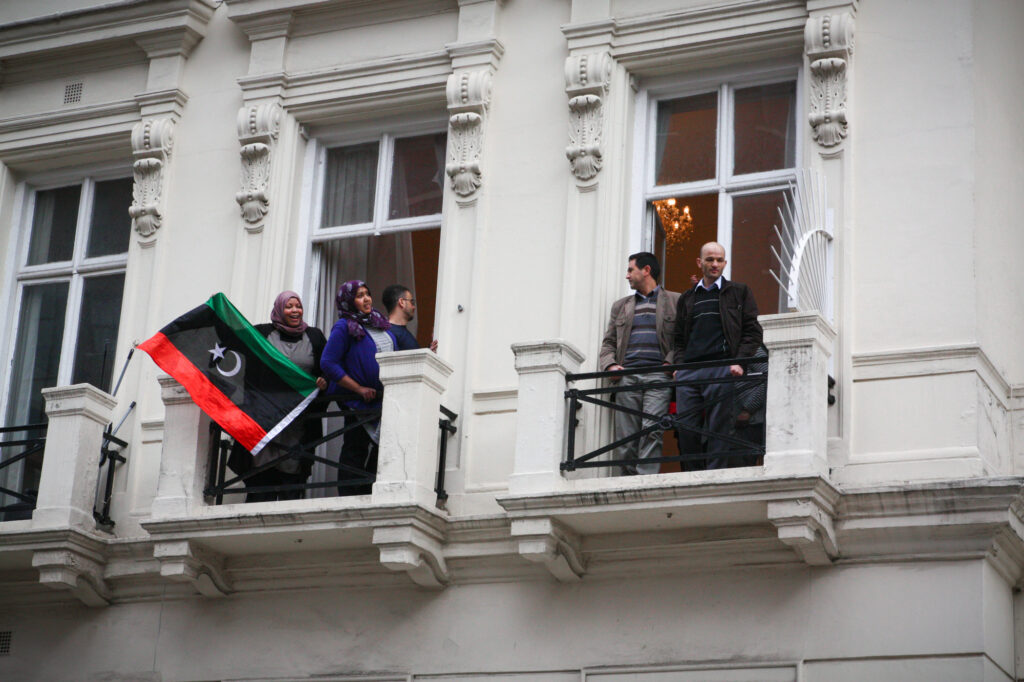
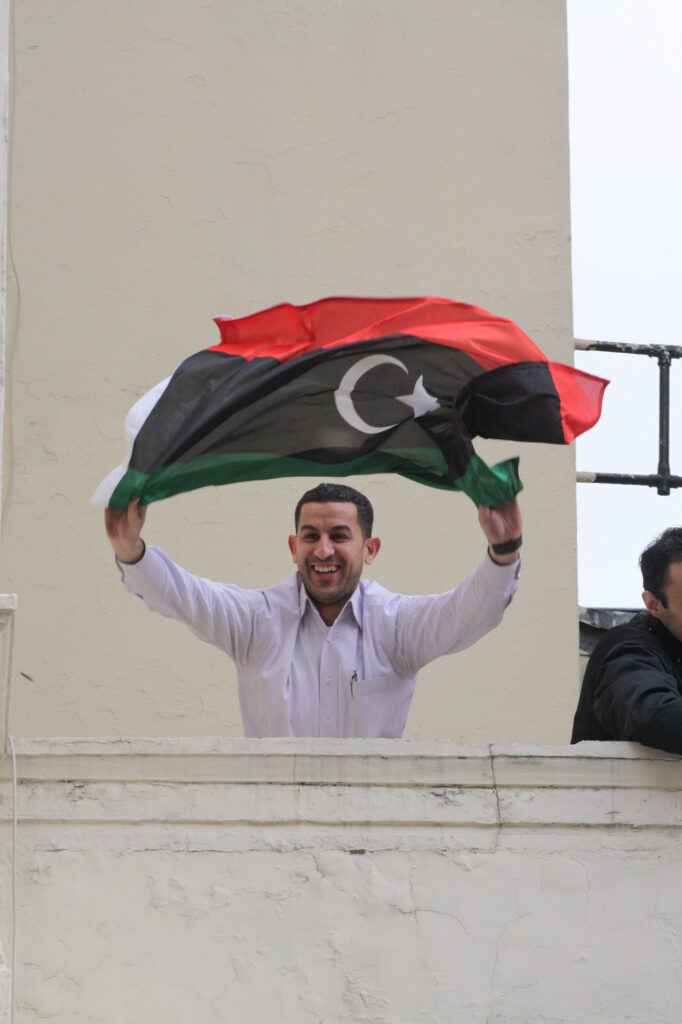
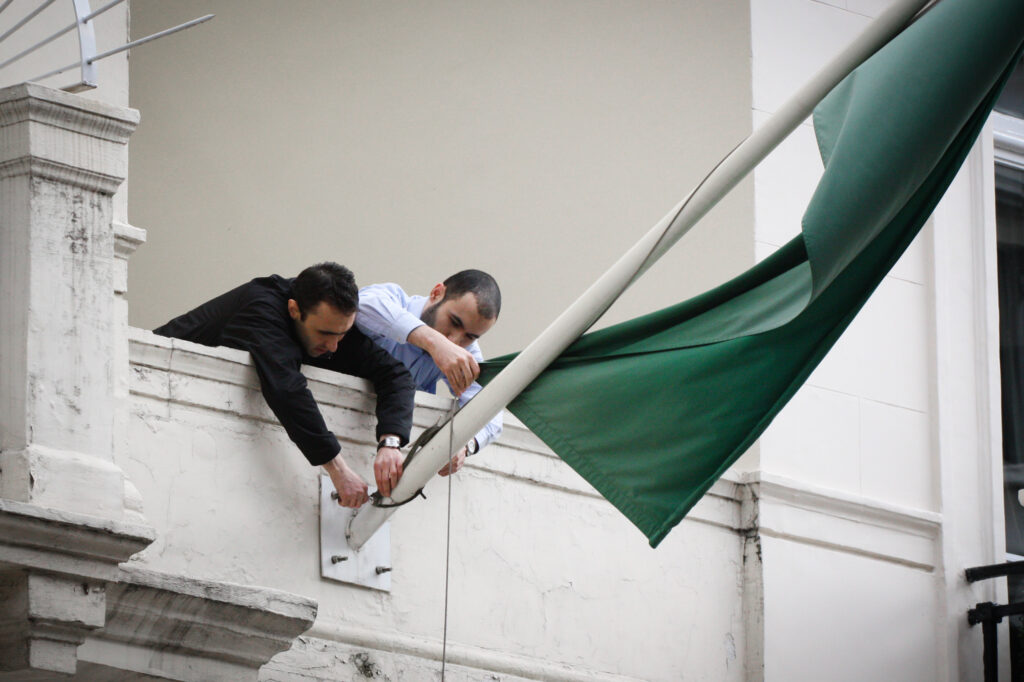
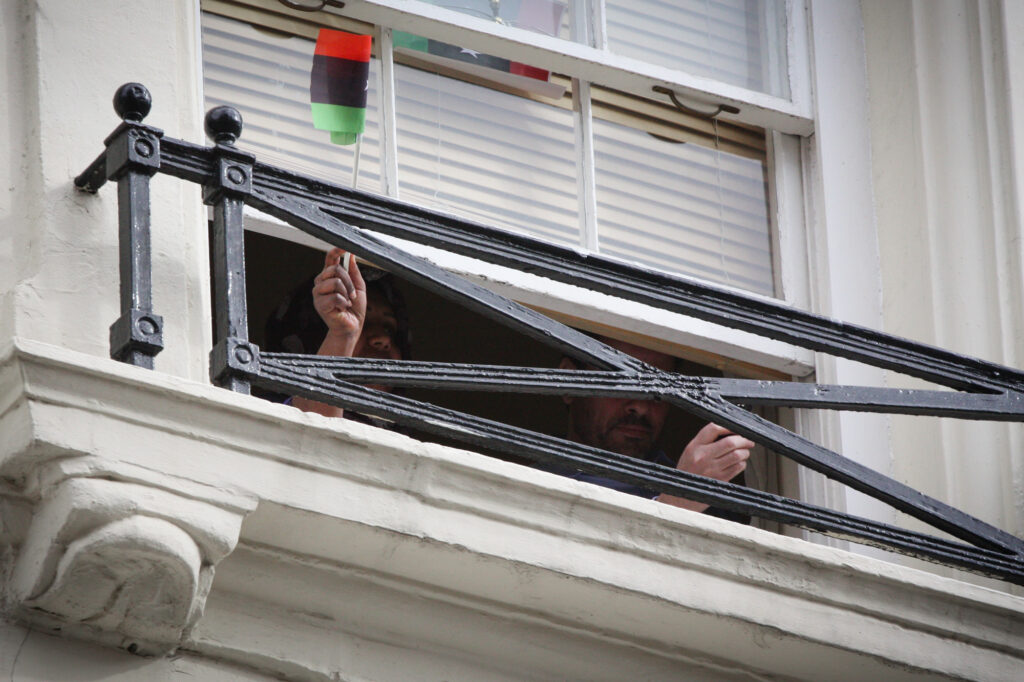
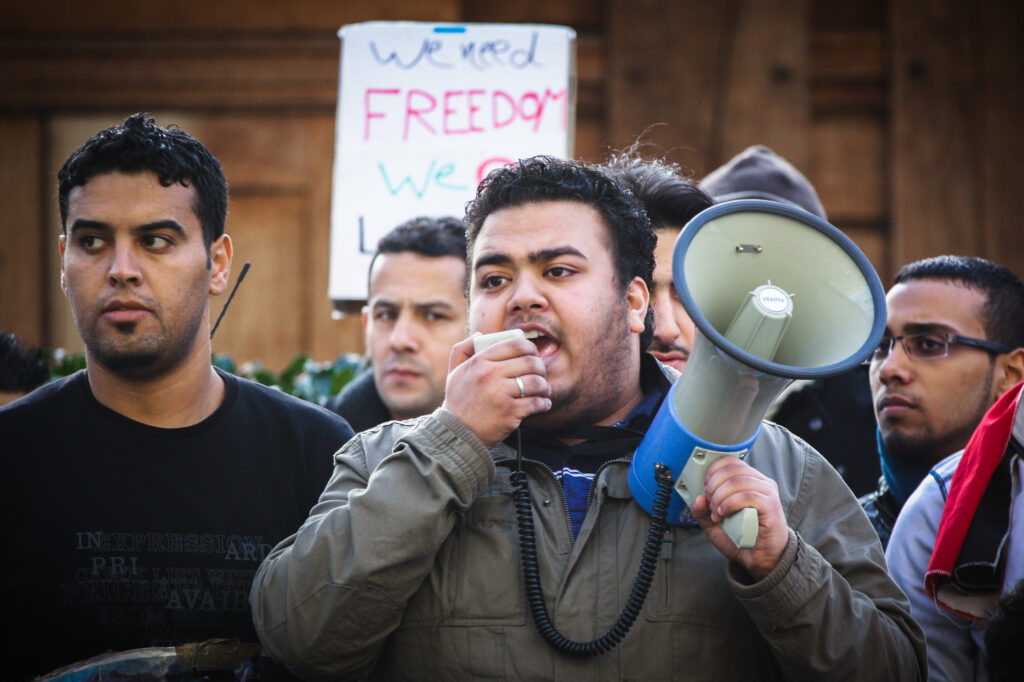
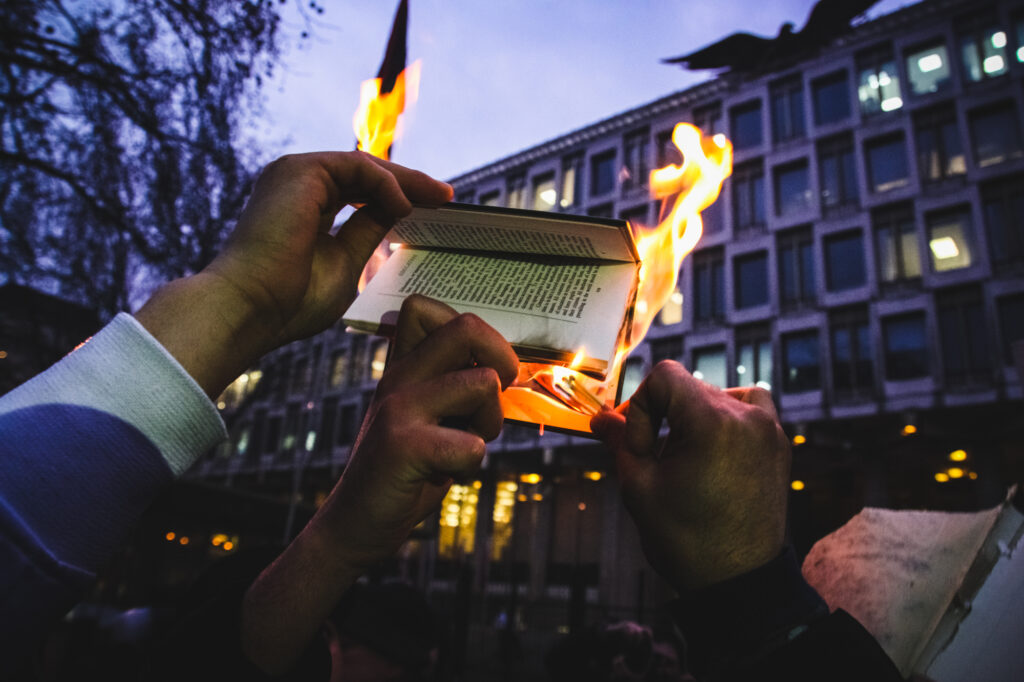
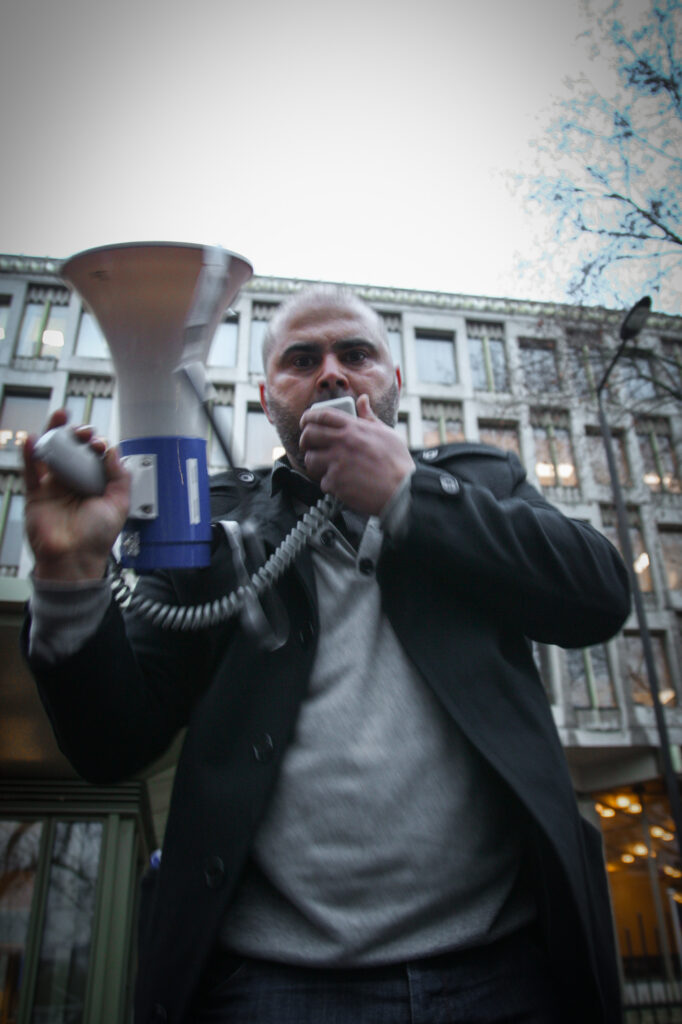
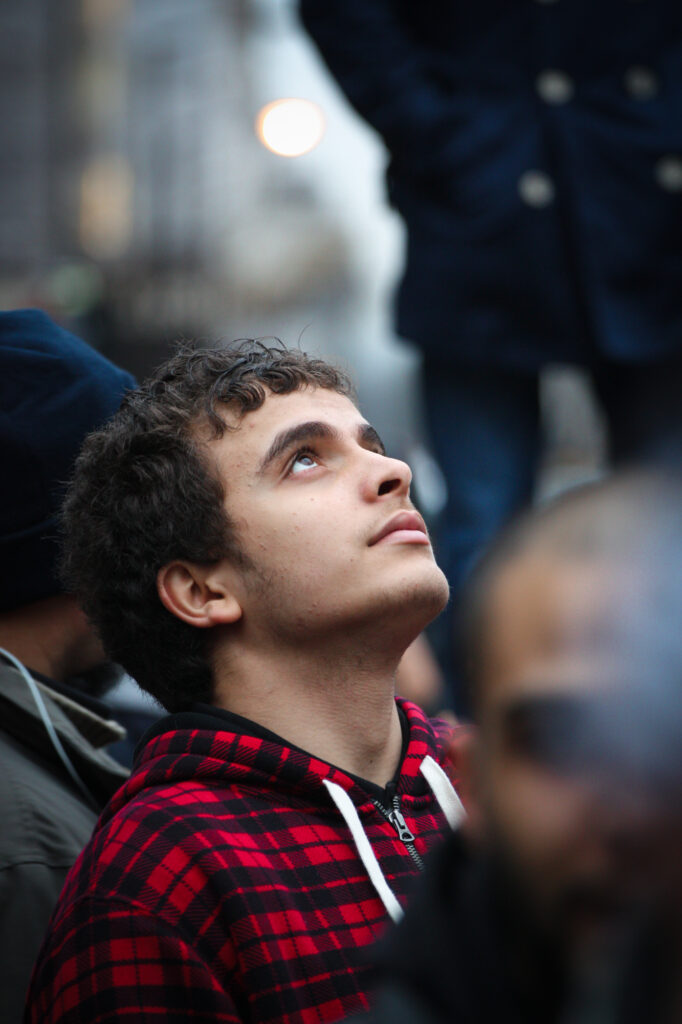
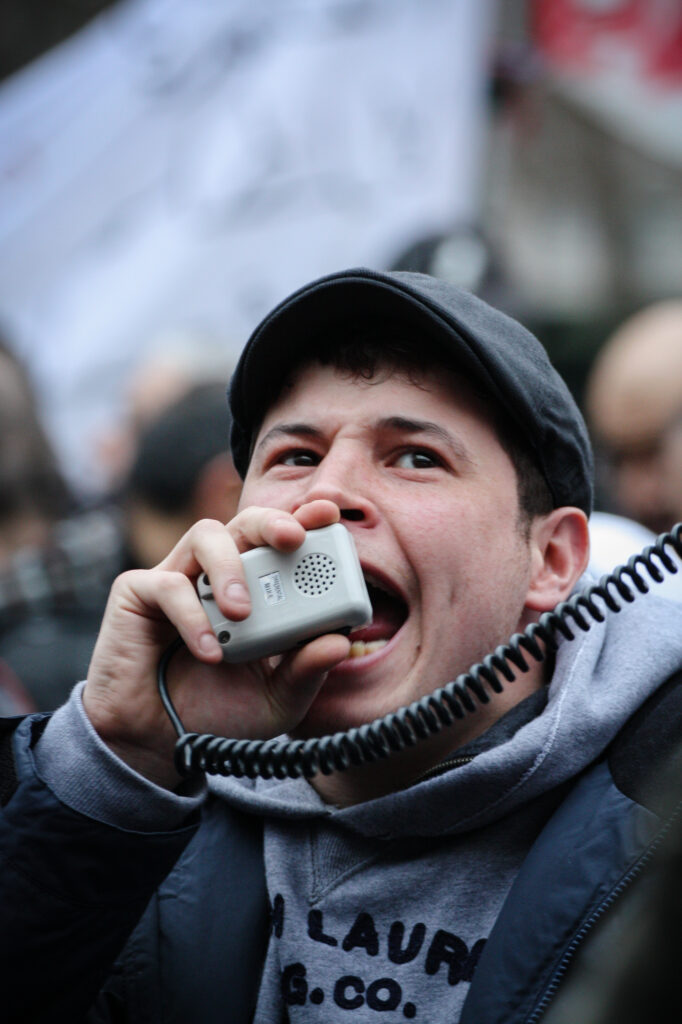
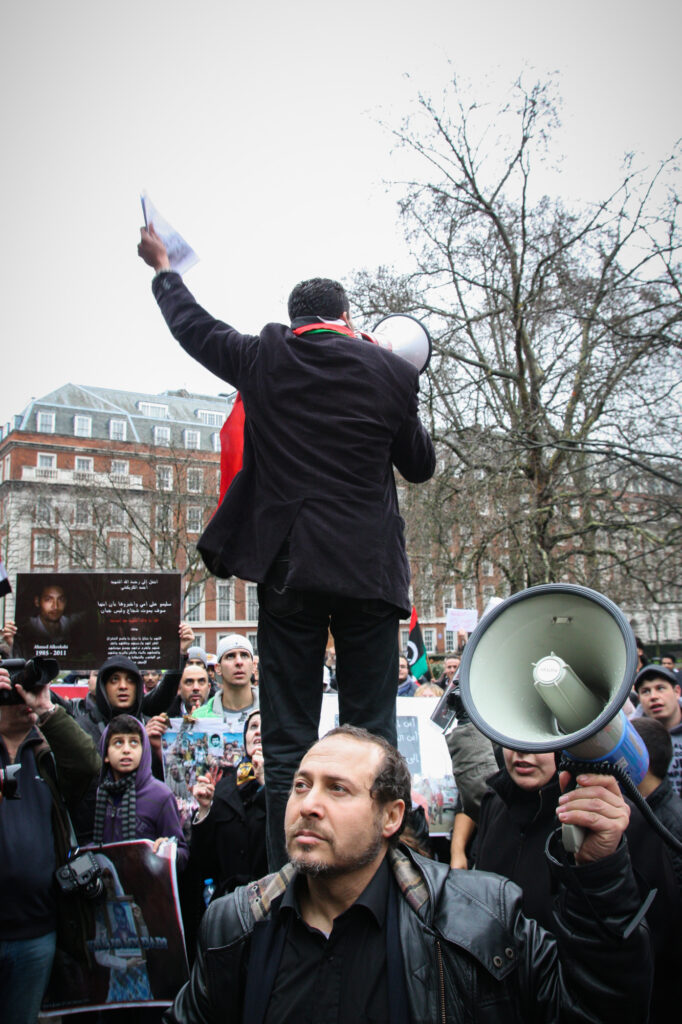
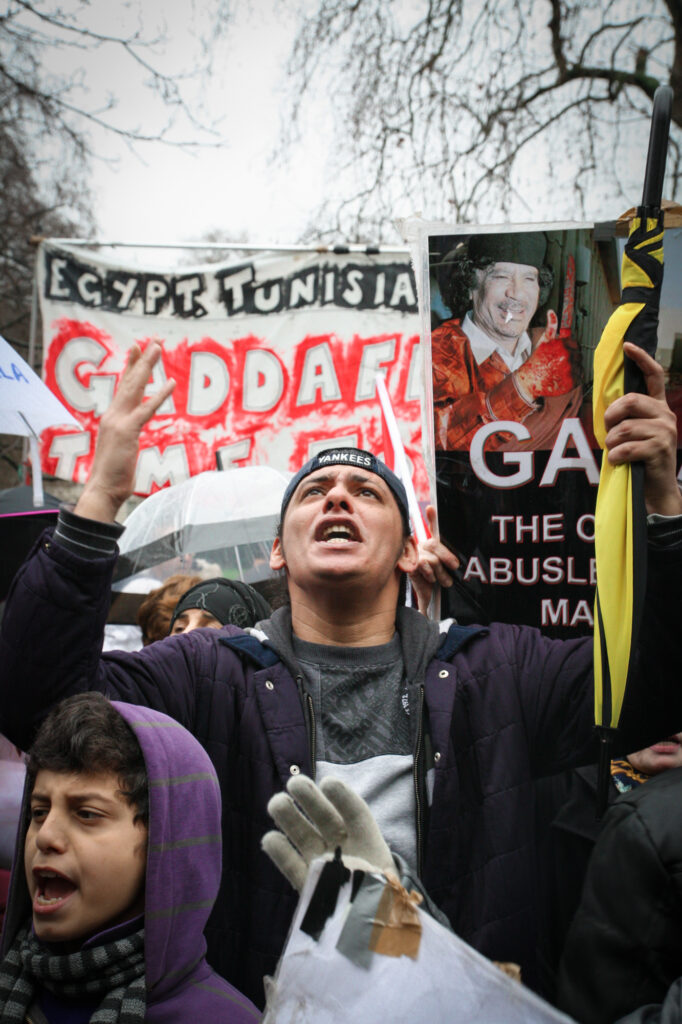
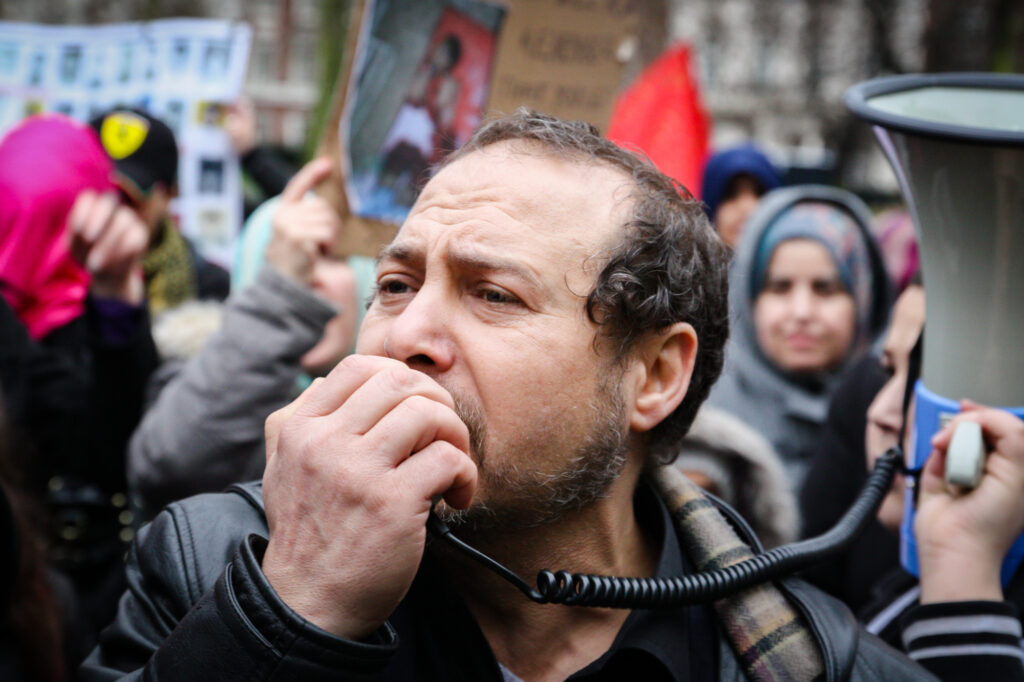
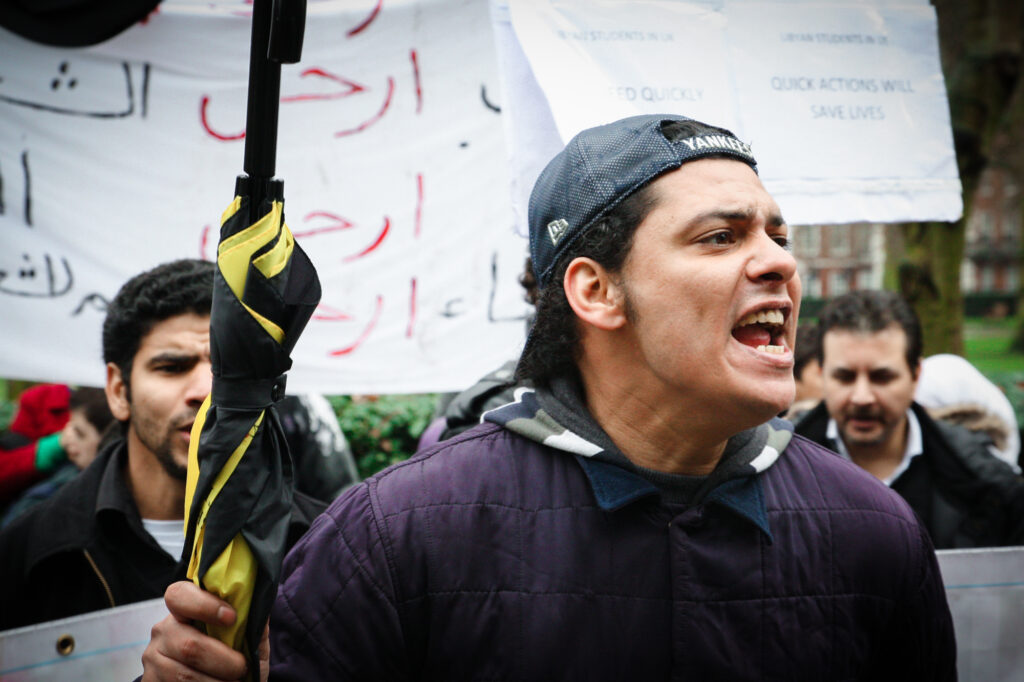
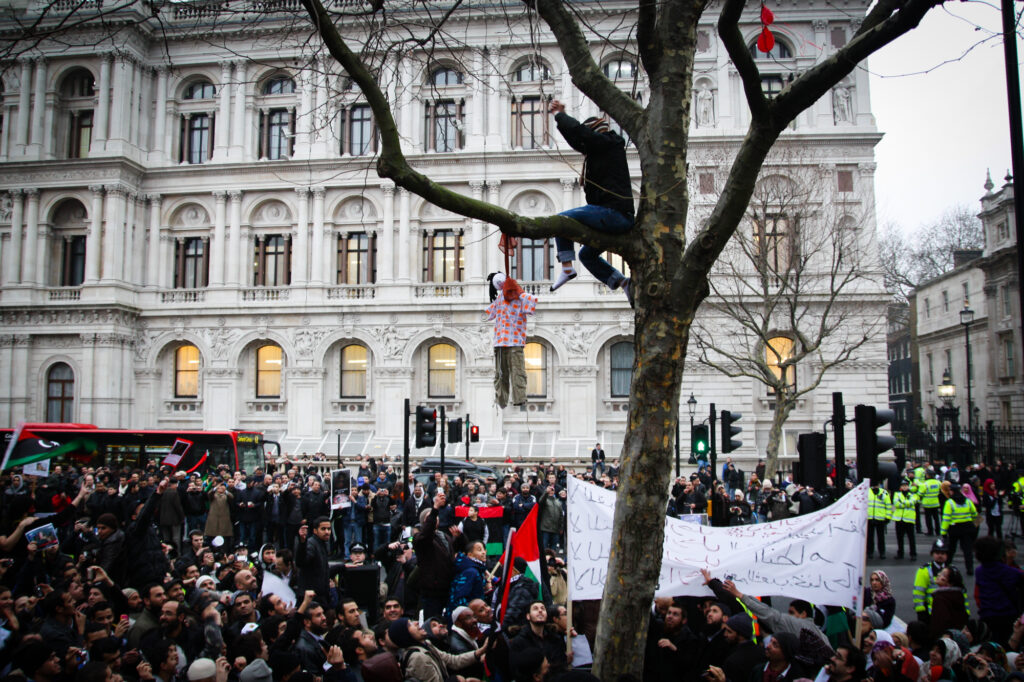
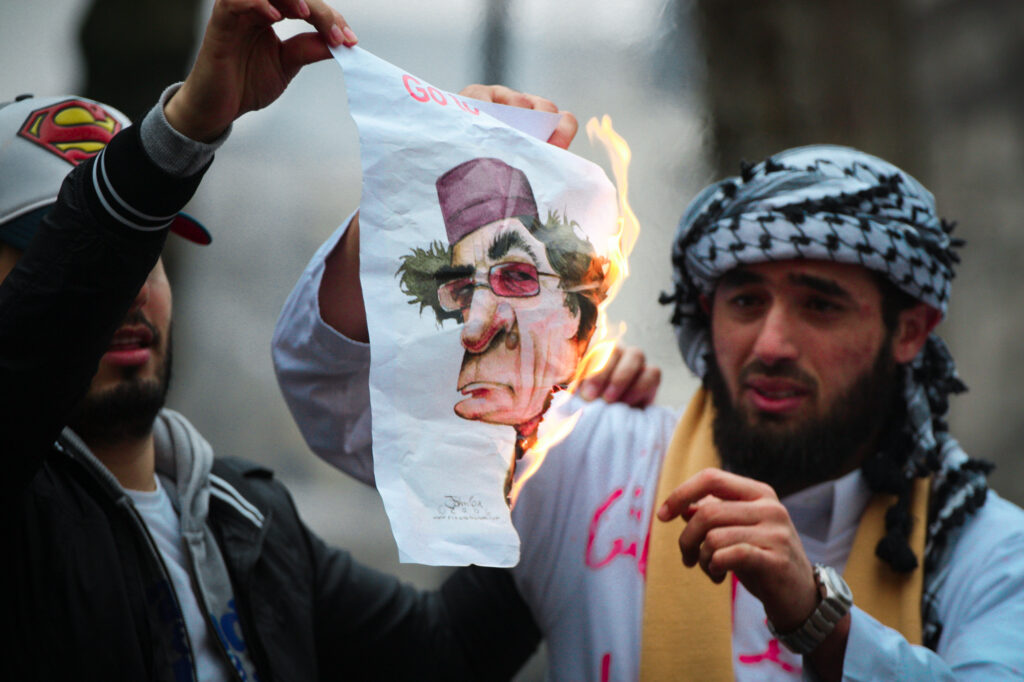
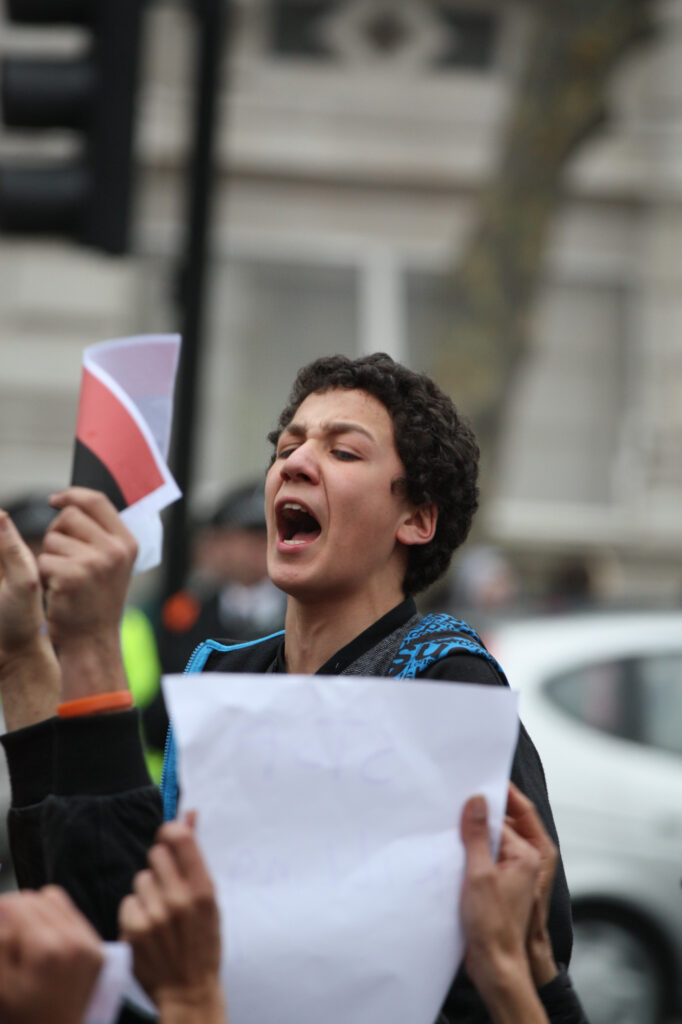
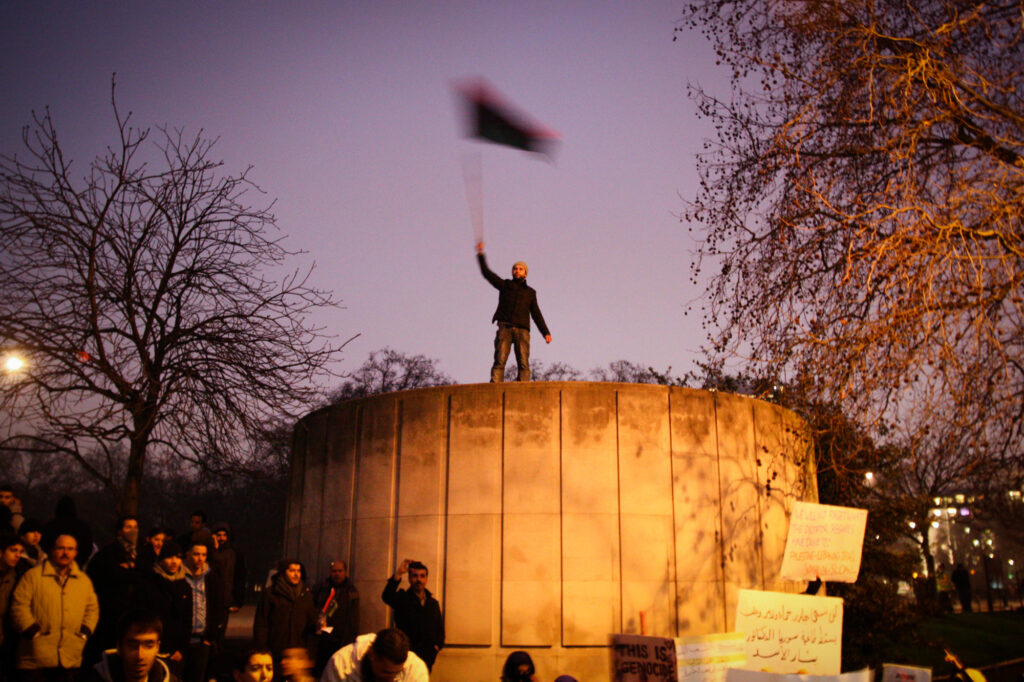
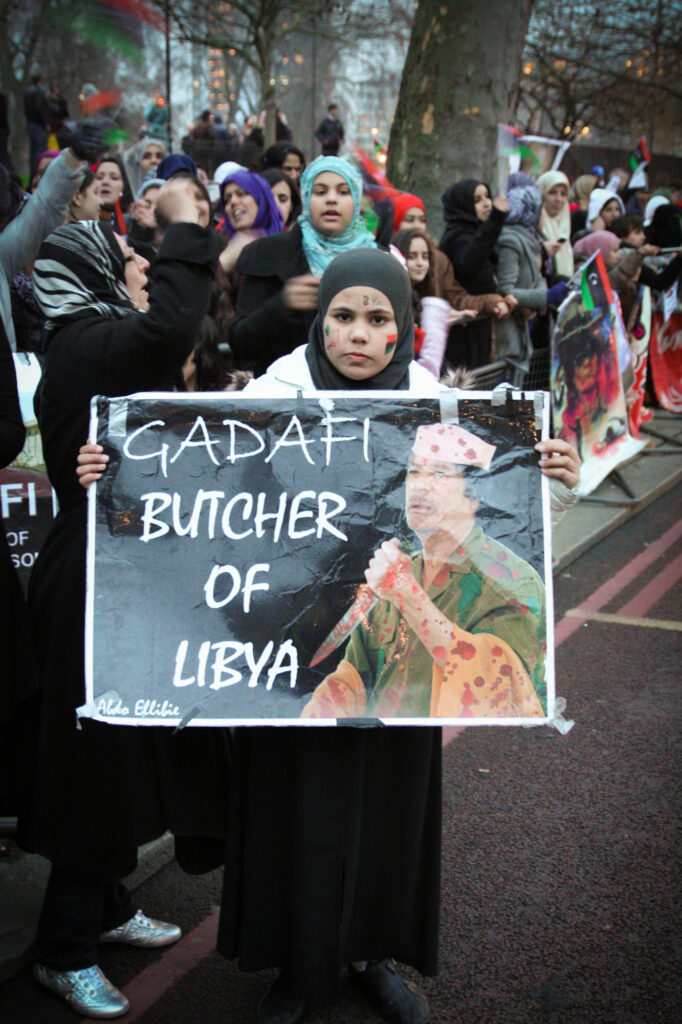
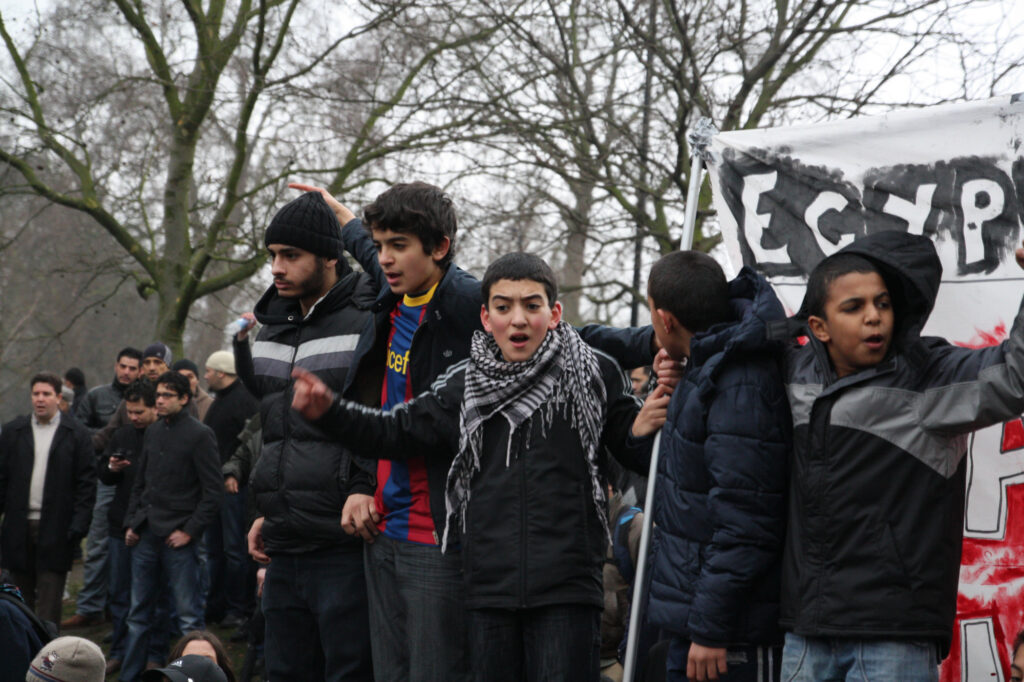
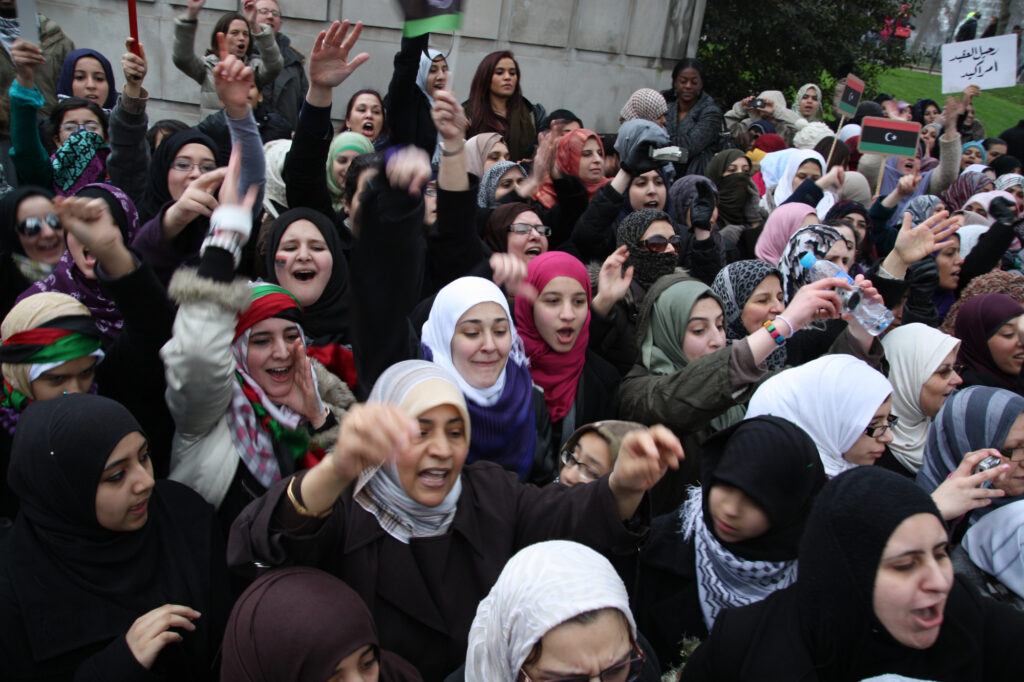
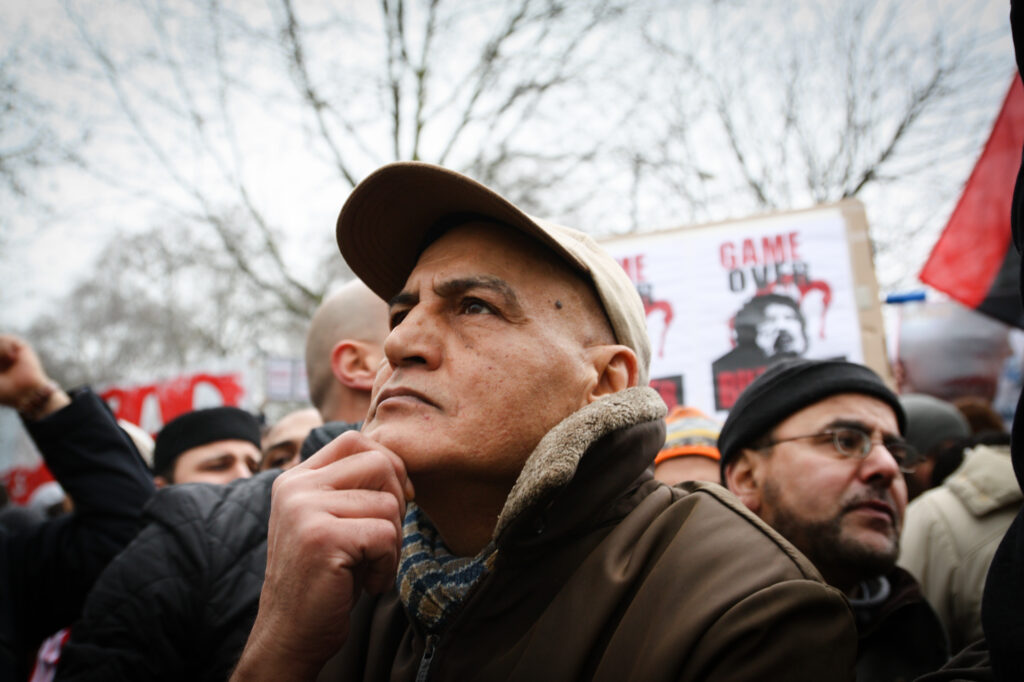
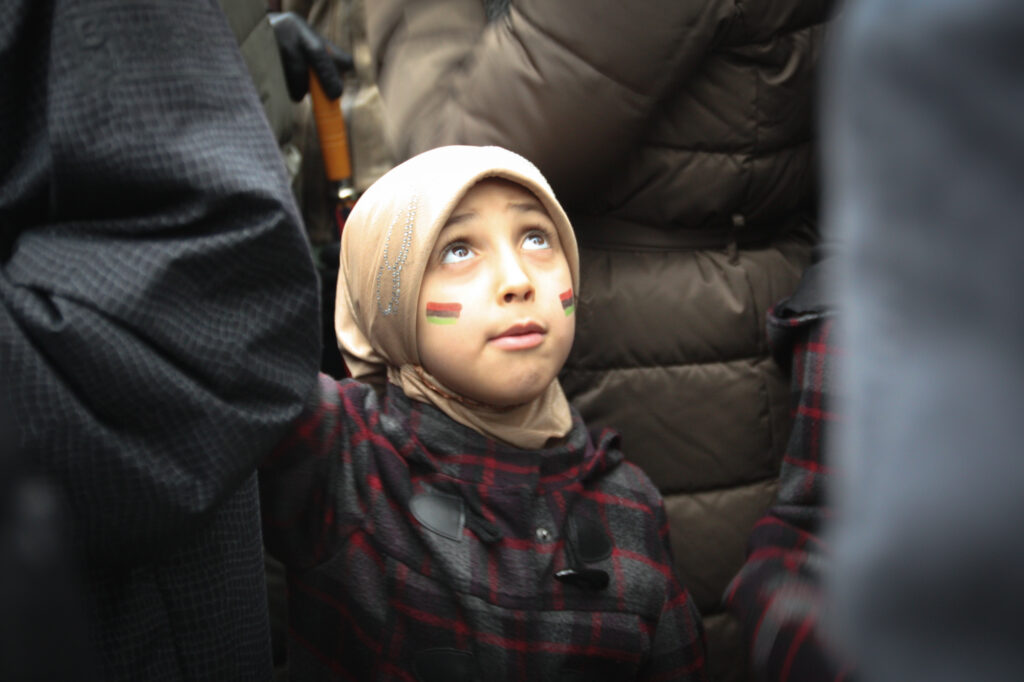
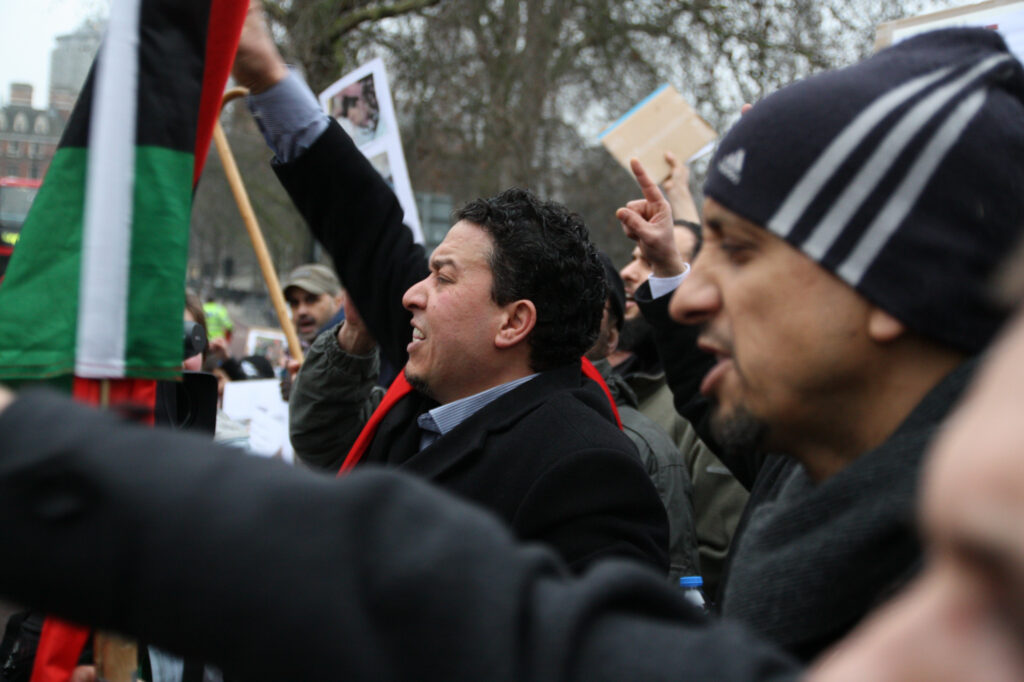
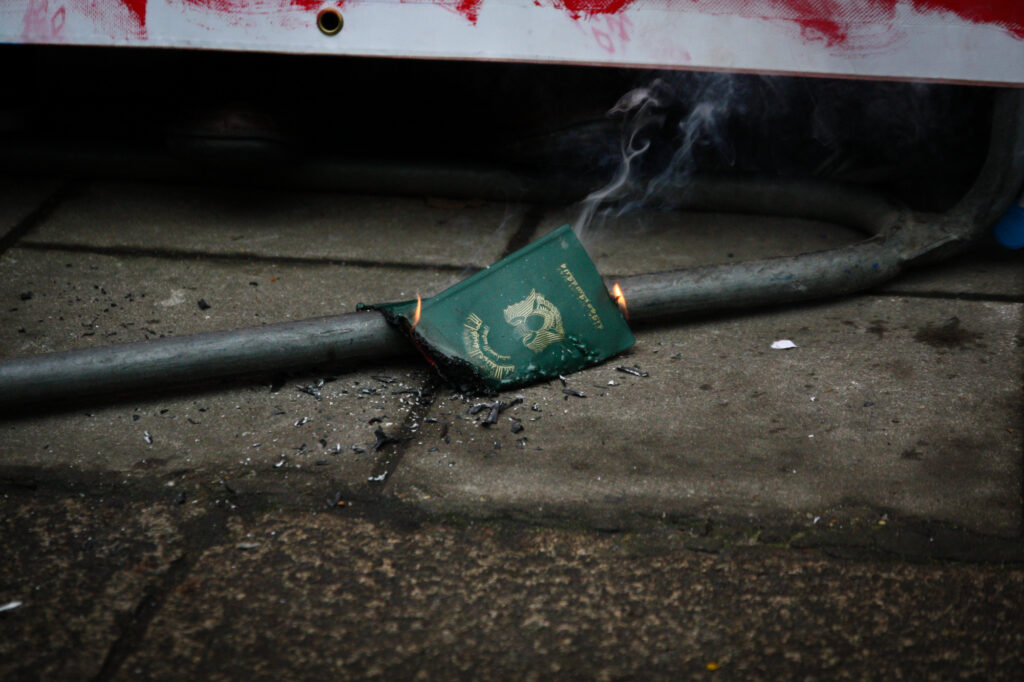
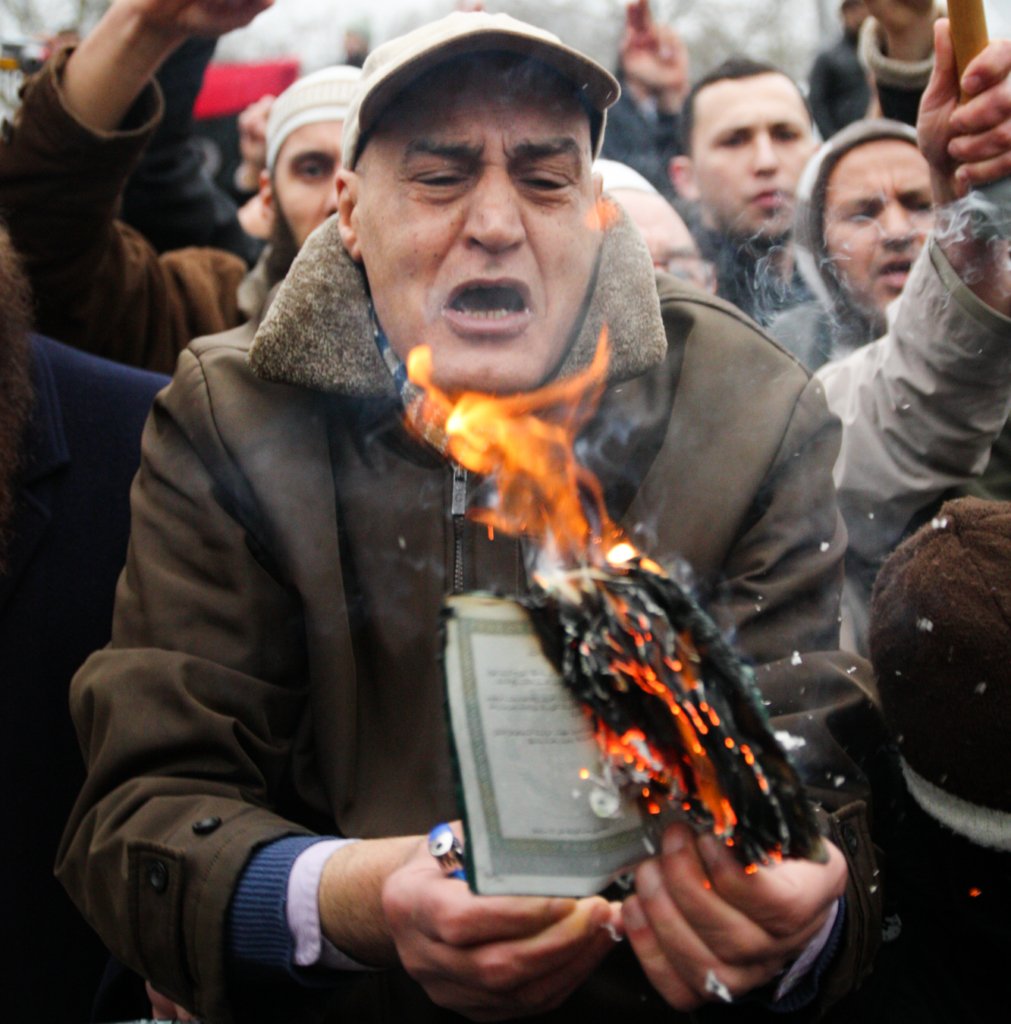
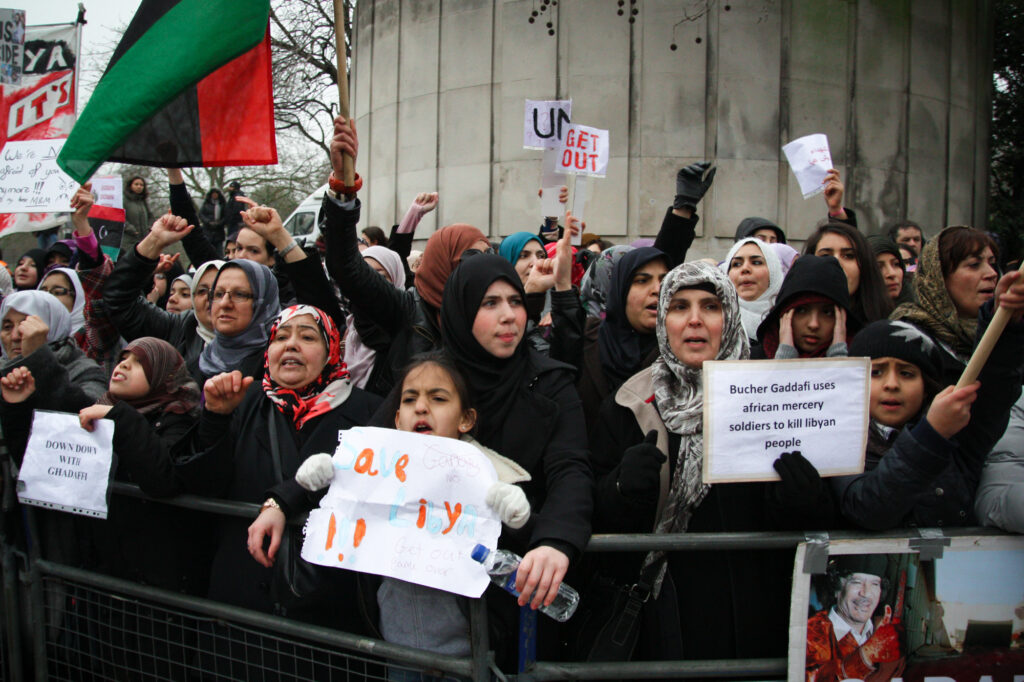
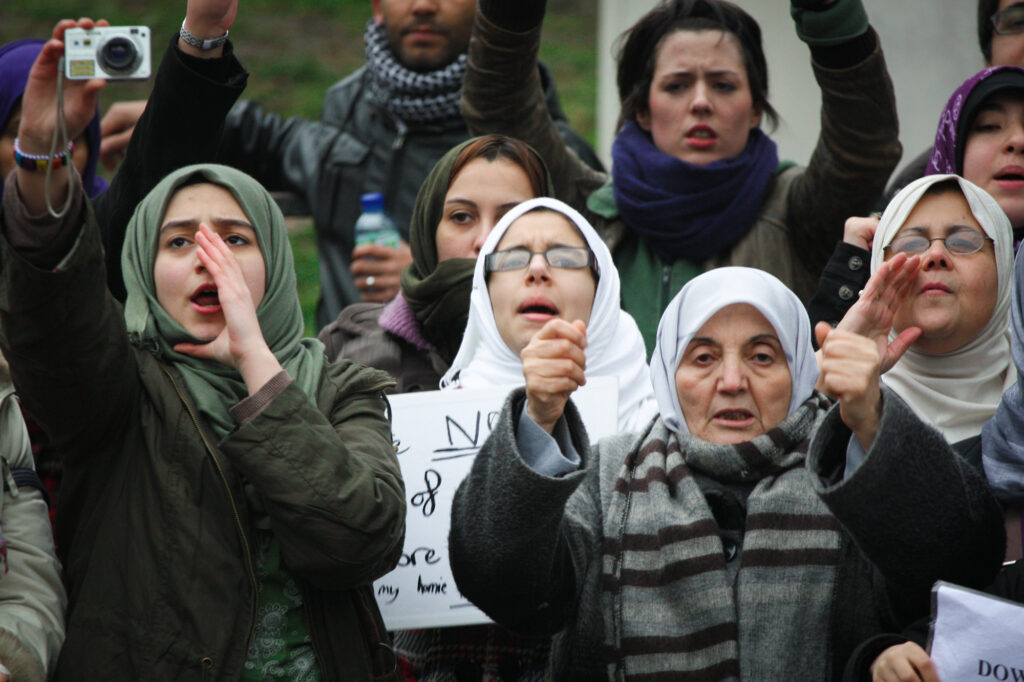
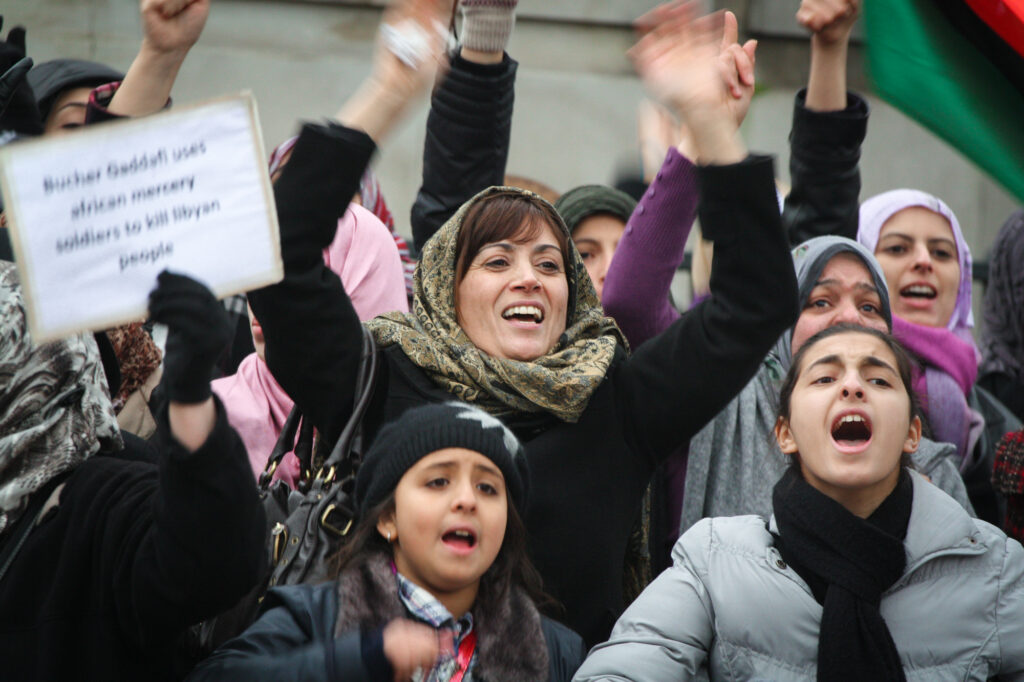
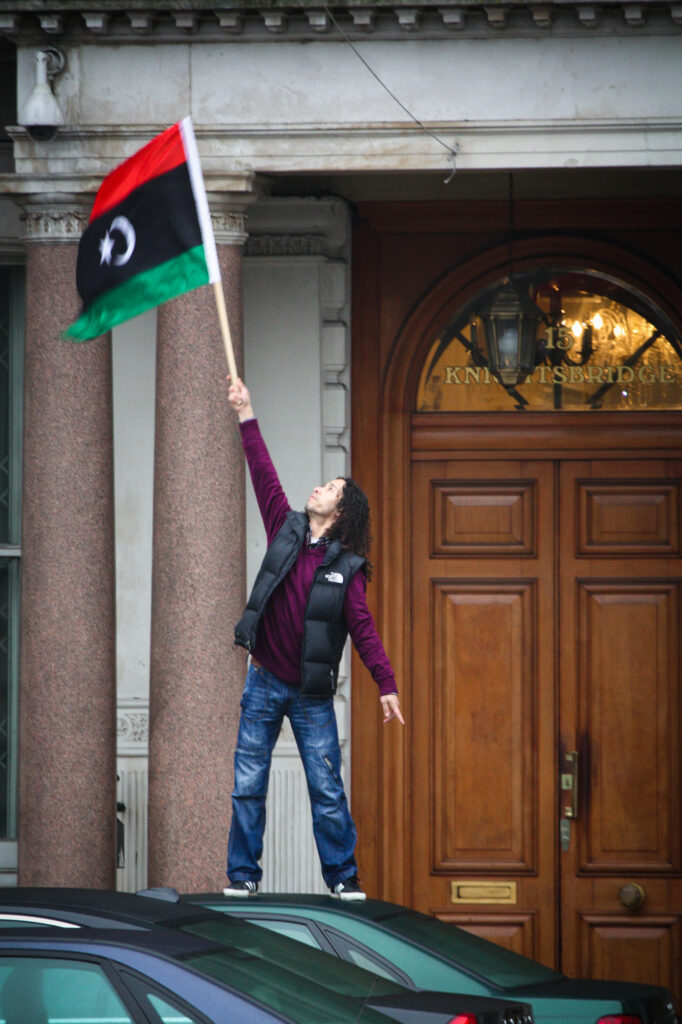
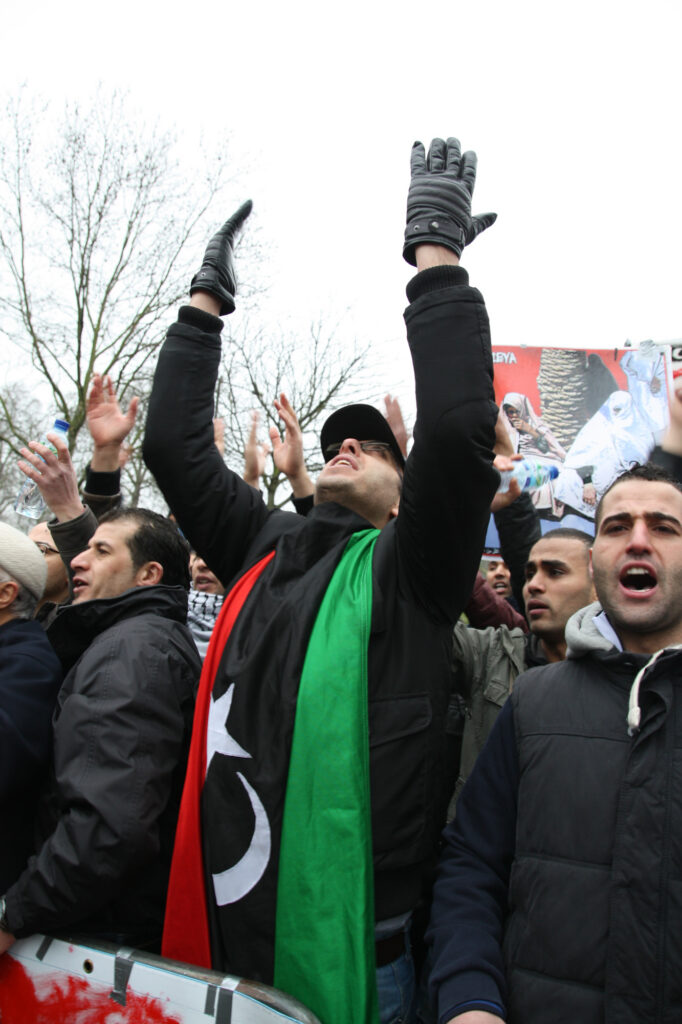
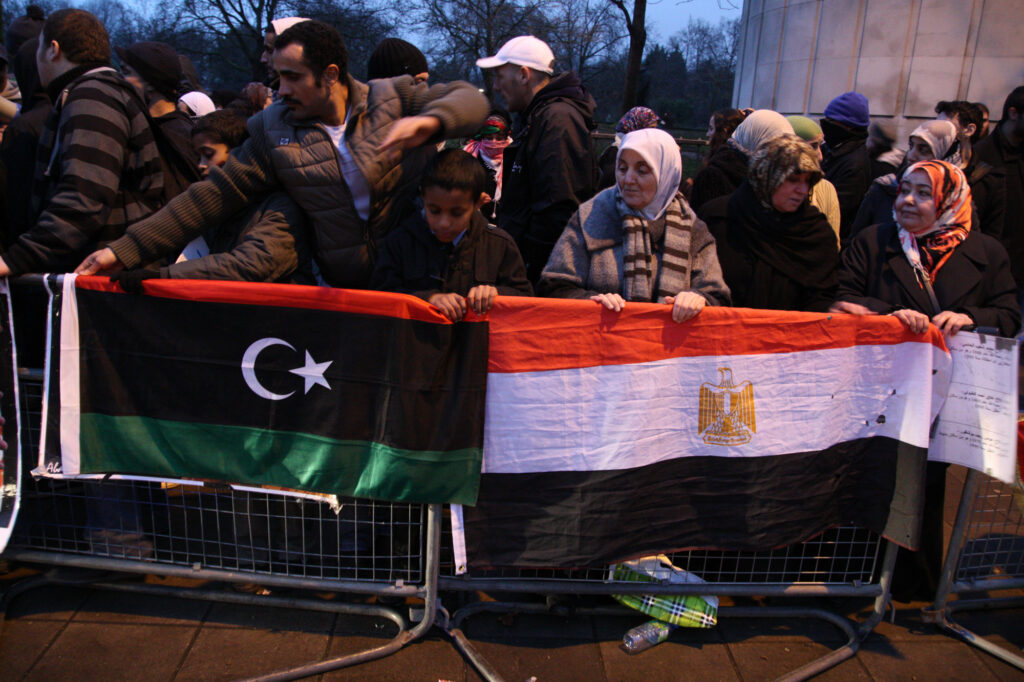
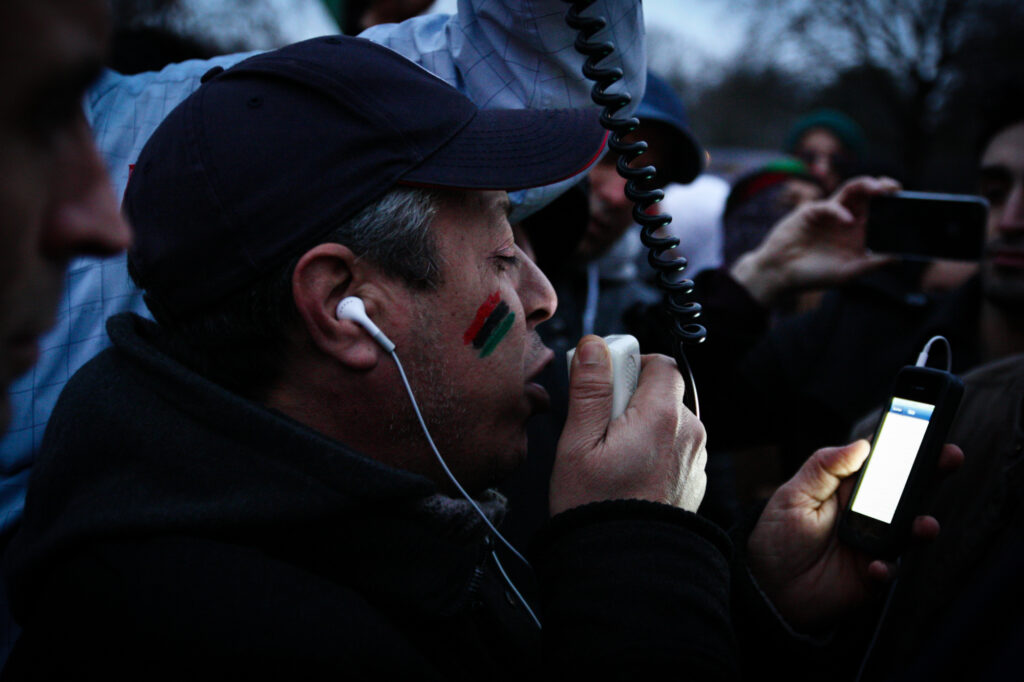
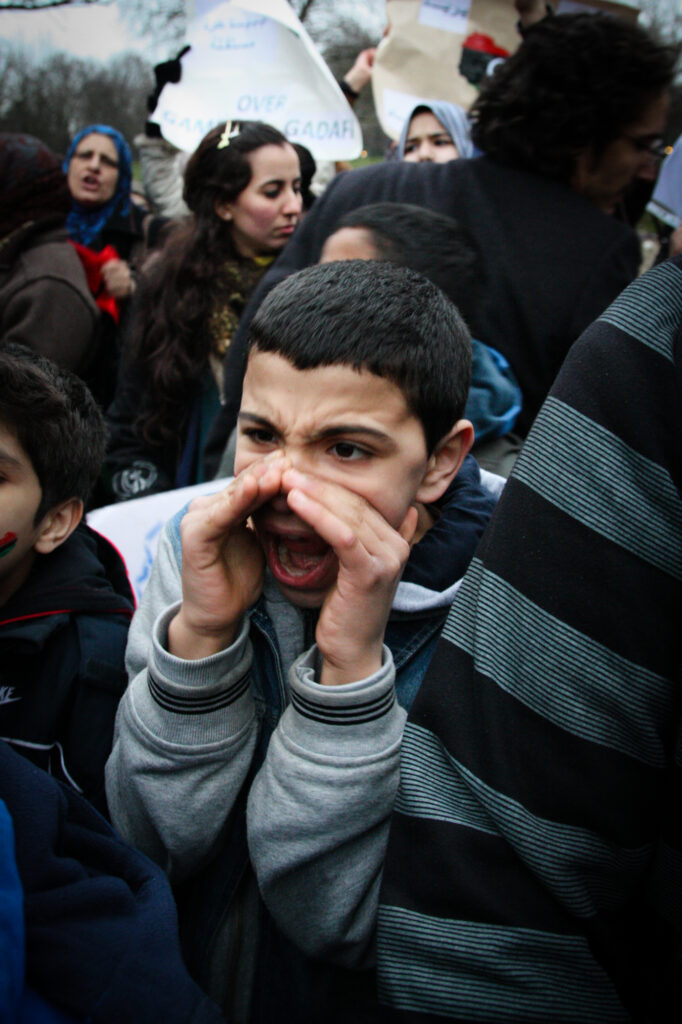
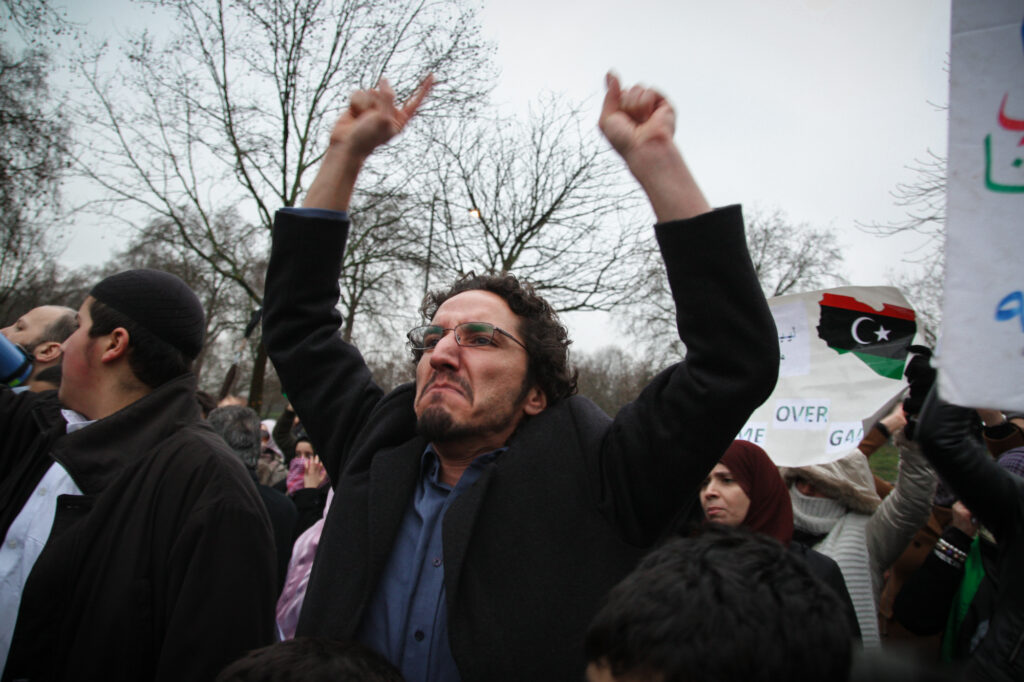
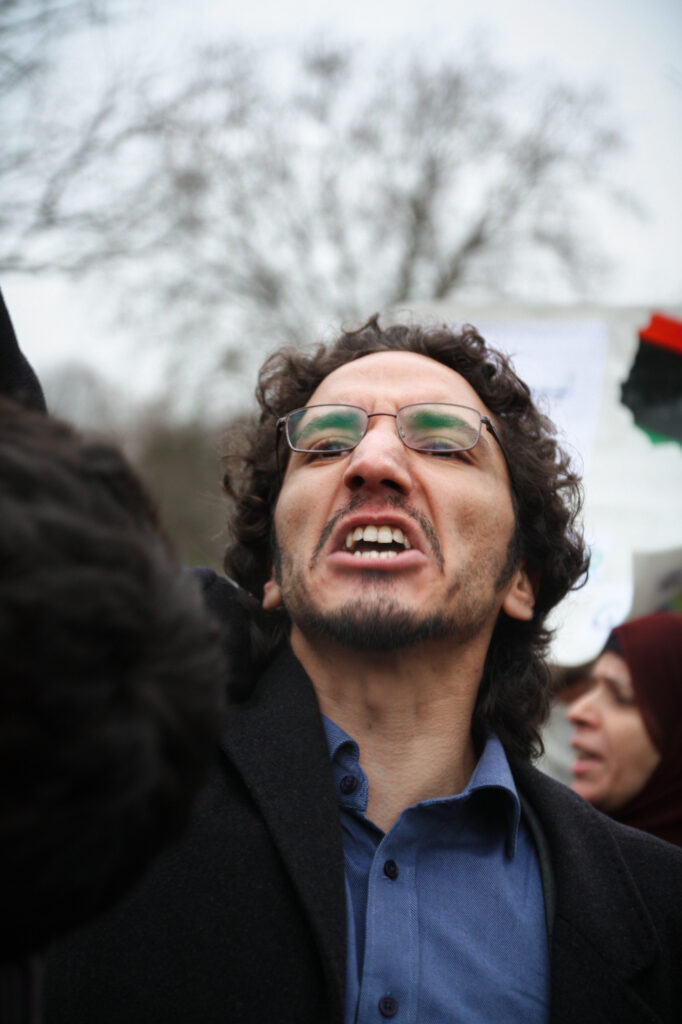
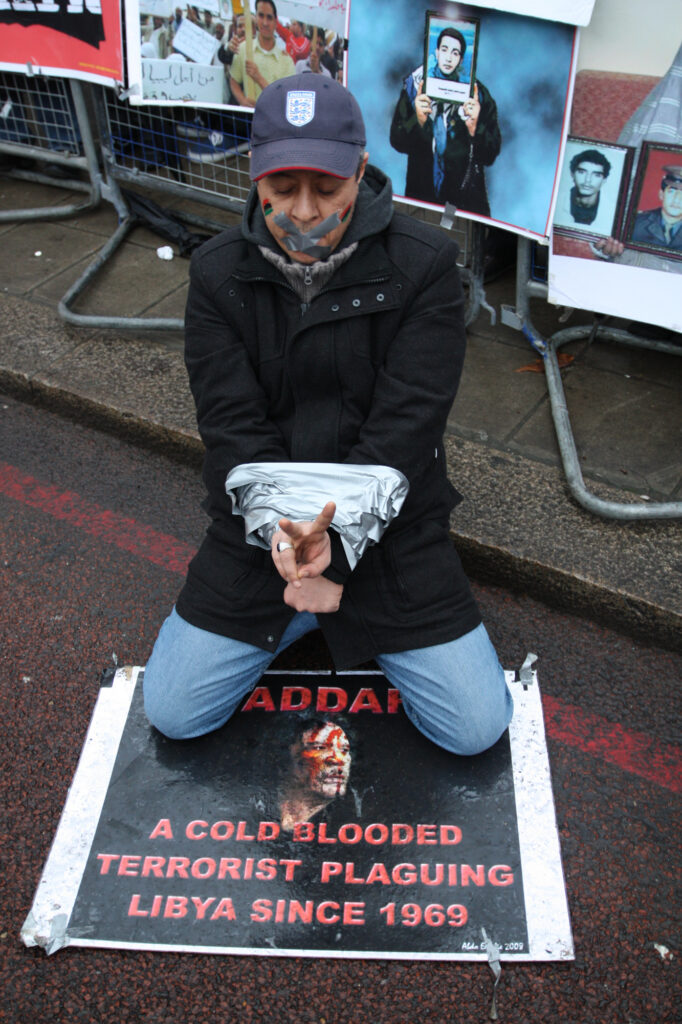
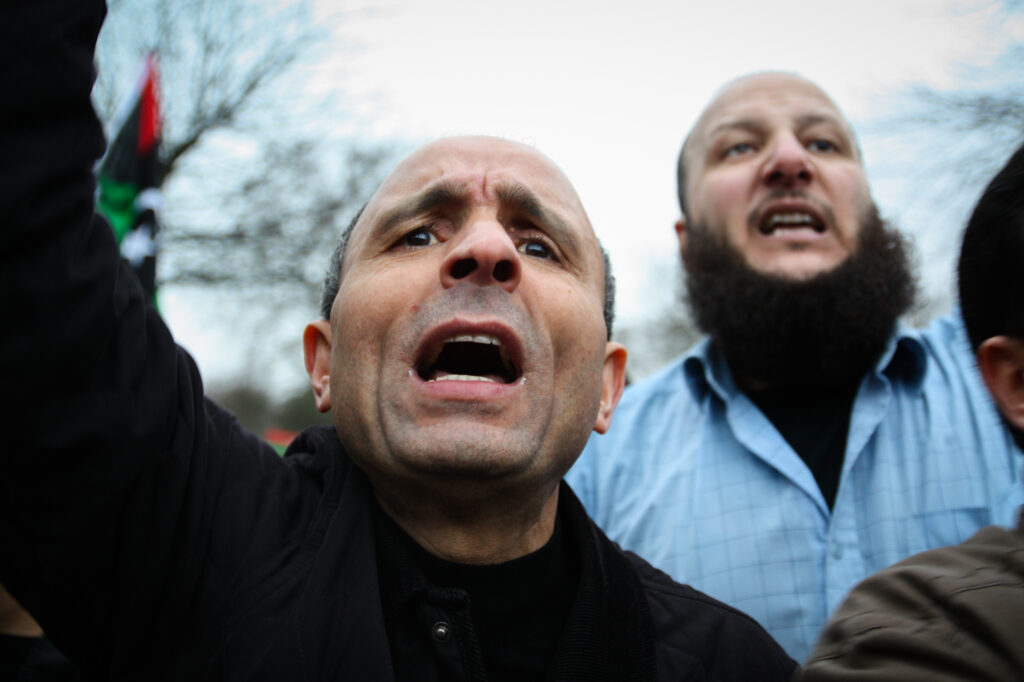
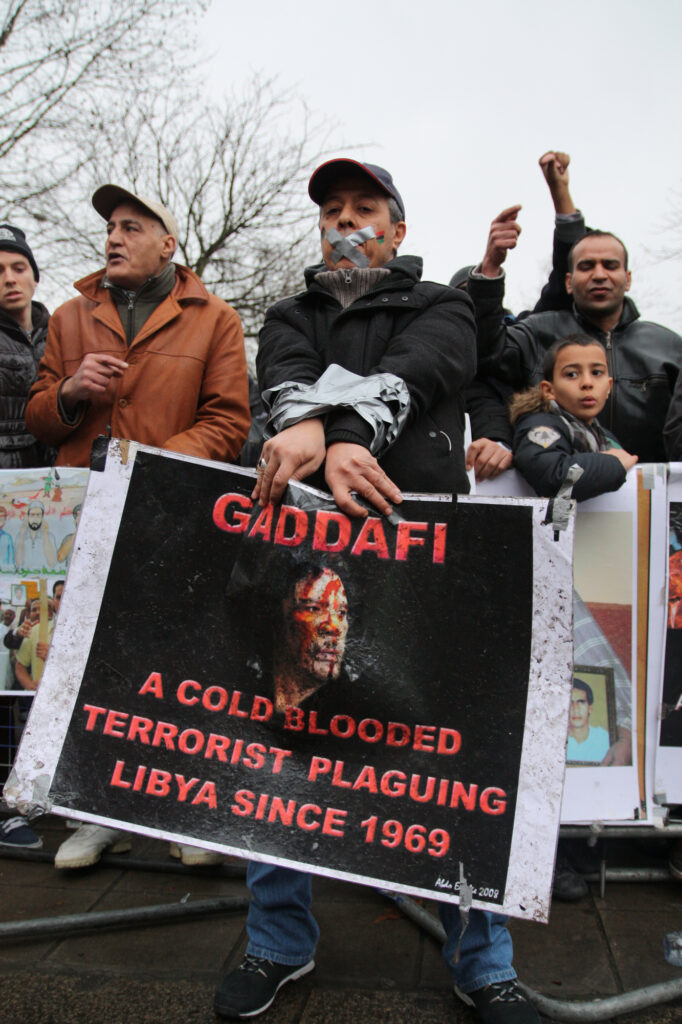
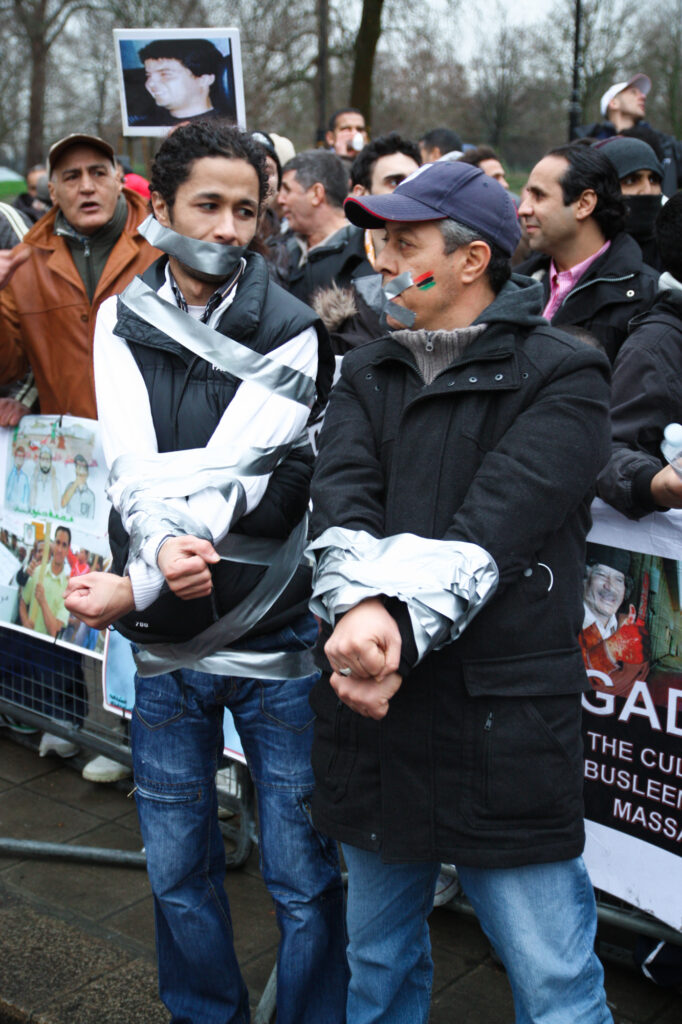
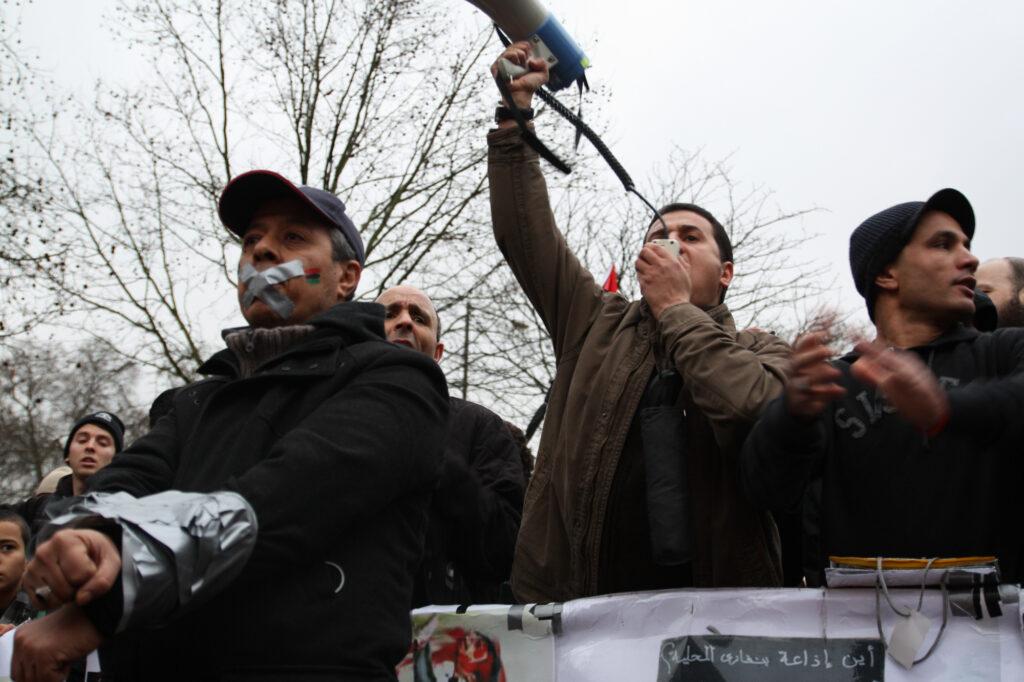
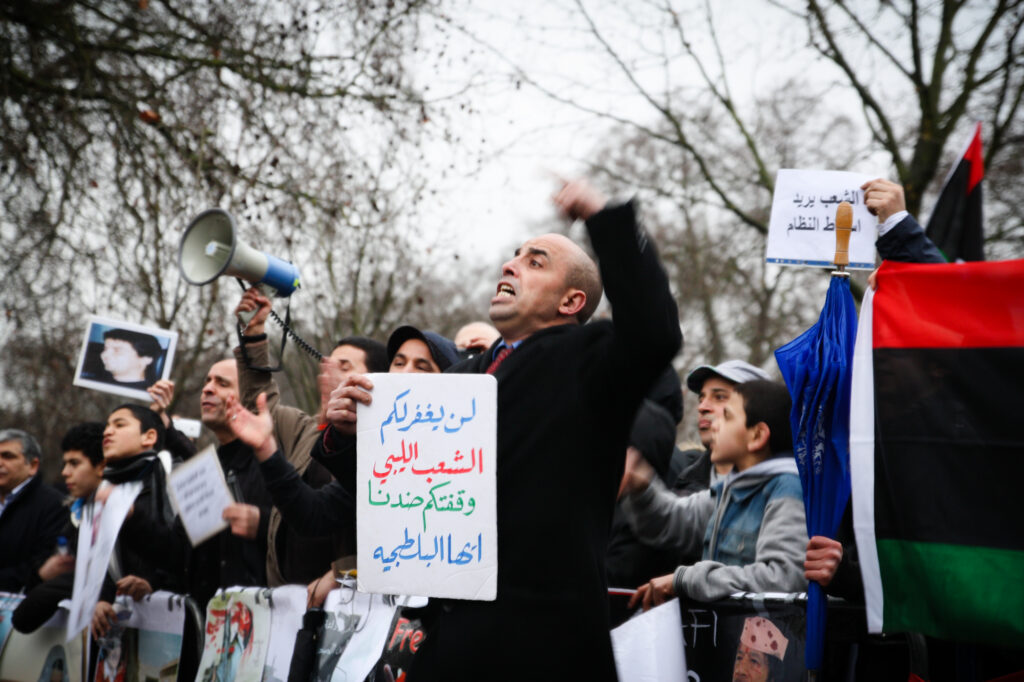
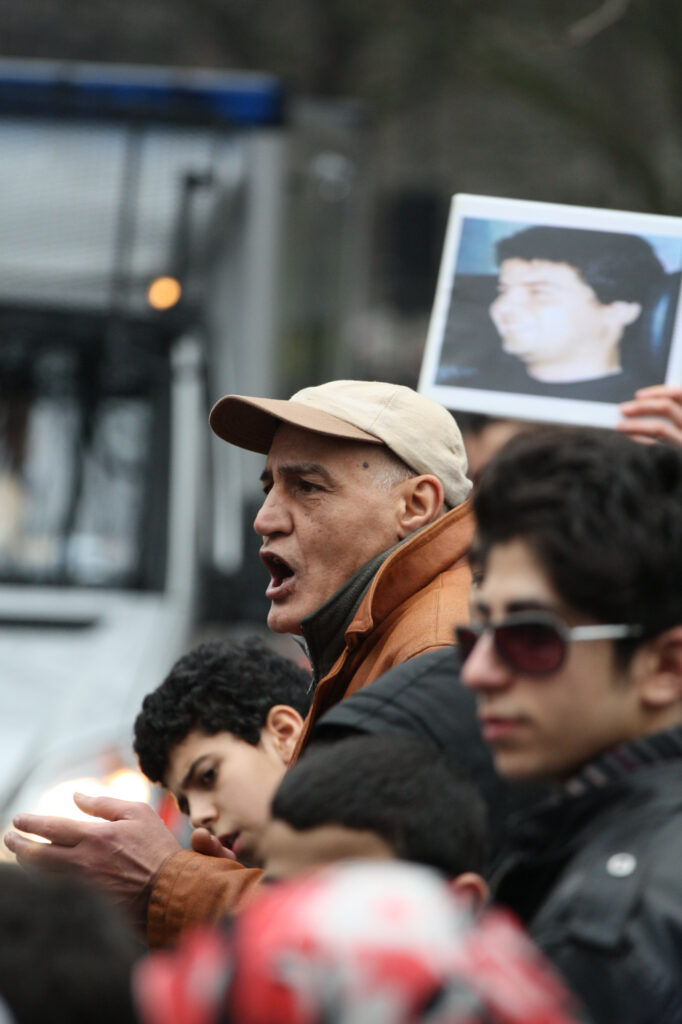
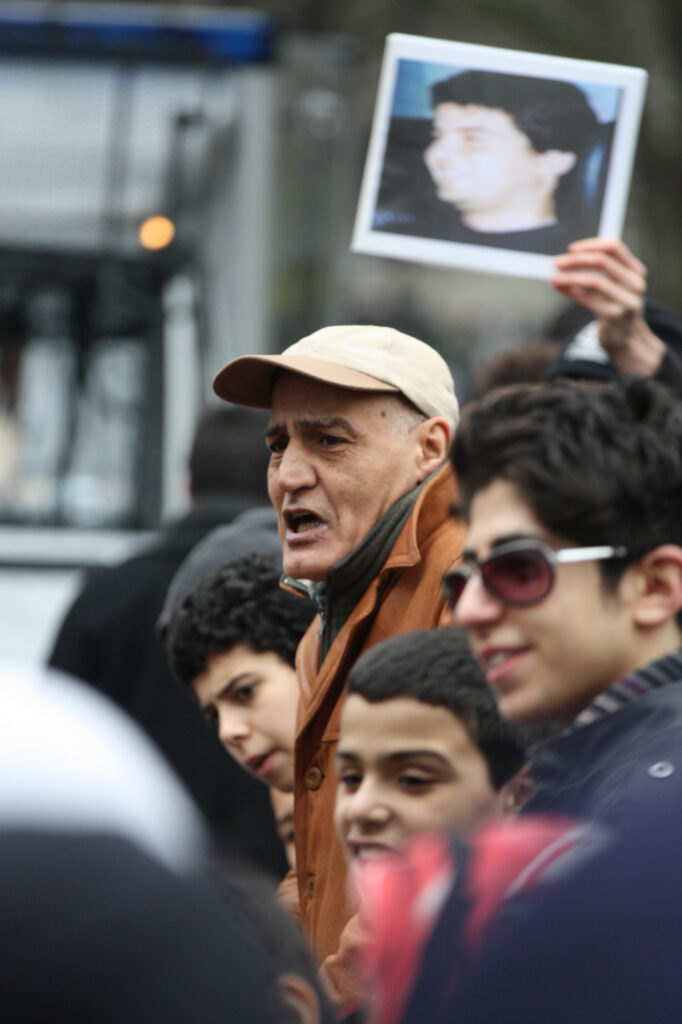
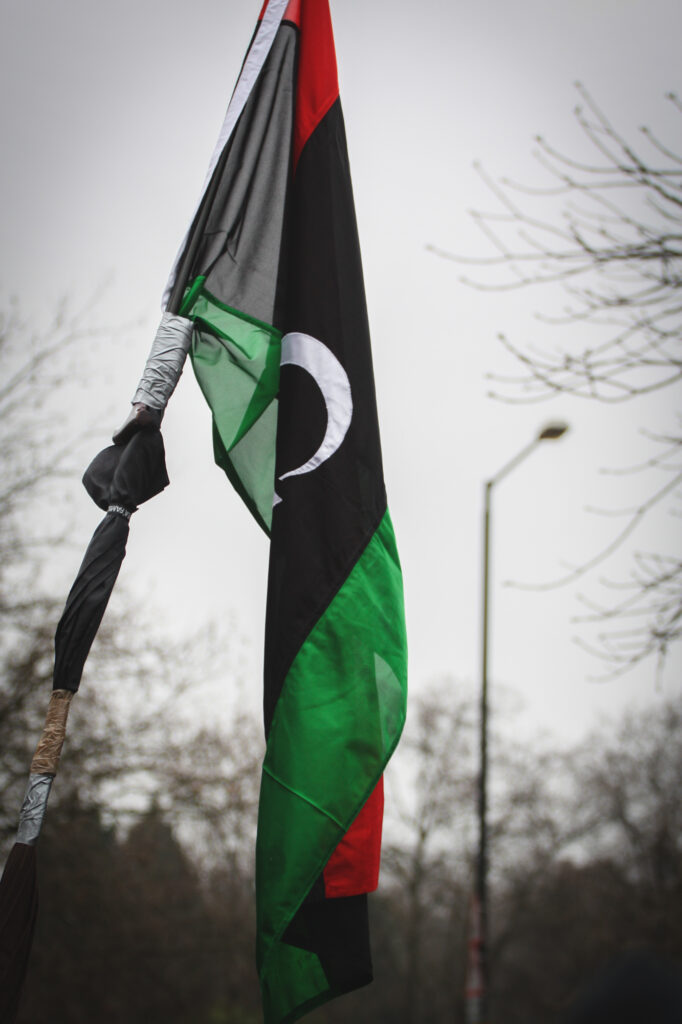
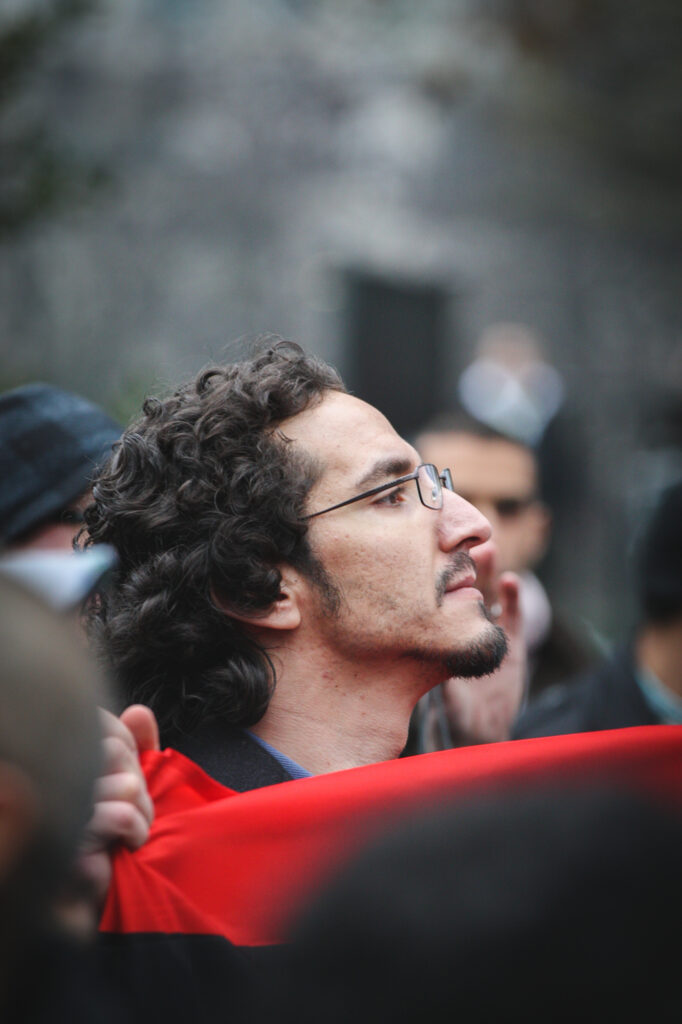
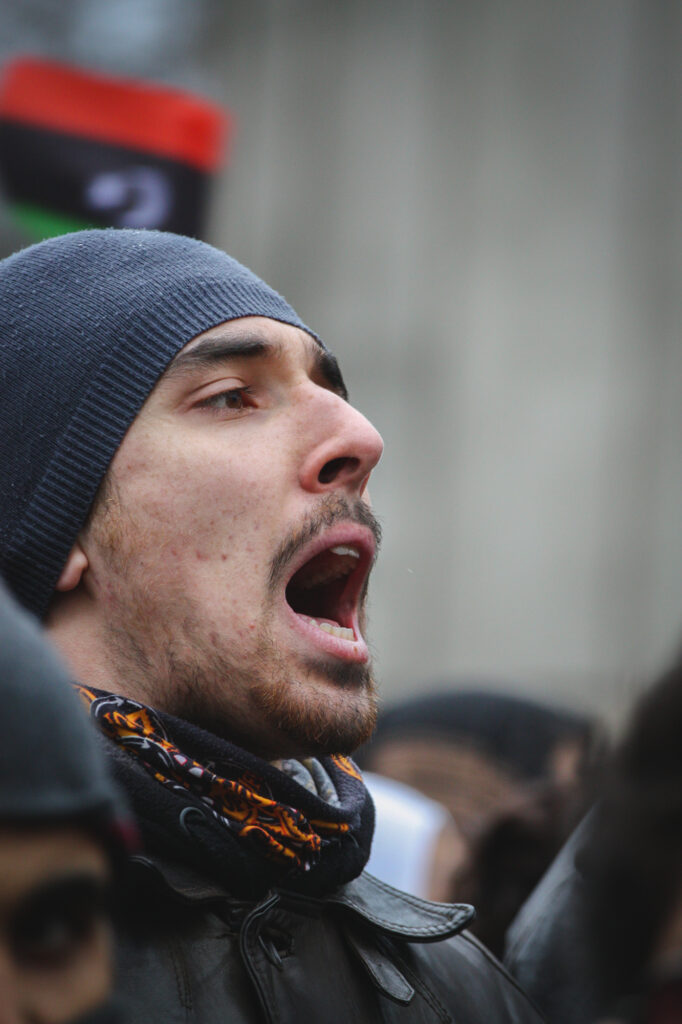
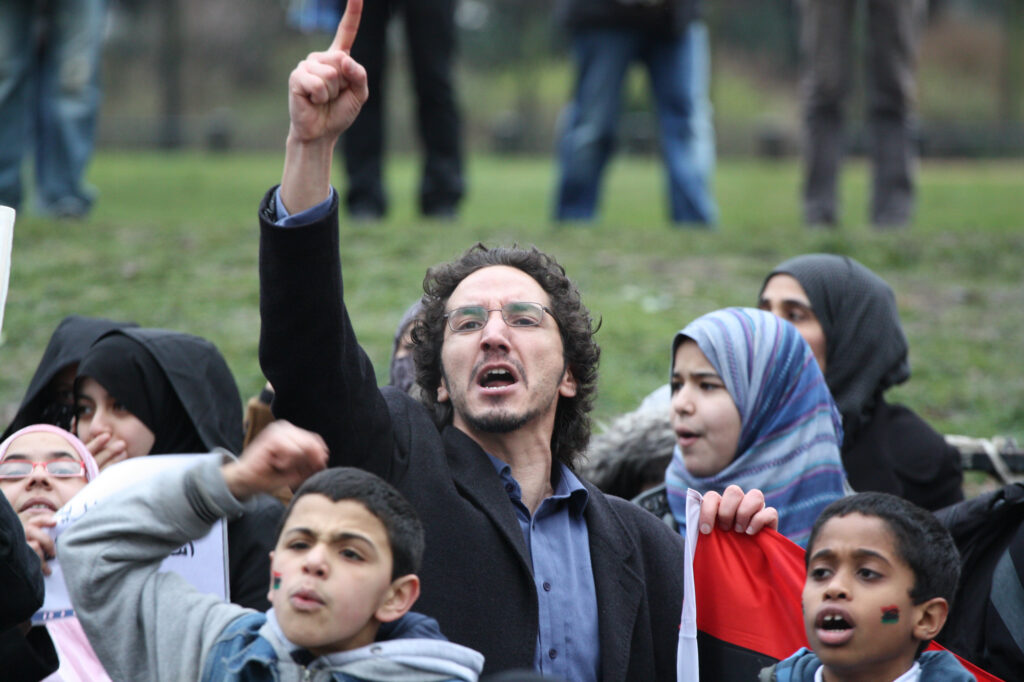
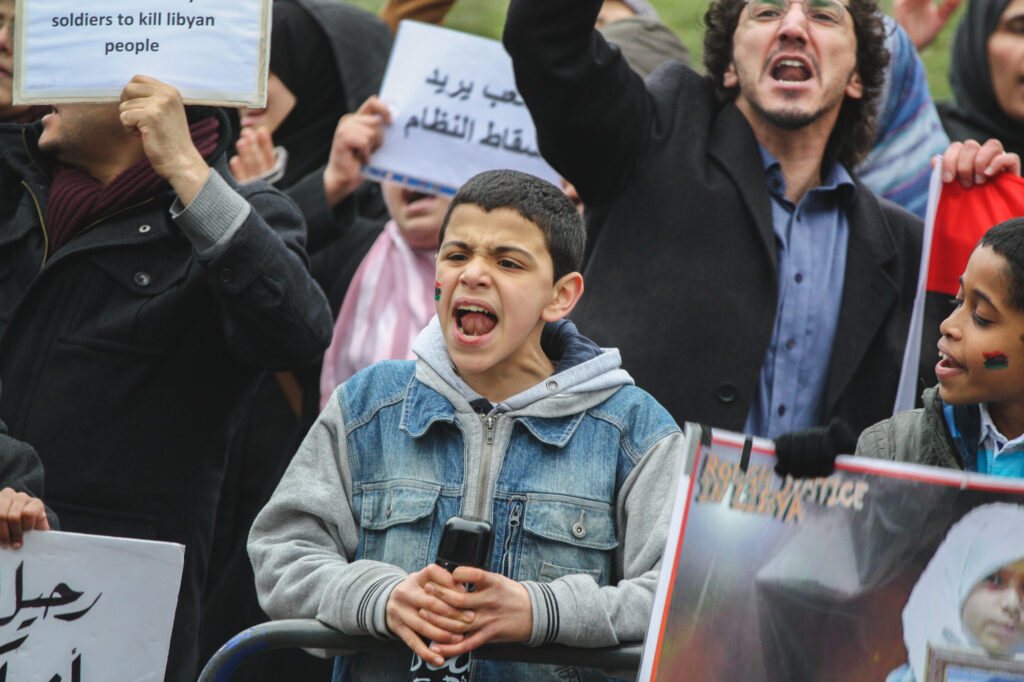
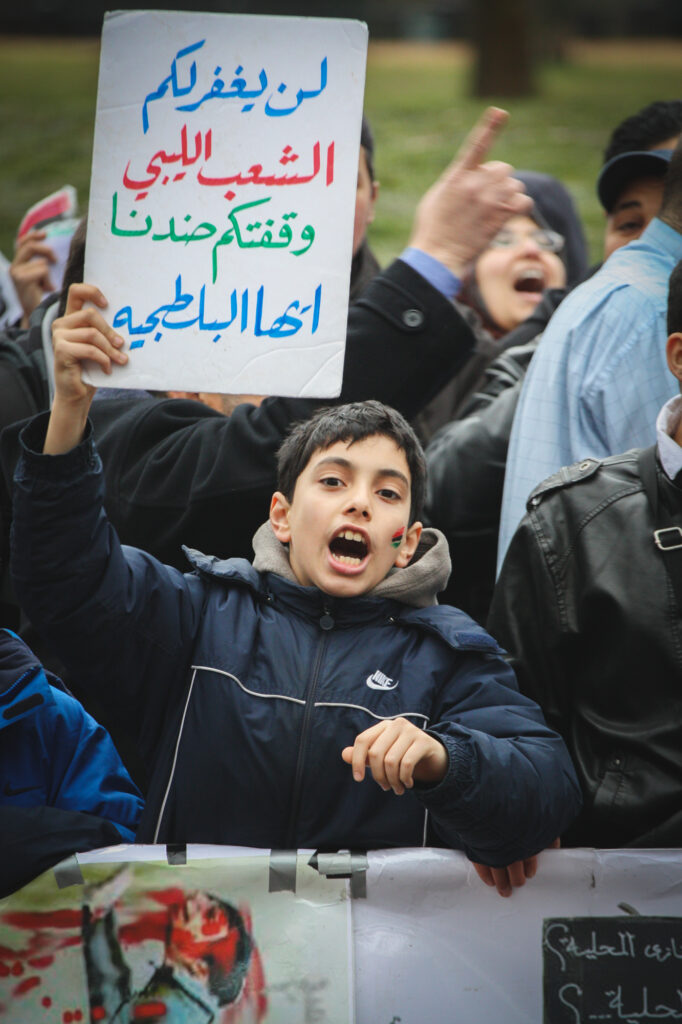
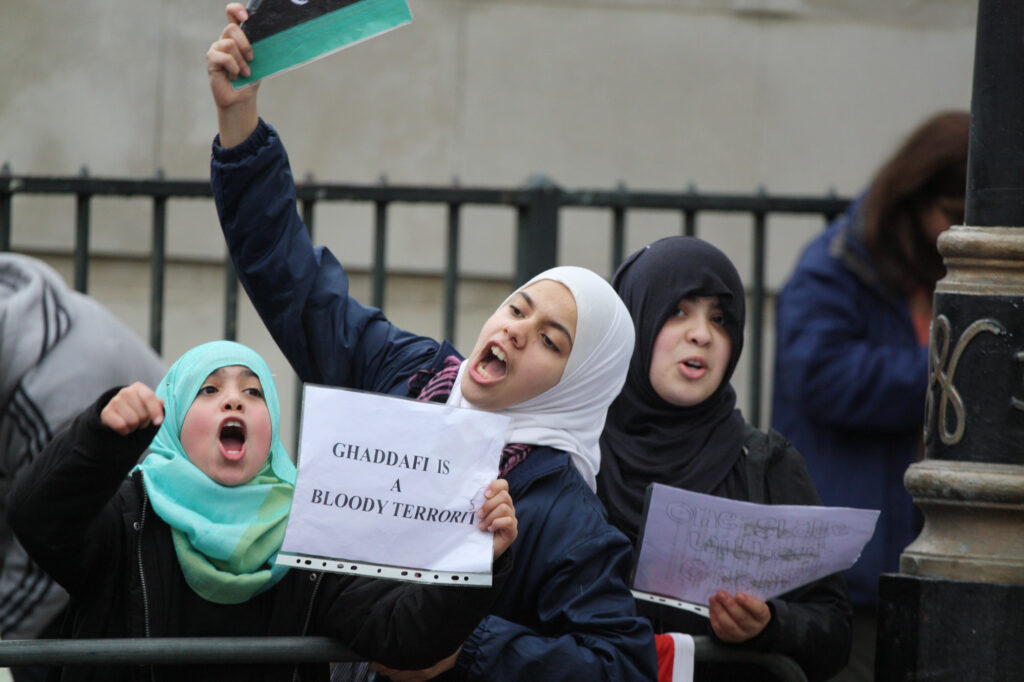
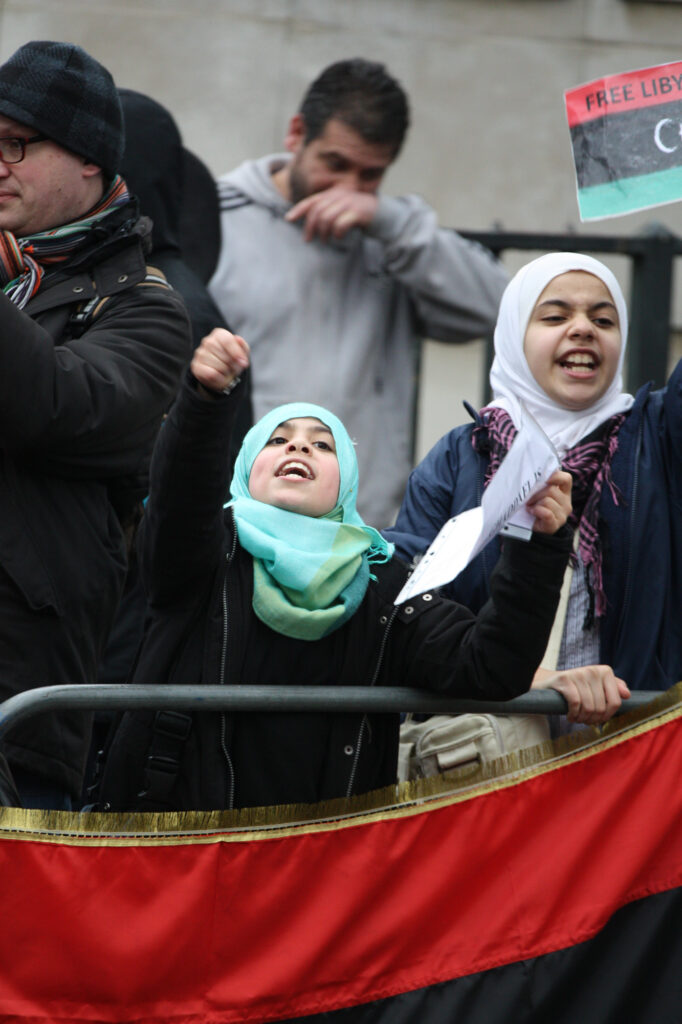
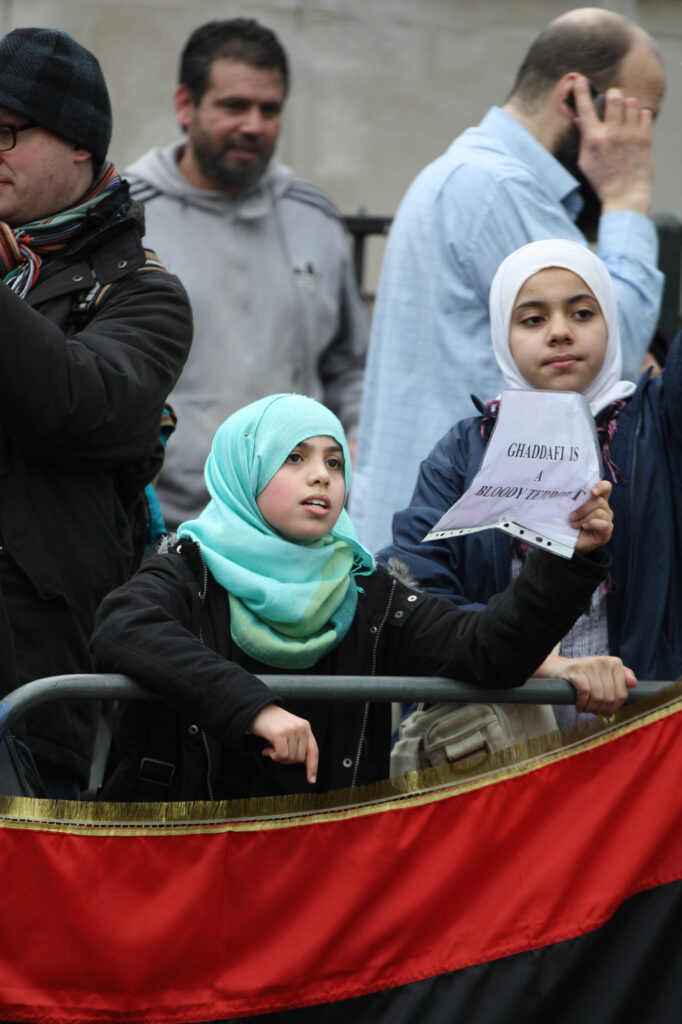
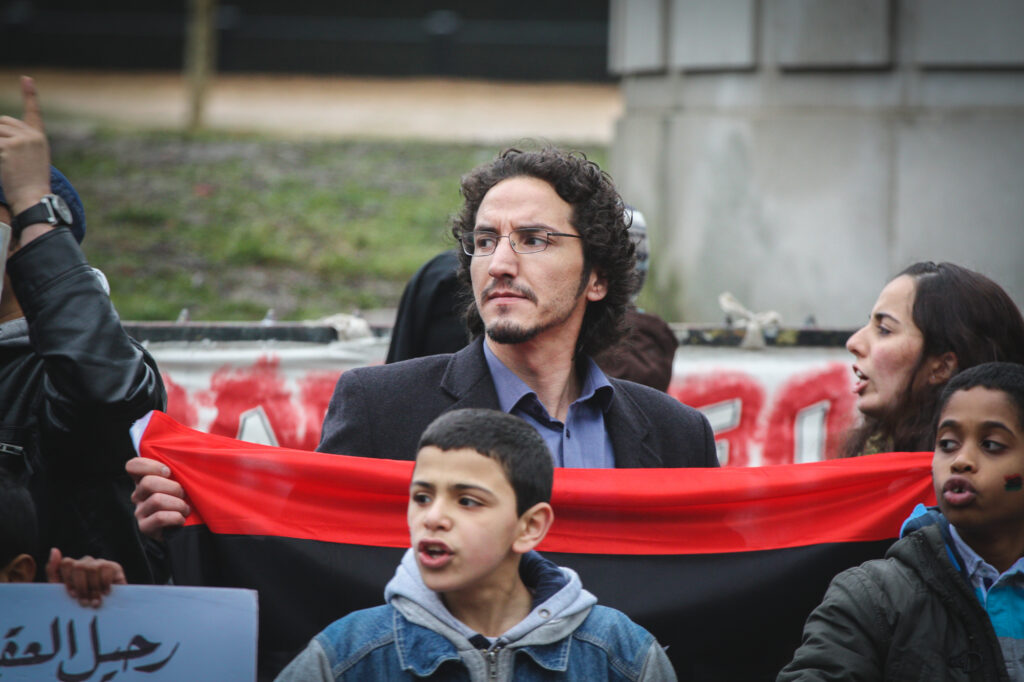
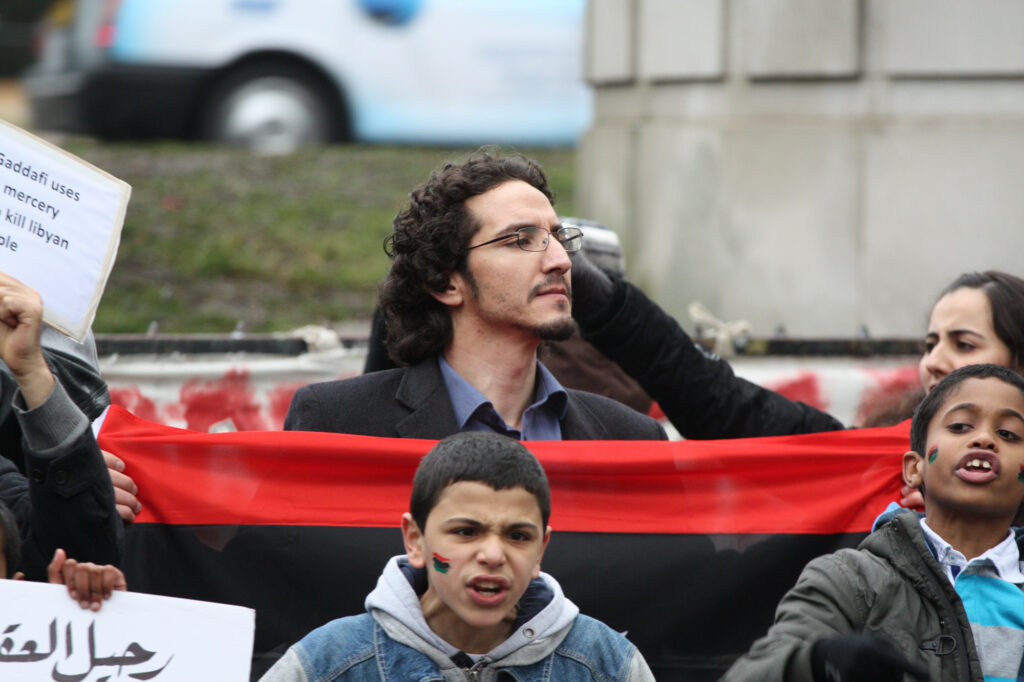
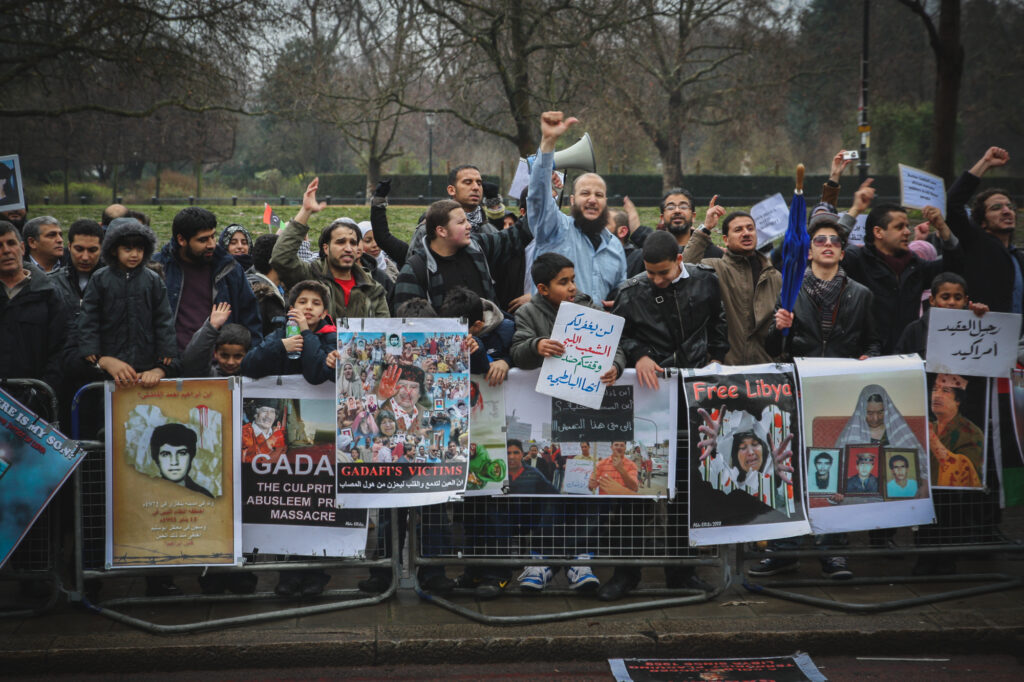
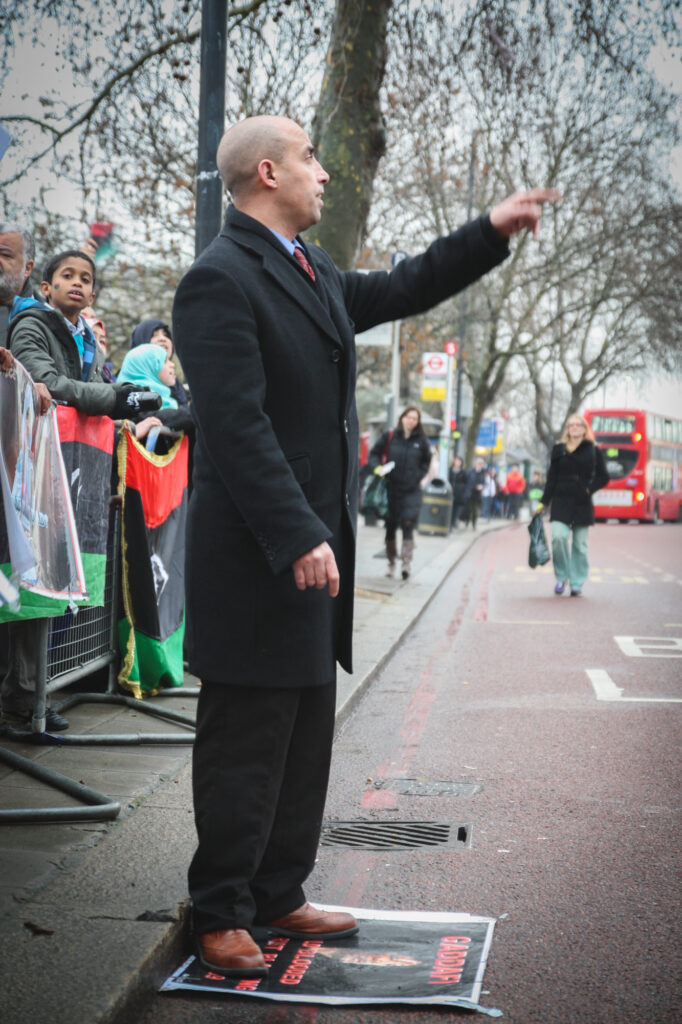
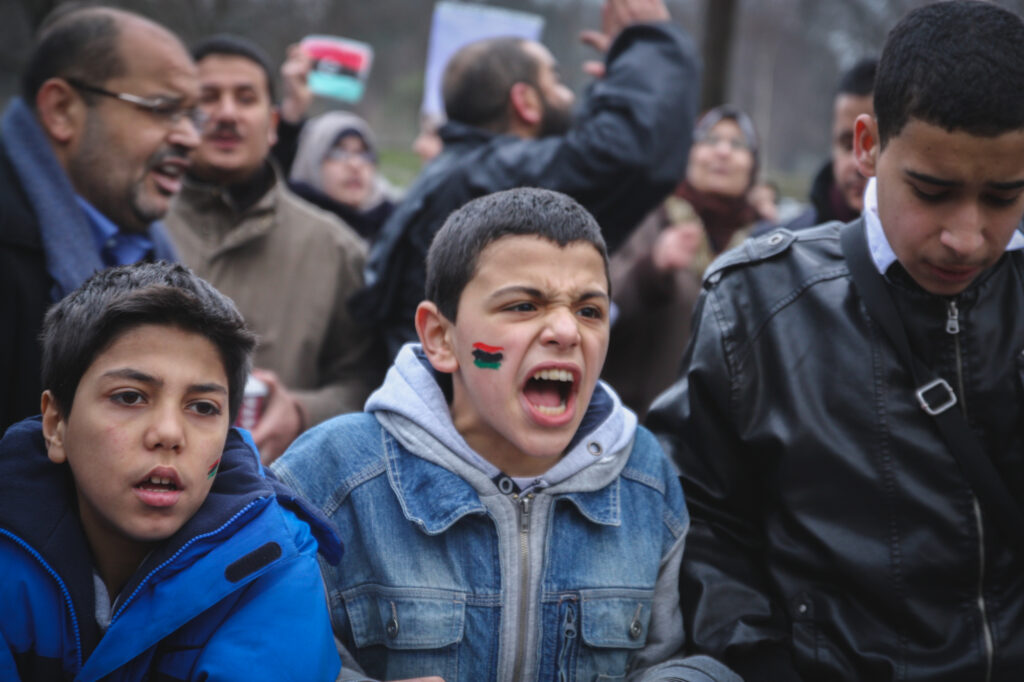
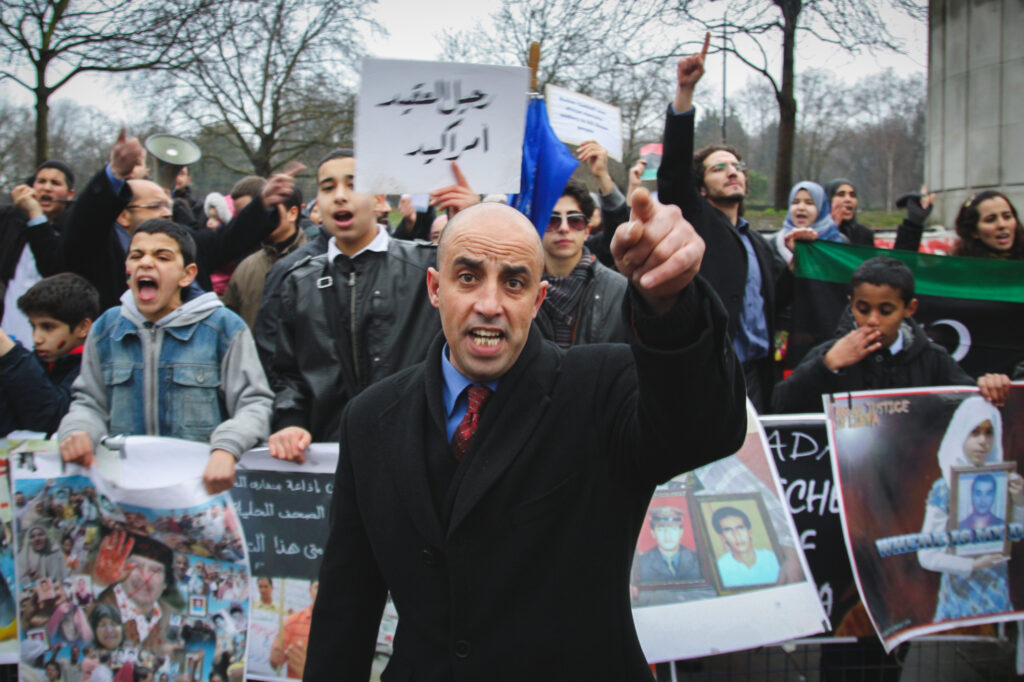
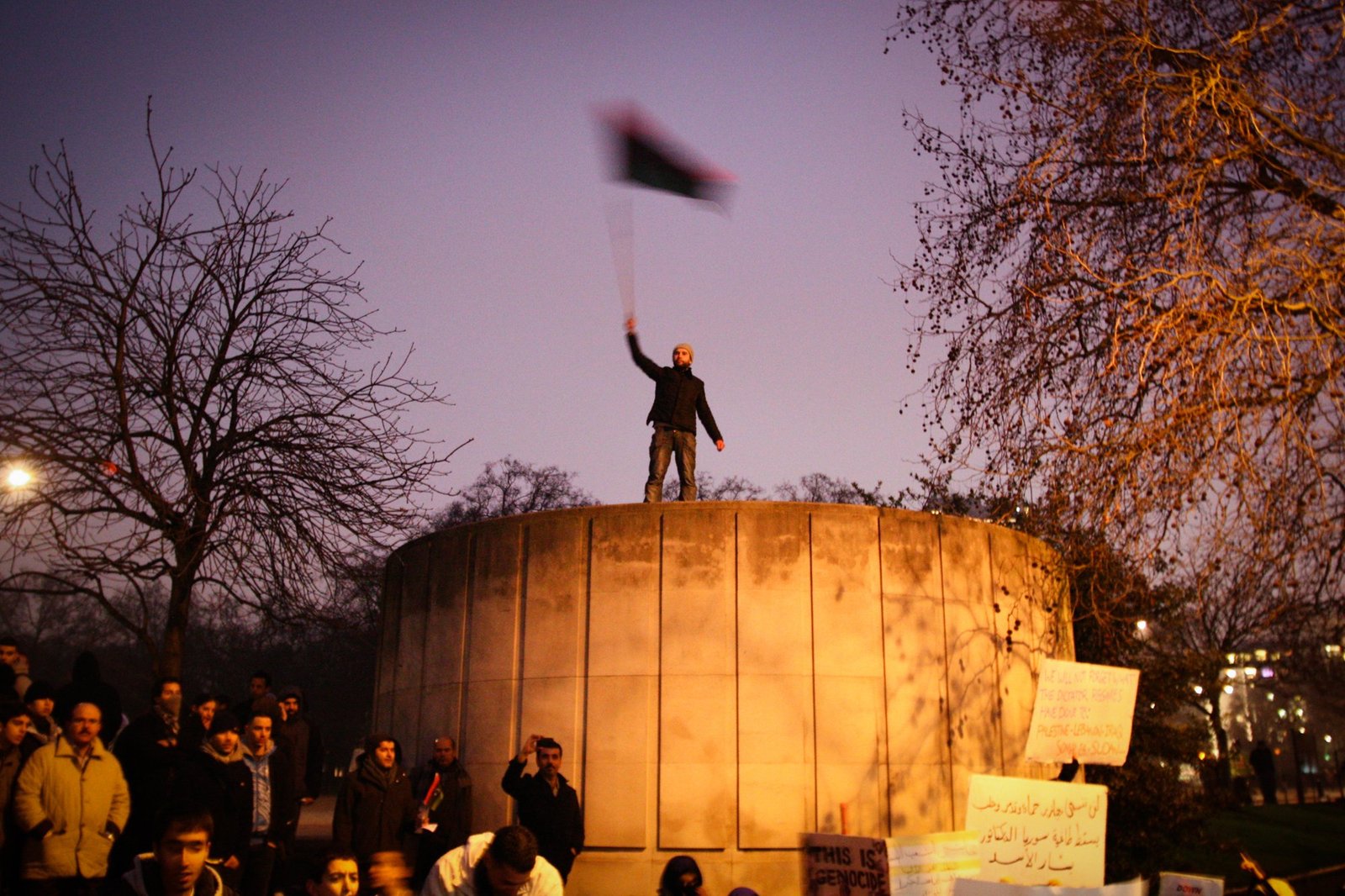
On 17 February 2011, Libya reached a historic turning point. Producing this Libya uprising documentary photography series began for me not in North Africa, but on the streets of London outside the Libyan Embassy, where early protests first erupted. As news trickled out and the situation escalated rapidly into open conflict, watching from a livestream on my phone during working hours felt incomplete. I knew that to document the true story, I needed to see the human reality on the ground with my own eyes.
I travelled to North Africa and hitchhiked across the border from Tunisia into Libya during the height of the fighting. Crossing into a country in the middle of active conflict meant leaving behind formal structures, press escorts, and predictable logistics. Moving through border towns and newly liberated territory allowed me to connect directly with everyday people whose lives had been upended overnight, capturing the real human faces standing behind the international news headlines.
Unscripted Street Photography in Active Conflict
Working inside a country undergoing complete political instability leaves no room for staged setups, complex lighting rigs, or deliberate composition. The work required a raw street photography approach, relying on quick instincts, lightweight equipment, and natural light. Every photograph was made in real time as events unfolded around us, often in conditions of extreme uncertainty and physical danger.
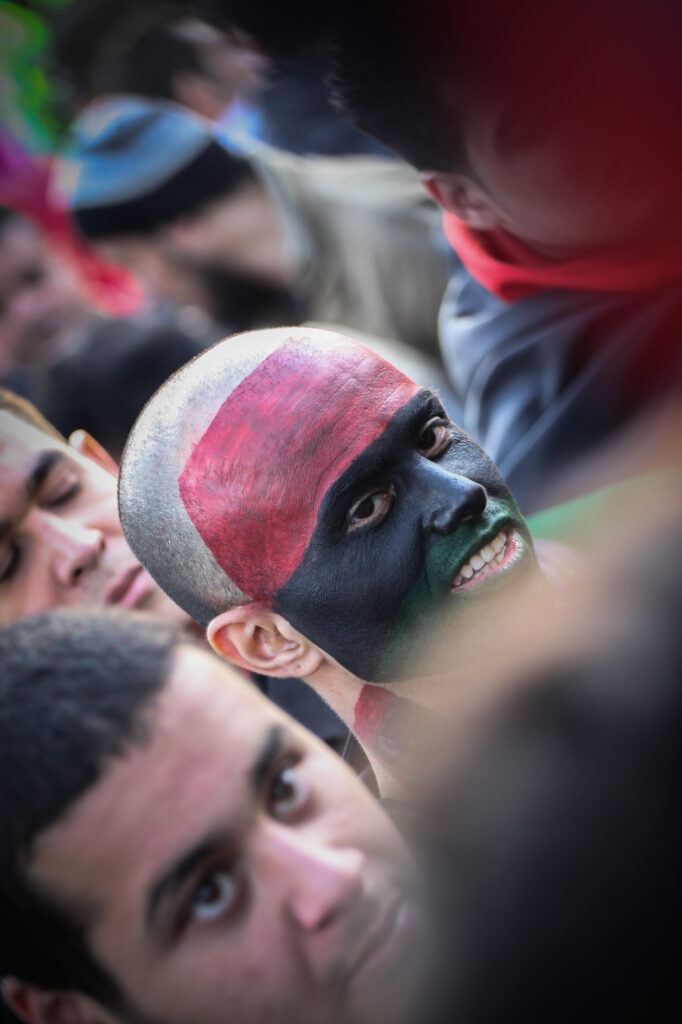
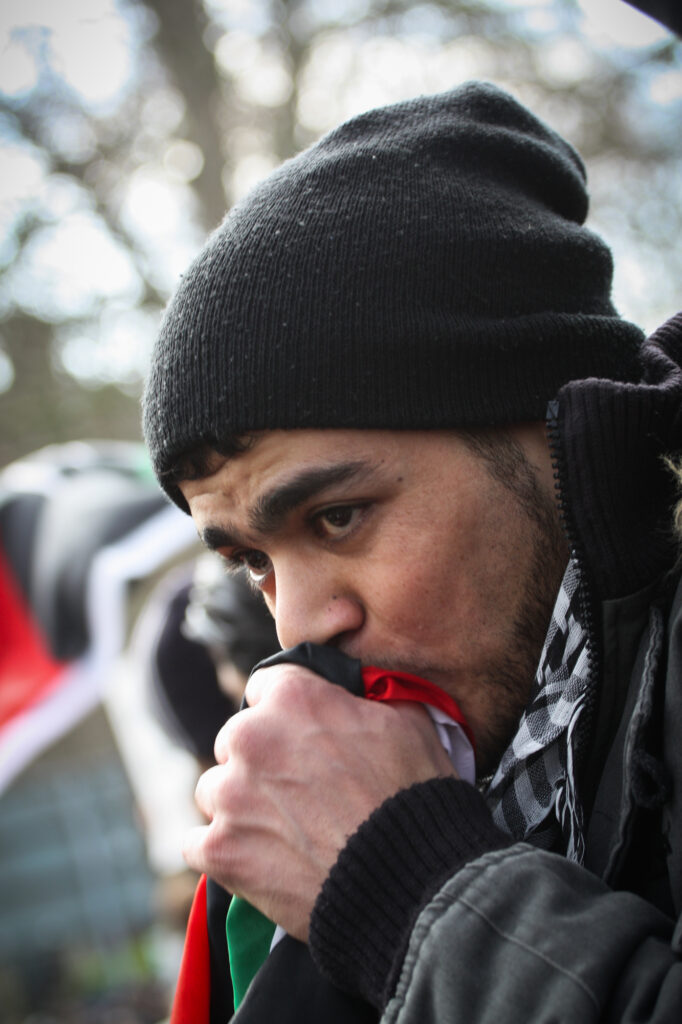
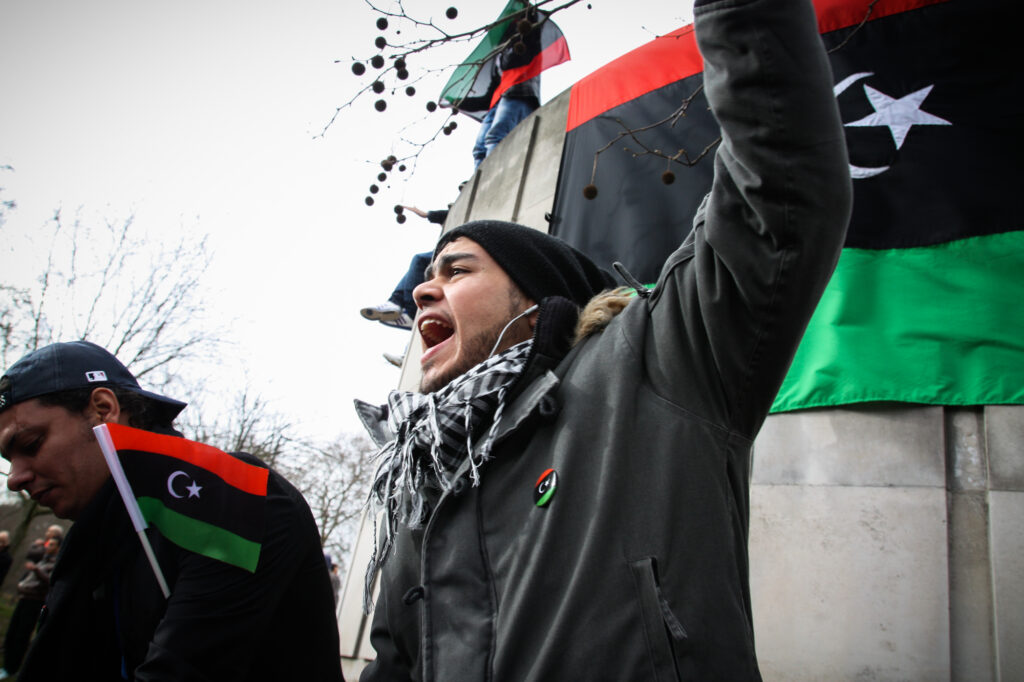
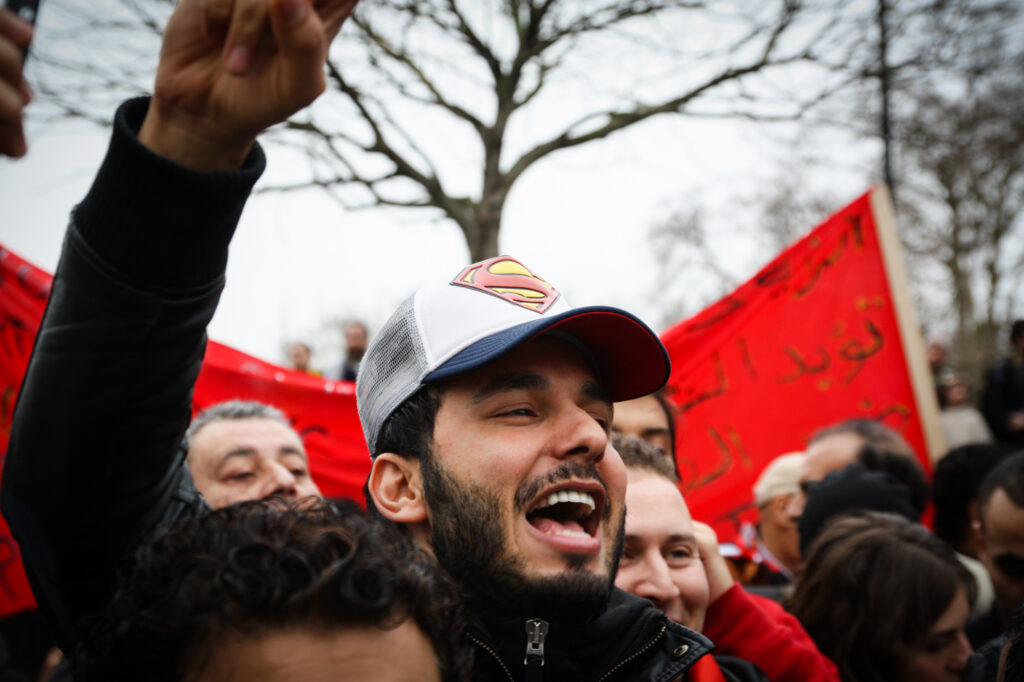
The images in this series reflect distinct emotional shifts across the early months of the revolution. They capture the sudden, intoxicating moments of hope when the eastern uprisings first took hold, as well as the exhausting grit of civilian volunteers standing guard at makeshift checkpoints. Later frames capture the quiet, heavy confusion that settled over towns following the NATO intervention, when the initial euphoria gave way to deep uncertainty about the country’s future direction.
The Duty of Care and Ethical Curation
Documenting conflict comes with an immense ethical responsibility toward the people in front of the lens. When photographing vulnerable individuals during a civil war, a photographer must weigh the historical value of an image against the potential physical harm it could cause to the subject or their family.
In curating this collection for public view, my fundamental principle has been to do no harm. I intentionally omitted numerous photographs from the final archive, including images of pro-regime supporters and identifiable individuals in sensitive situations, to protect those people from retaliation or persecution in the years that followed. Conflict photography should never be published recklessly for spectacle or shock value. The goal of this archive is to offer a quiet, respectful space for memory, contemplation, and historical reflection, rather than to spark further division.
Preserving Human Memory Beyond the Headlines
News cycles move quickly, reducing complex human struggles to brief headlines, casualty counts, and political analysis. Fine art and documentary photography play a vital role in slowing that narrative down, holding onto the personal details that would otherwise be forgotten in the rush of history.
This collection serves as a quiet record of resilience, grief, and dignity during one of the most significant political transformations in modern North African history. Take a look through the selected frames below to view the series in full.
Gallery