
Tokyo Street Photography: Side Streets & Neon
Tokyo Street Photography: Uncovering the Hidden Side Streets
A photographic study documenting Tokyo’s dual nature, contrasting neon-lit expressways with silent back alleys and orderly urban movement.
The Architectural Scale of a Vertical Metropolis
Approaching Tokyo street photography requires adapting to an environment constructed on an almost unimaginable vertical scale. Tokyo rarely spreads outward in a simple horizontal pattern; instead, it stacks itself skyward and underground in complex, interlocking layers. Multi-level expressways weave between high-rise office towers, while train tracks bisect commercial districts on elevated concrete piers. Standing at ground level, you find yourself looking up through a dense grid of steel, glass, and glowing signage that filters the sunlight into narrow shafts.
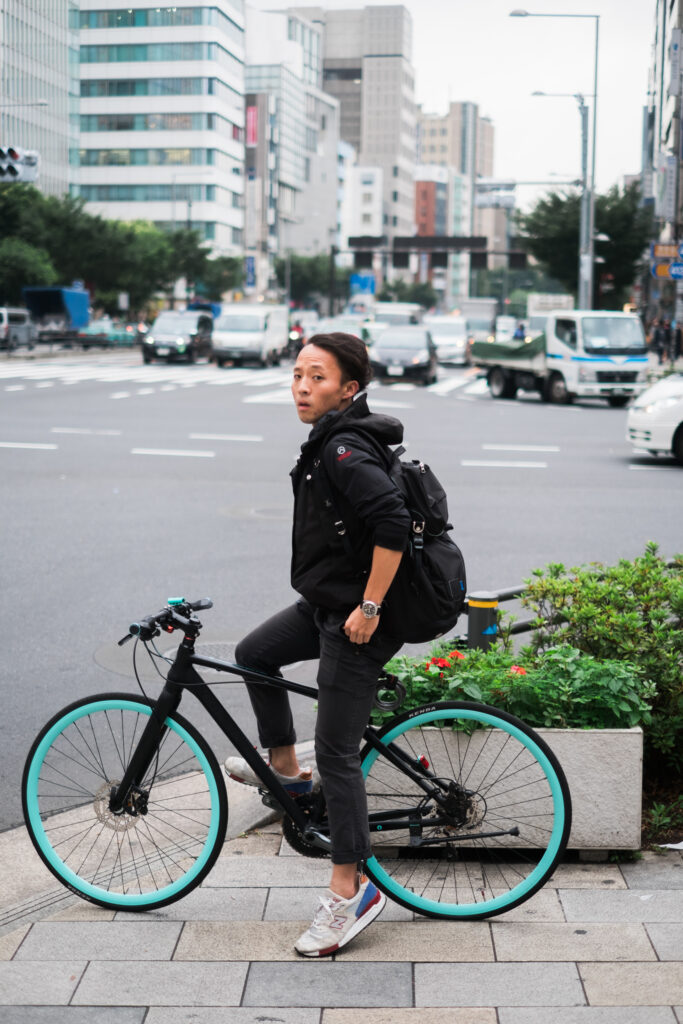
Photographing this built environment reveals a city operating as a hyper-modern machine. Vast concrete infrastructure supports millions of daily commutes, yet the sheer volume of high-density architecture never feels entirely hostile. The geometric chaos of tangled overhead power lines, illuminated neon billboards, and footbridges creates a distinct visual rhythm. Capturing these massive structures alongside the human presence at their base establishes the sheer scale of Japan’s capital, setting up the contrast between the overwhelming grand vision of the city and its quiet, intimate ground-level realities.
Precision and Movement in Dense Urban Spaces
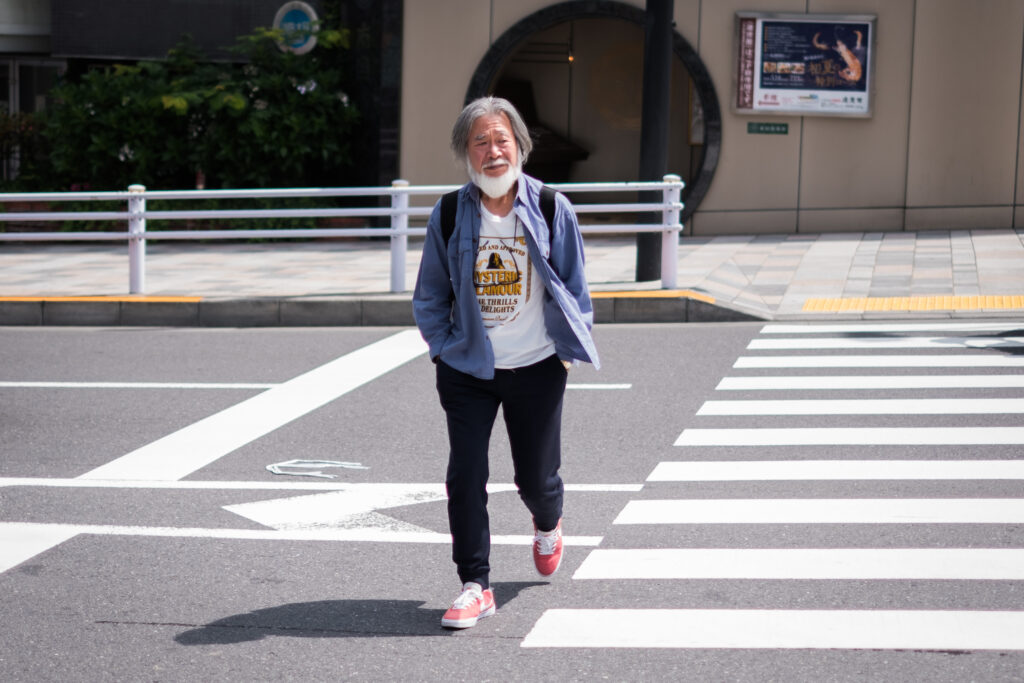
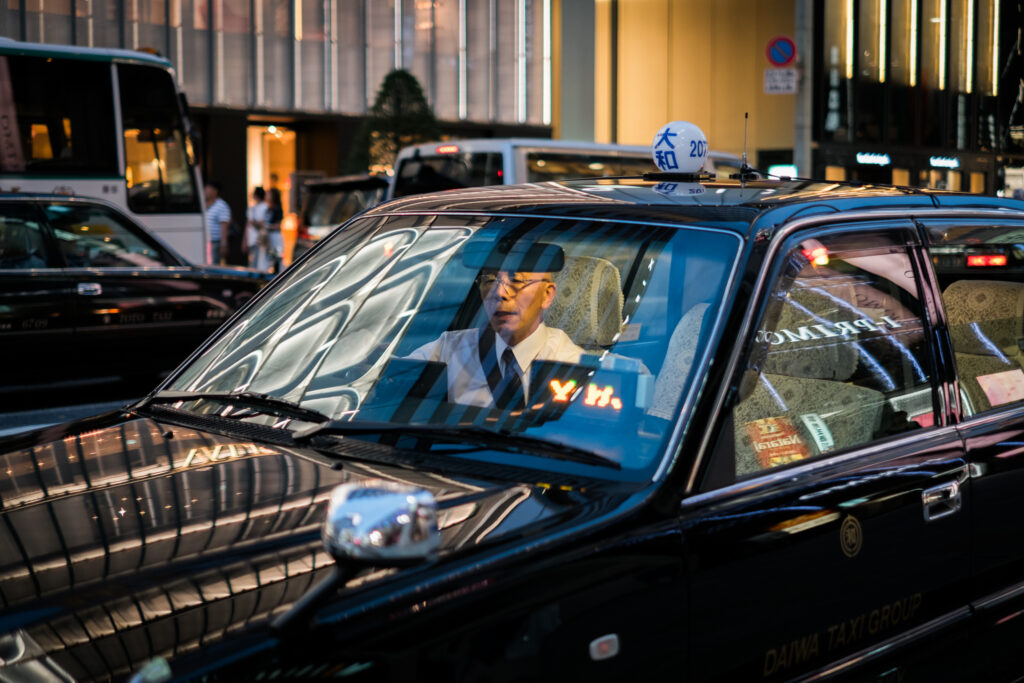
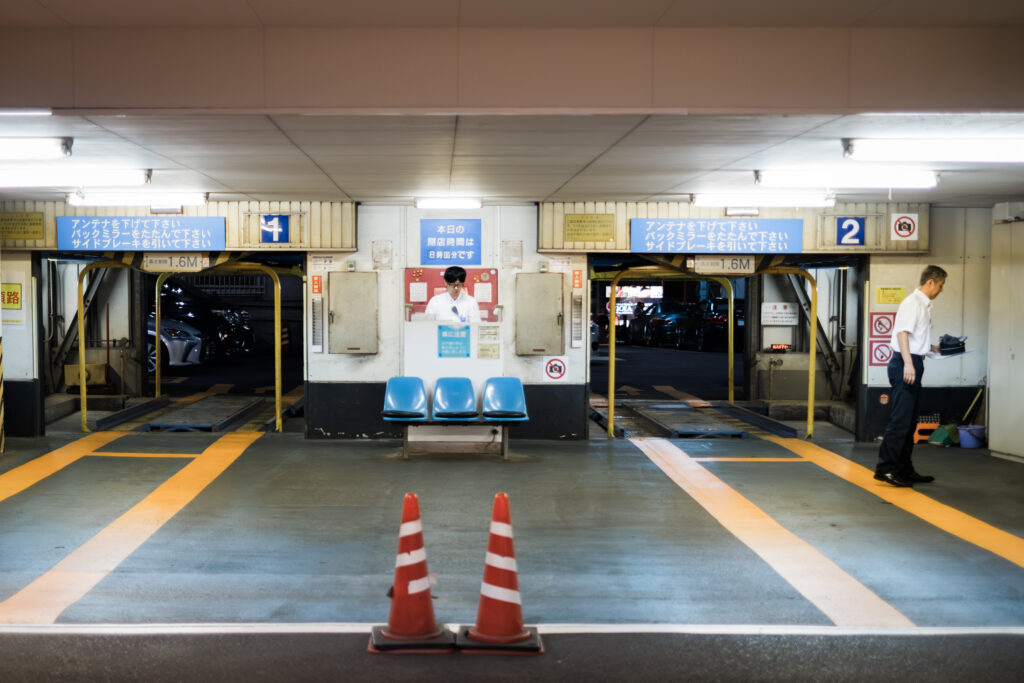
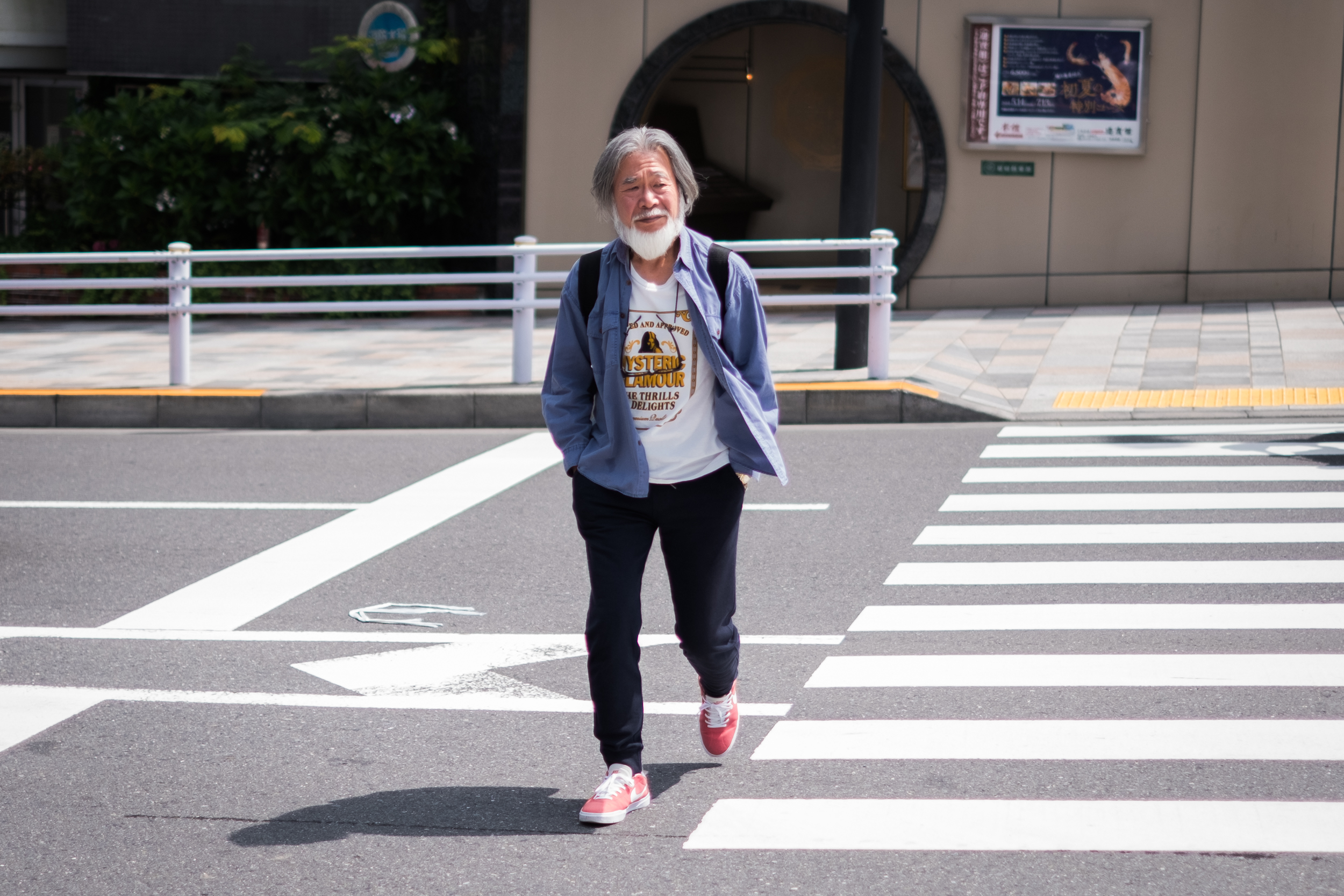
Despite the crushing population density of the world’s largest urban area, the movement of human traffic across Tokyo follows an extraordinarily orderly flow. Navigating major pedestrian intersections like Shibuya Crossing or the bustling ticket barriers of Shinjuku Station presents a remarkable display of collective spatial awareness. Thousands of commuters cross paths simultaneously, moving in tight formation without colliding or creating friction.
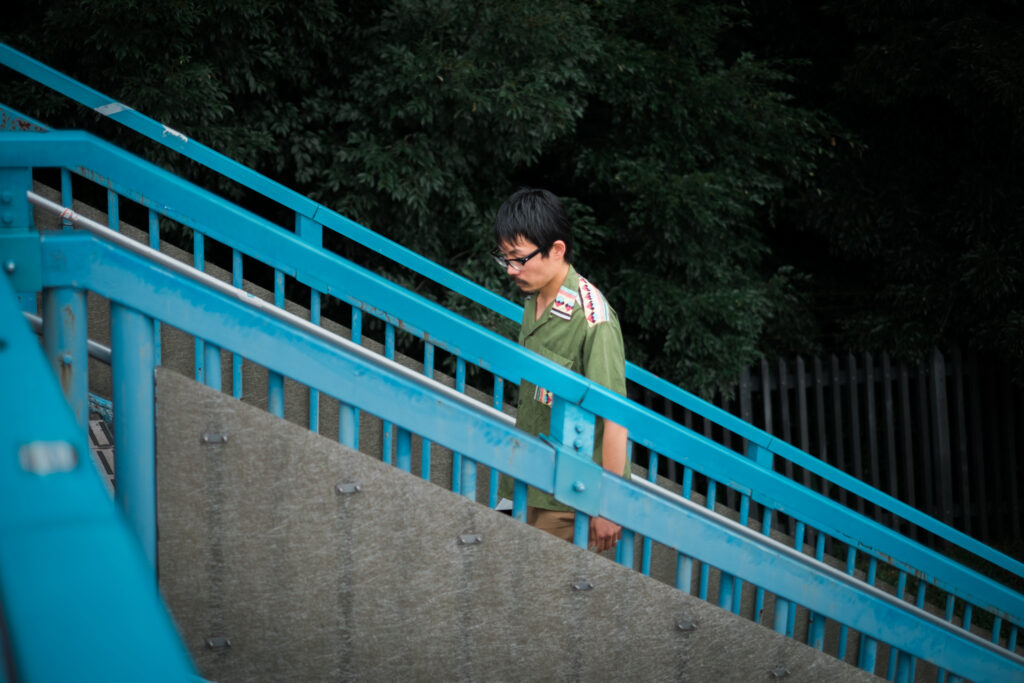
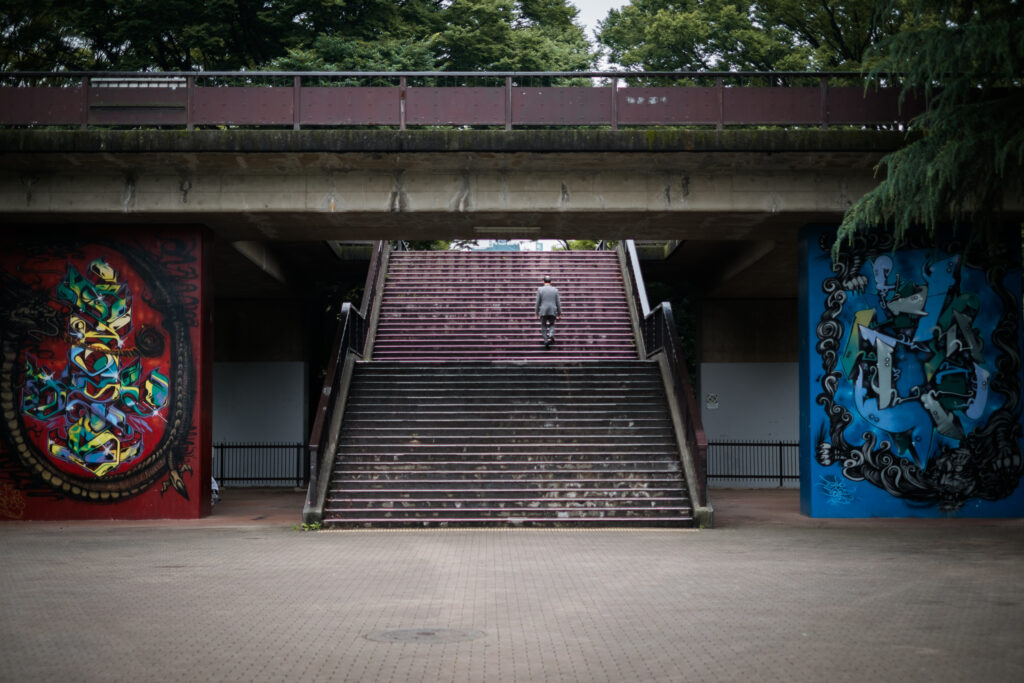
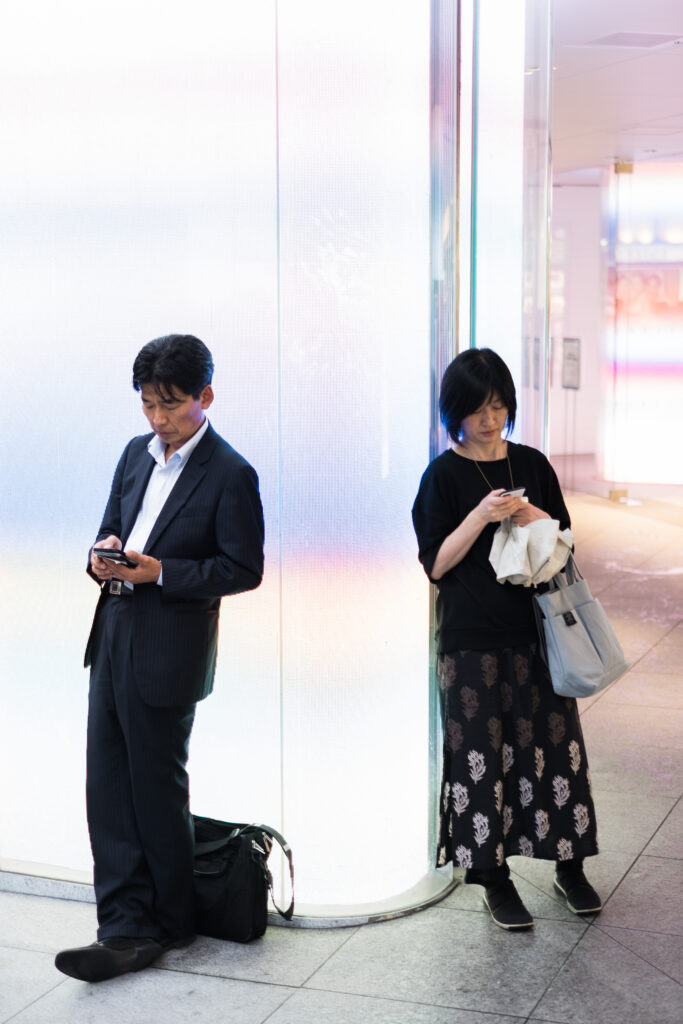
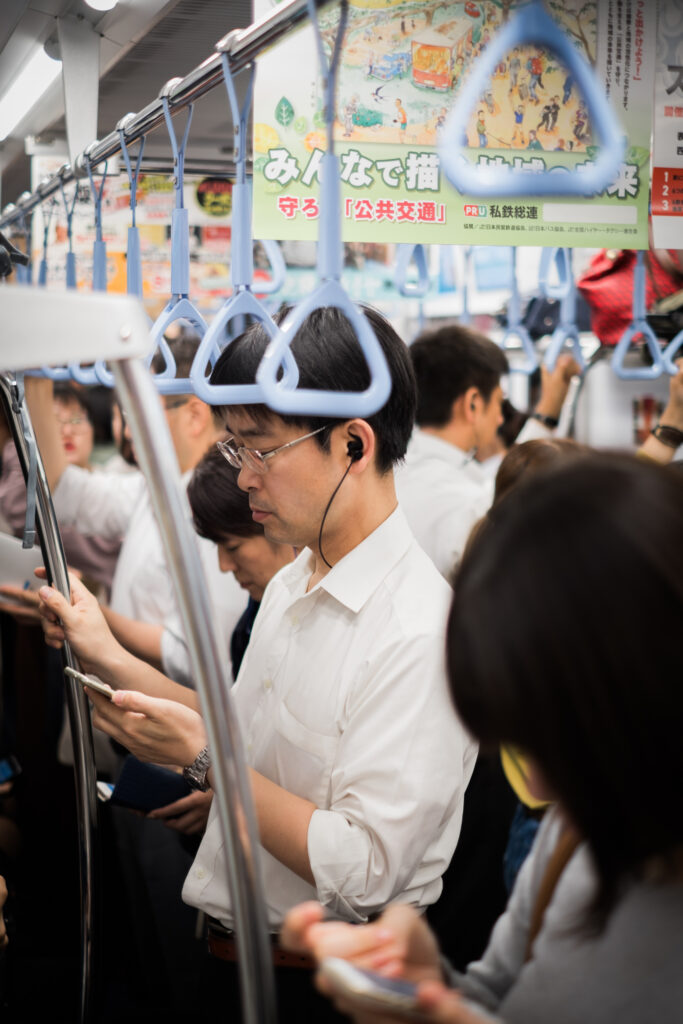
Rather than capturing chaotic urban stress, the camera records an intentional, fluid choreography. Pedestrians move with quiet efficiency, waiting patiently for signals and keeping to designated walking lanes on crowded stairwells. This disciplined collective rhythm gives the city its unique atmosphere. Photographing commuters as they glide through glowing train stations and rain-slicked crosswalks highlights a culture that balances immense personal density with deep mutual respect for shared public space.
Abrupt Transitions into Silent Side Streets
The most striking visual element of Tokyo is how rapidly its sensory noise falls away. A single step off a blinding, multi-lane avenue filled with traffic roar and shop loudspeakers can instantly deposit you into a completely silent side alley. These narrow corridors, known locally as yokocho, feel entirely removed from the surrounding modern metropolis.
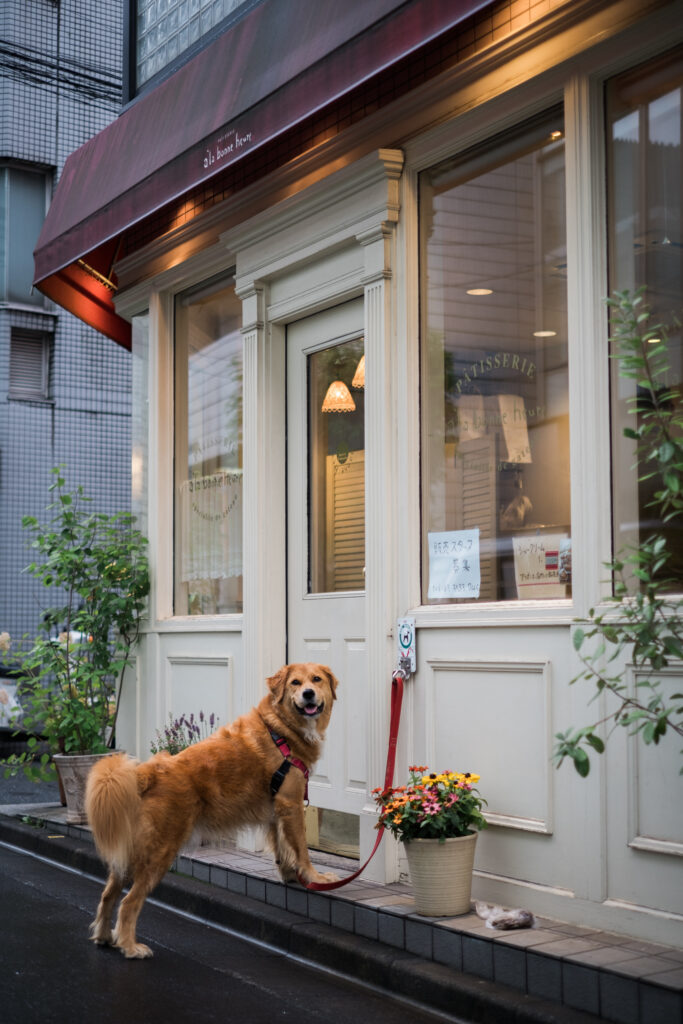
In these residential backstreets, the scale drops immediately to a deeply human level. Garages and doorways open directly onto paved paths too narrow for cars. Small wooden izakayas with glowing red paper lanterns sit alongside private homes where potted plants line the doorstep. The ambient noise of the city fades into gentle domestic sounds: a bicycle bell ringing in the distance, the sizzle of food cooking behind a sliding screen, or quiet conversation over tea. Photographing these sudden spatial shifts highlights Tokyo’s ability to preserve quiet, slow-paced sanctuary right in the shadow of major commercial hubs.
A Constellation of Self-Contained Villages
Beyond its global reputation as a futuristic playground, Tokyo functions fundamentally as a collection of quiet, self-contained villages bound together by an efficient rail network. Neighbourhoods like Yanaka, Kagurazaka, and Daikanyama each maintain their own distinct pace, architectural character, and daily rituals. Local shrines sit tucked between apartment blocks, serving as quiet neighbourhood anchors where residents pause briefly during their morning walk.
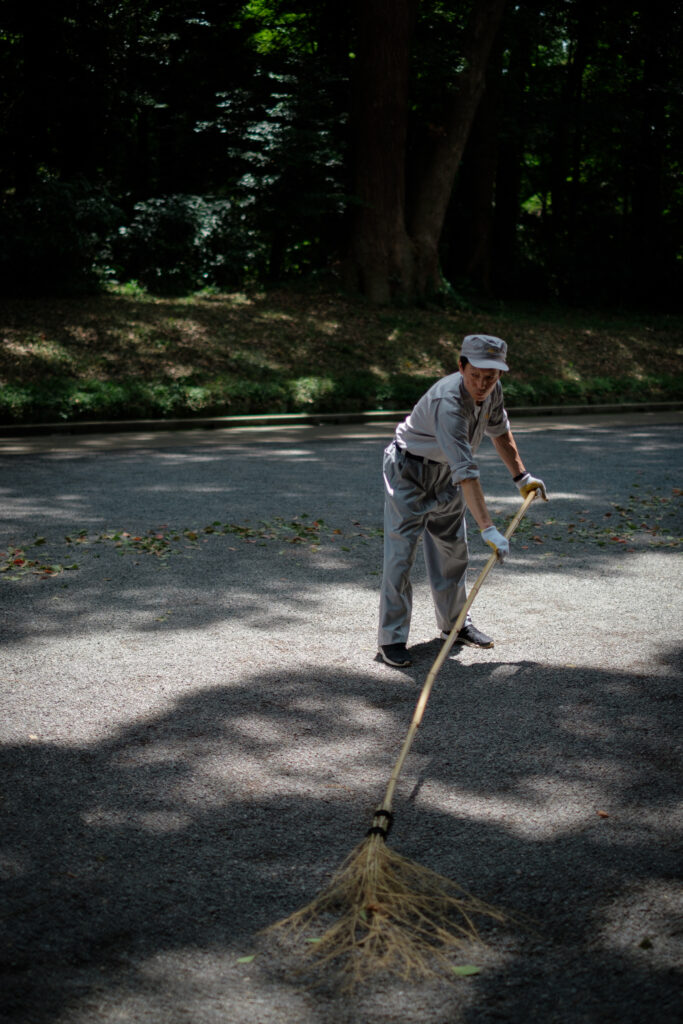
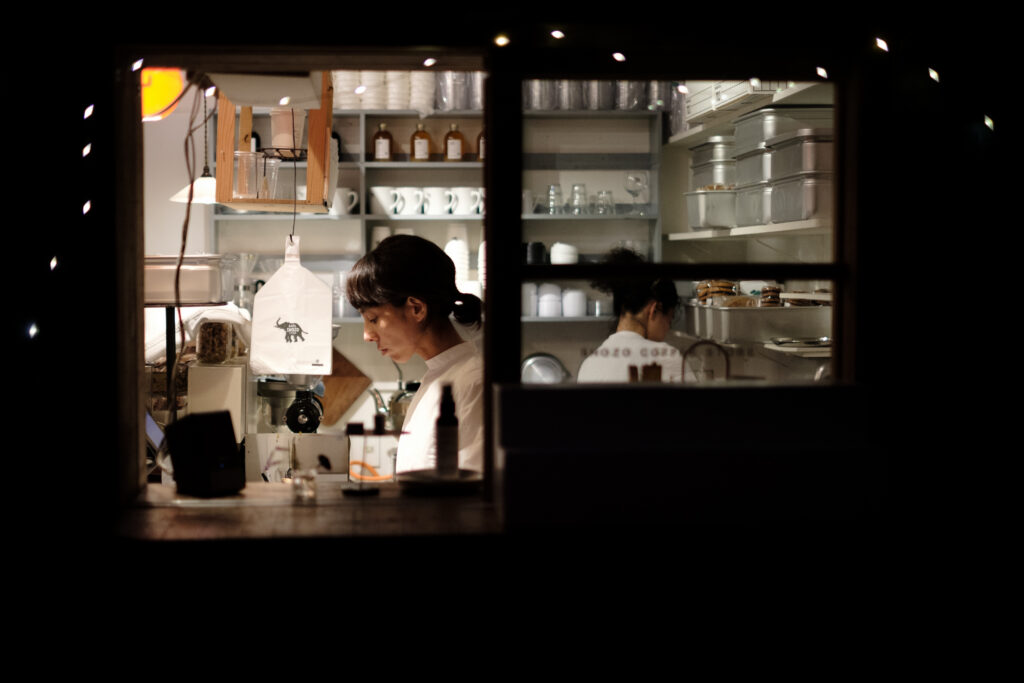
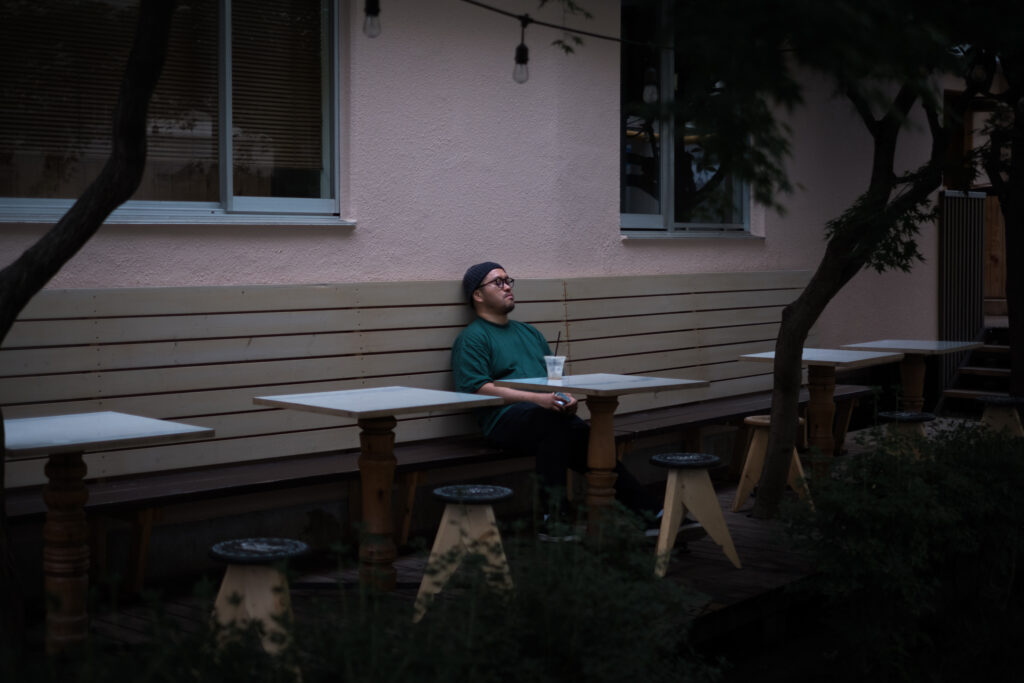
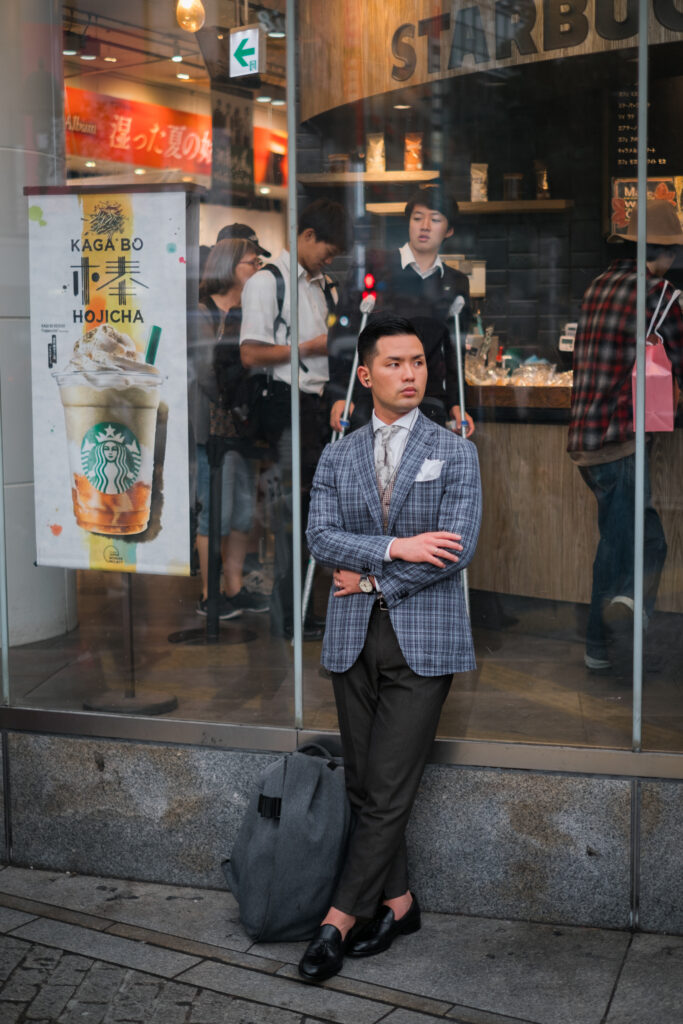
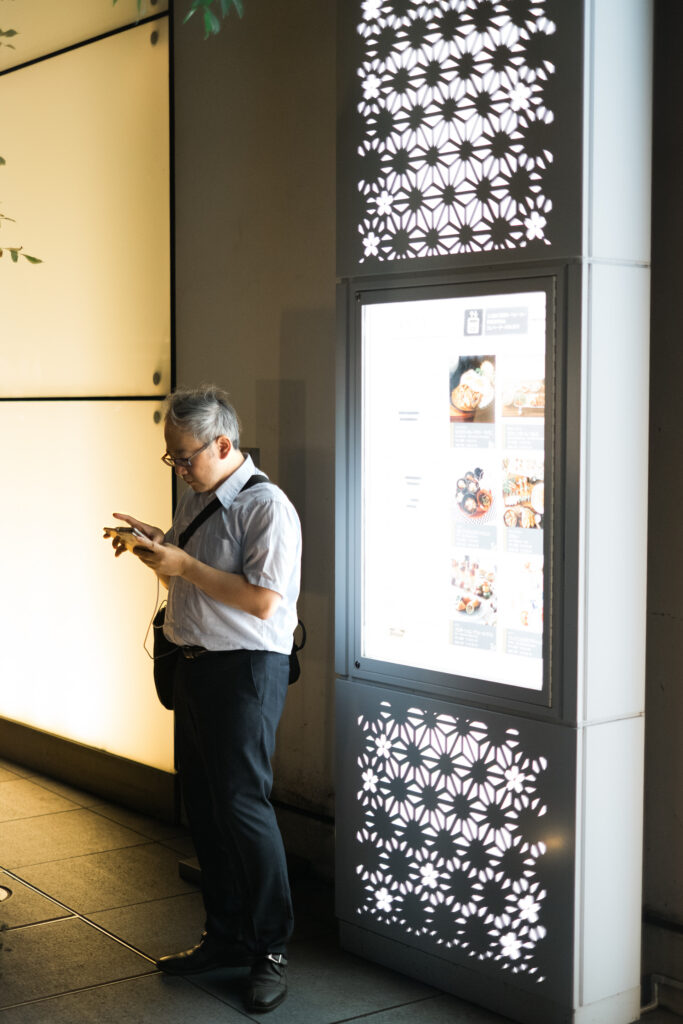
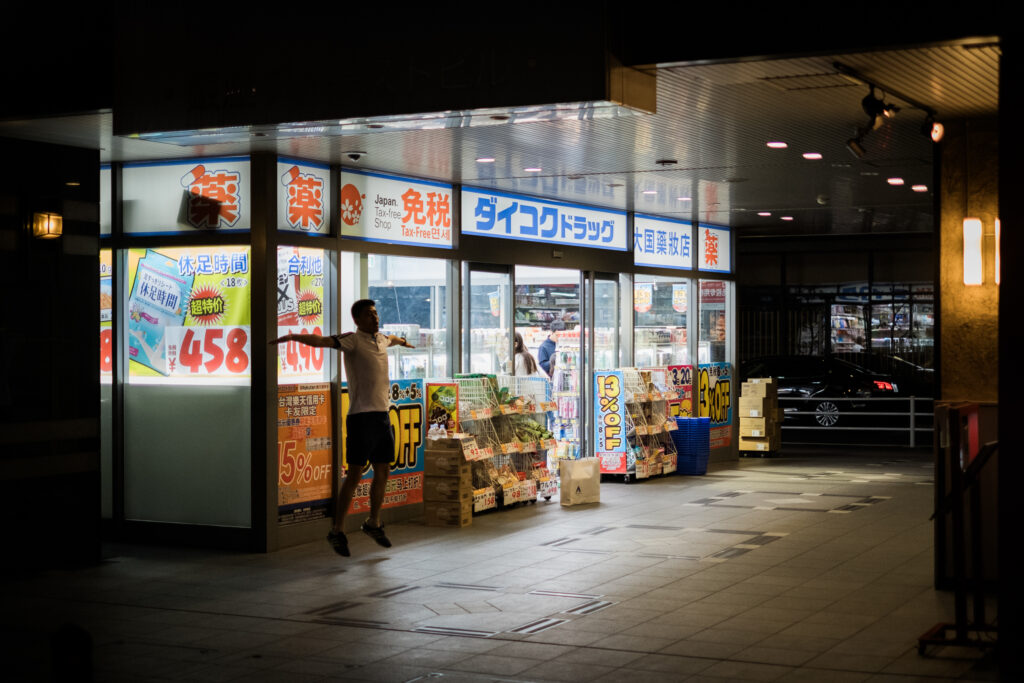
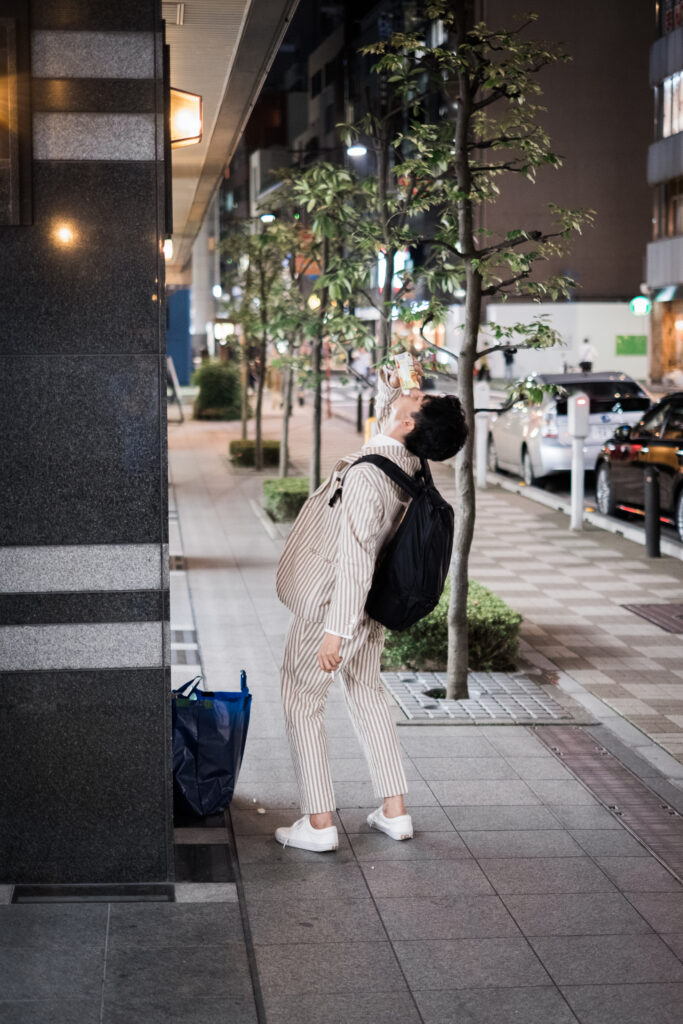
This collection focuses on capturing those unscripted moments that define everyday life away from major tourist districts. Documenting these interactions proves that Tokyo is neither exclusively a hyper-tech metropolis nor a preserved historical museum. It exists as both simultaneously, balancing rapid technological innovation with an enduring commitment to local community life.
Spatial Rhythms and Visual Contrast
Documenting Tokyo requires paying close attention to the light and shadows created by its intense density. High-contrast reflections on wet asphalt, softly glowing lantern light hitting weathered timber, and deep shadows beneath elevated train lines offer endless visual depth. The photographs in this series do not attempt to simplify the city into a single visual trope. Instead, they embrace the tension between macro-scale infrastructure and micro-scale neighbourhood life.
Explore the full gallery below to experience the quiet side streets and structural scale of Tokyo.
Gallery