

Libya 2011 Uprising Documentary: Forgotten Tears
Forgotten Tears: A Libya 2011 Uprising Documentary
A feature-length documentary looking at Libya’s journey fifteen years after the revolution, built on ground-level archival footage and survivor accounts.
Fifteen Years After the Revolution
Fifteen years after the revolution began, Libya remains caught between fragmented institutions, fractured governance, and a stalled reconciliation process. Developing this Libya 2011 uprising documentary grew out of a need to look beyond geopolitical headlines and confront the human cost of a conflict that has faded from international attention. Titled “Forgotten Tears”, the film traces the trajectory from the hopeful protests that erupted in Benghazi in early 2011 to the fragile, deeply complicated political landscape present today.
While international news coverage moved on as new global crises emerged, the individuals who lived through the revolution continue to carry the physical and psychological weight of those years. The documentary examines how a nation’s collective hope for self-determination yielded to years of division, asking what accountability looks like when official justice mechanisms stall.
Ground-Level Footage and Unscripted Testimony
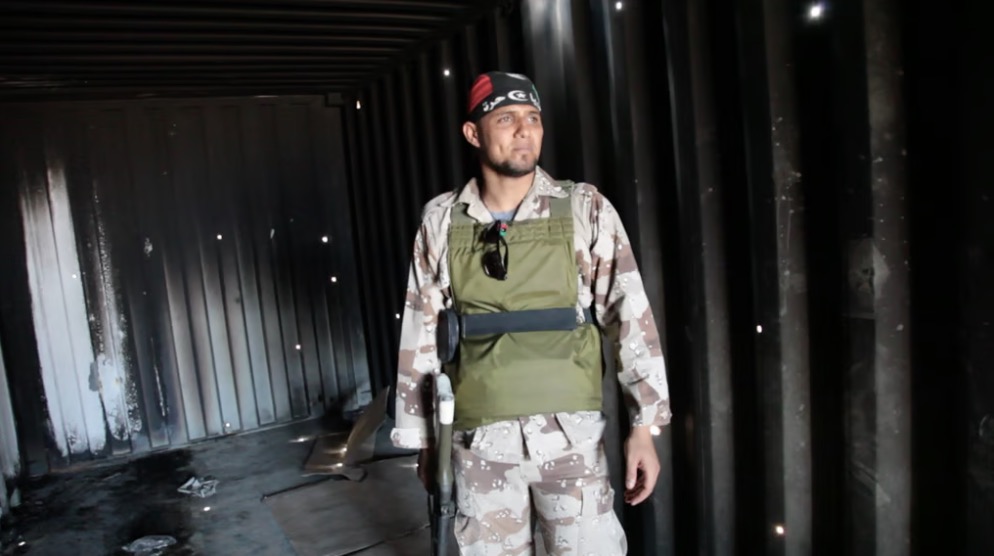
The foundation of this film rests on raw, primary-source footage captured on location across Libya between 2011 and 2012. Travelling through towns during and immediately following the initial conflict allowed me to record intimate, unscripted moments before time and political rewriting could alter the historical record. I sat down with survivors of state-sanctioned detention, frontline civilian volunteers, and families searching for missing relatives, gathering first-person testimonies in their own environments.
These interviews were recorded without dramatic staging or rehearsed scripts. Capturing people in their living rooms, community spaces, and former conflict zones preserves the authentic cadence of their accounts. As time passes, these early recordings become increasingly vital historical artefacts, protecting raw personal memories from being erased or rewritten by competing political factions.
Distilling Archival Material into the Official Trailer
Condensing dozens of hours of intense, emotional testimony into a concise narrative framework required a disciplined editing process. The recently released official trailer serves as an entry point into these lives, distilling complex historical events into a focused narrative of grief, dignity, and survival. Rather than relying on sensationalist shock value, the editing prioritises emotional honesty, allowing the natural gravity of each participant’s voice to lead the story.
The trailer functions as both a visual summary of the upcoming feature film and an immediate call to action. By sharing short excerpts of these long-form conversations, the project aims to re-engage global audiences, reminding policymakers, researchers, and the public of the unresolved human rights questions surrounding the Libyan conflict.
Impact Strategy and Institutional Partnerships
A documentary of this nature should extend far beyond cinema screens and festival circuits. To ensure these testimonies actively contribute to ongoing accountability efforts, we are establishing direct partnerships with international human rights organisations, academic institutions, and legal advocacy groups. The goal is to integrate the film into educational curricula, policy roundtables, and transitional justice workshops across North Africa and Europe.
Bringing these first-person accounts into classrooms and international forums ensures that survivor voices directly inform policy discussions regarding justice, missing persons, and conflict resolution. By coupling the film’s release with targeted advocacy campaigns, community screenings, and panel discussions, the project provides a structured platform for survivors to speak directly to decision-makers
Production Timeline and Distribution Roadmap
“Forgotten Tears” is currently in active post-production, with the full feature documentary scheduled for release in late 2027. The distribution strategy combines international film festival premieres with localised community screenings across the Libyan diaspora and North Africa. Every screening event will be paired with moderated panel discussions to encourage constructive dialogue on memory, healing, and historical preservation.
Preserving human memory is an ongoing responsibility that requires care, independence, and patience. By grounding the entire project in authentic, primary-source documentation, this documentary aims to keep the conversation around Libyan justice alive for generations to come.