
Bosnia Travel Photography: Sarajevo to Mostar
Bosnia Travel Photography: Sarajevo, Mostar, and the High Pastures
A quiet visual narrative documenting Bosnia’s historic cities, mountain ridges, and everyday rhythms across Sarajevo, Mostar, Kravica, and Vranica.
Layered Eras on the Streets of Sarajevo
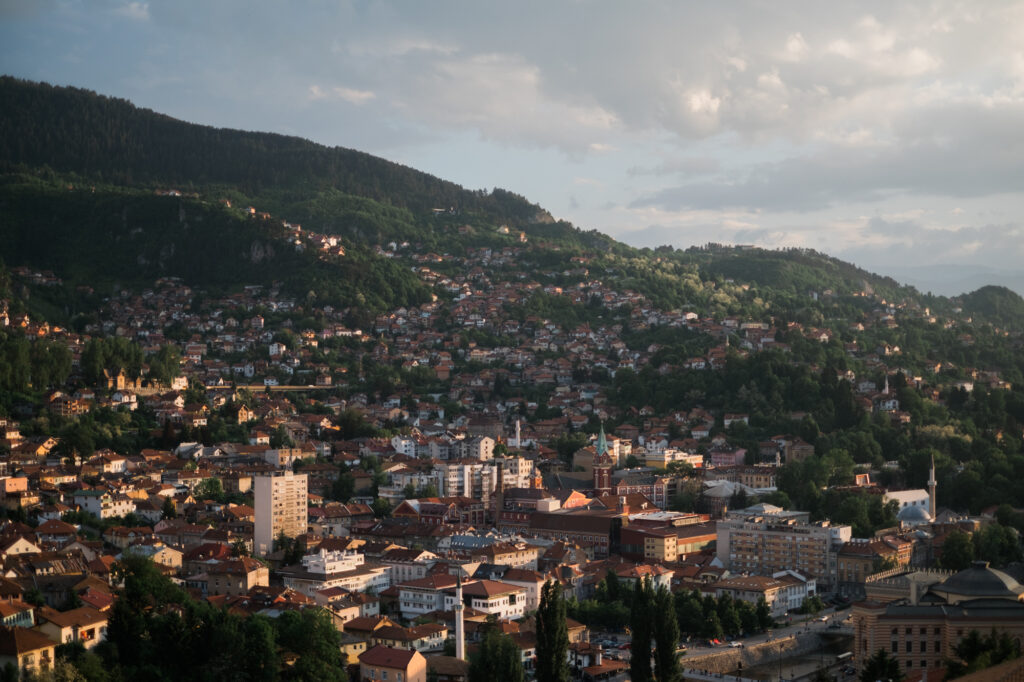
Focusing on authentic Bosnia travel photography requires stepping beyond static postcard views and looking closely at how history lives on in daily routines. Sarajevo presents an urban landscape where completely different centuries sit pressed against each other. Standing on a single street corner in the city centre brings Ottoman minarets, Austro-Hungarian stone facades, and modern glass towers into the same line of sight.
Early mornings in Sarajevo belong to the narrow stone alleys of Baščaršija, the historic old bazaar. The first light of day hits metalwork workshops as coppersmiths begin hammering out brass and copper trays, while steam rises from tiny cups of traditional Bosnian coffee on wooden counters. The true beauty of the city remains tied to its memory. Quiet contrasts tell the story best, such as freshly washed laundry hanging across upper balconies directly alongside stone walls still pitted by shrapnel marks from the nineties siege. Those details reveal the steady, unhurried rhythm of a community that rebuilt its daily life without erasing its history.
Mostar and the Rebuilt Stone Bridge
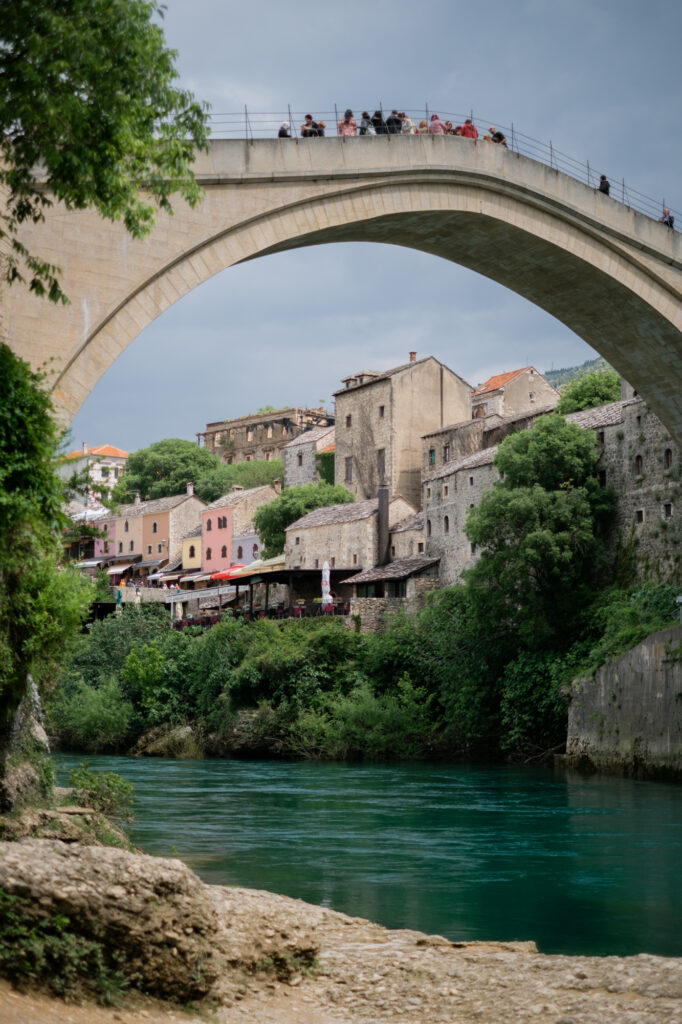
Travelling south toward Herzegovina, the landscape shifts into warmer limestone valleys and river canyons. Mostar is defined by its famous sixteenth-century Ottoman bridge, Stari Most, which arches high over the cold, emerald waters of the Neretva River. Destroyed during the conflict in the nineties and later rebuilt stone by stone using traditional methods, the structure stands as a living symbol of reconnection and local pride.
Photographing Mostar means paying attention to the relationship between the built environment and the natural terrain. Local divers spend hours sitting along the high stone parapet, preparing their minds before plunging into the cold river below while crowds gather on the cobbled banks. As dusk settles over the canyon, the soft evening light illuminates steep stone houses rising directly from the cliff edges, casting long reflections across the water.
The Wild Waters of Kravica and High Ridges of Vranica
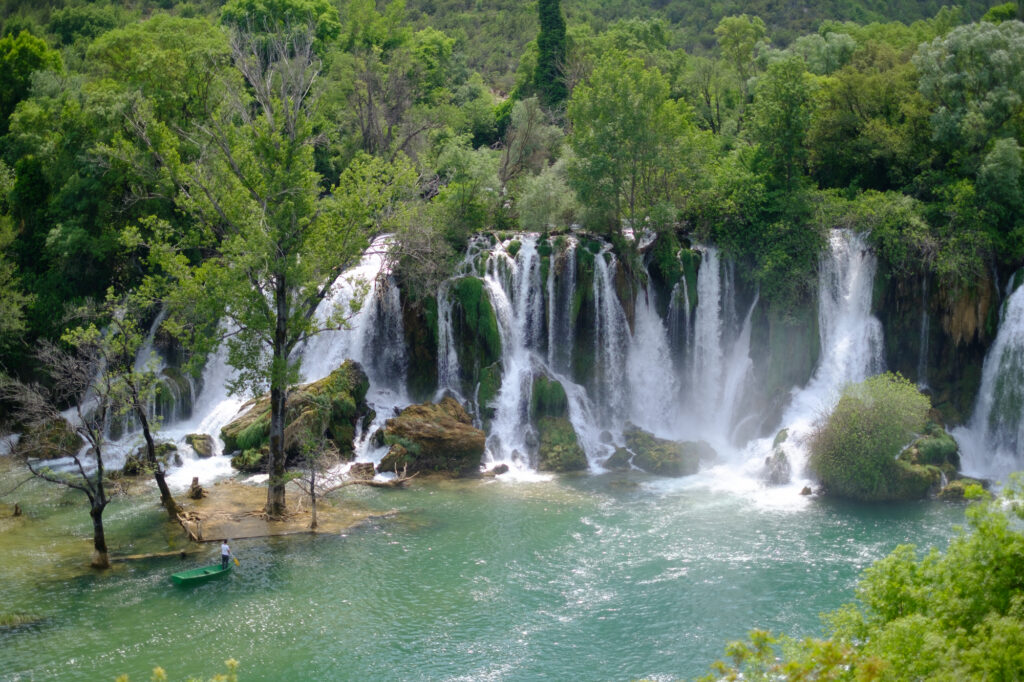
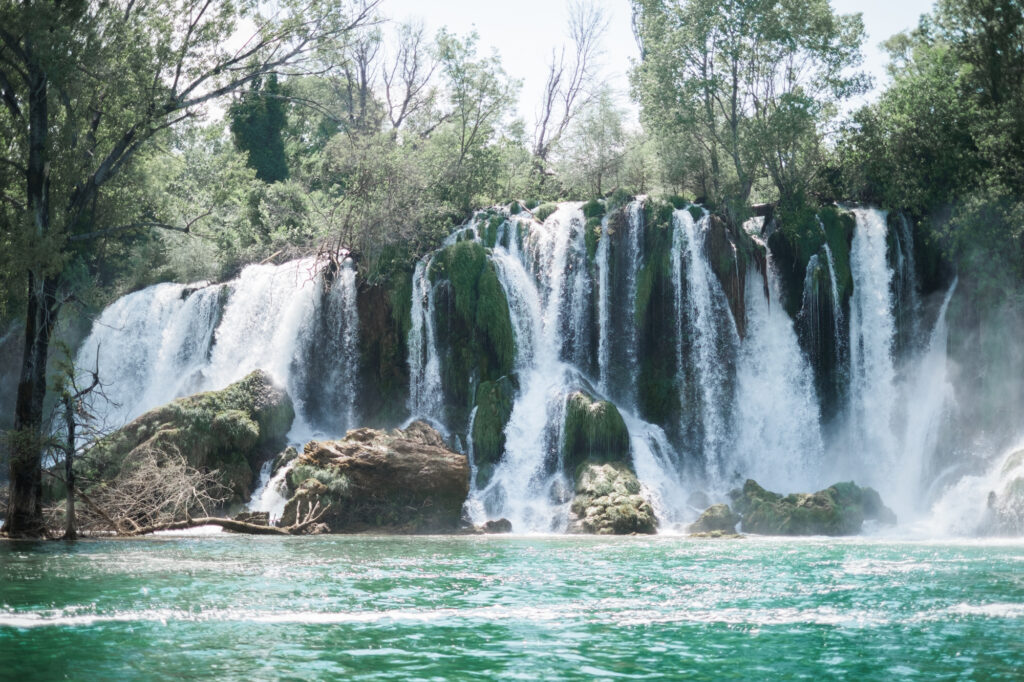
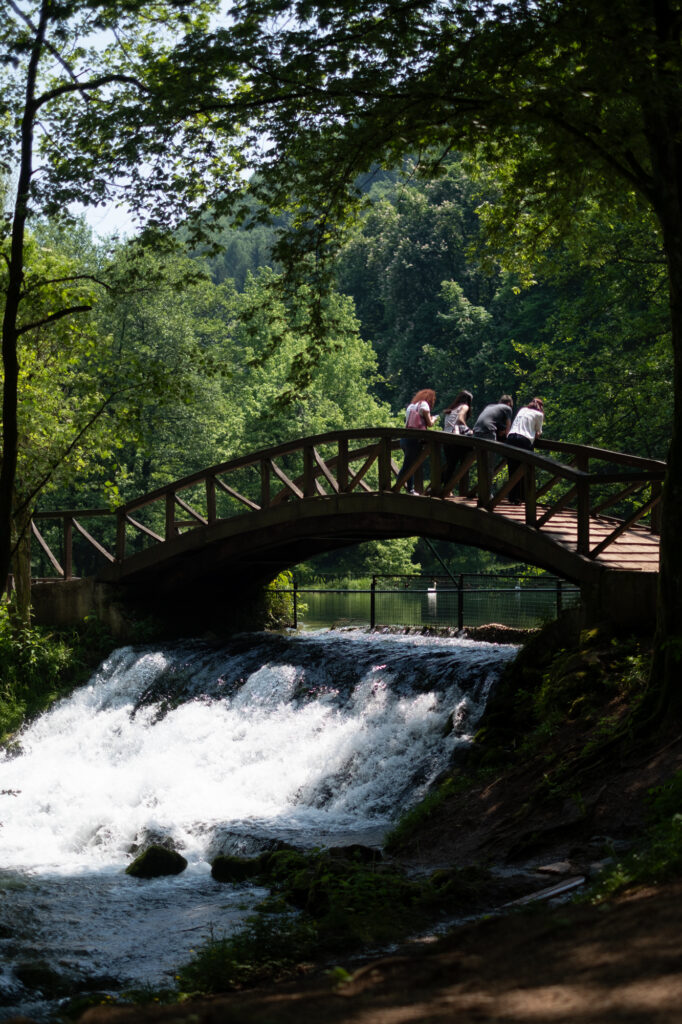
To understand the country fully, a photographer must leave the urban centres and head into the mountain interior. At Kravica, massive natural waterfalls spill out of dense woodland into a wide, clear green basin. The sheer volume and sound of the water offer a stark, refreshing contrast to the heavy atmosphere of the historic towns, showing a wilder side of the southern landscape.
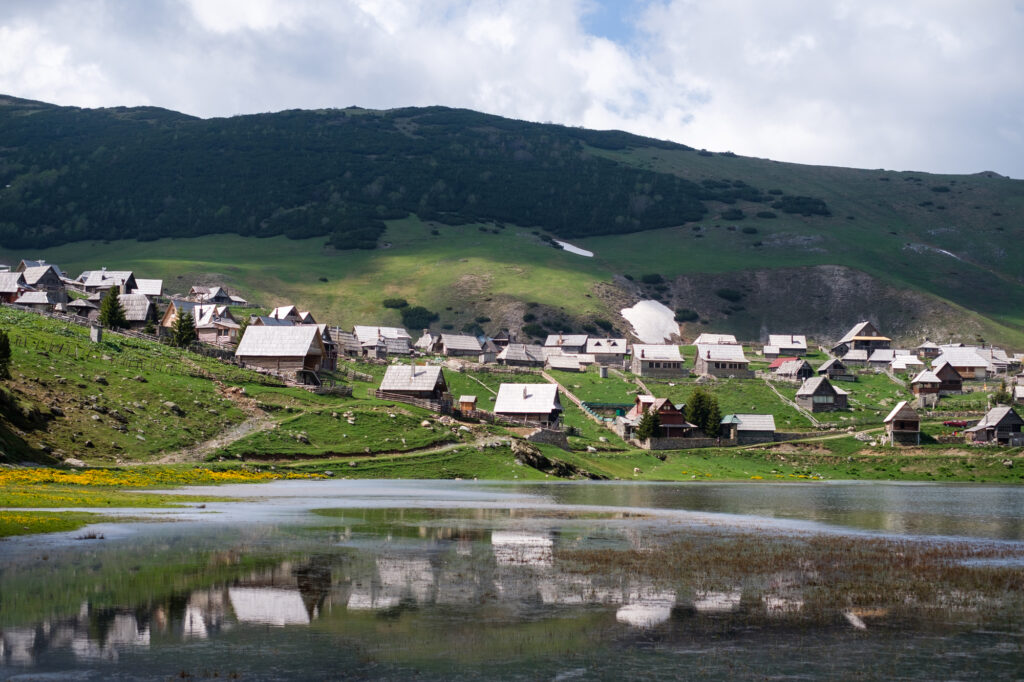
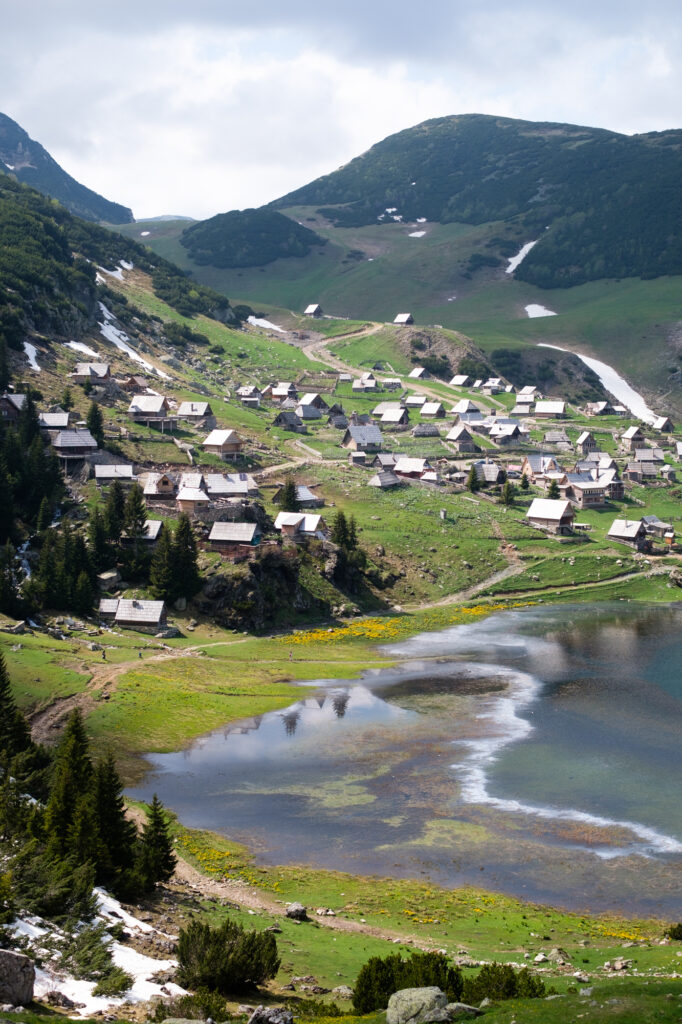
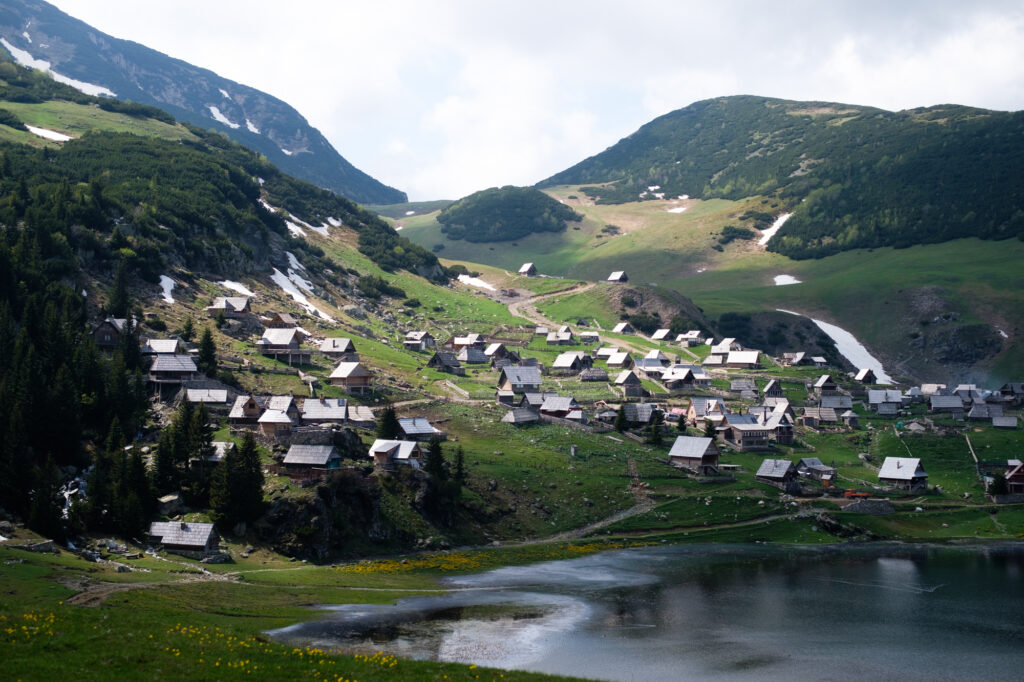
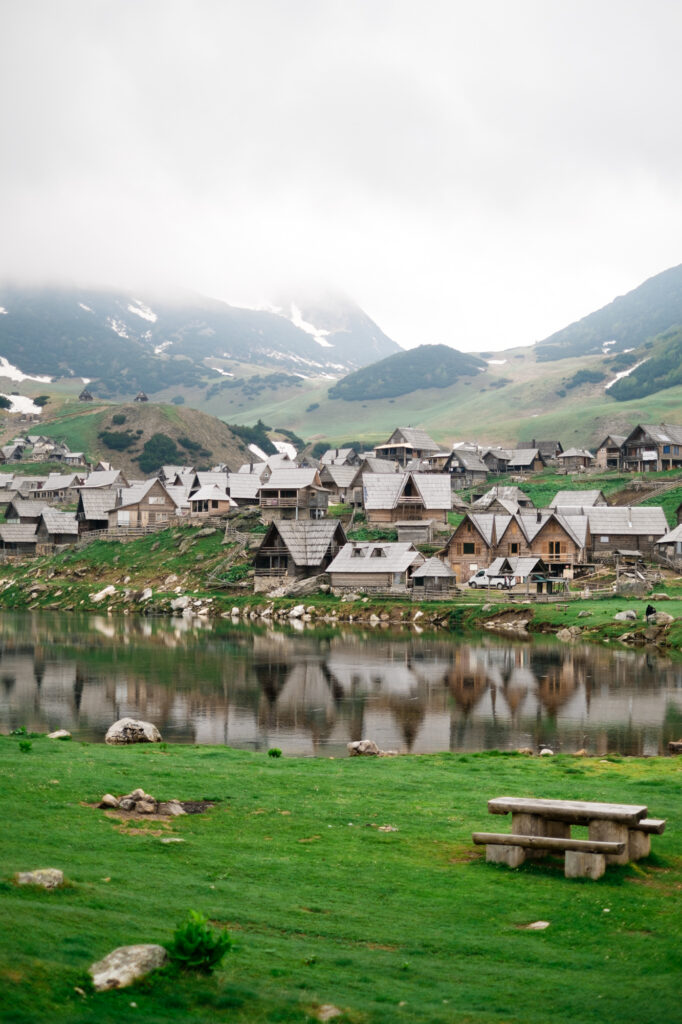
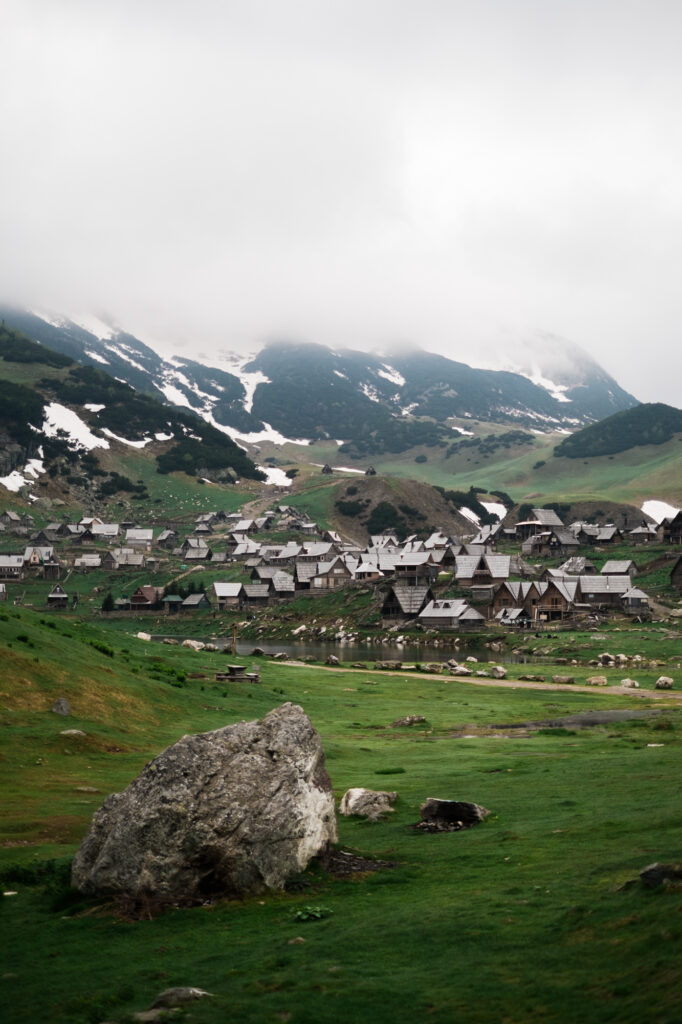
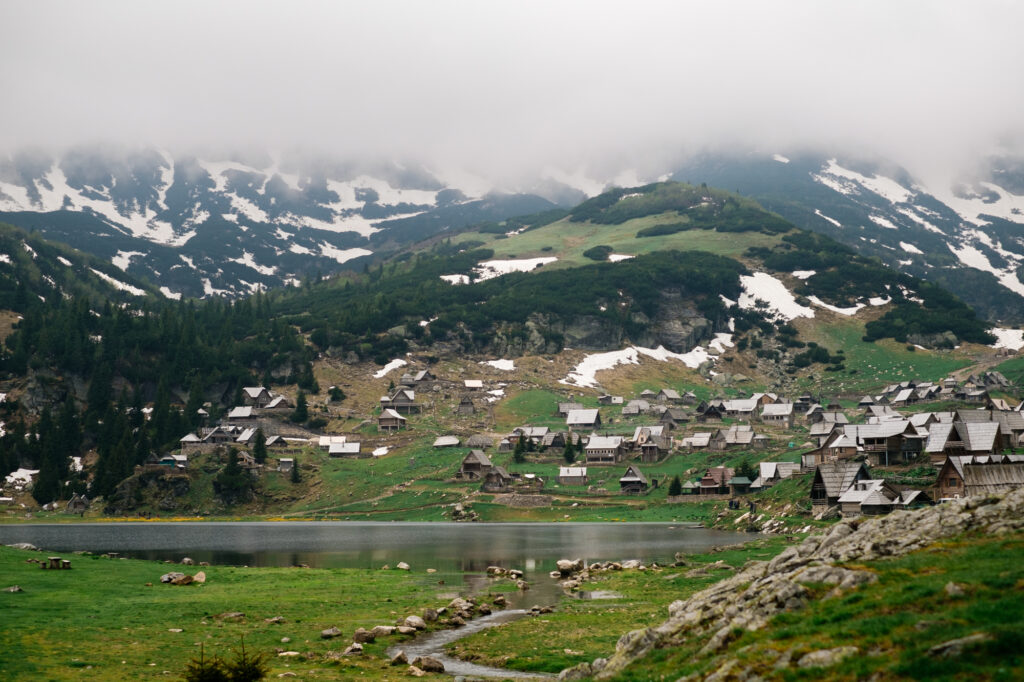
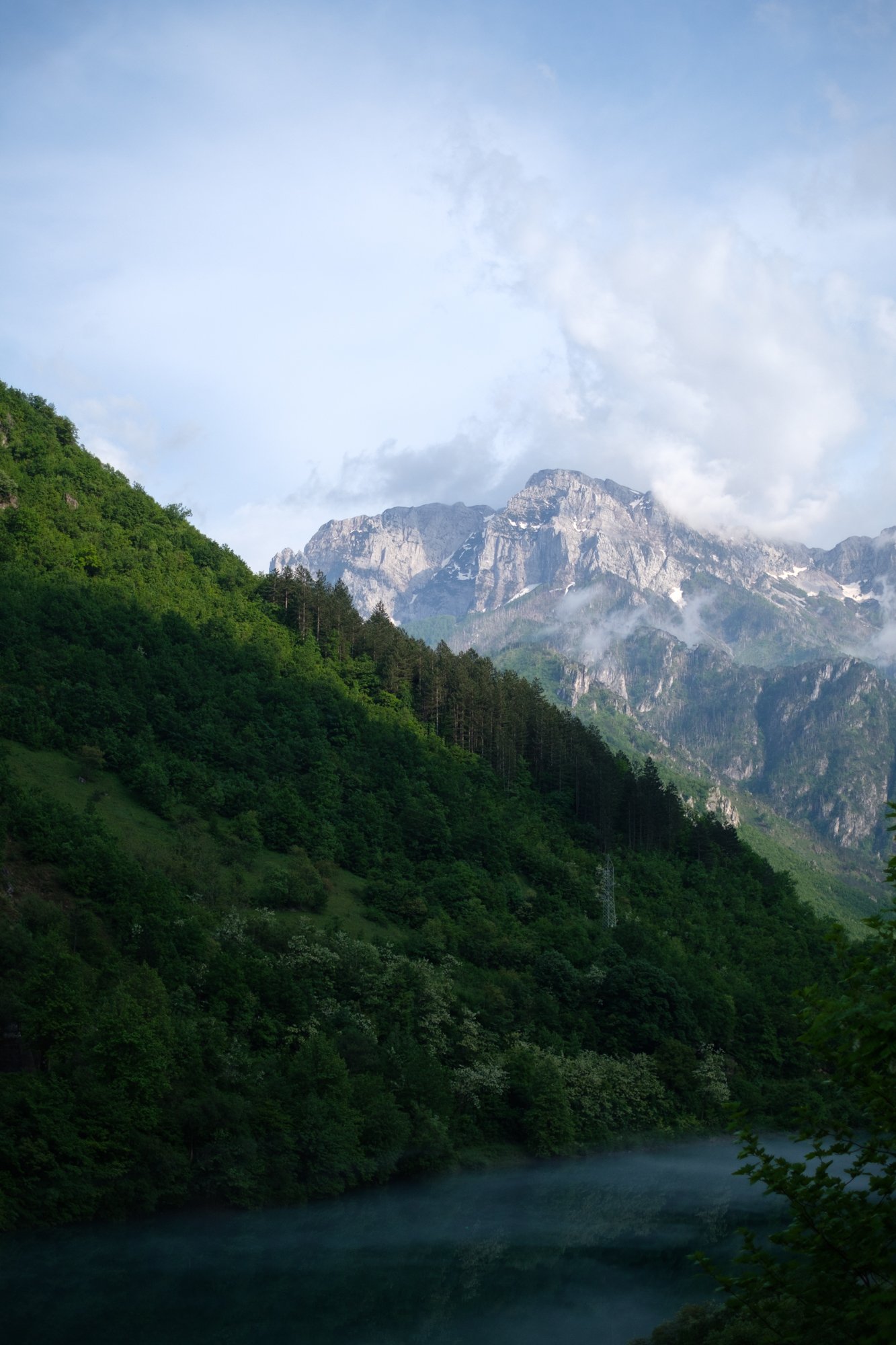
Further inland, the route leads high into the Vranica mountain range. Hiking up into these alpine pastures brings you far above the tree line, where roads end, and the horizon expands into rolling, open ridges. Small, isolated wooden cabins sit scattered across the hillsides, used by local shepherds who follow seasonal grazing routes just as their families have done for generations. Capturing these remote mountain shelters offers a glimpse into a tranquil way of life that continues largely untouched by modern development.
Moving Beyond the Conflict Narrative
For decades, external media coverage of the Balkans focused almost exclusively on war, destruction, and political division. The goal of this collection is to move past those familiar tropes by pairing the human scale of city streets with the silent scale of the surrounding wilderness.
These photographs do not attempt to deny or hide the past. Instead, they focus on what has endured: the quiet dignity, daily work, and natural beauty that characterise the land today. By documenting Bosnia as a place of living history rather than past tragedy, the series invites viewers to see a country defined by resilience and quiet peace.
Take a look through the full visual story below to explore the cities, rivers, and mountain trails of Bosnia.
Gallery