
Iceland Landscape Photography: Capturing Volcanic Scale
Iceland Landscape Photography: Capturing Volcanic Scale and Raw Elements
A raw, unpolished visual record of a volatile country still in the making, documenting the extreme volcanic energy and shifting weather systems across the Reykjanes Peninsula, the central Highlands, Vik, and Snæfellsnes.
A Planet Still in the Making
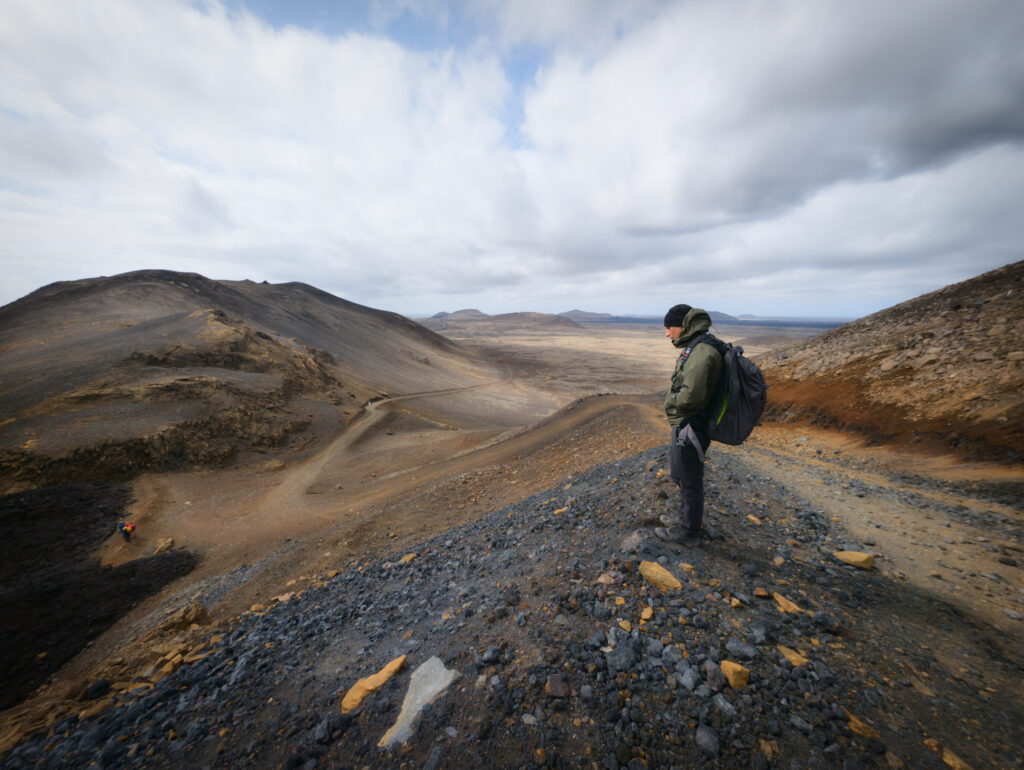
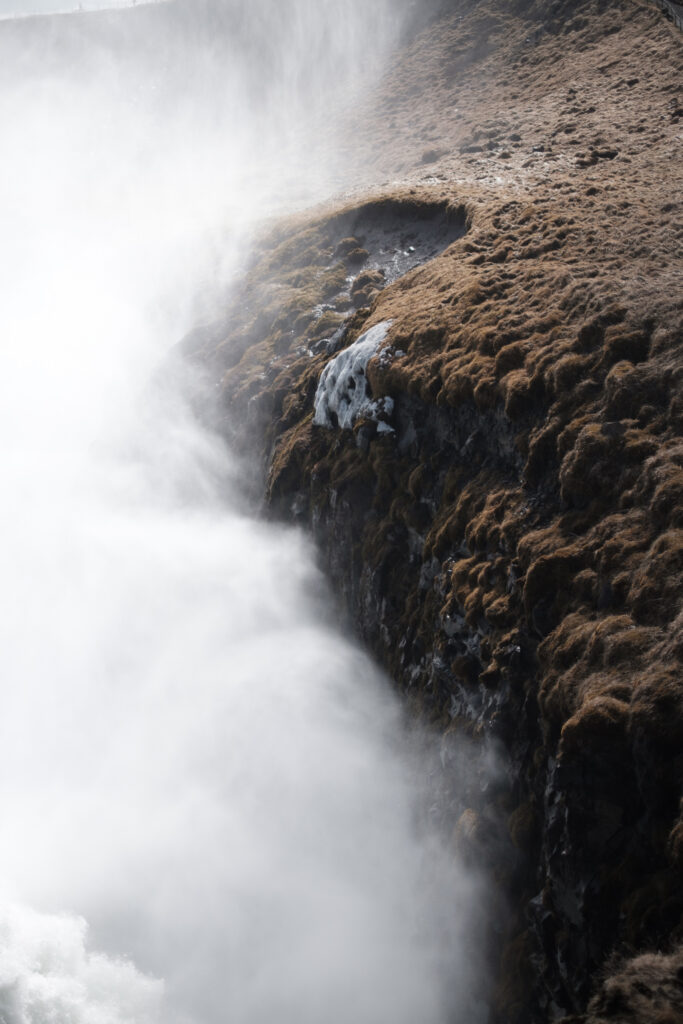
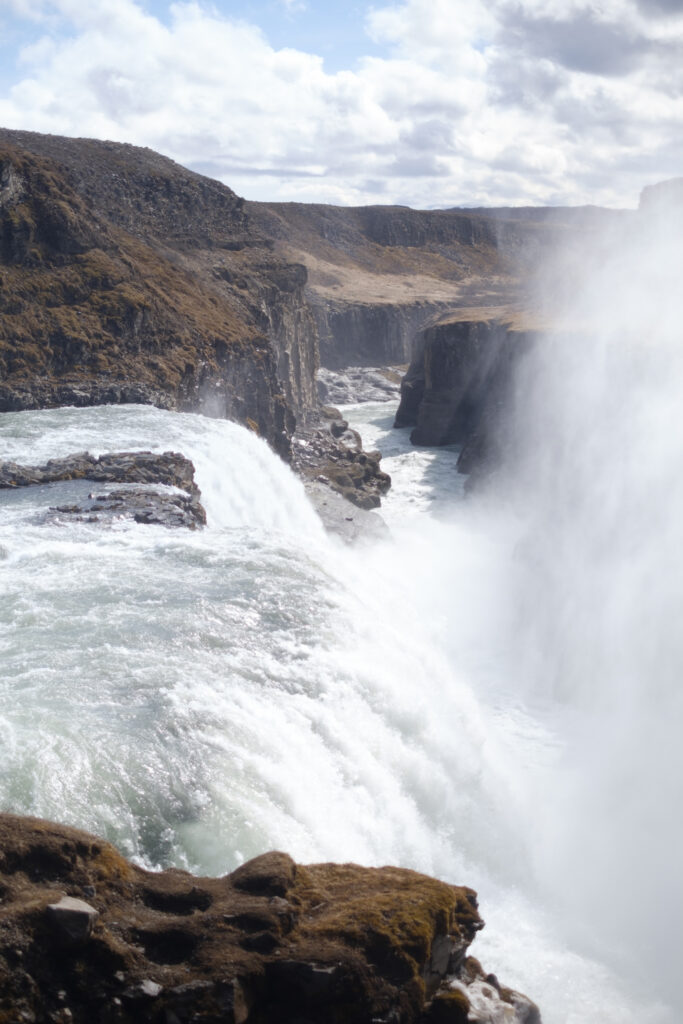
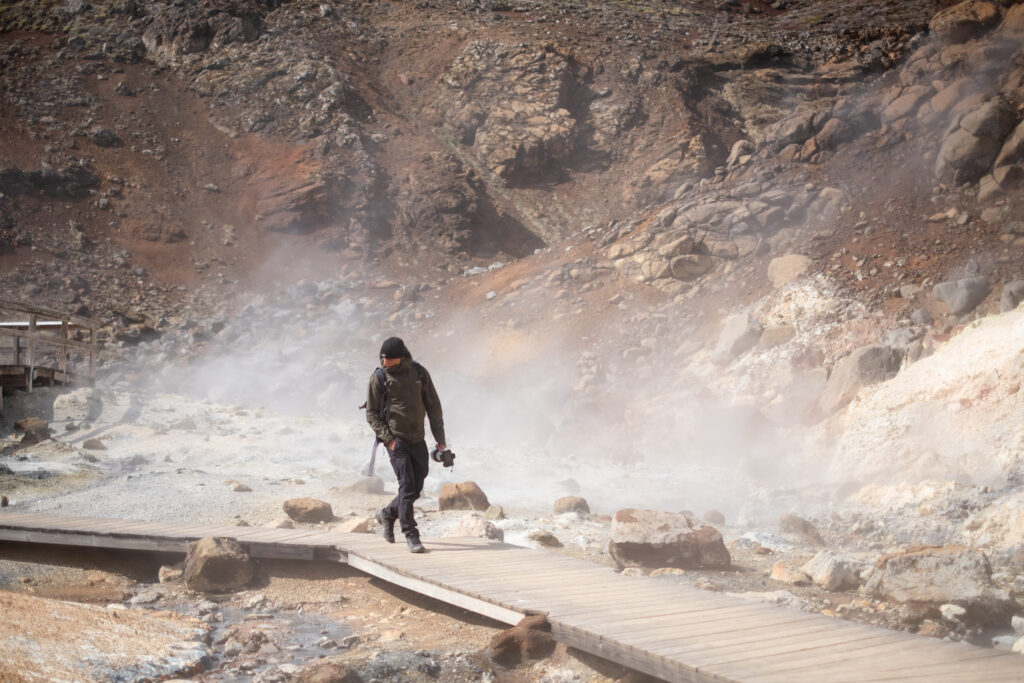
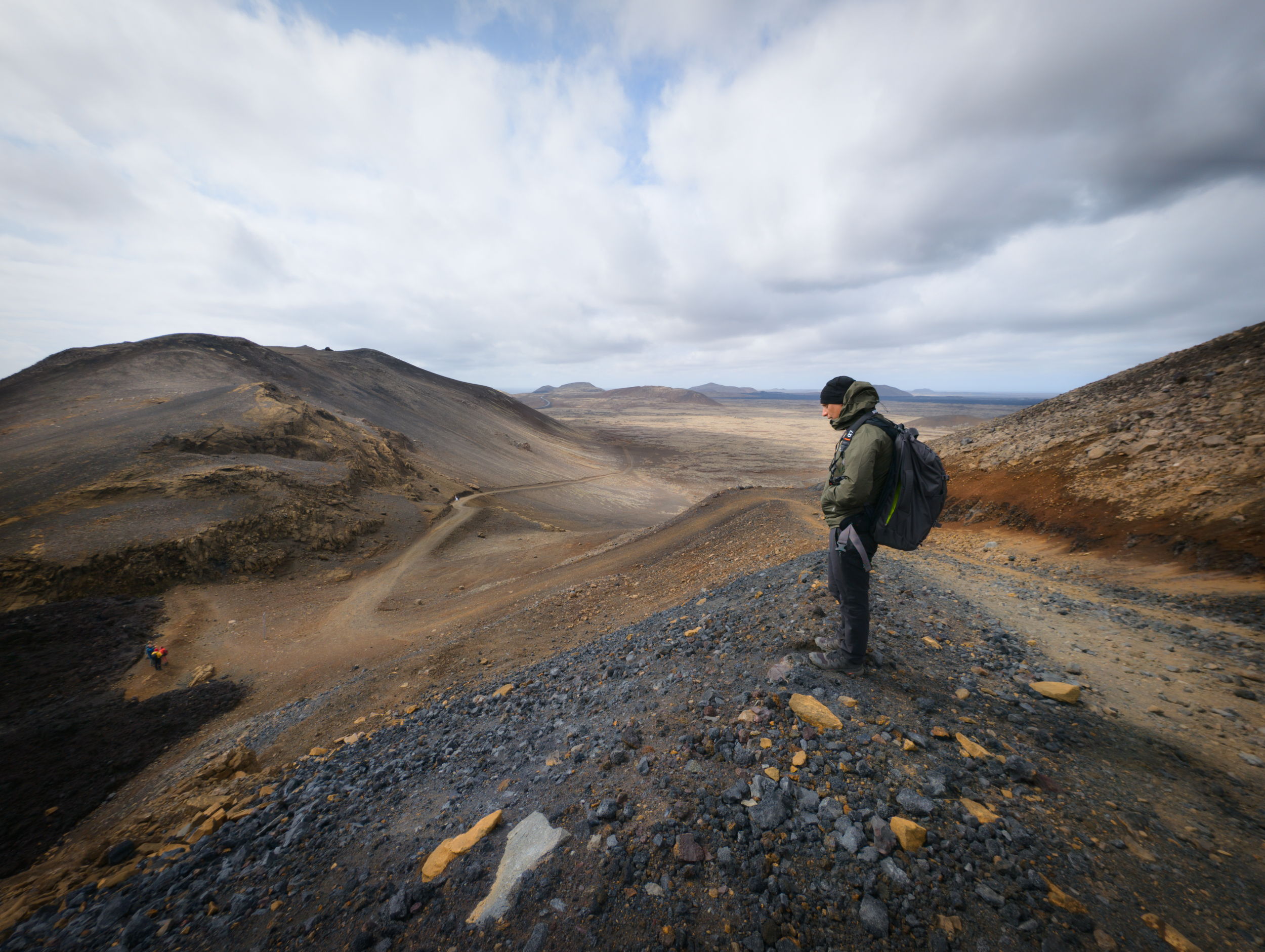
Executing compelling Iceland landscape photography requires adjusting your internal sense of physical scale. When you step out of the capital and drive into the barren lava fields, the environment feels less like a completed country and more like a planet still in the very early stages of its creation. Capturing this raw, unpolished volcanic energy means abandoning standard picturesque framing and focusing instead on the volatile, shifting nature of the earth itself. The locations across the Reykjanes Peninsula, the remote central Highlands, the southern coast of Vik, and the Snæfellsnes peninsula provide a continuous masterclass in geological power. The Reykjanes Peninsula immediately sets the tone with its sprawling, steam-vented lava fields that stretch endlessly toward the horizon. Every mile of road reveals a new fracture in the ground or a sudden rise of steam from deep underground thermal vents.
Where Tectonic Violence Meets Geometric Order
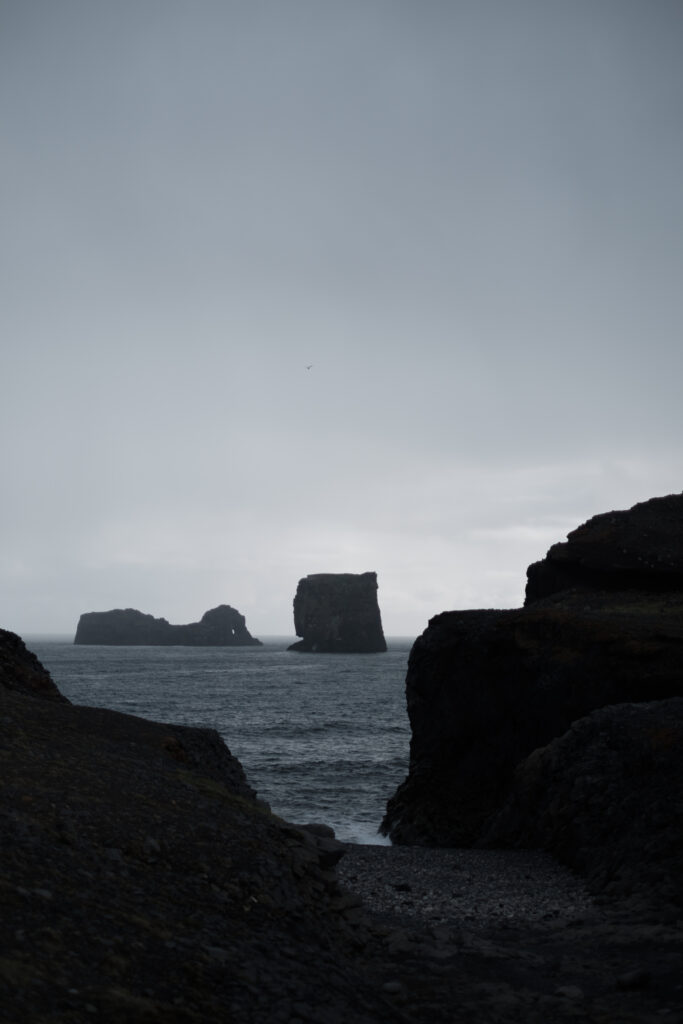
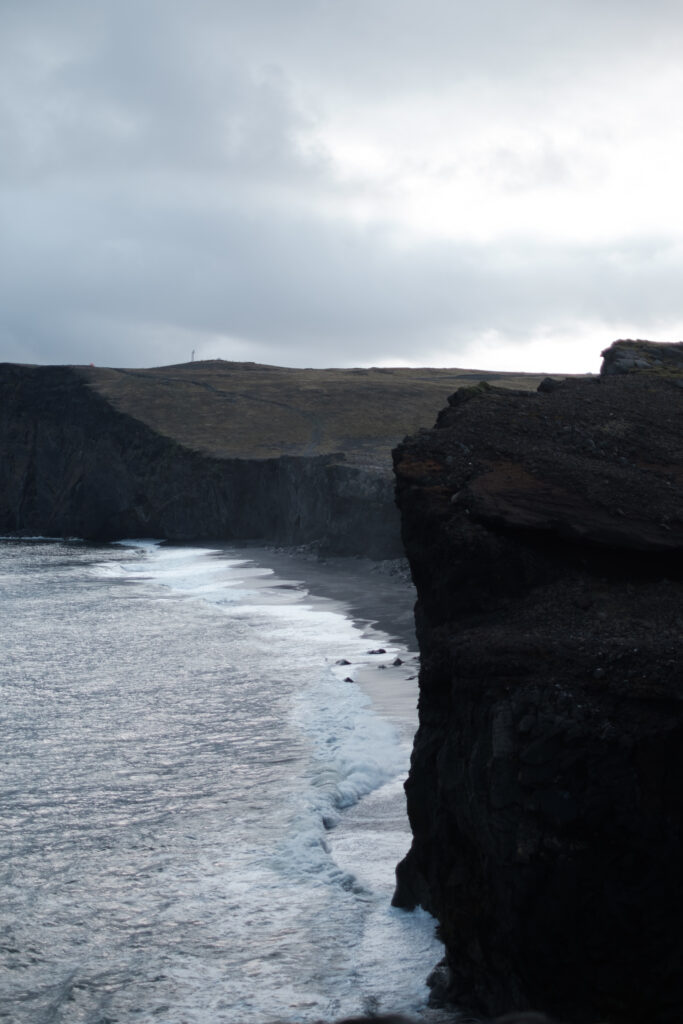
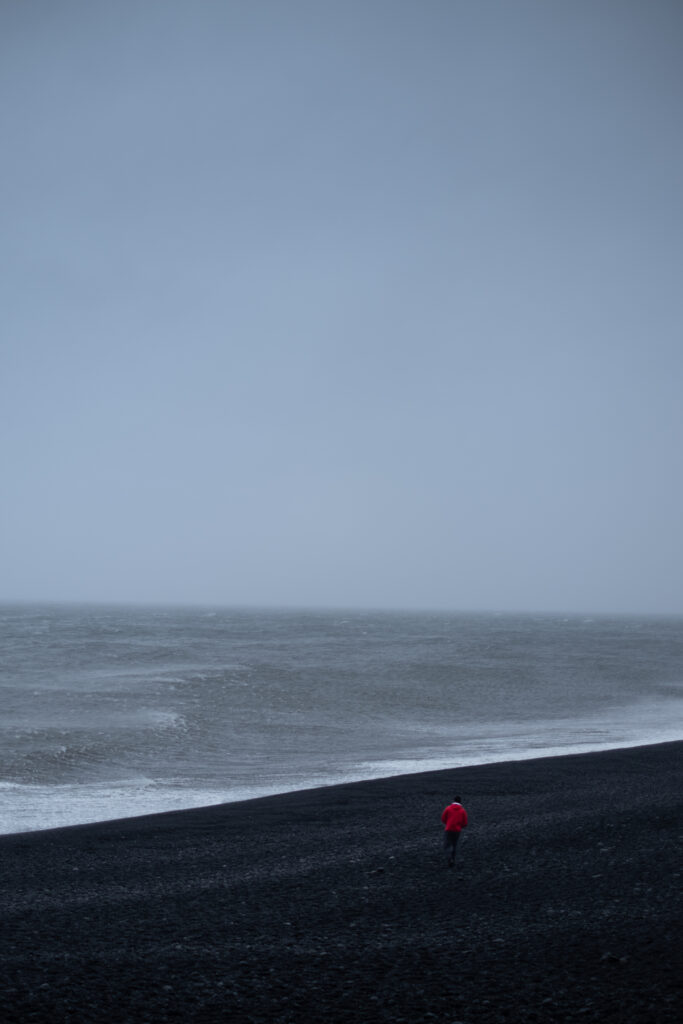
Iceland is entirely defined by its harsh elemental contradictions. I spent days documenting remote areas where active volcanic heat cuts directly through the base of ancient, slow-moving glaciers. The contrast between these two destructive forces creates an environment that constantly rewrites its own topography. Down on the southern coast at the black sand beaches of Reynisfjara, the ocean demonstrates a relentless, crushing power. Walking across the dark volcanic sand feels like walking on crushed glass. I photographed the massive basalt columns rising like giant organ pipes straight out of the crashing Atlantic surf. These hexagonal pillars show how violent tectonic force eventually cools into perfect, mathematical geometric order. Standing on that dark shoreline, the roar of the ocean mixes with the biting wind, making it incredibly difficult to keep the camera steady, yet the resulting images capture the exact tension between motion and stillness.
Chasing Storm Light Across Moss and Lava
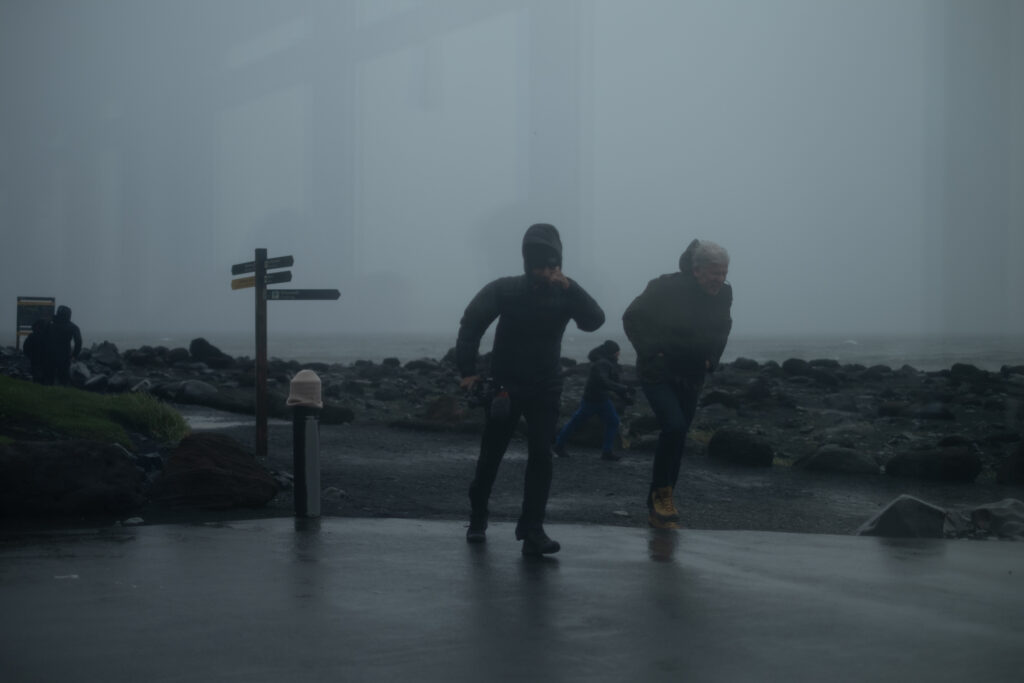
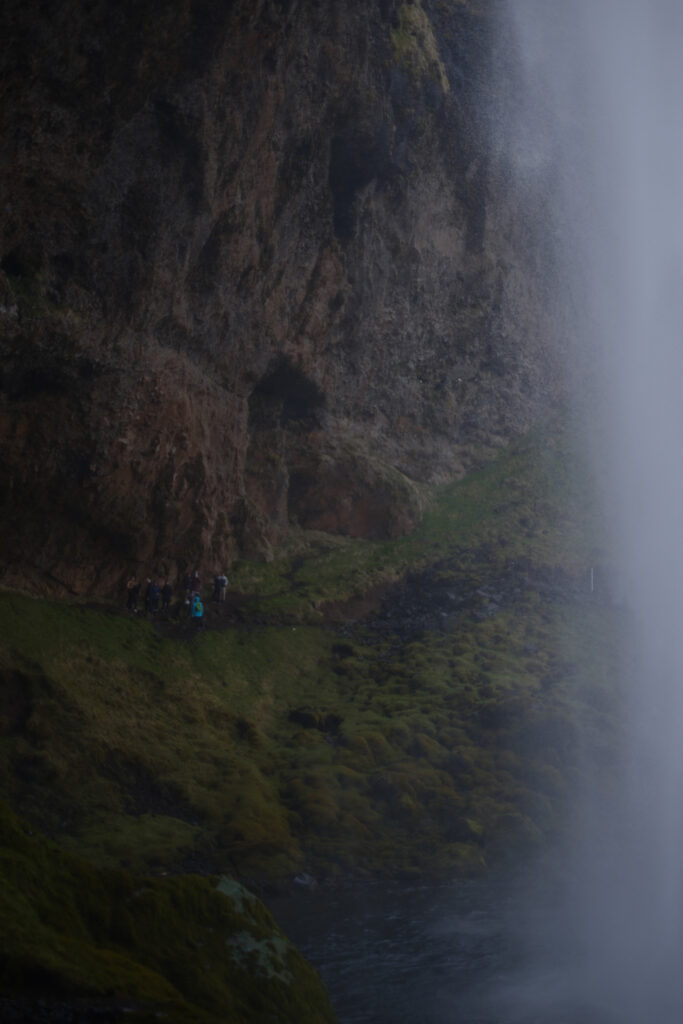
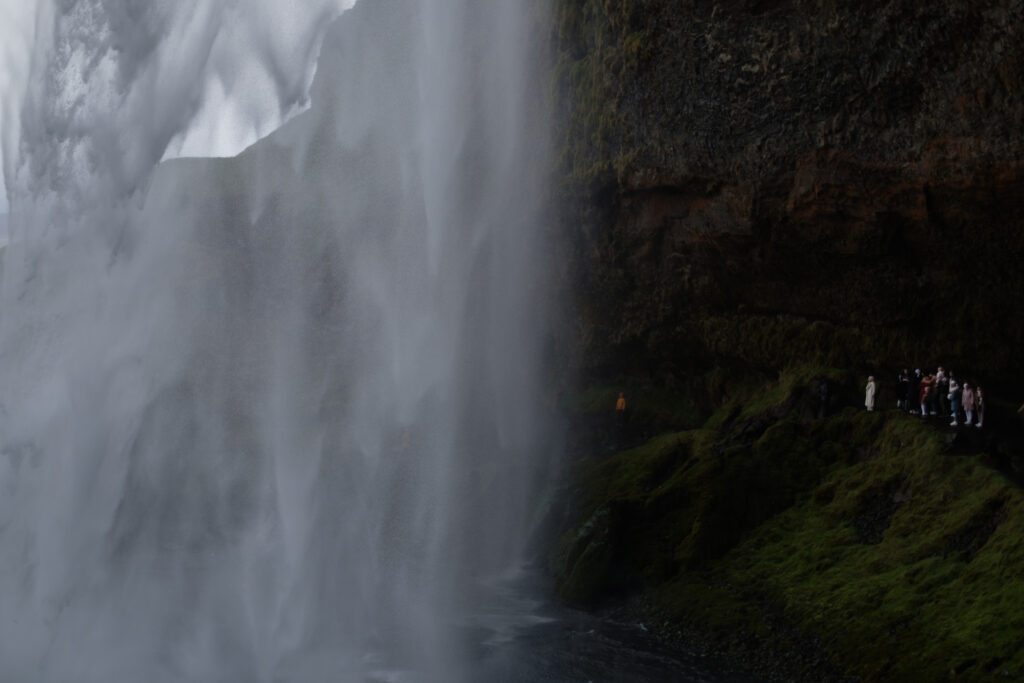
In landscape work, weather dictates everything. The most compelling light rarely comes from clear blue skies. Instead, the best illumination always arrives right at the edges of incoming storms. Heavy, purple cloud systems would hang low over endless fields of bright green, moss-covered lava rock, creating a surreal and highly saturated colour palette. This high-contrast environment emphasises the sheer isolation of the landscape, producing a dramatic visual record that feels both deeply ancient and entirely alien. Up in the Highlands and out on the Snæfellsnes peninsula, the weather changes in a matter of minutes. You have to work quickly, setting up your tripod in the freezing rain and waiting for a brief break in the heavy clouds to let a single shaft of sunlight highlight the jagged texture of a distant crater.
Human Perspective and Geological Time
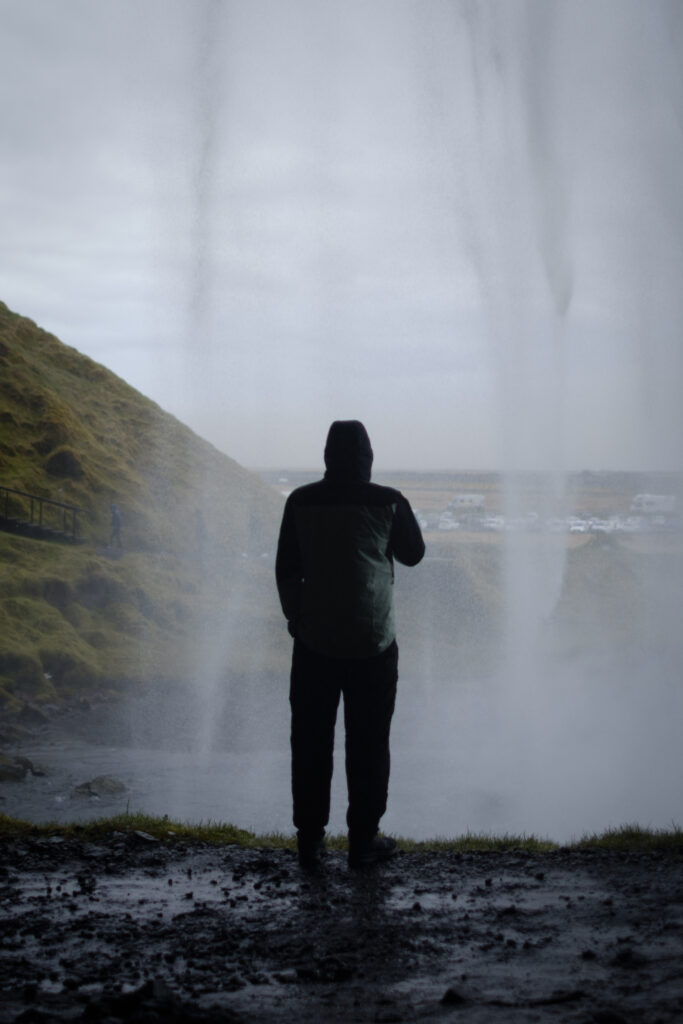
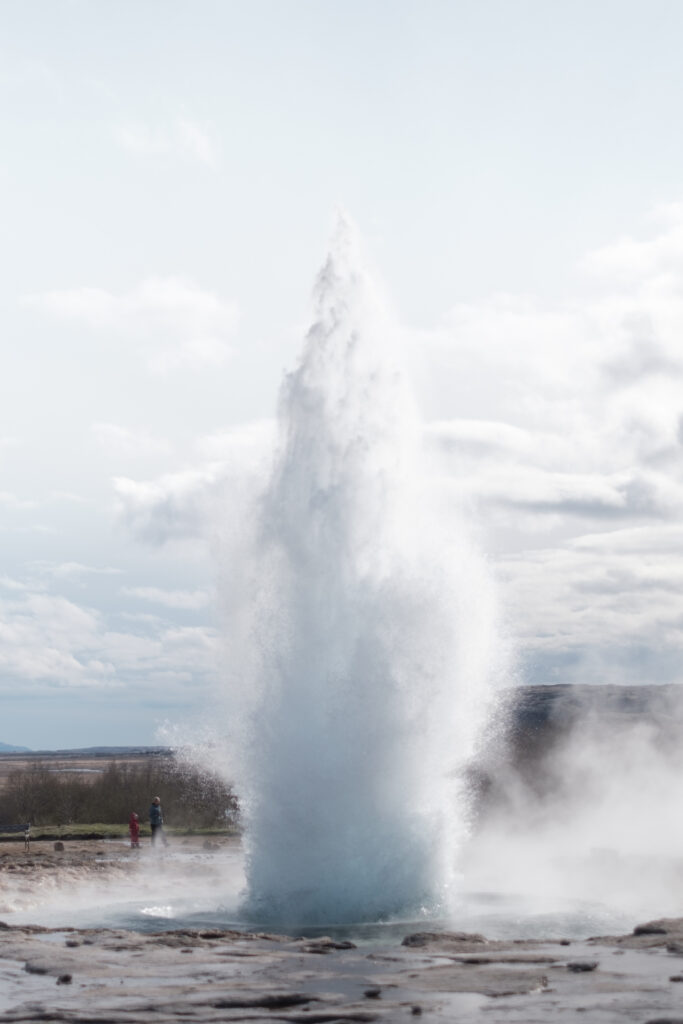
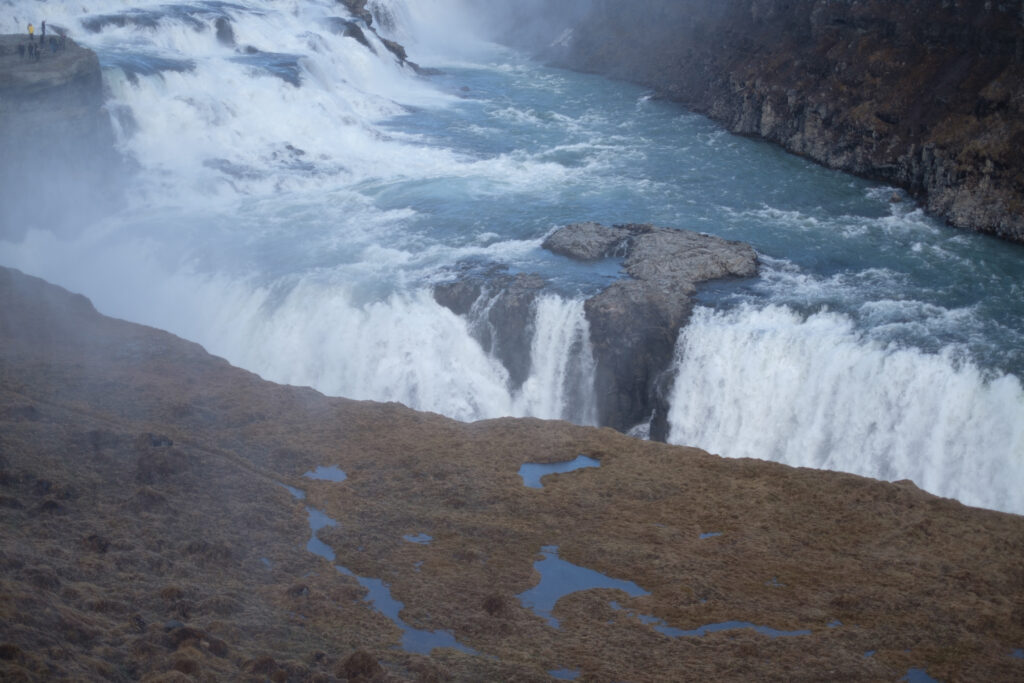
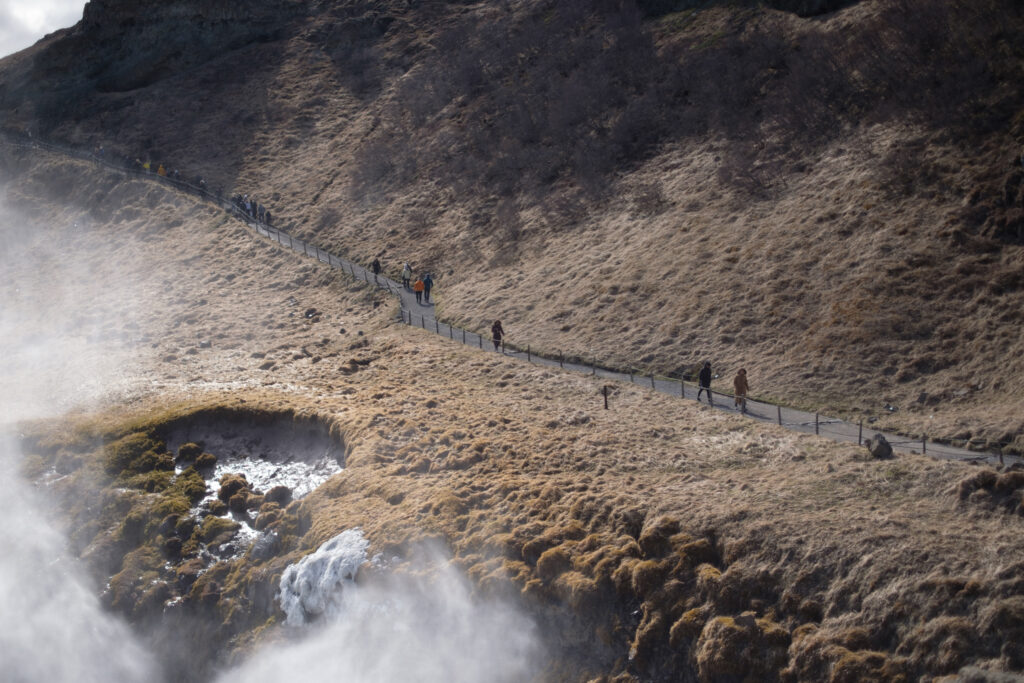
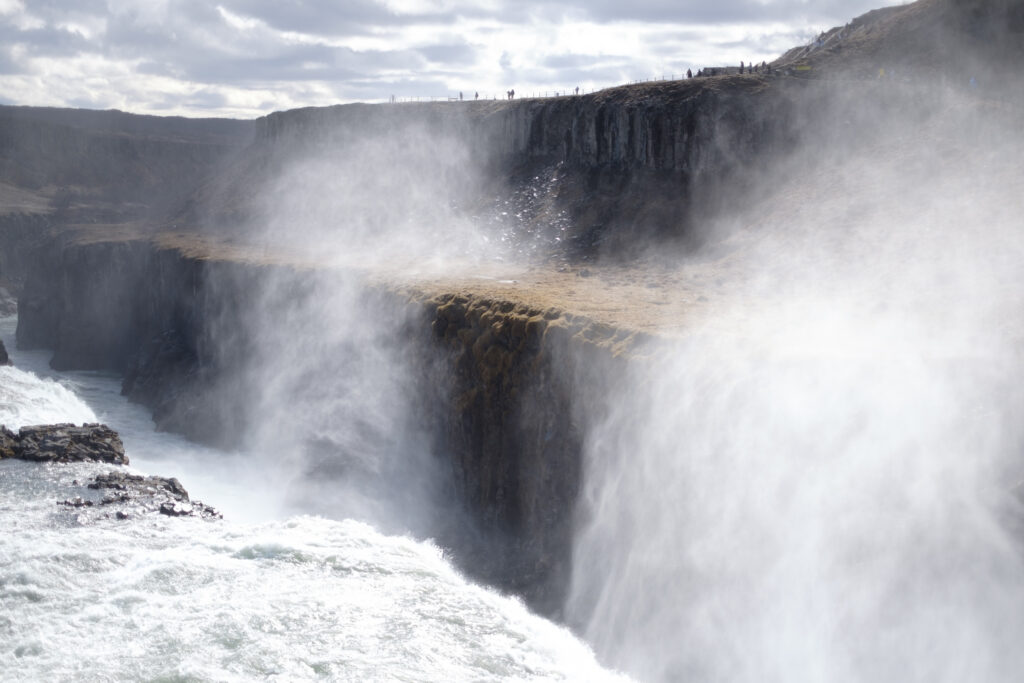
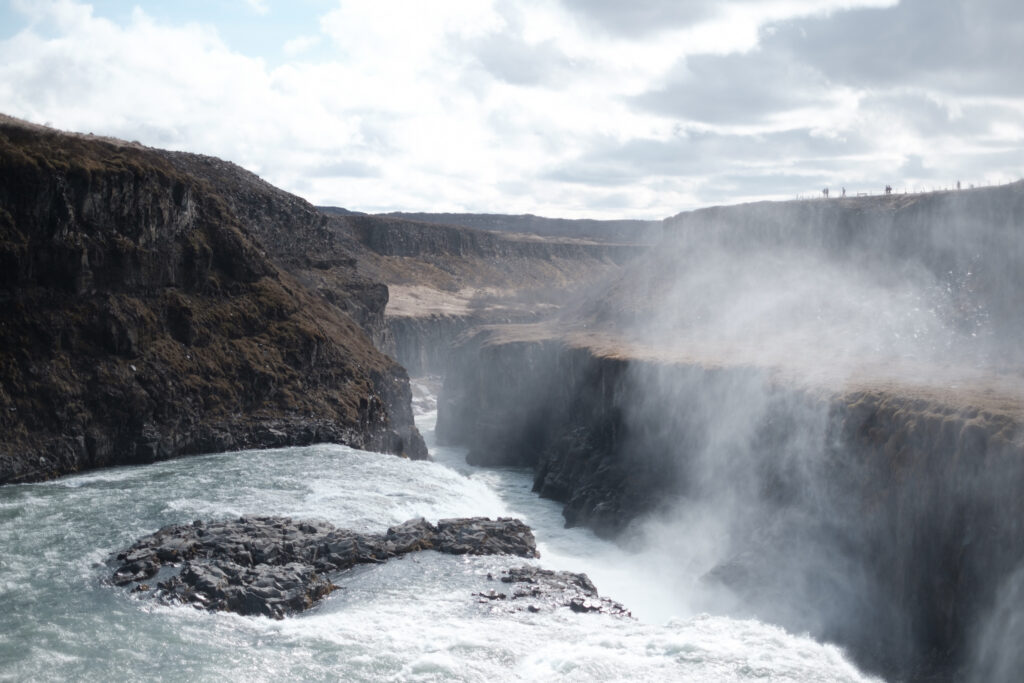
Photographing a landscape of this immense scale forces a complete shift in your personal perspective. When you stand next to a boiling mud pool where the air carries the sharp scent of sulfur, or watch a roaring geyser erupt near a massive glacial lagoon filled with cracking blue icebergs, you suddenly realise just how brief our human timeline truly is. We are merely temporary visitors on a restless, breathing planet. This collection serves as a visual reminder of the earth’s quiet, indifferent power. The photographs do not aim to conquer the landscape or make it look inviting. Rather, they stand as a testament to the raw elements that formed the world, asking the viewer to pause and appreciate the overwhelming beauty found in complete geological chaos. Take a look through the full series below to explore the unyielding terrain of the north.
Gallery