
India Golden Triangle Photography: Delhi to Jaipur
Inside India’s Golden Triangle: A Photographic Study
A photographic journey through northern India’s most historic route, capturing the architectural transition from Mughal grandeur to Rajput heritage across Delhi, Agra, and Jaipur.
Documenting Northern India’s Historic Route
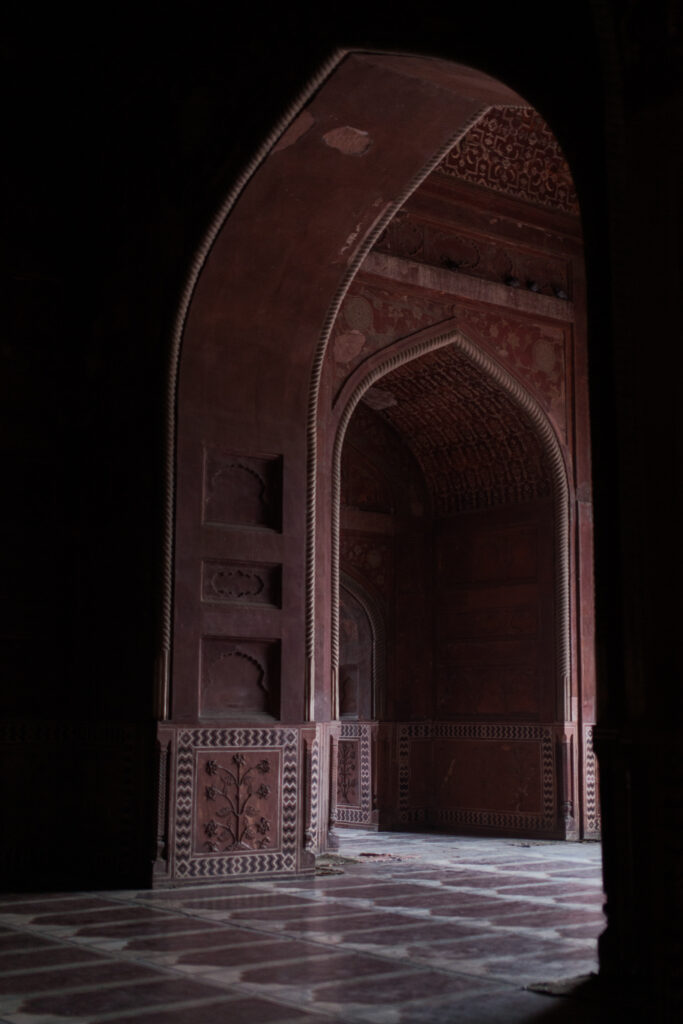
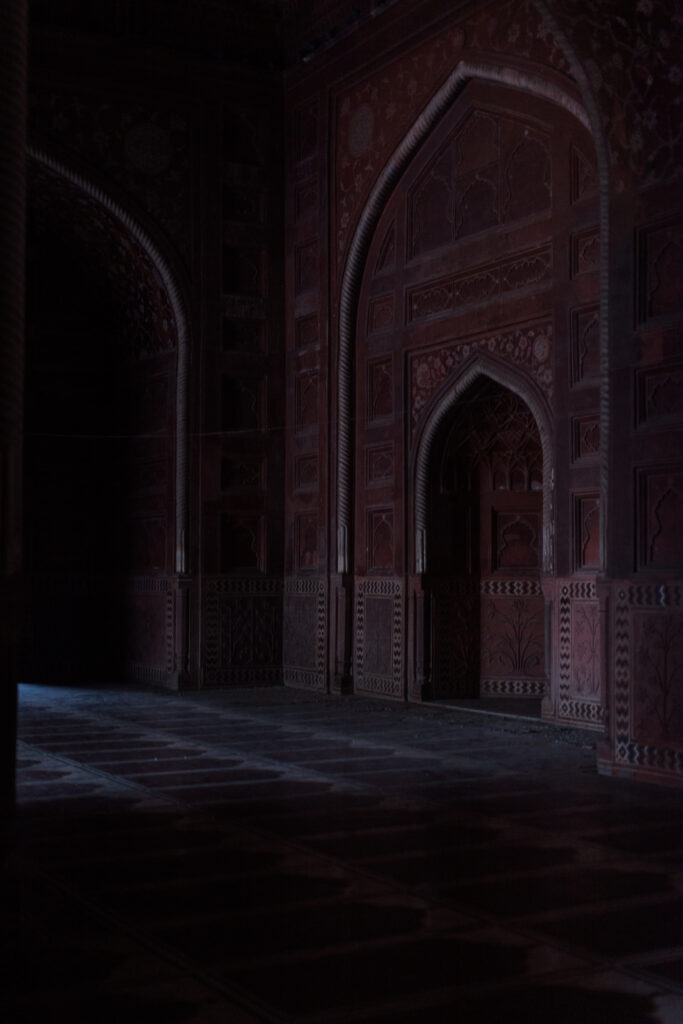
Developing a visual narrative around India’s Golden Triangle photography requires navigating one of the most densely documented travel routes in the world. The circuit connecting Delhi, Agra, and Jaipur offers a concentrated visual history of northern India, where monumental architecture tells the story of competing dynasties and shifting artistic styles. Working through this region means looking past the crowds and tourist buses to find the quiet structural logic, intricate stonework, and subtle daily routines that define these historic sites. By documenting the deep red sandstone ruins of Delhi, the mathematical symmetry of the Taj Mahal, and the rose-hued facades of Jaipur, this series captures the evolving transition from early Mughal structural innovation to late Rajput architectural drama.
Delhi and the Layers of Historic Architecture
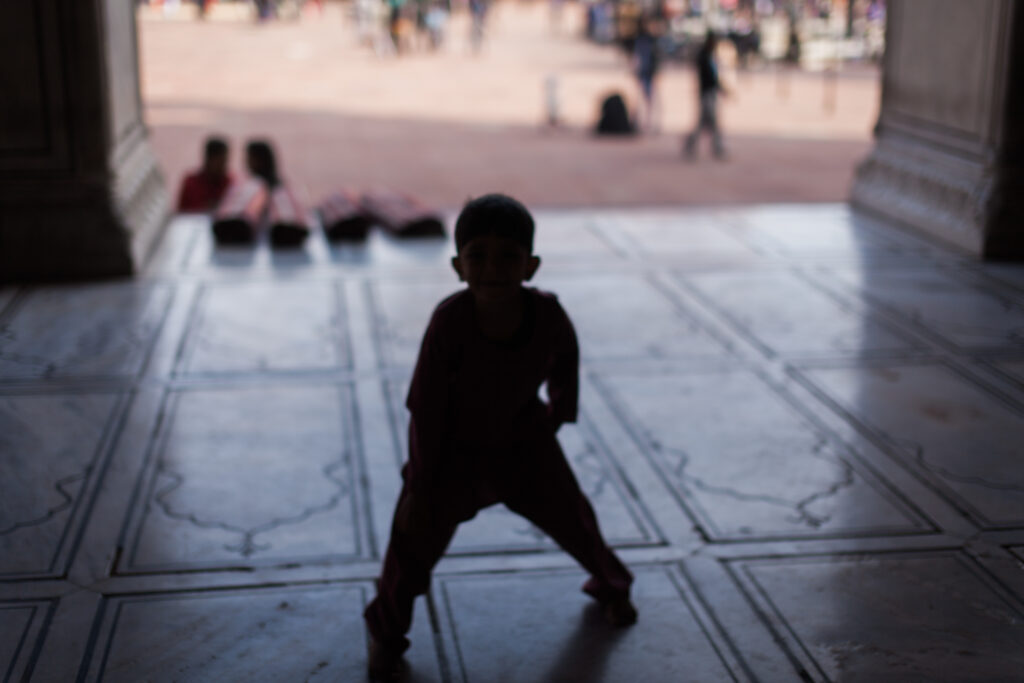
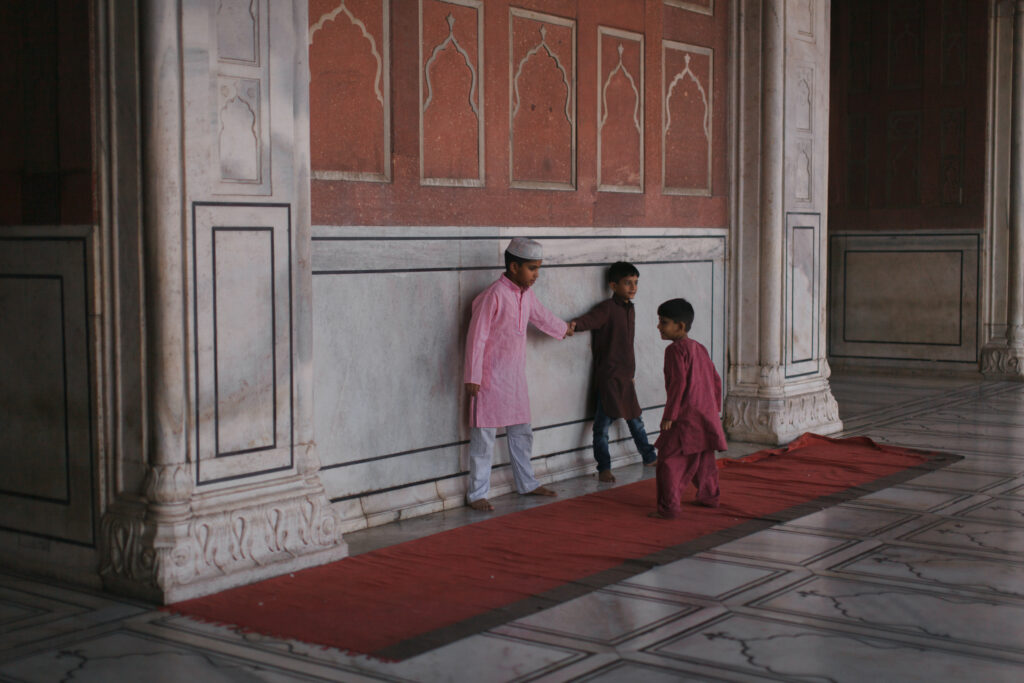
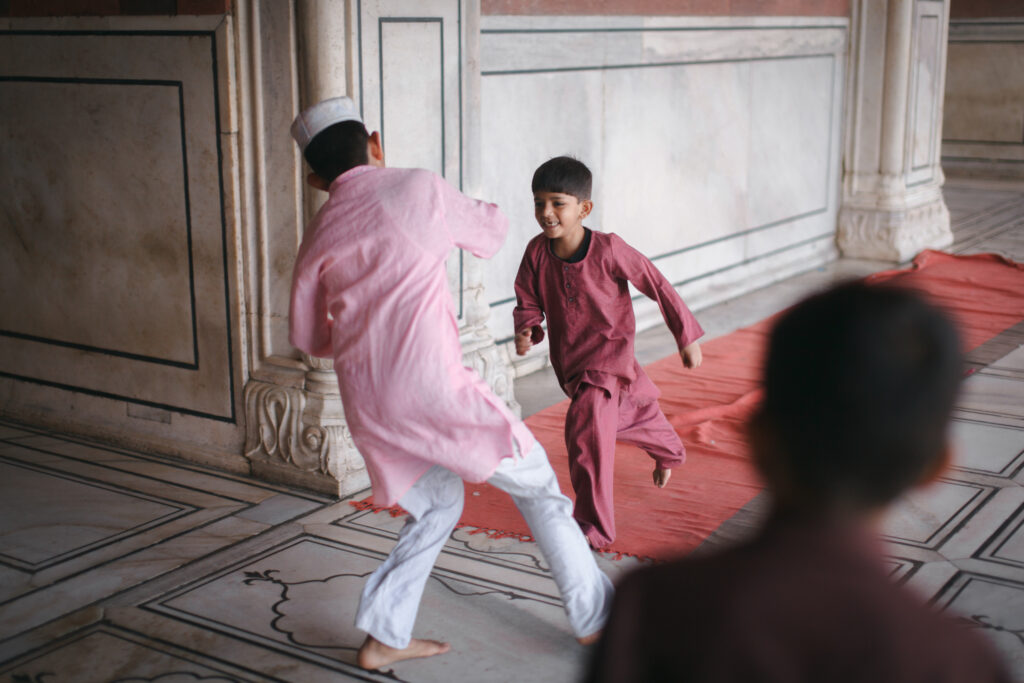
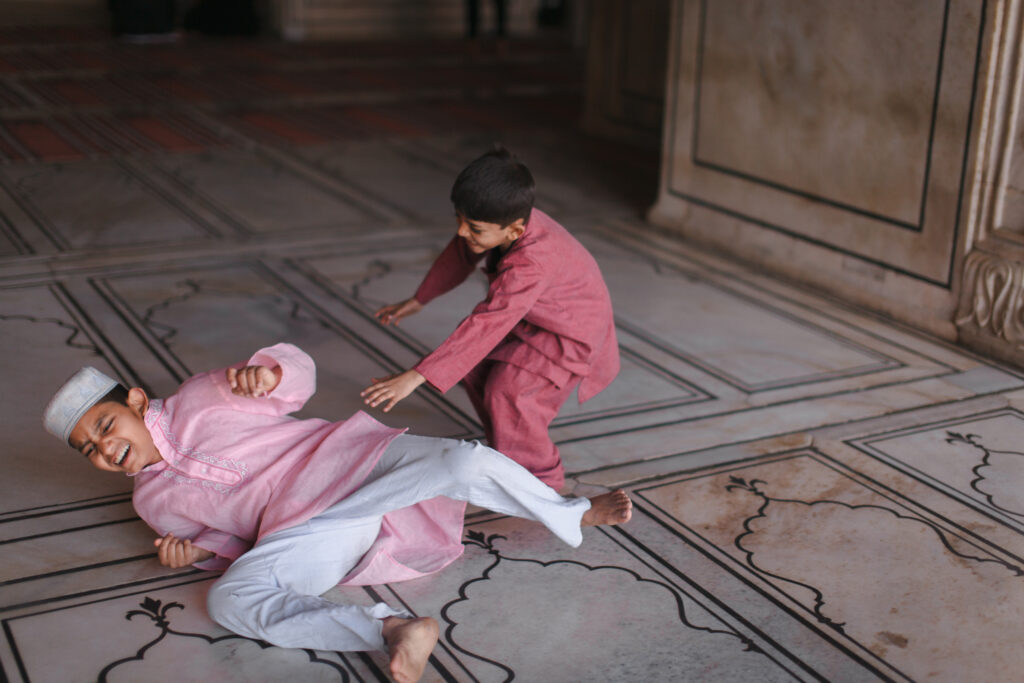
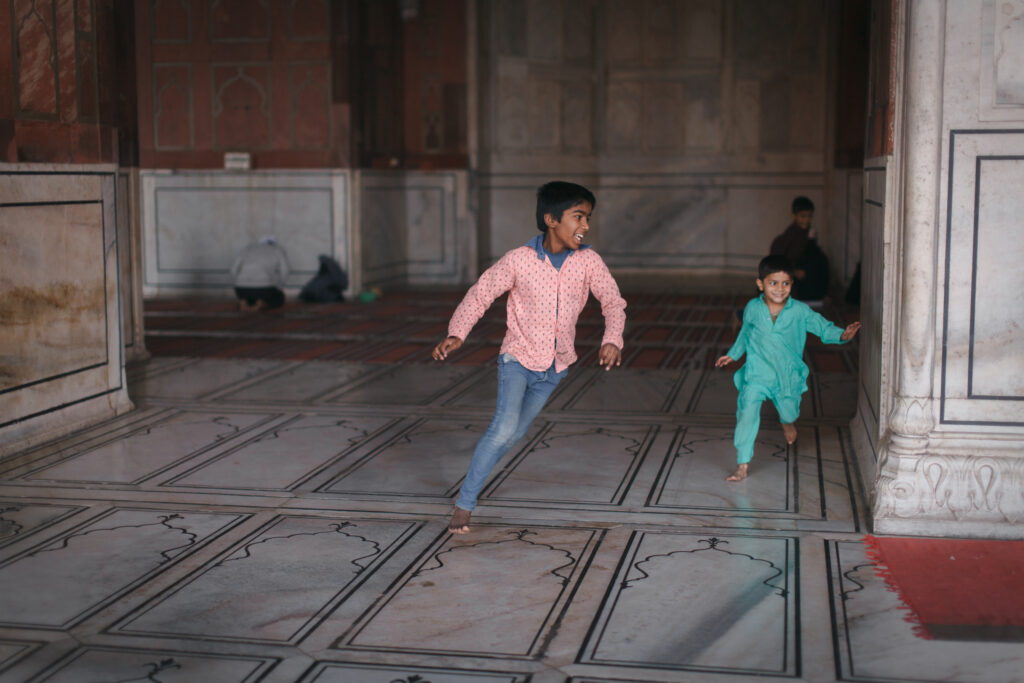
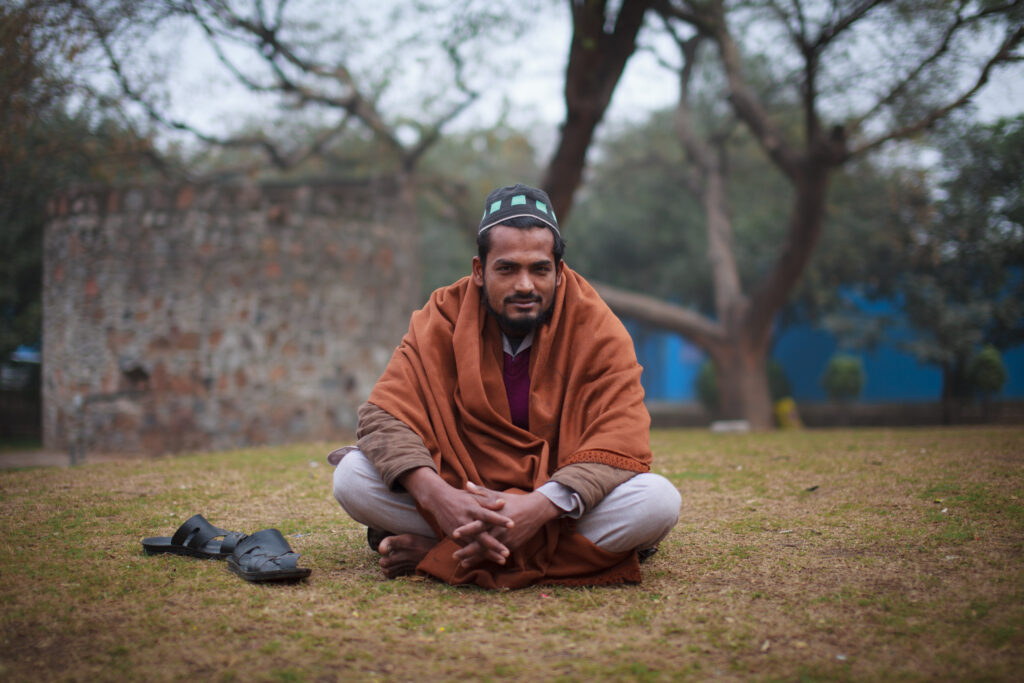
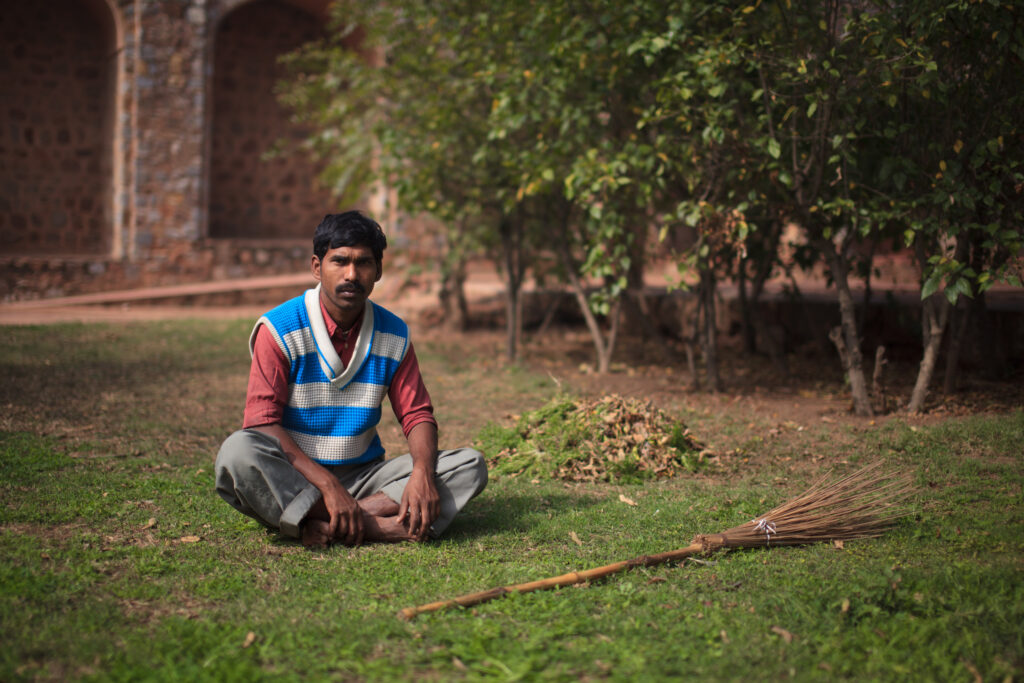
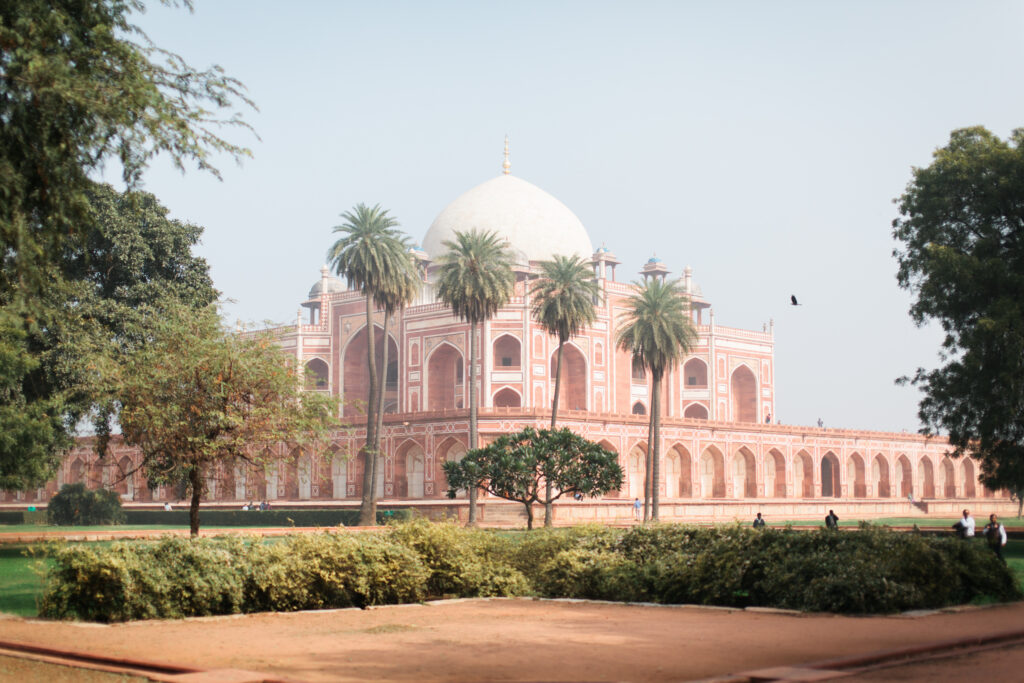
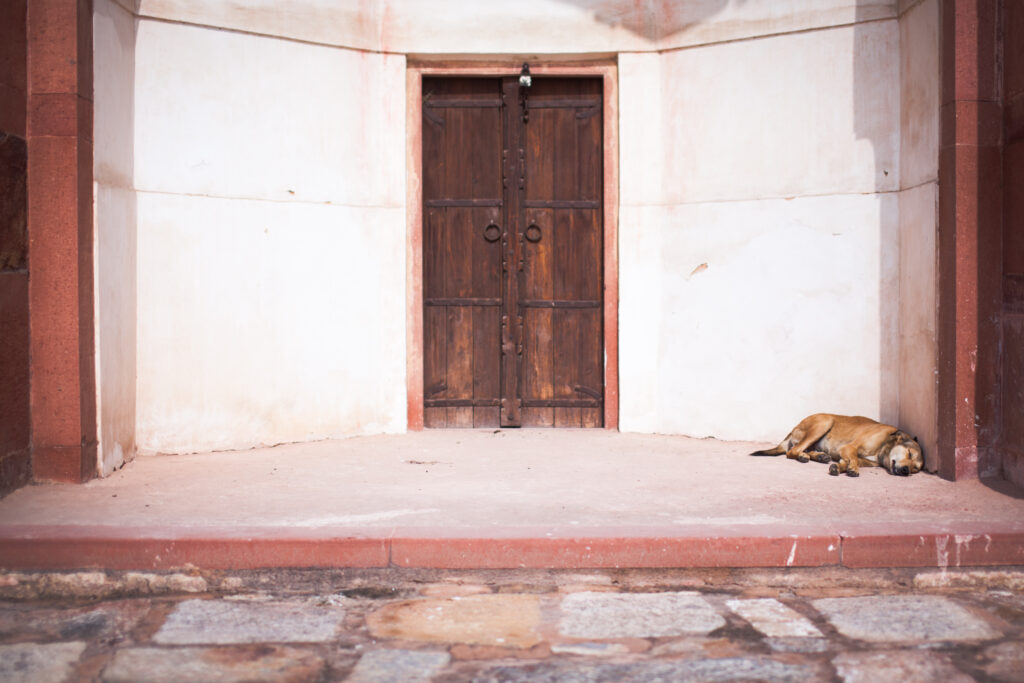
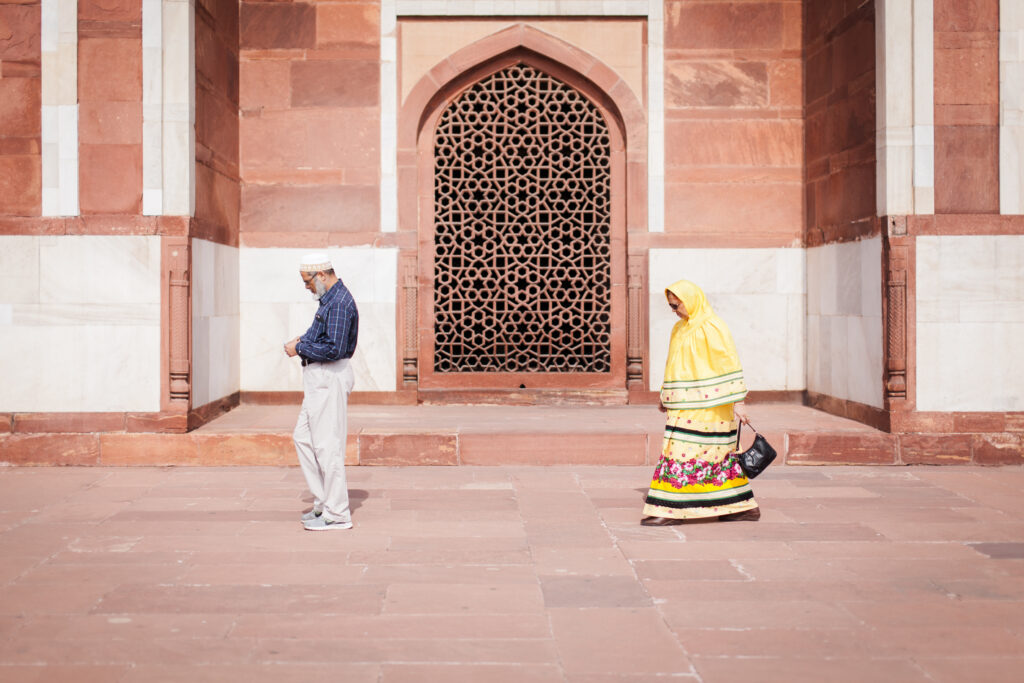
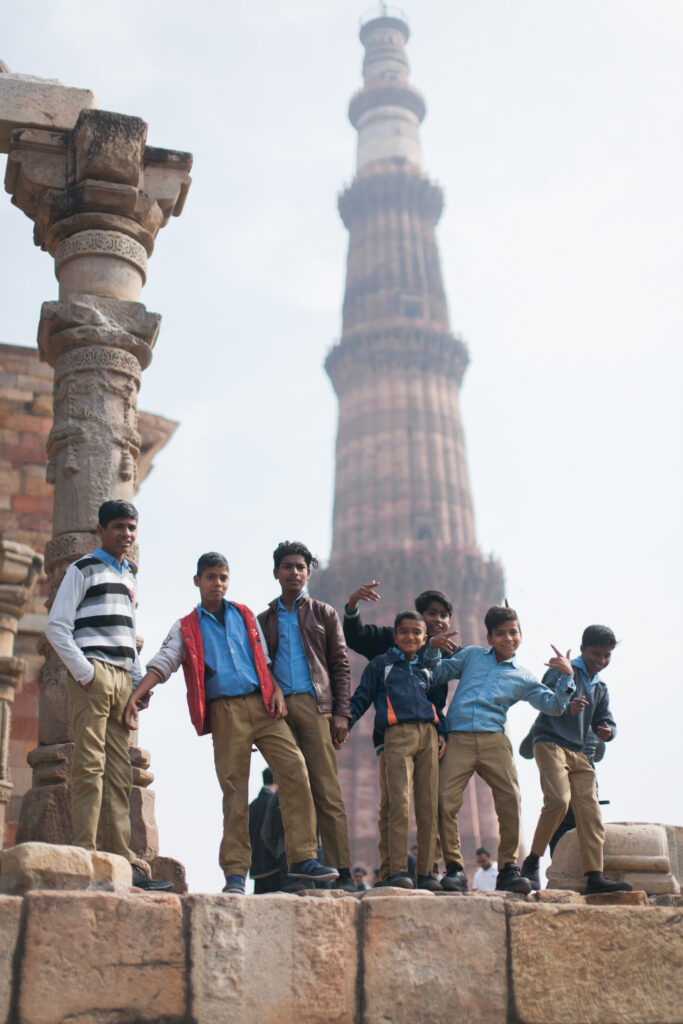
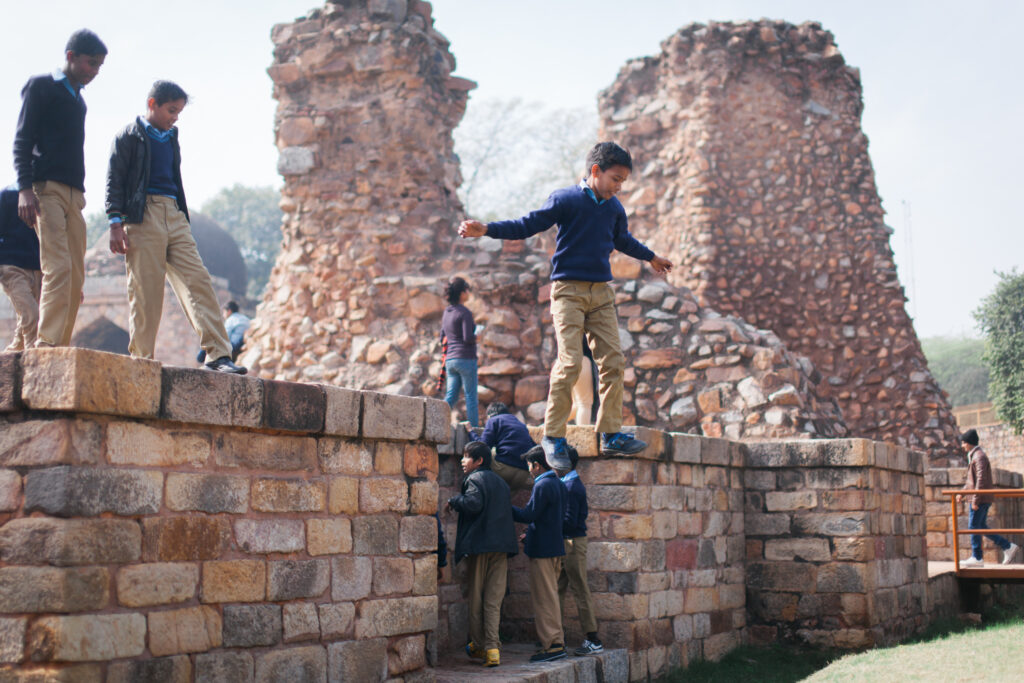
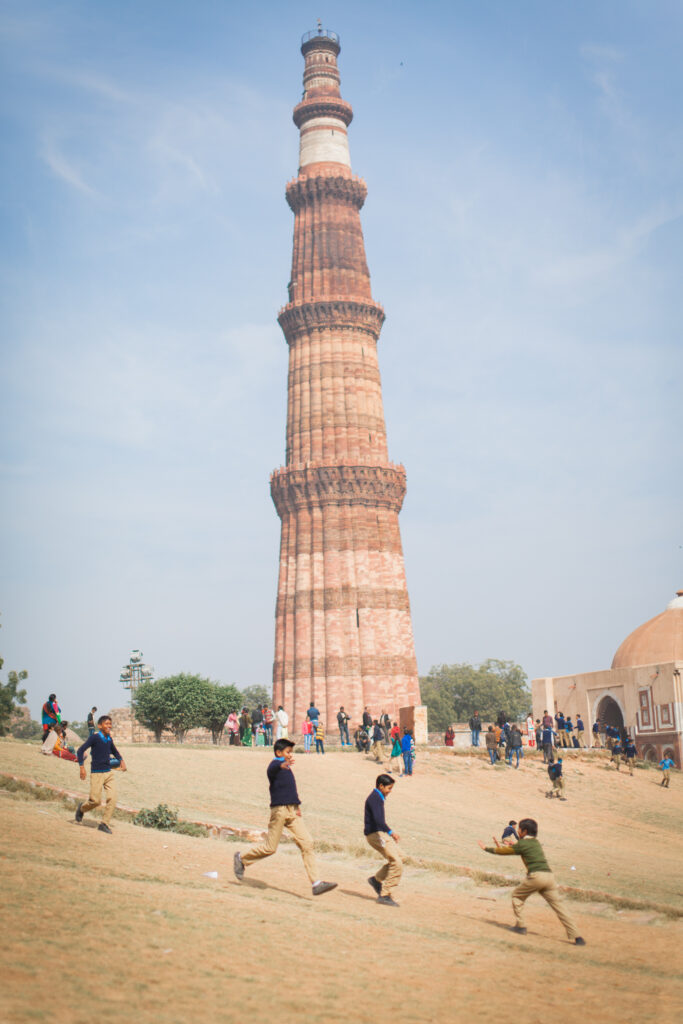
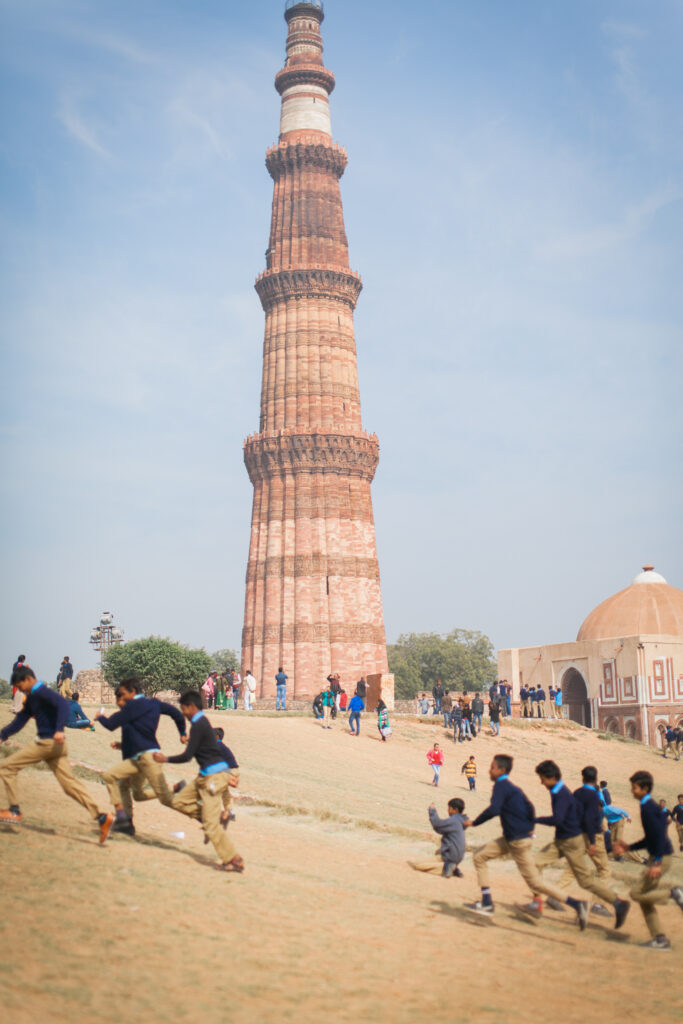
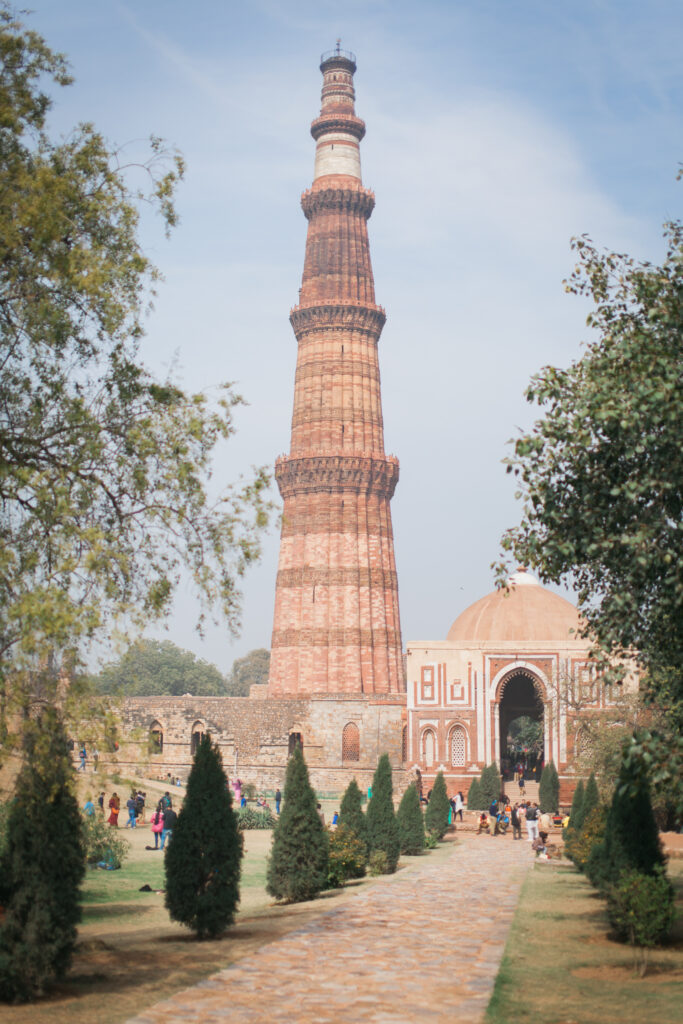
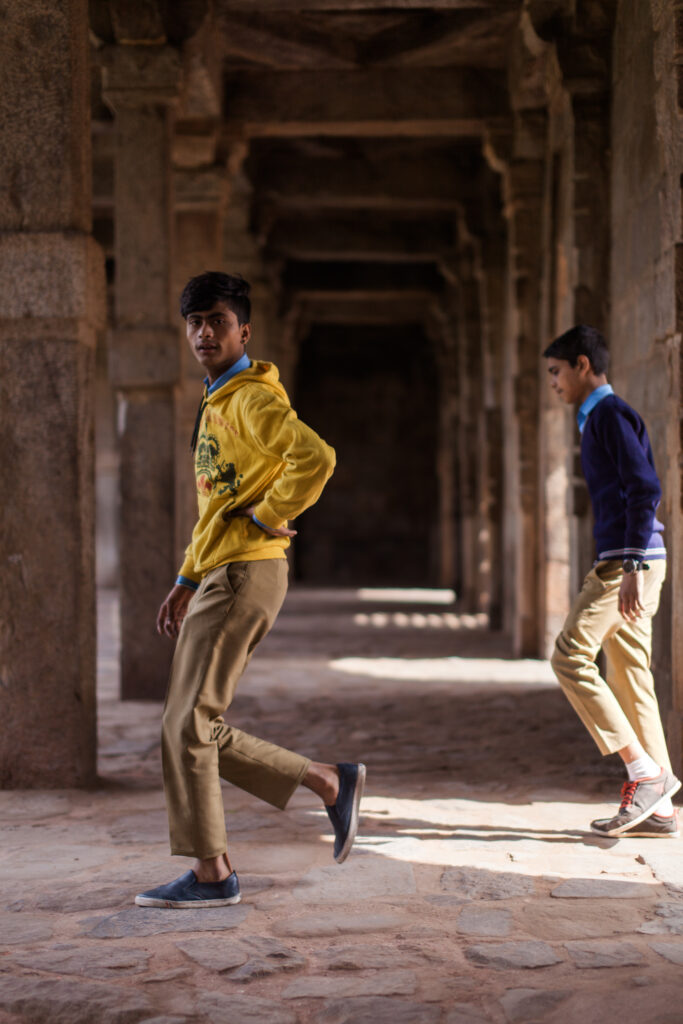
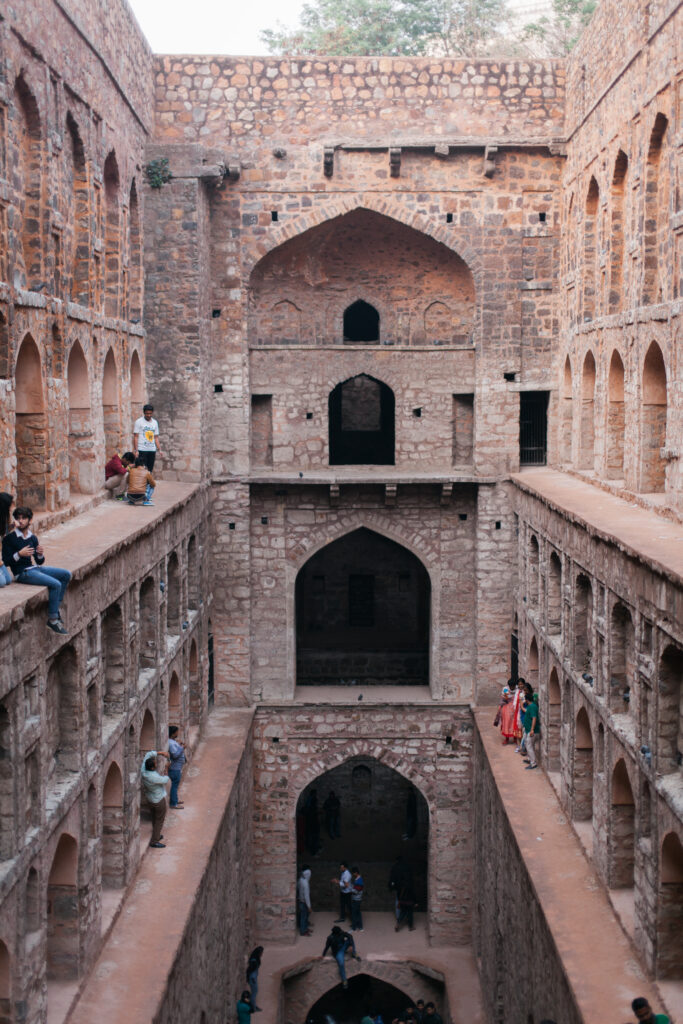
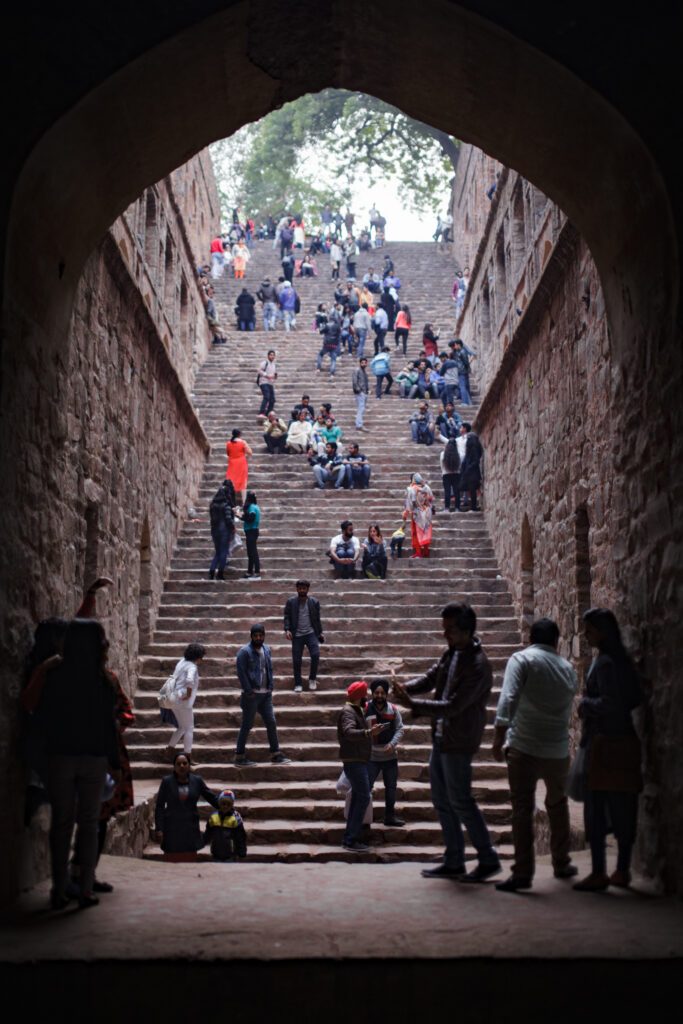
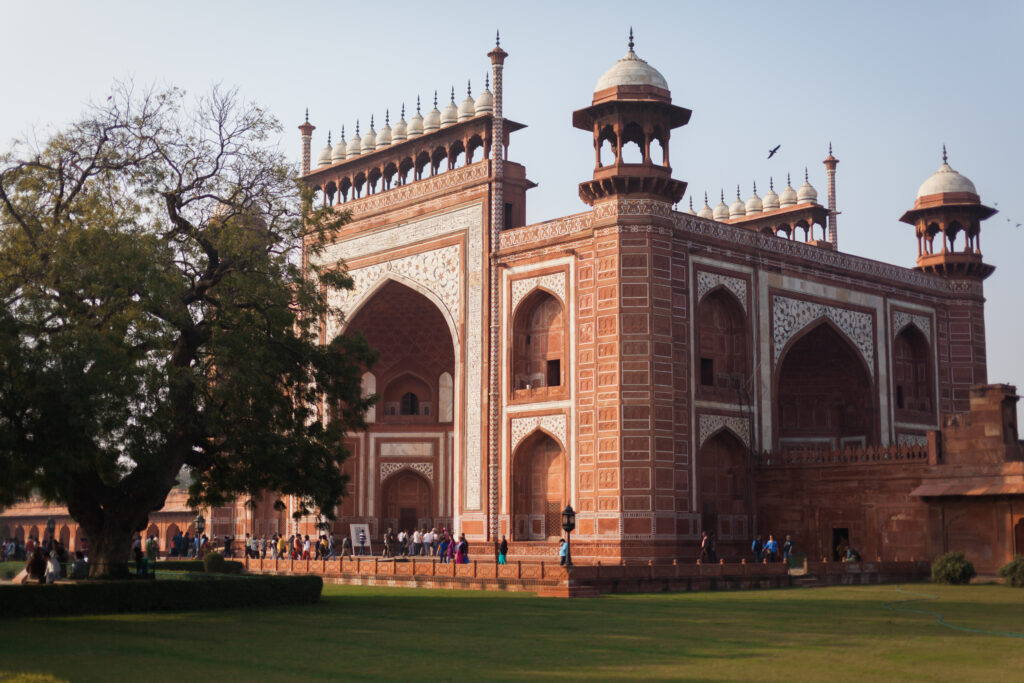
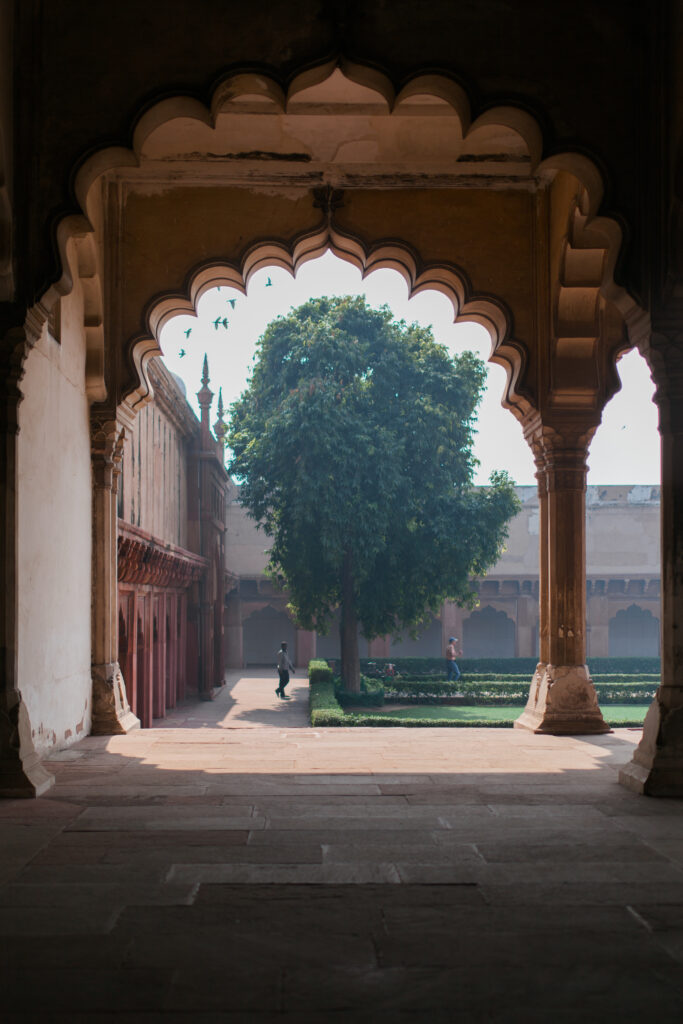
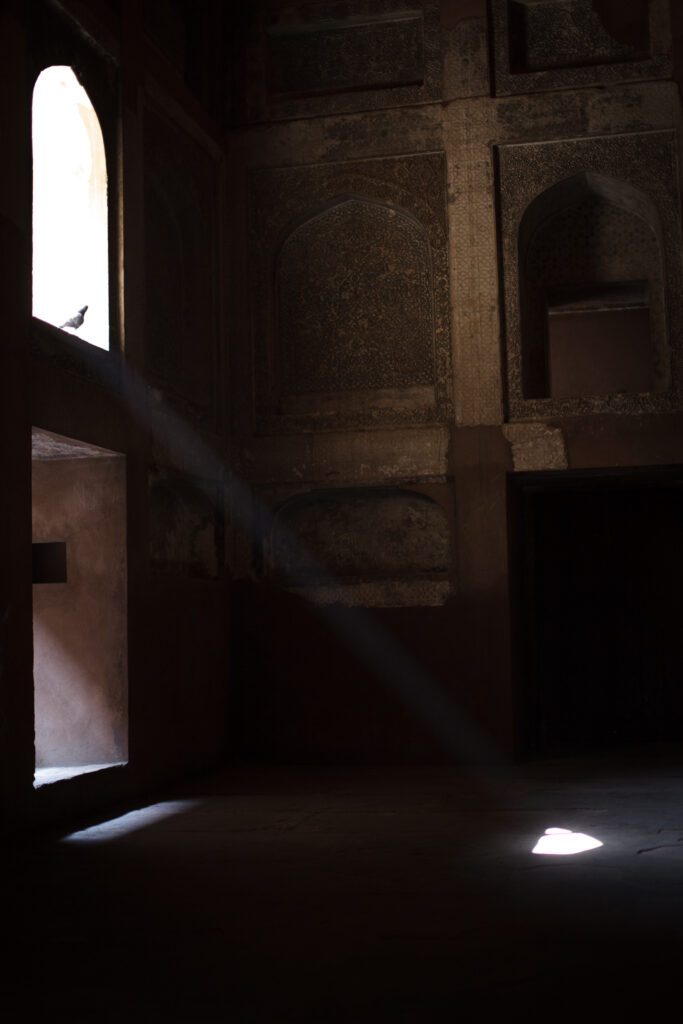
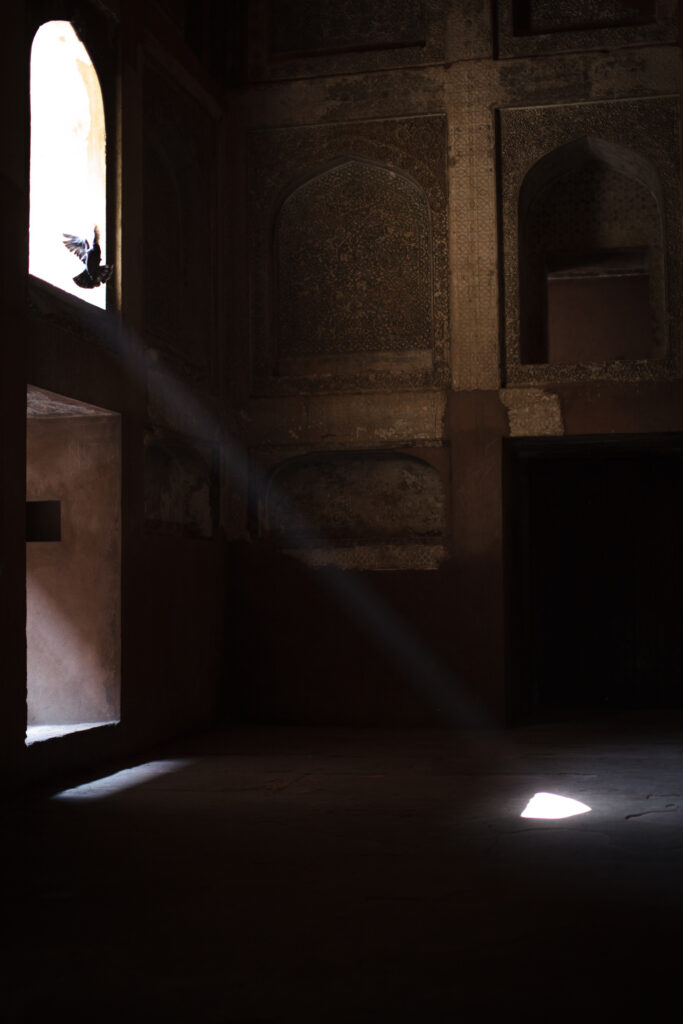
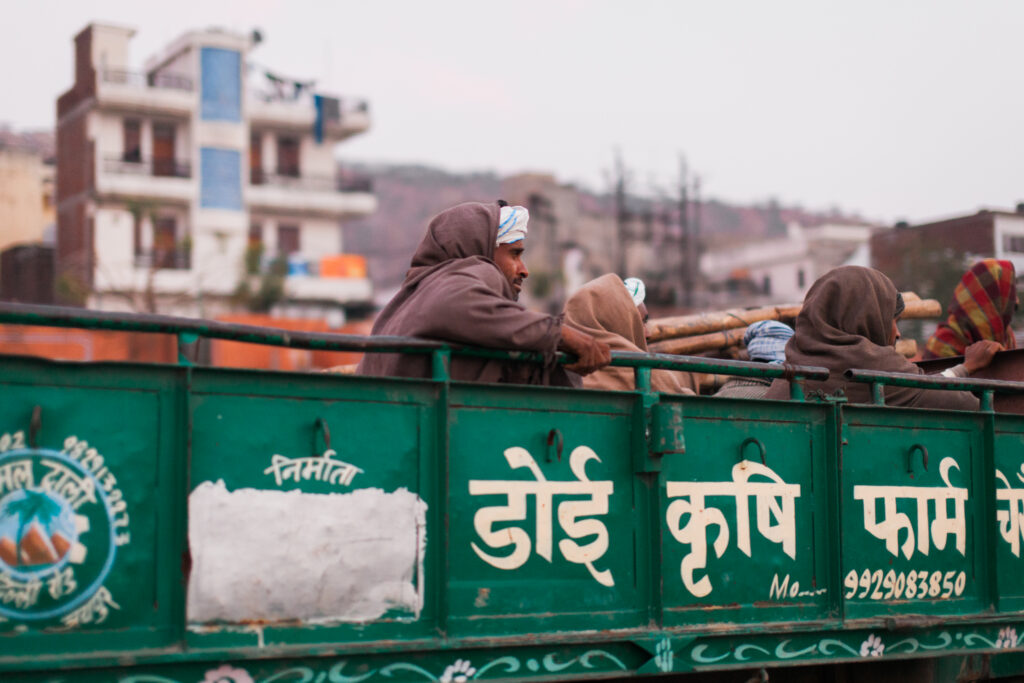
Delhi is an urban landscape built on top of its own past, where ancient monuments sit directly beside sprawling modern avenues and chaotic market streets. I spent long days exploring early Mughal structures, concentrating on the massive red sandstone walls of Humayun’s Tomb and the sharp, rising lines of the Qutub Minar. The main creative challenge in Delhi was capturing the sense of stillness inside these historic enclosures while the relentless, energetic chaos of modern city life continued just beyond their perimeter walls. Early morning light softens the weathered sandstone, highlighting the intricate geometric carvings and deep archways that provided the blueprint for later Islamic architecture across the subcontinent. Moving through these spaces with a camera requires patience, waiting for moments when human scale aligns with the overwhelming mass of the stone structures.
Agra and the Weightless Precision of Marble
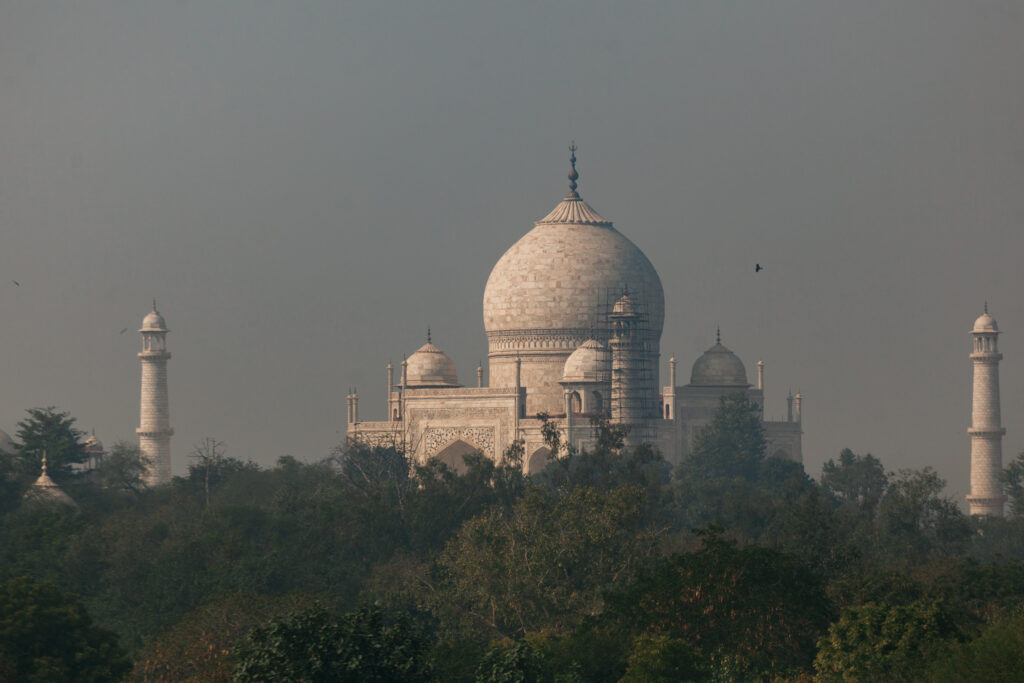
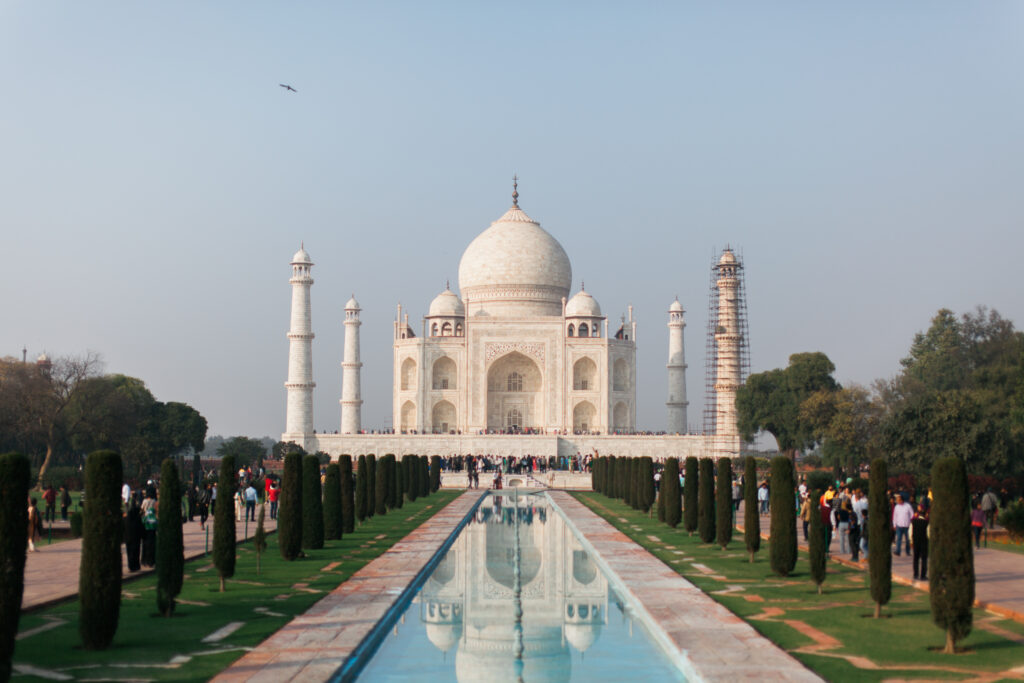
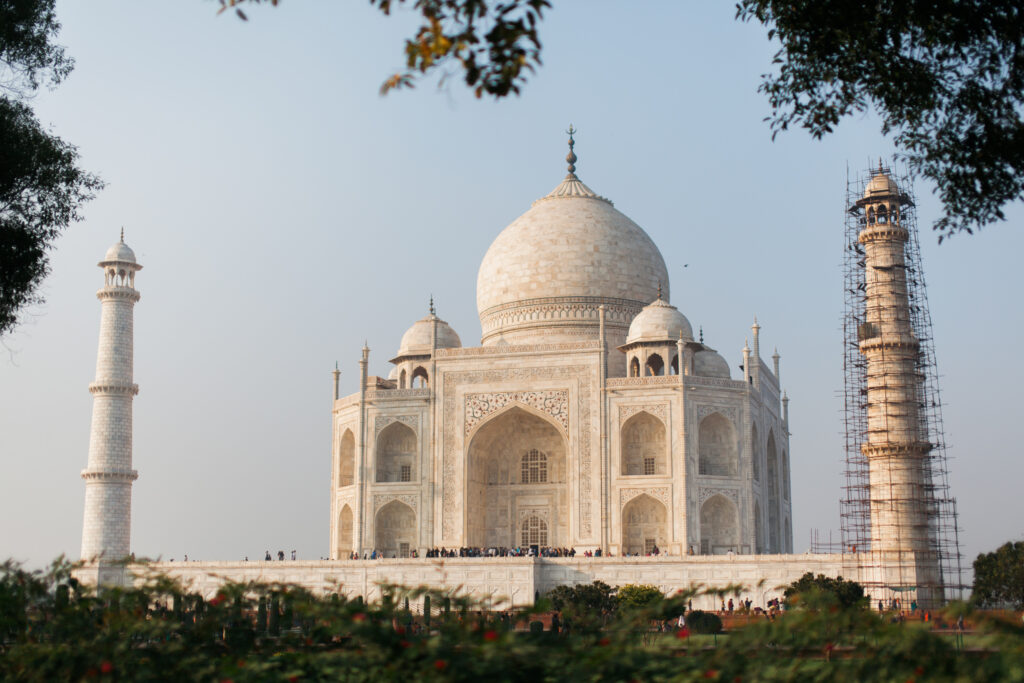
Travelling east to Agra shifts the visual palette dramatically from rough red sandstone to smooth, luminous white marble. The Taj Mahal is widely celebrated, yet standing before it reveals why it remains an absolute masterpiece of mathematical precision and structural balance. Rather than hunting for typical tourist angles, my focus turned toward light, atmospheric tone, and shadow. I documented how the changing position of the sun softens the central dome and casts elongated reflections across the quiet water channels. Capturing the monument in the pale light of dawn highlights the inlay work and delicate marble screens, demonstrating how stone can be carved to appear almost weightless. It is a quiet study in symmetry, where every wall, arch, and courtyard reflects a deliberate pursuit of harmony.
The Rose-Hued Palaces of Jaipur
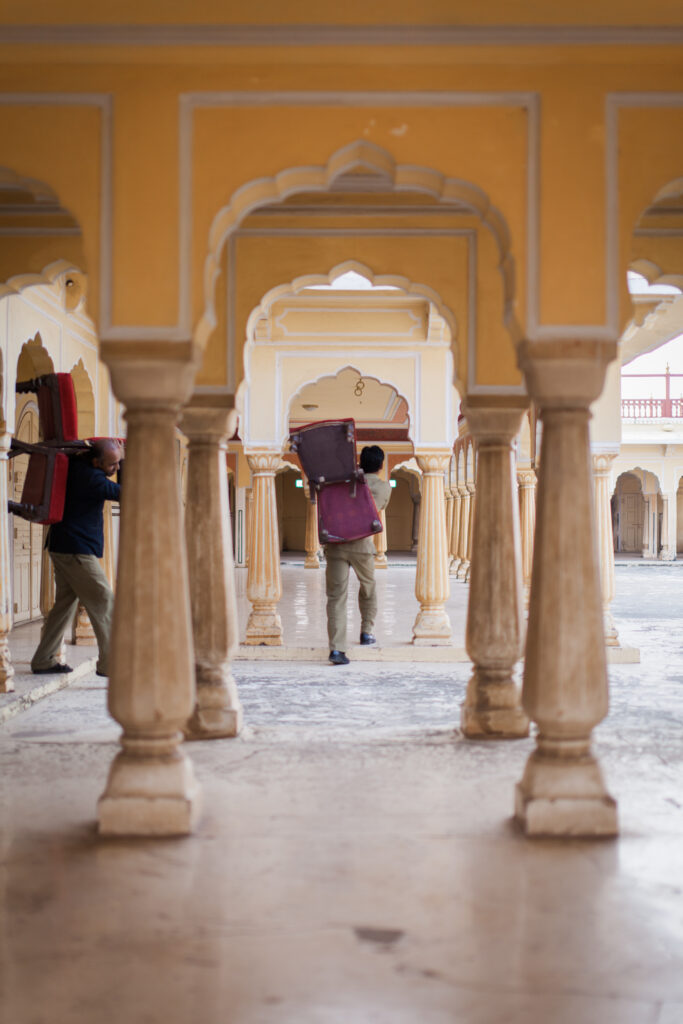
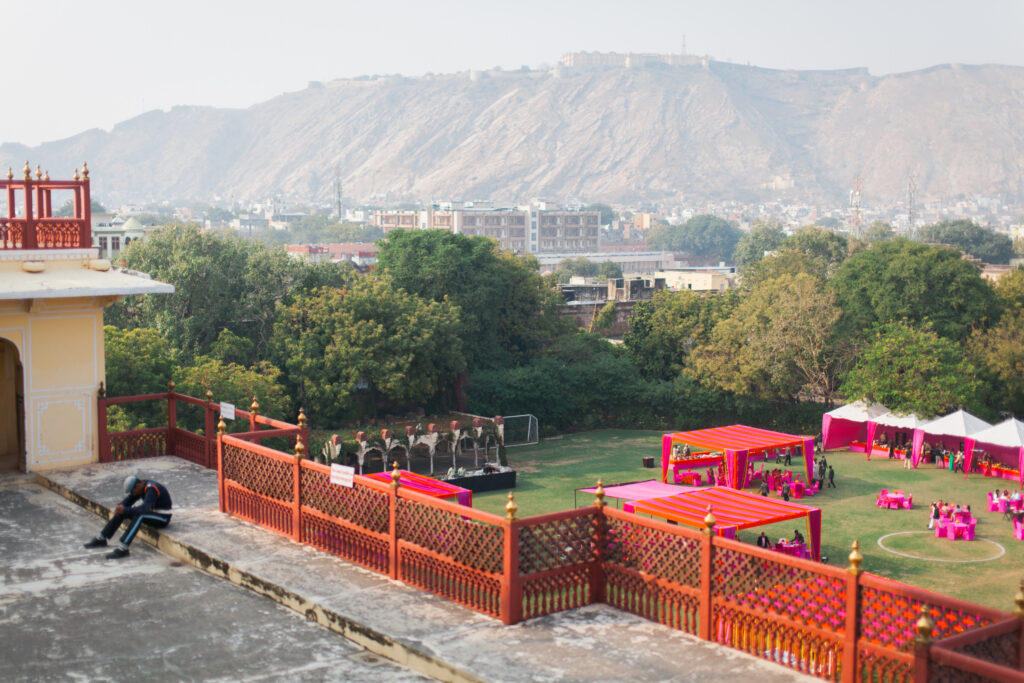
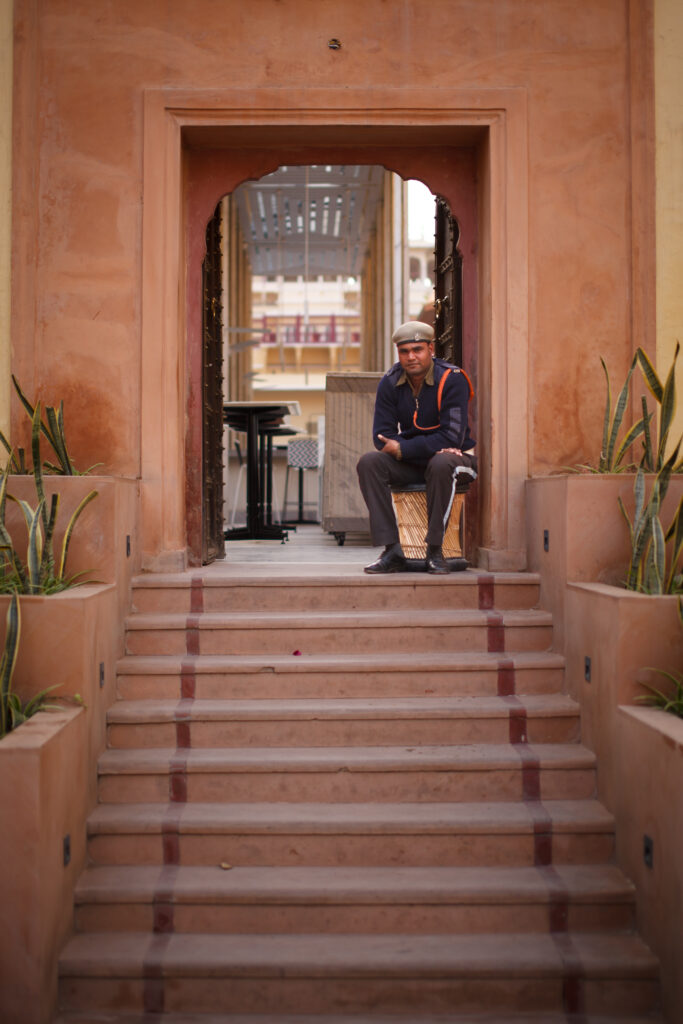
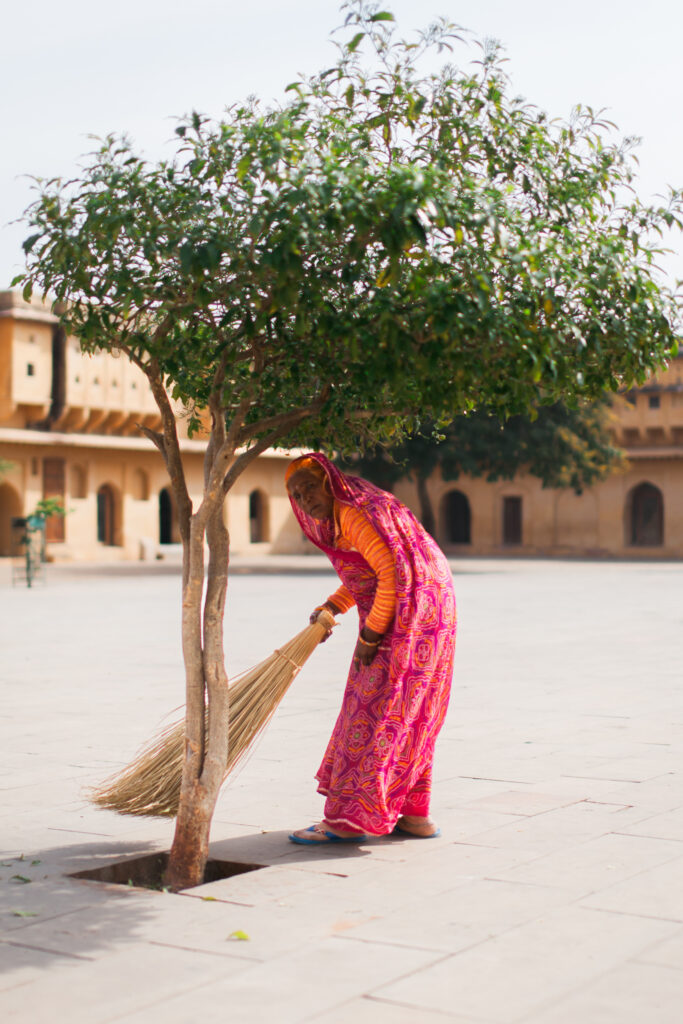
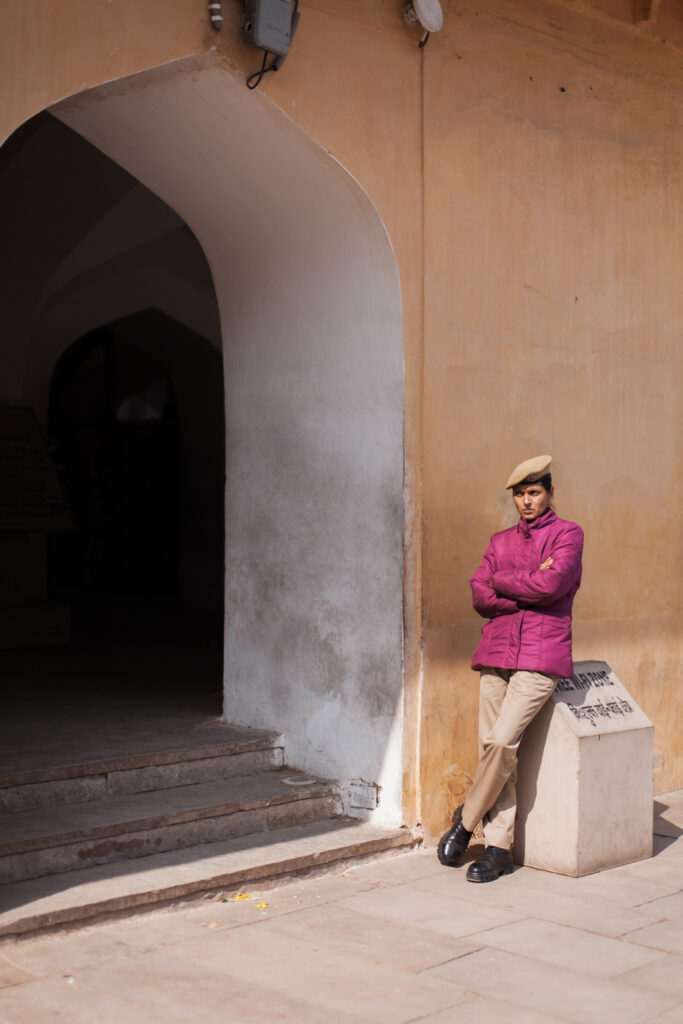
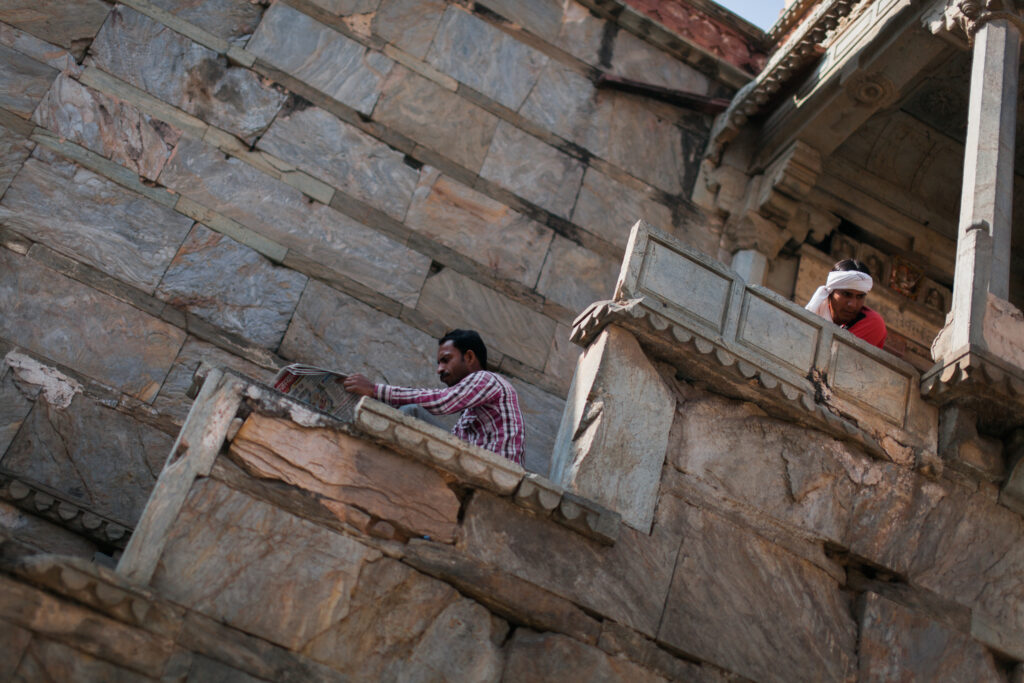
Crossing into Rajasthan brings an entirely different visual rhythm to the series. Jaipur is a city constructed from warm, rose-coloured sandstone that gives its streets a distinct, glowing warmth throughout the day. I documented the old city during late afternoon hours when the pink stone seems to radiate light, emphasising the sharp, theatrical angles of Rajput fortresses and city gates. From the intricate, latticed windows of the Hawa Mahal to the imposing hilltop ramparts of Amer Fort, the architecture in Jaipur reflects a bolder, more defensive sensibility blended with ornamental luxury. The photographs focus on the interplay between deep shadow and warm stone, capturing how these royal spaces continue to function as living backdrops for residents today.
Cultural Synthesis and Architectural Evolution
This collection serves as a visual exploration of how distinct cultures, religions, and architectural traditions influenced one another across centuries of trade, conquest, and artistic exchange. Tracing this historic journey highlights how the heavy, defensive fortifications of early Delhi gradually evolved into the delicate, poetic marble structures of Agra, before culminating in the theatrical, open courtly spaces of Rajasthan. Photographing these three cities together creates a continuous narrative of endurance, craft, and spatial design.
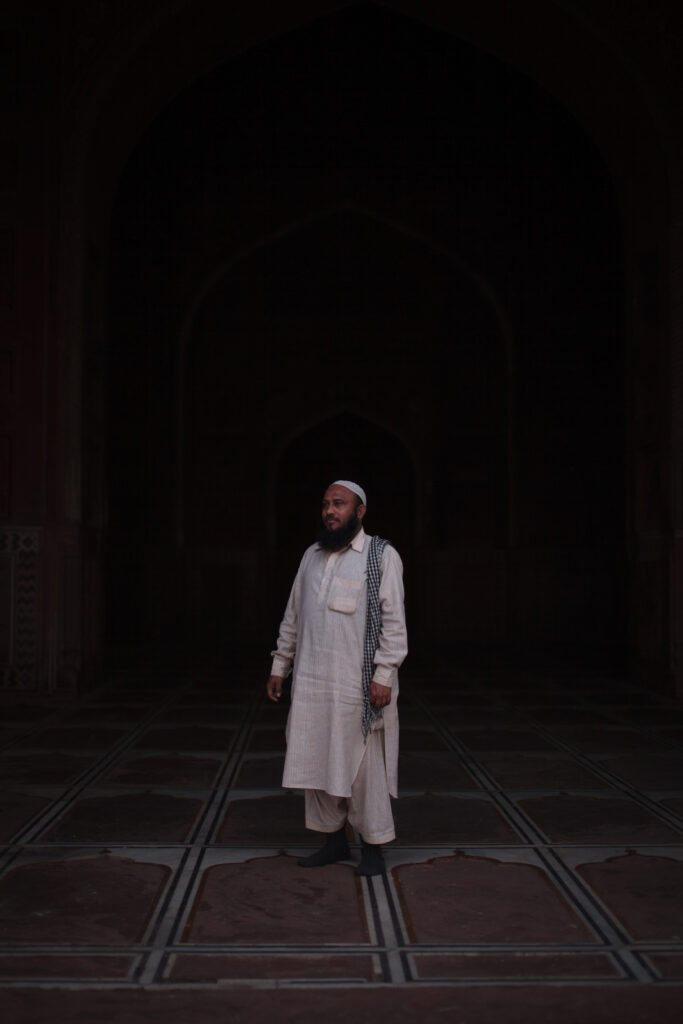
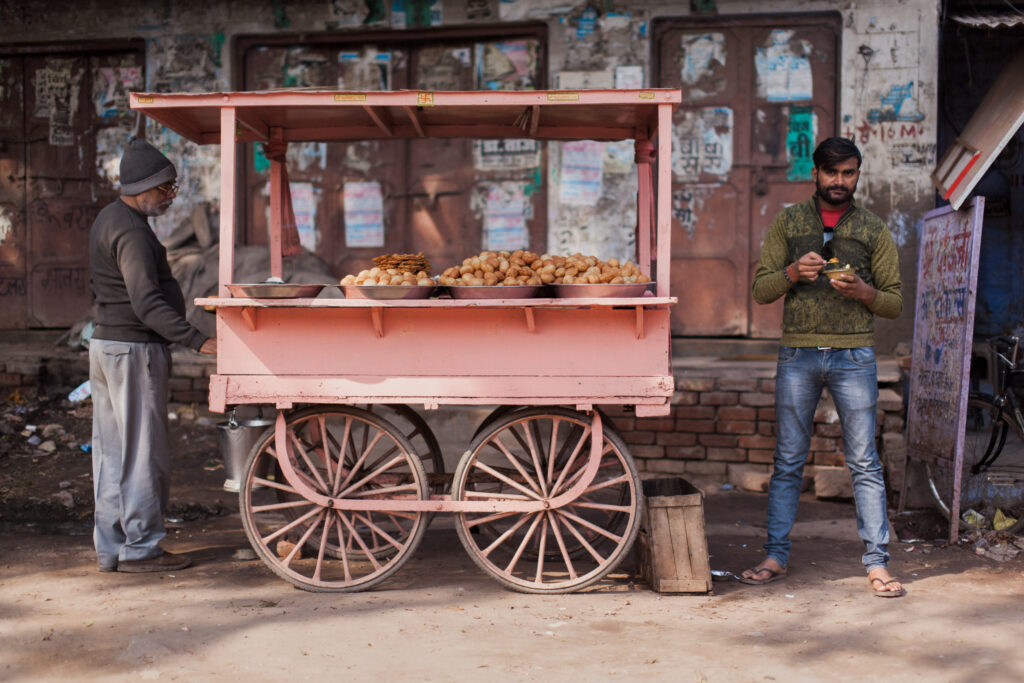
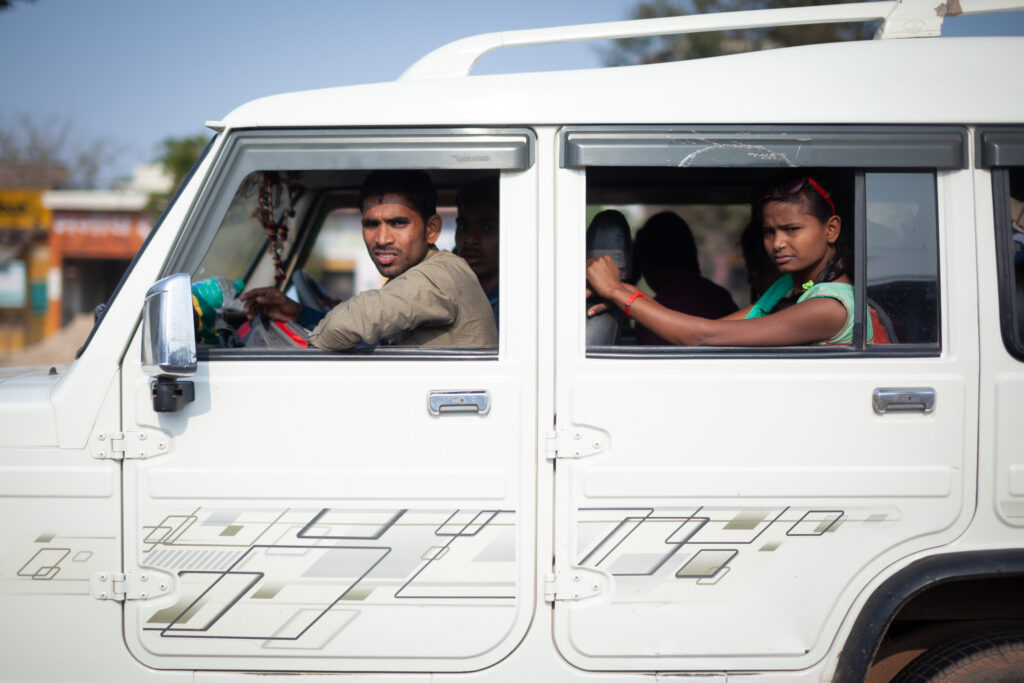
By pairing human-scale details with the vast geometry of palaces and mausoleums, the project moves past familiar promotional images to reveal the living heritage of northern India. Take a look through the selected series below to explore the monuments, streets, and light of the Golden Triangle.
Gallery