
QEERI Green Energy Research Photography
QEERI Green Energy Research Photography: Documenting Qatar’s Science
A photographic library capturing high-tech laboratory research and desert field sites for Qatar’s leading energy and water research institute.
Documenting Science Beyond the Staged Stock Photo
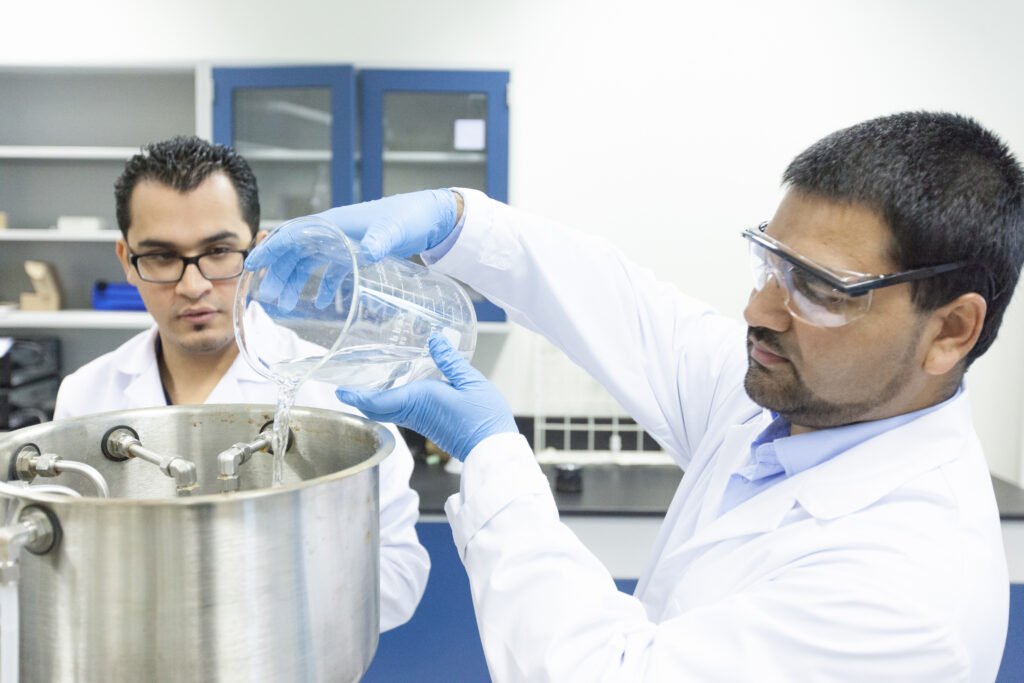
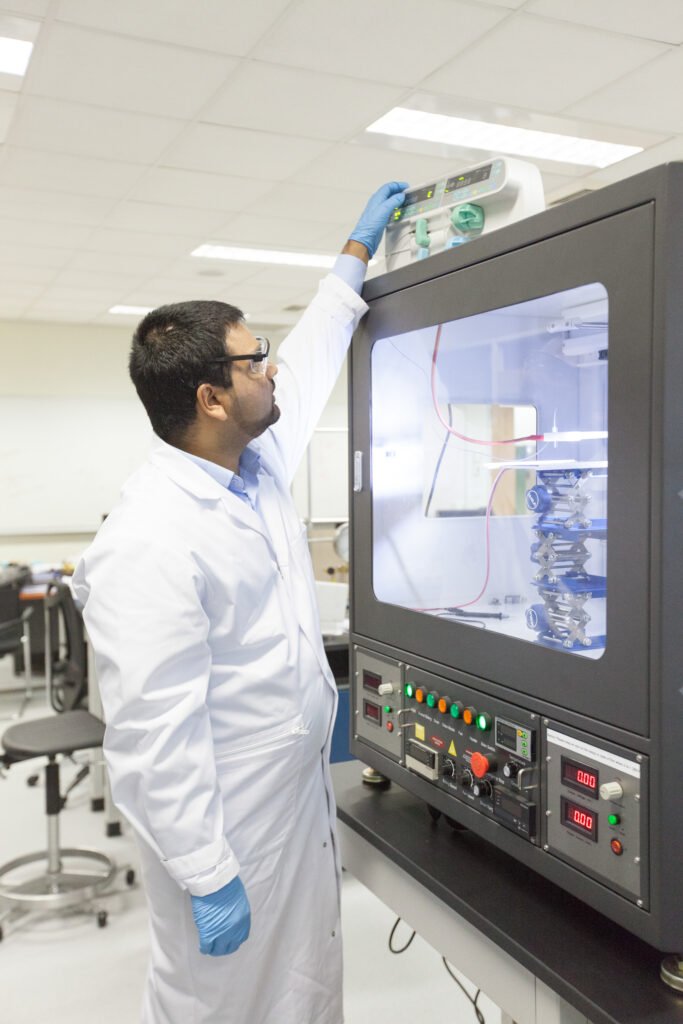
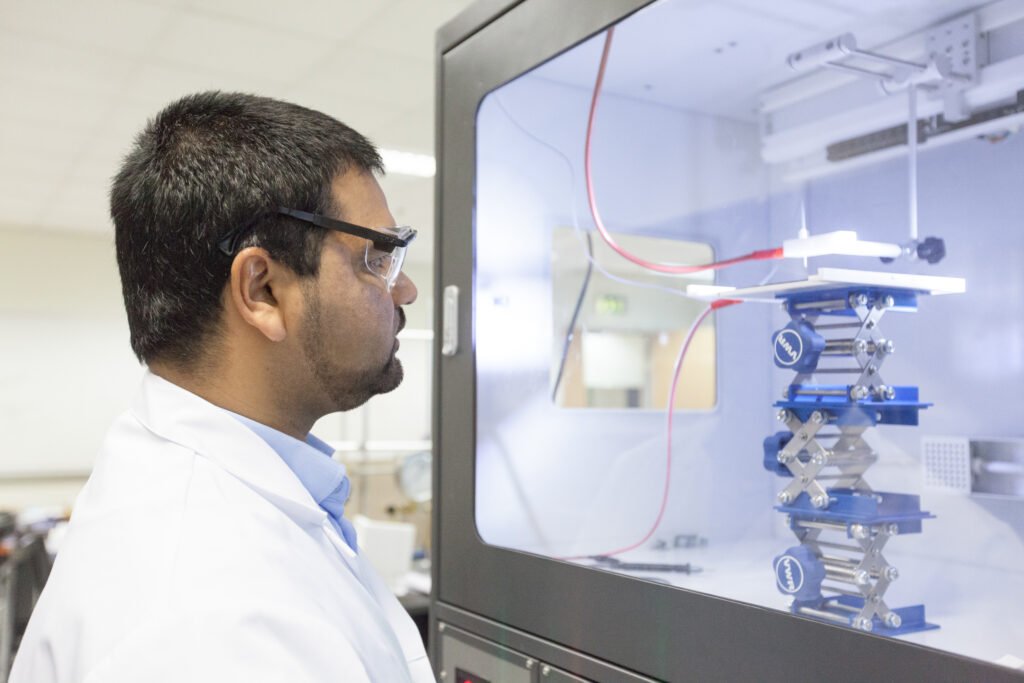
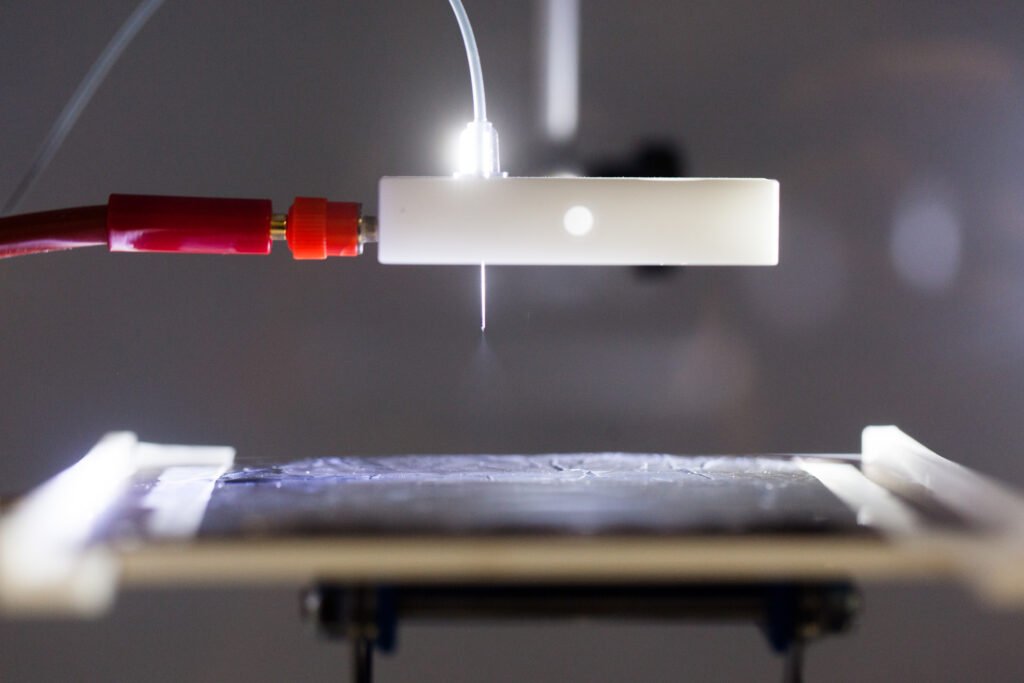
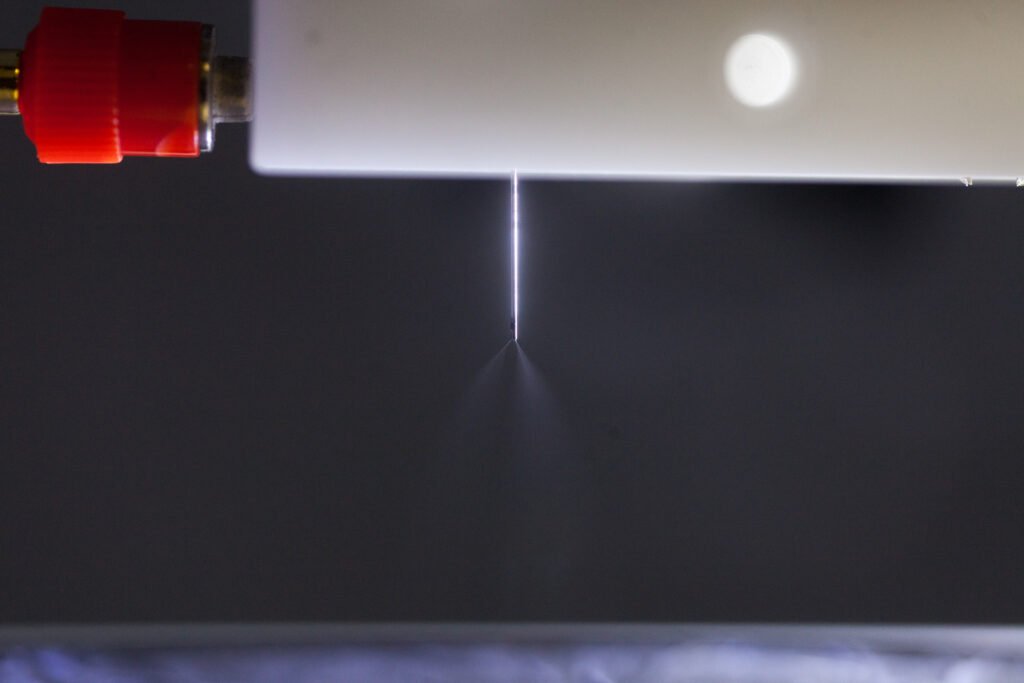
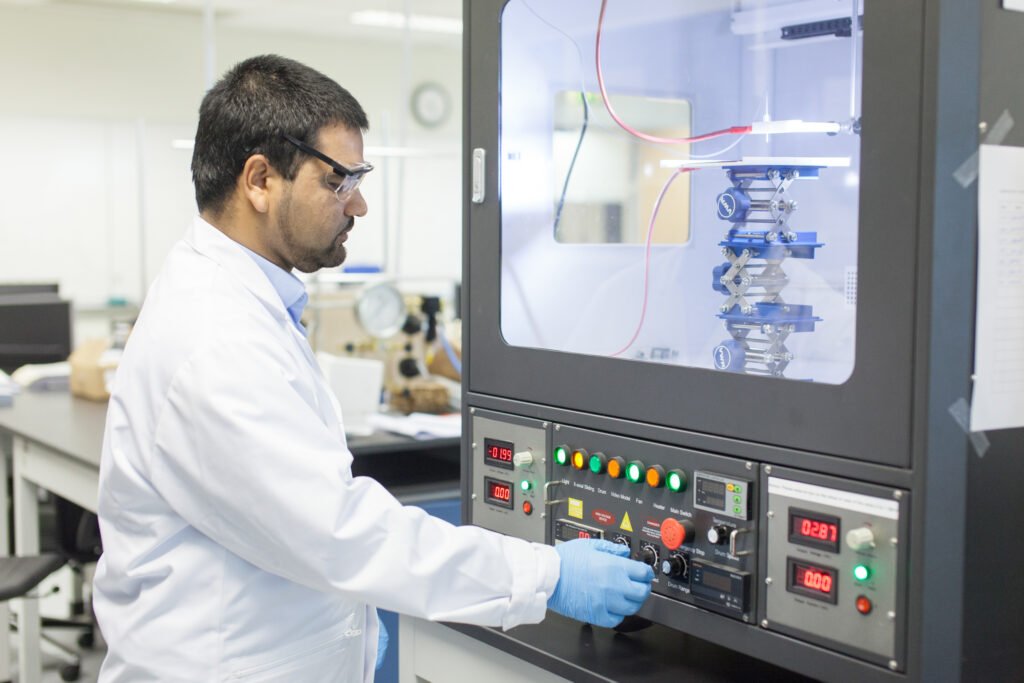
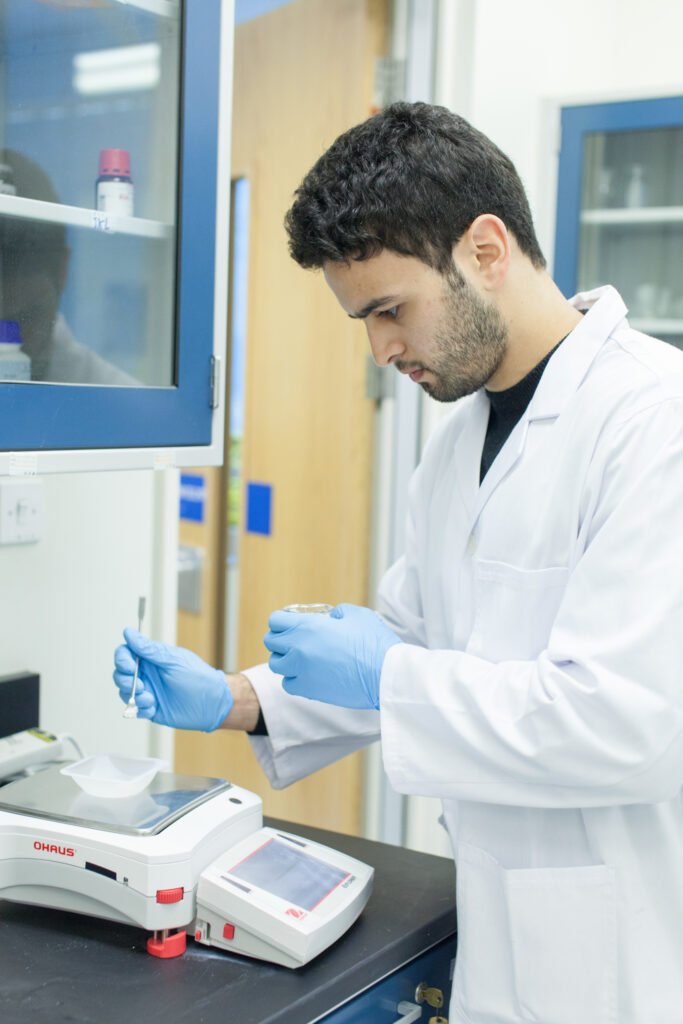
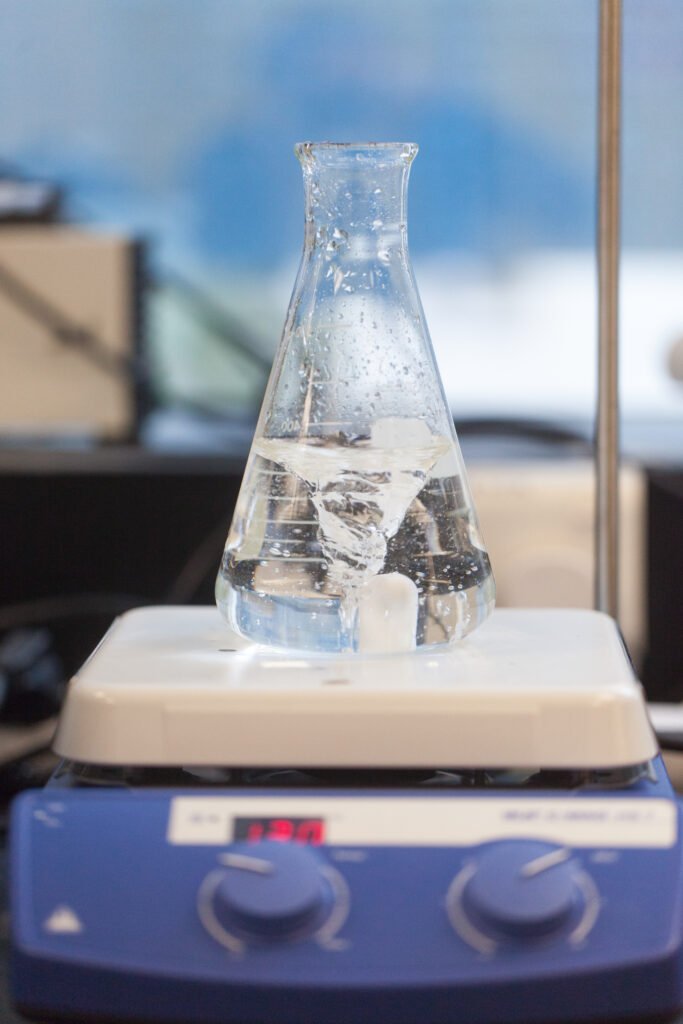
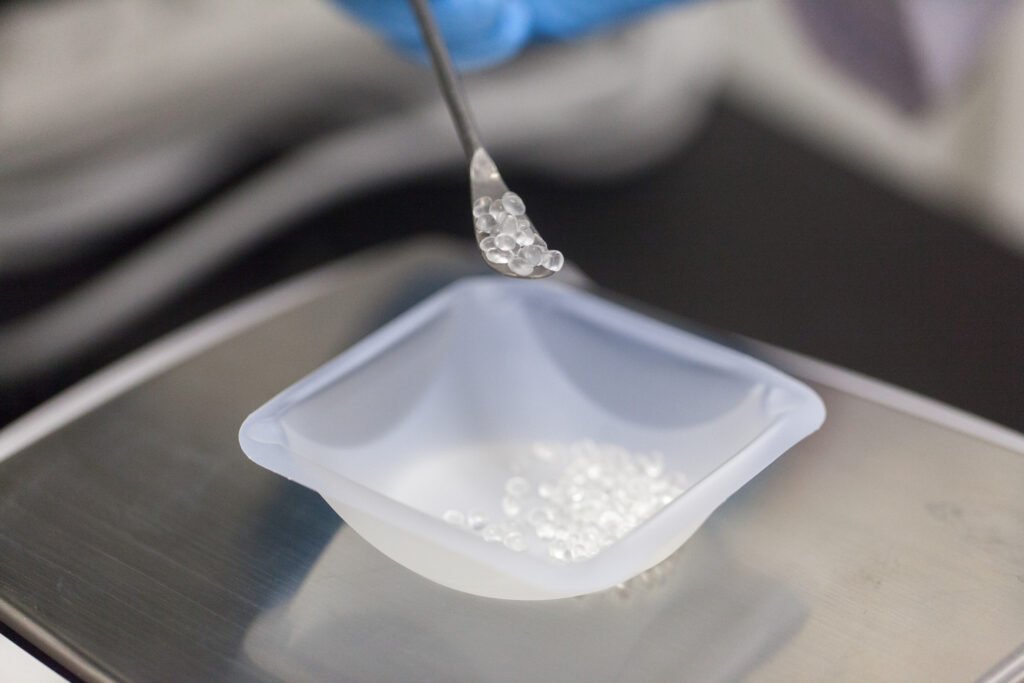
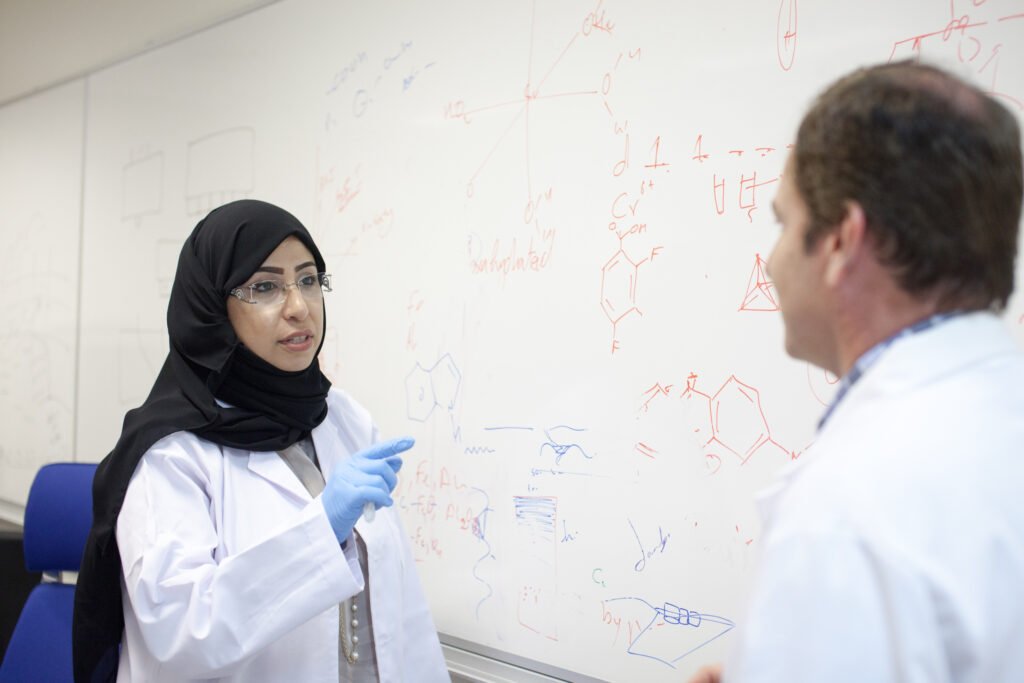
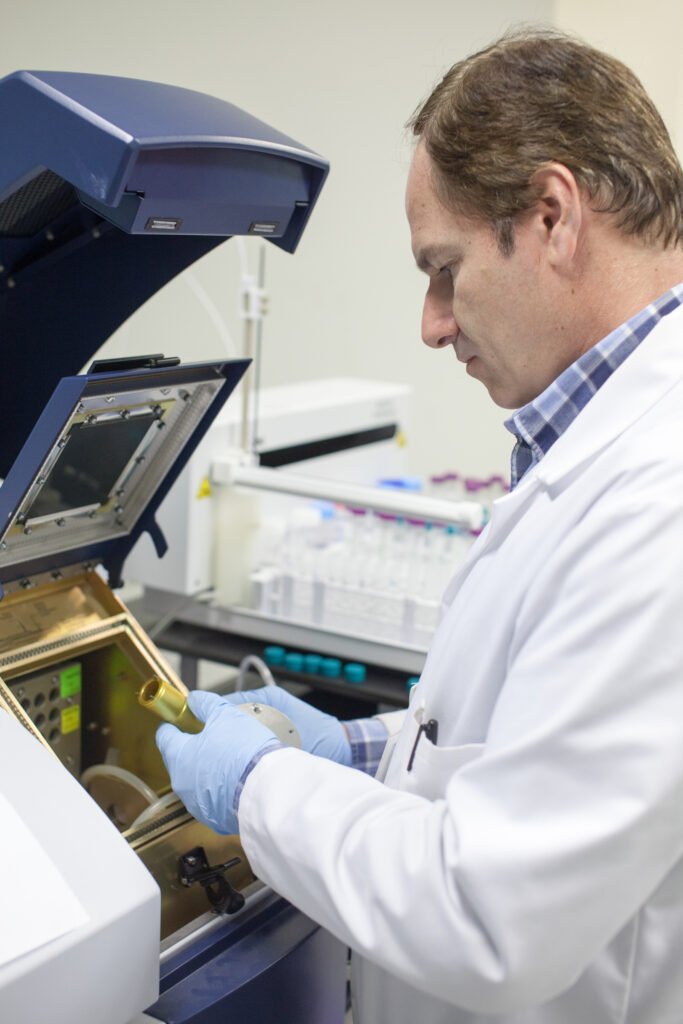
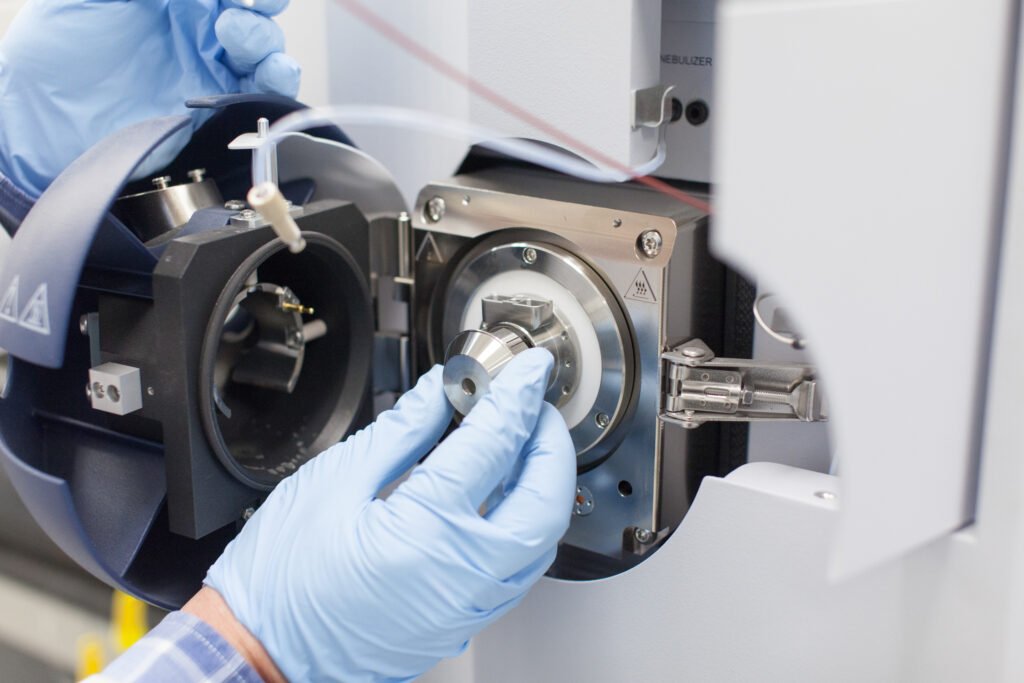
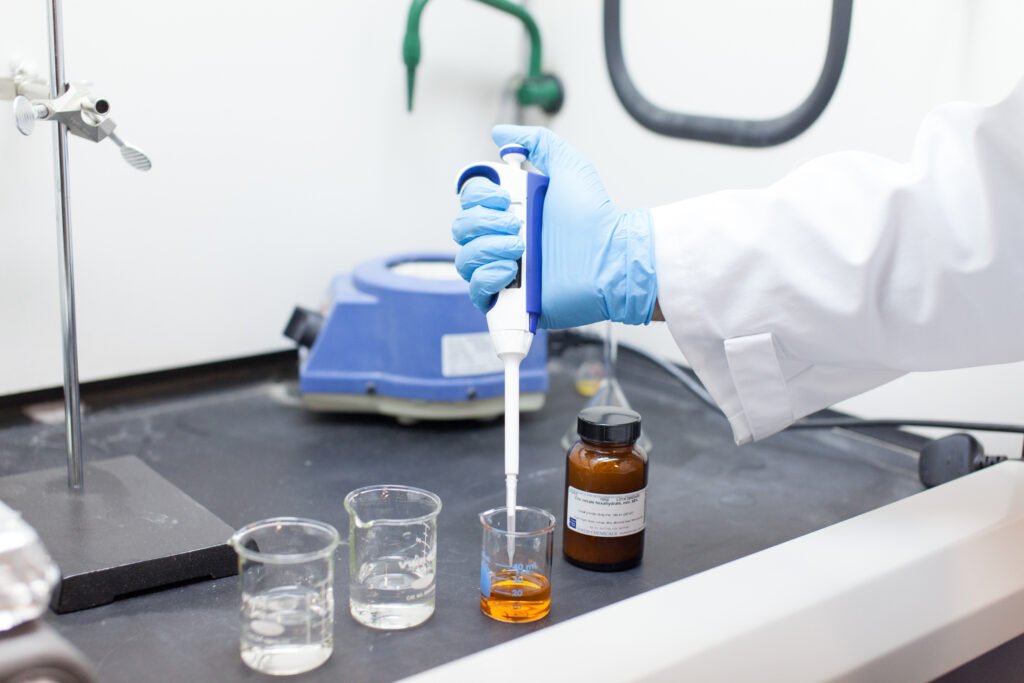
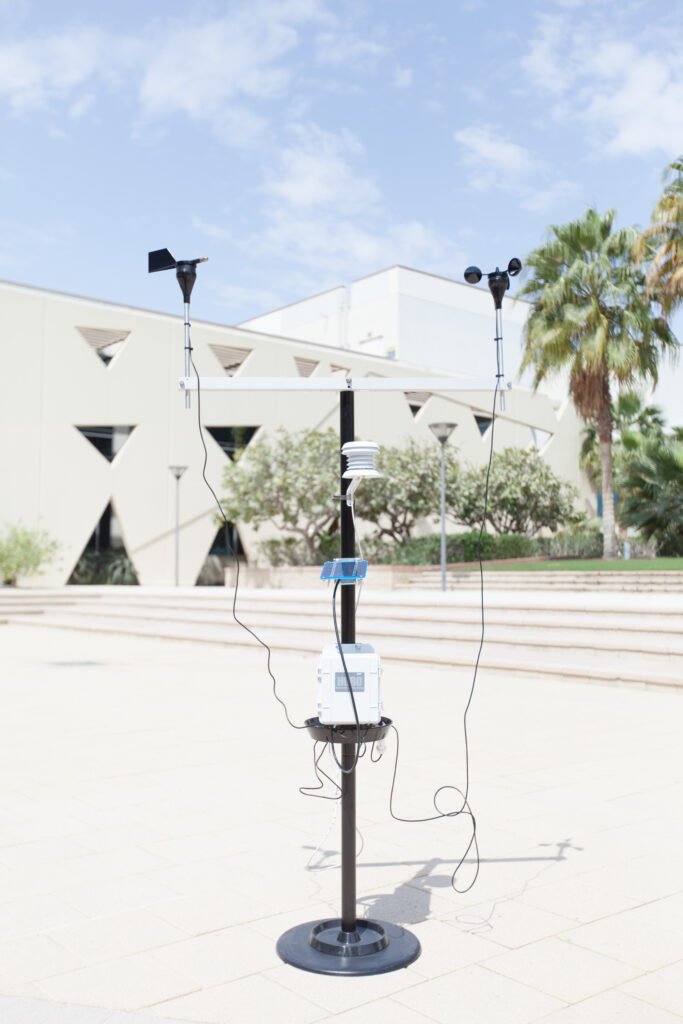
When I was brought in to work on QEERI green energy research photography, the core task was simple: turn complex, high-level scientific work into images that people could actually connect with. The Qatar Environment and Energy Research Institute, operating under Hamad Bin Khalifa University, handles some of the most critical water and energy challenges facing the Gulf region. But scientific research often stays hidden inside air-conditioned laboratories or remote solar testing fields.
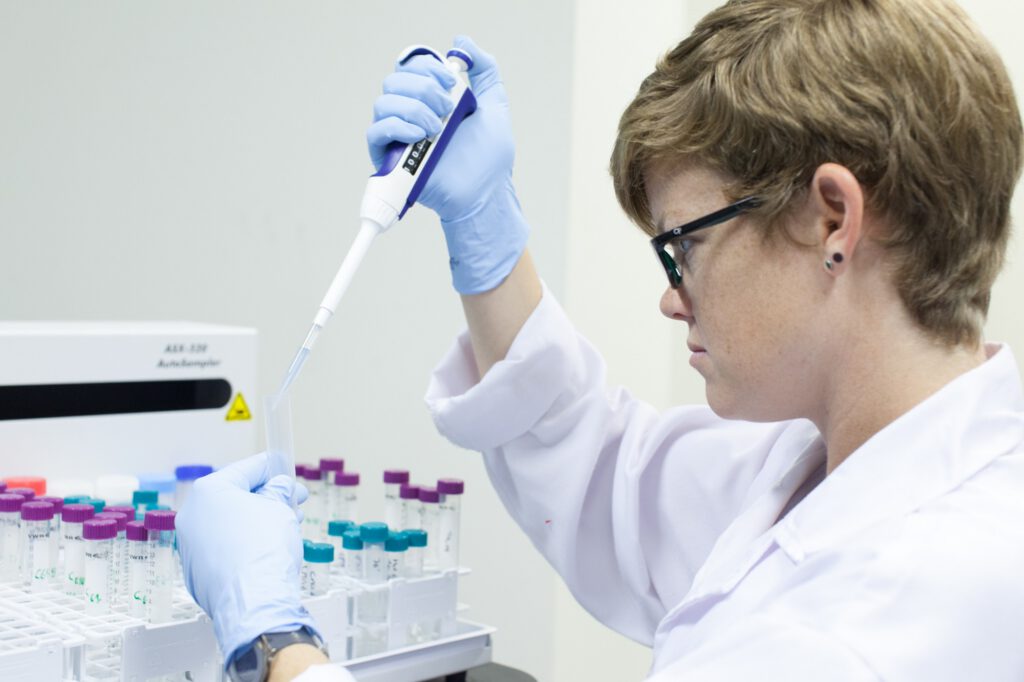
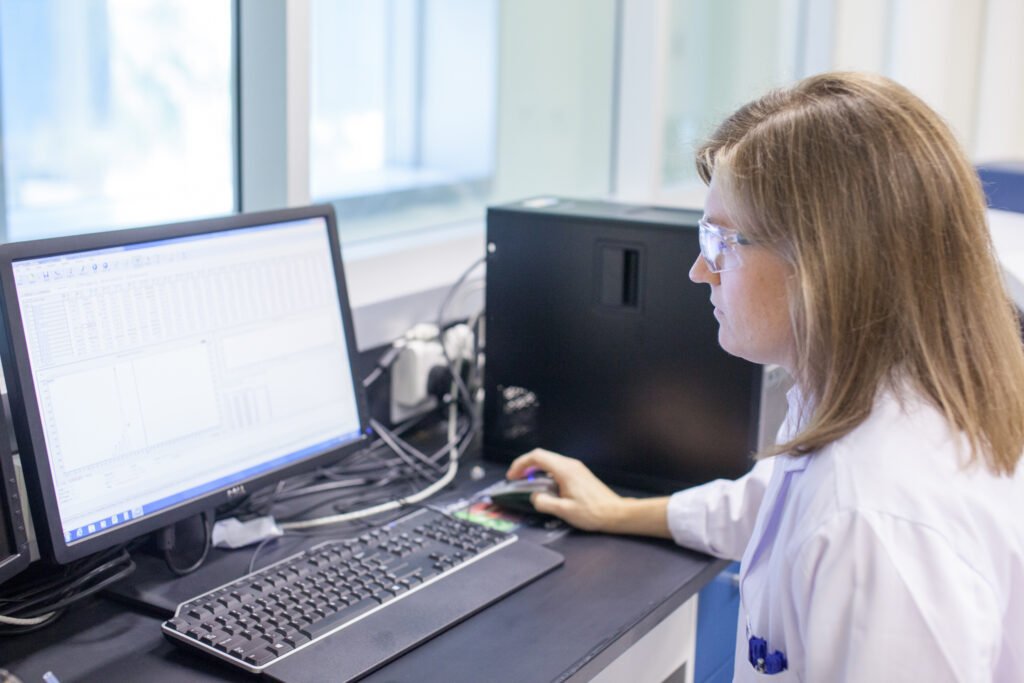
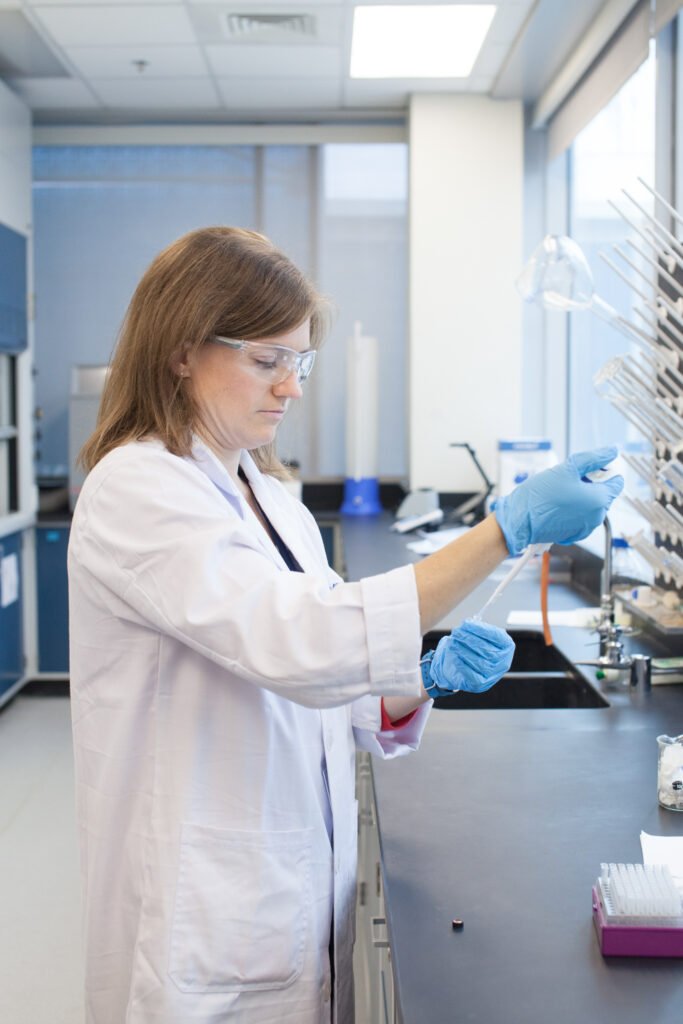
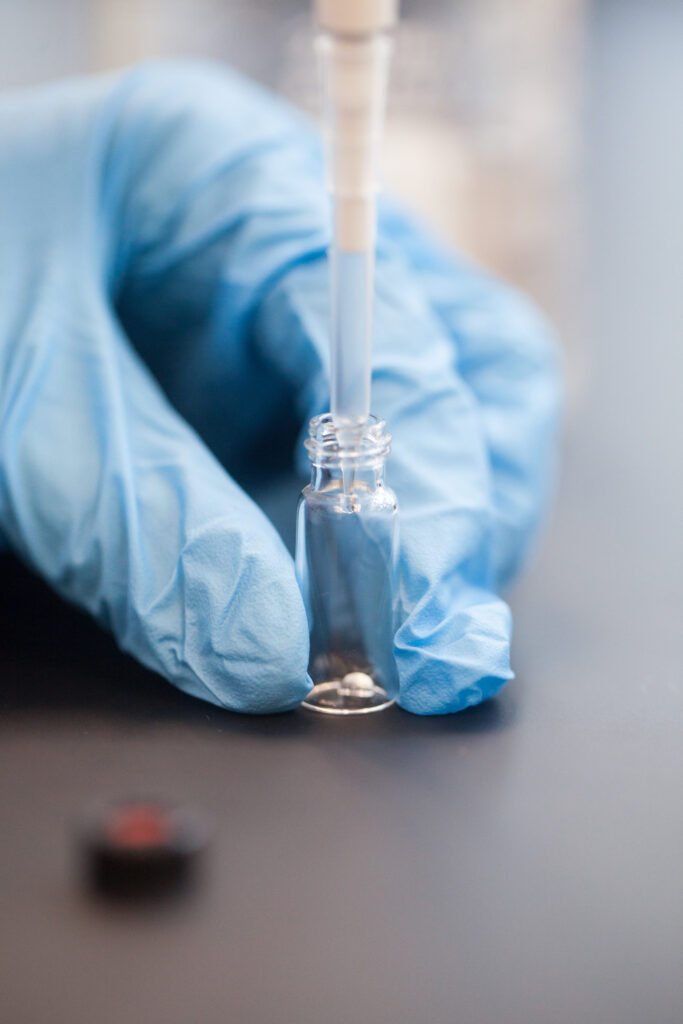
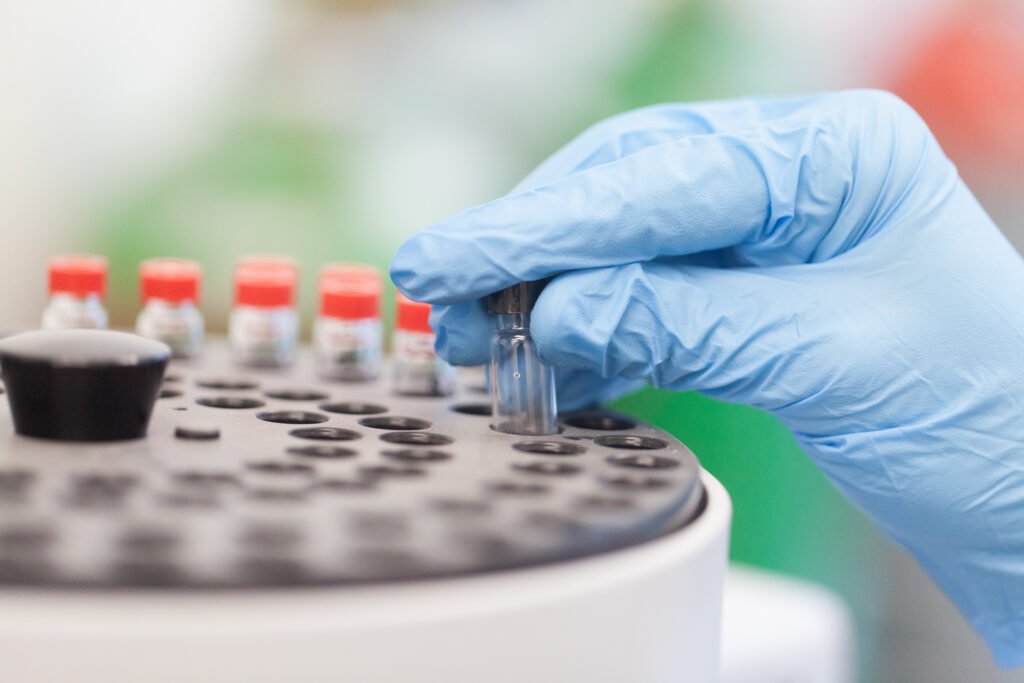
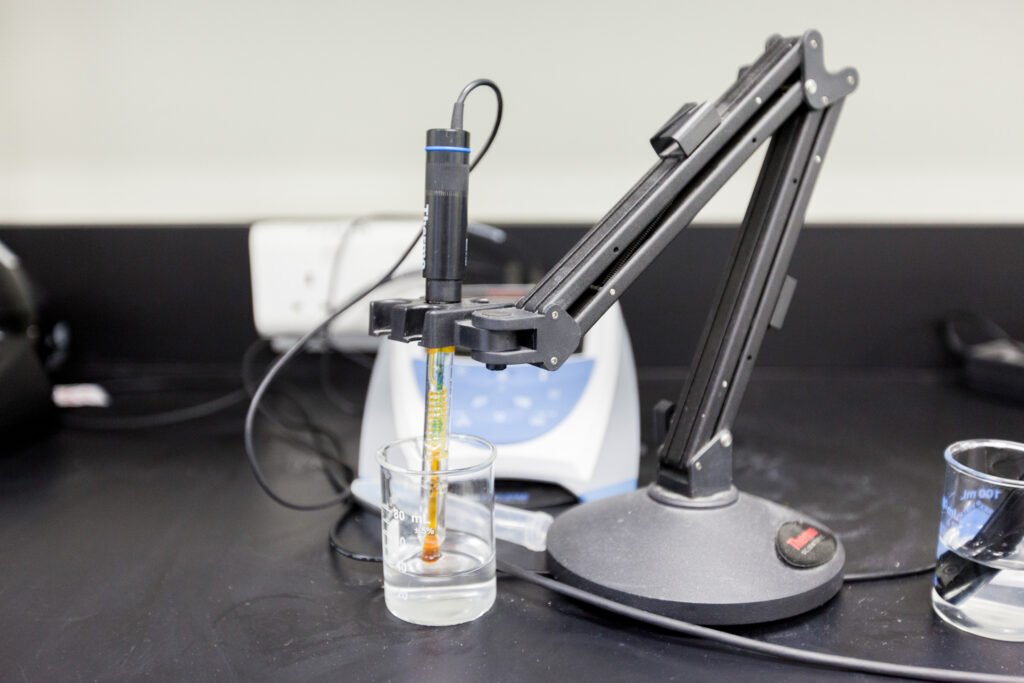
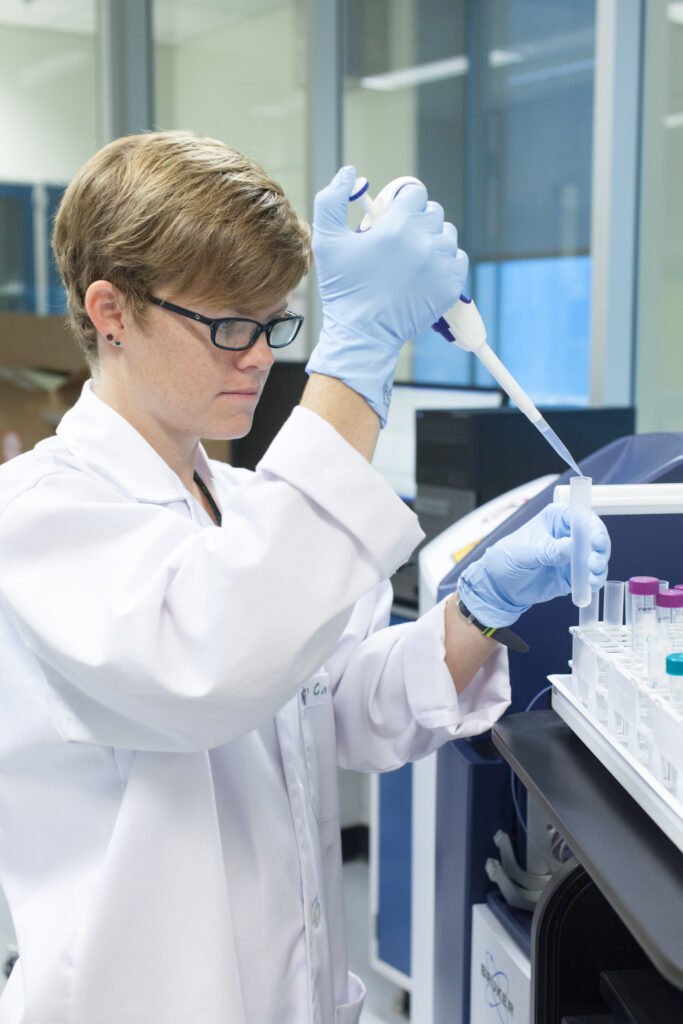
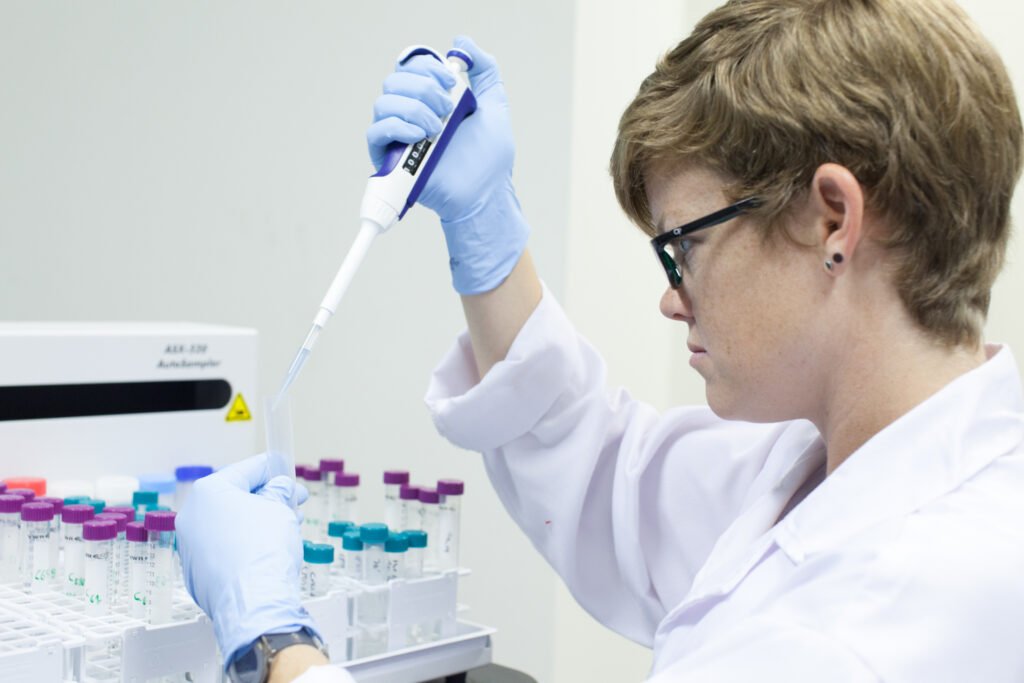
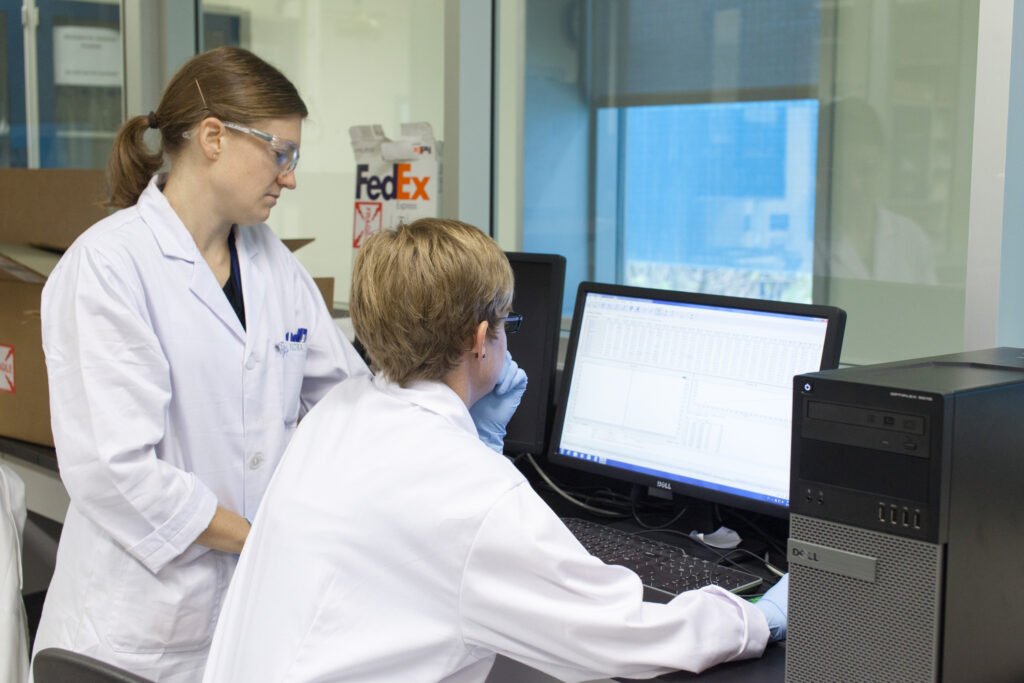
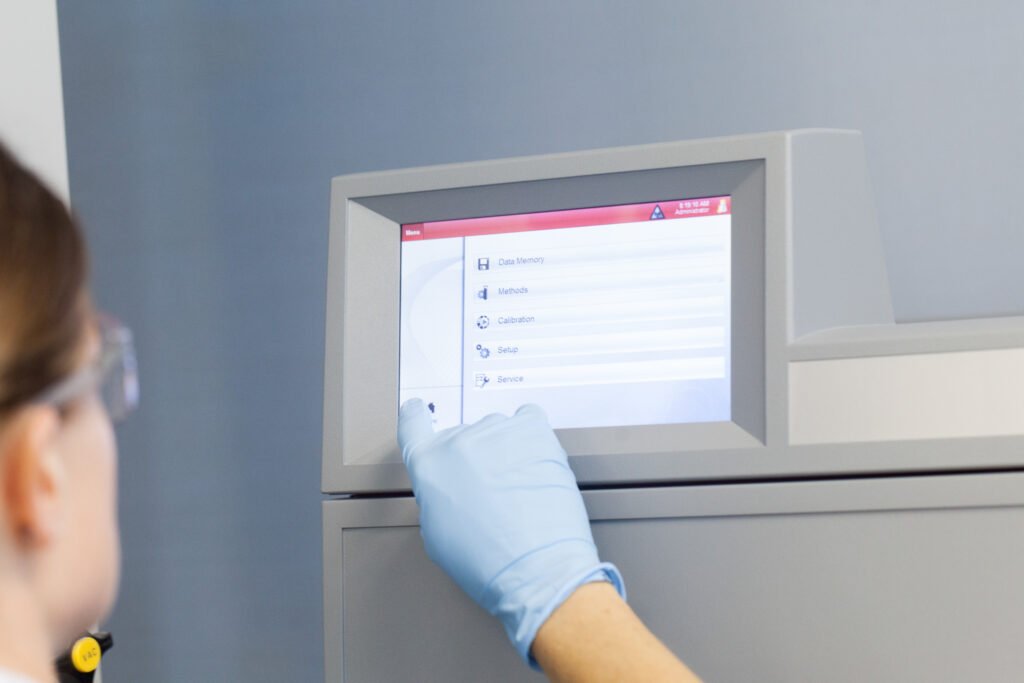
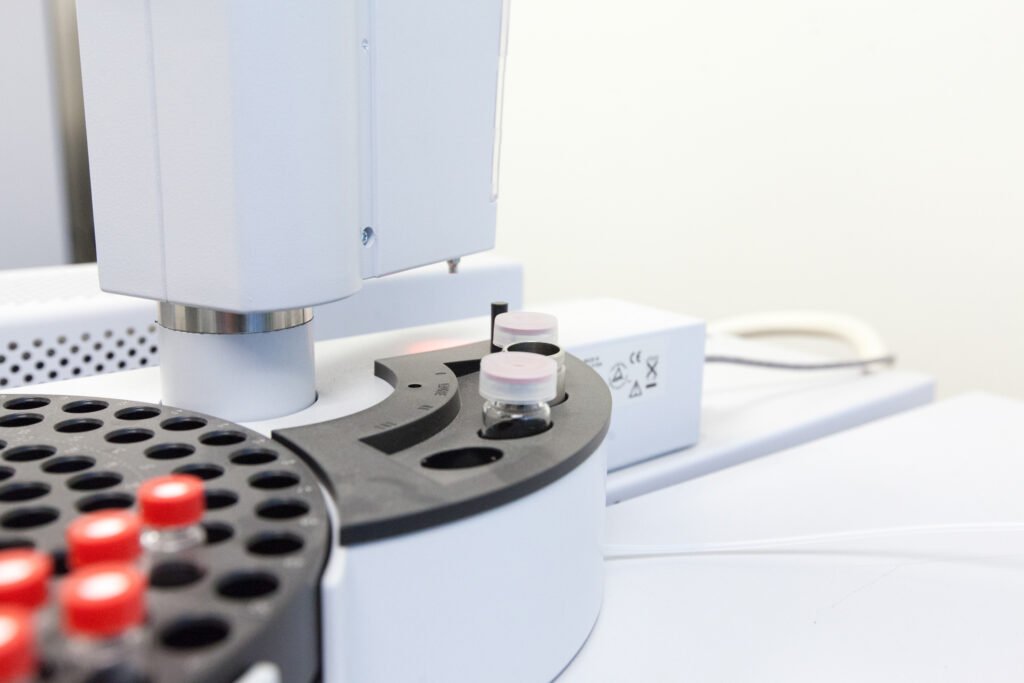
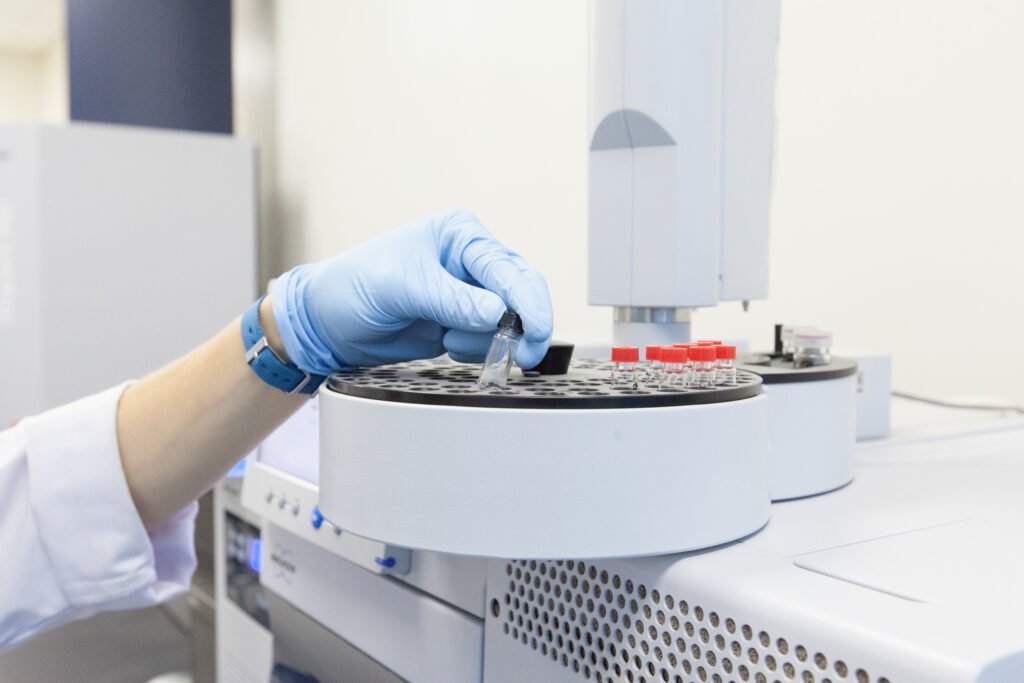
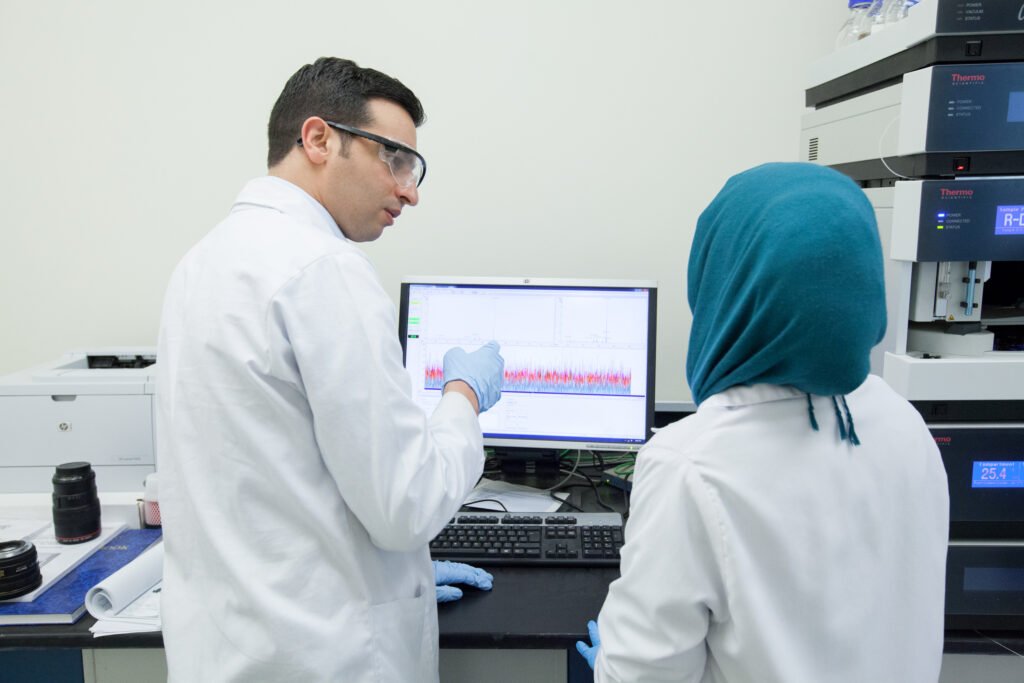
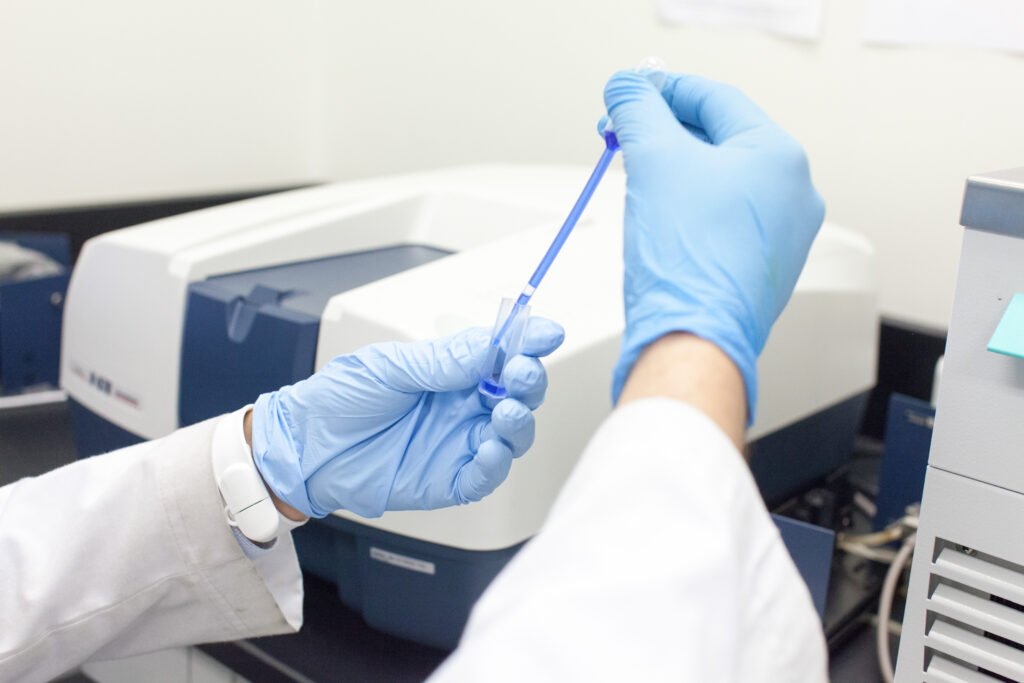
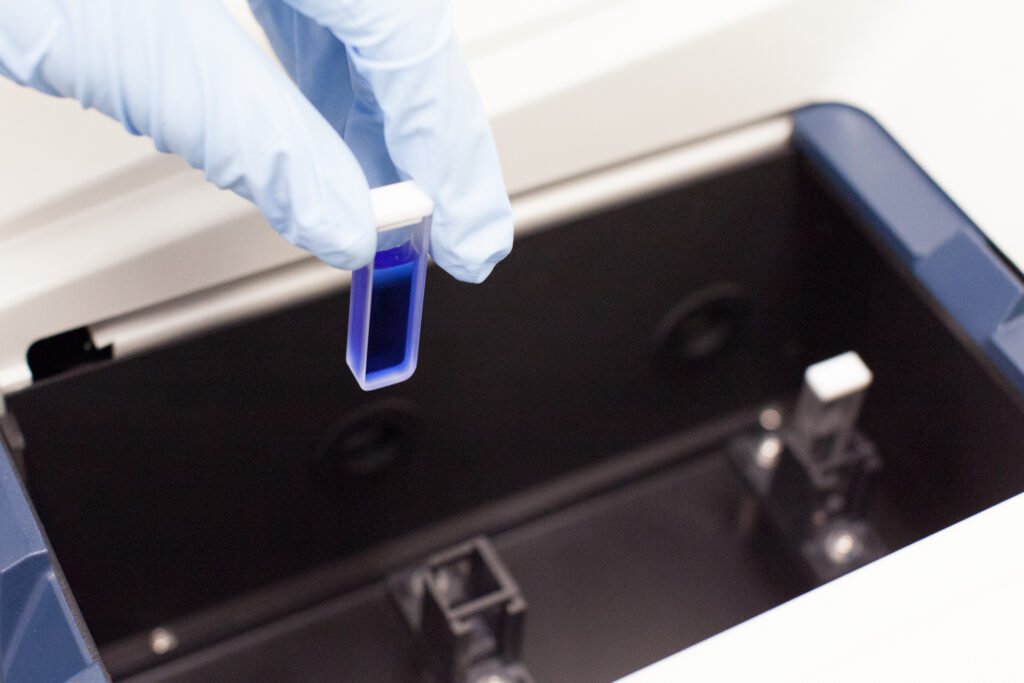
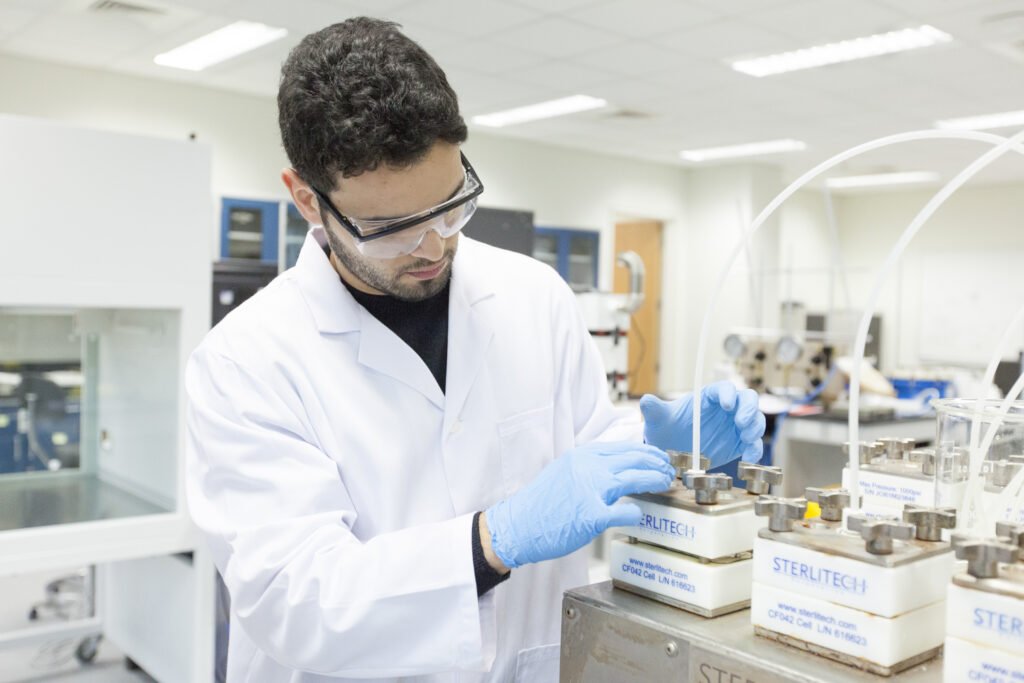
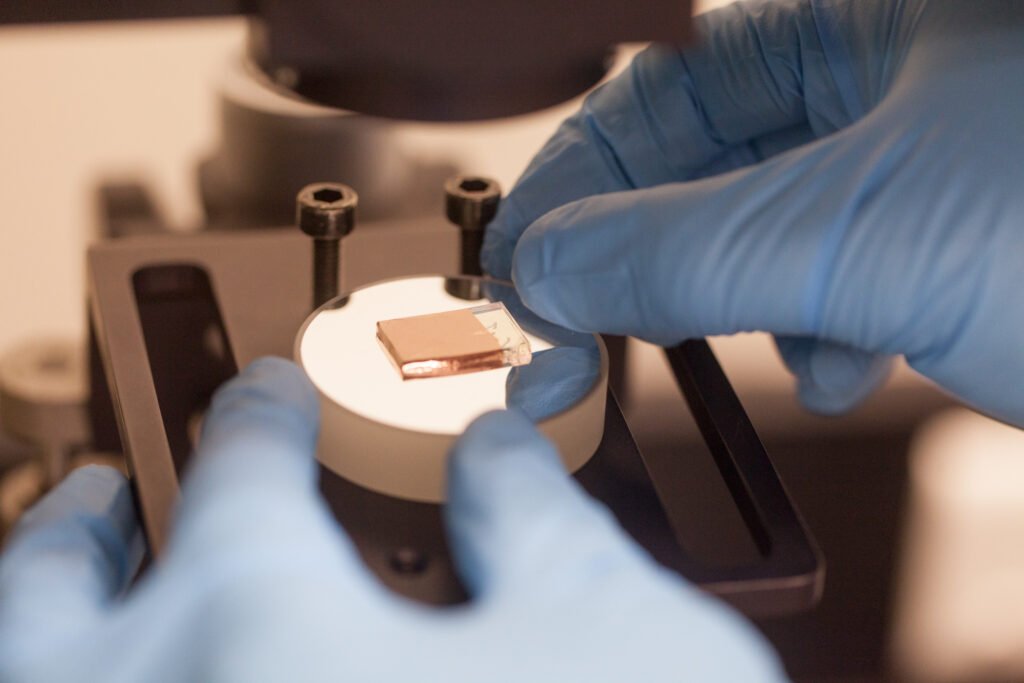
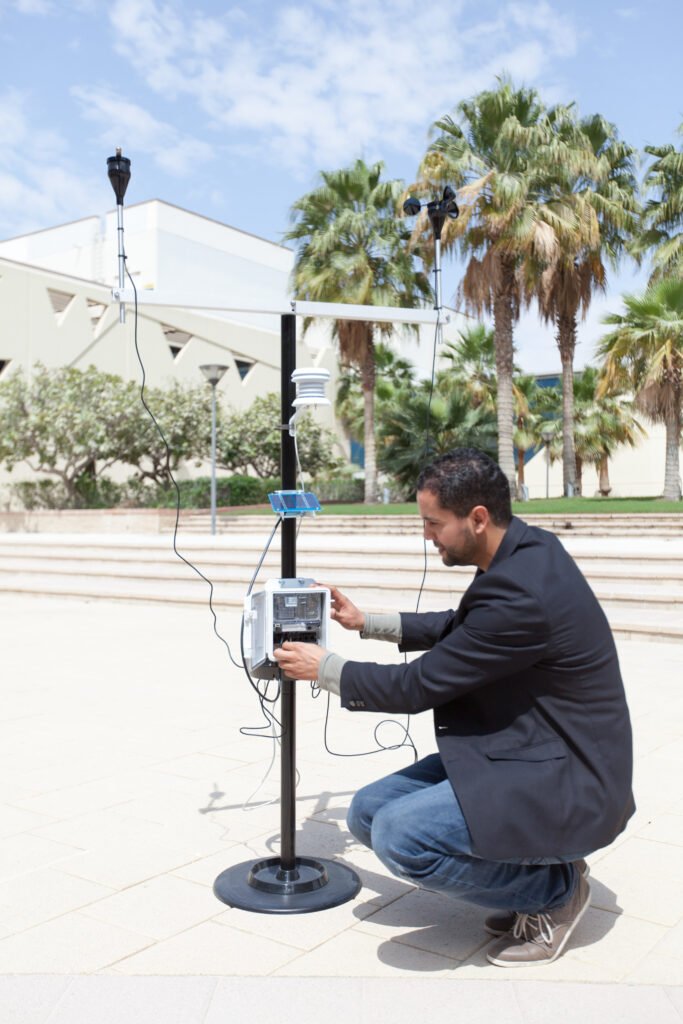
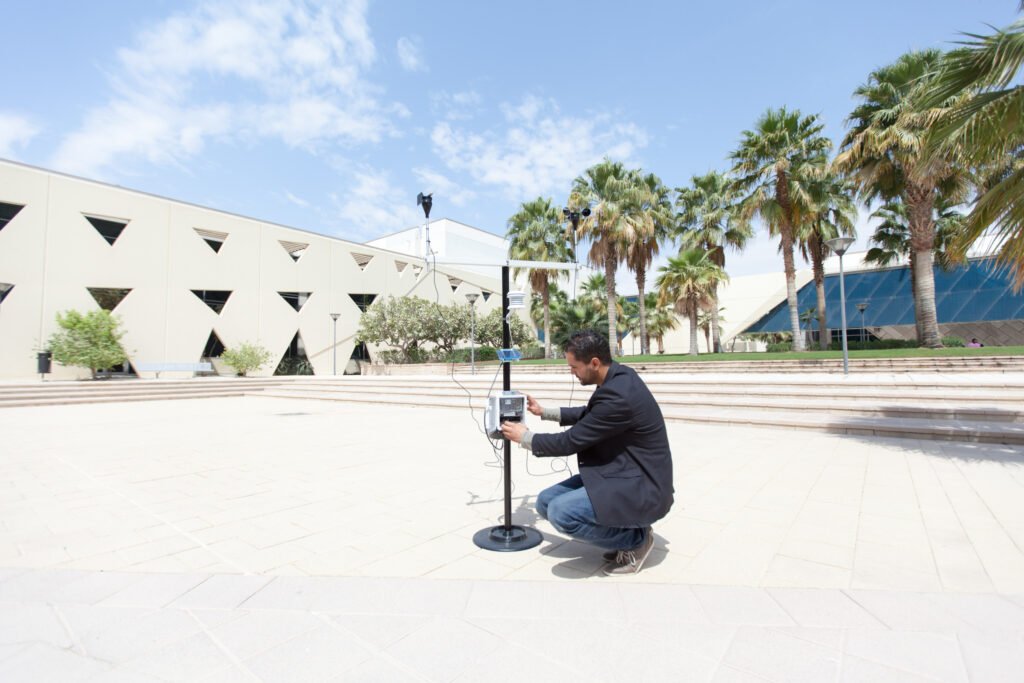
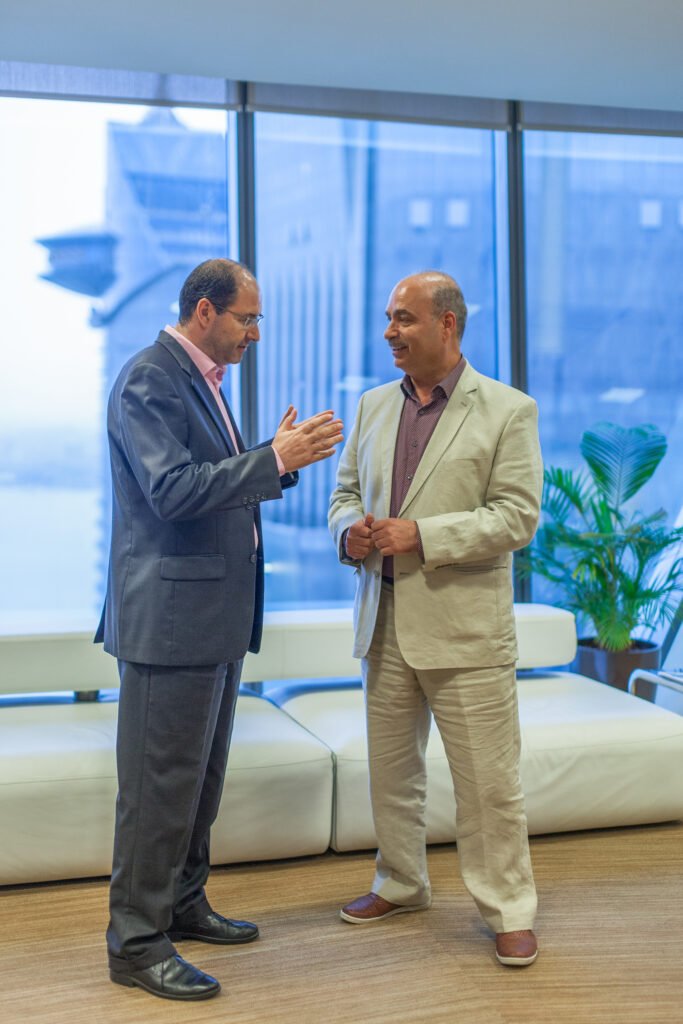
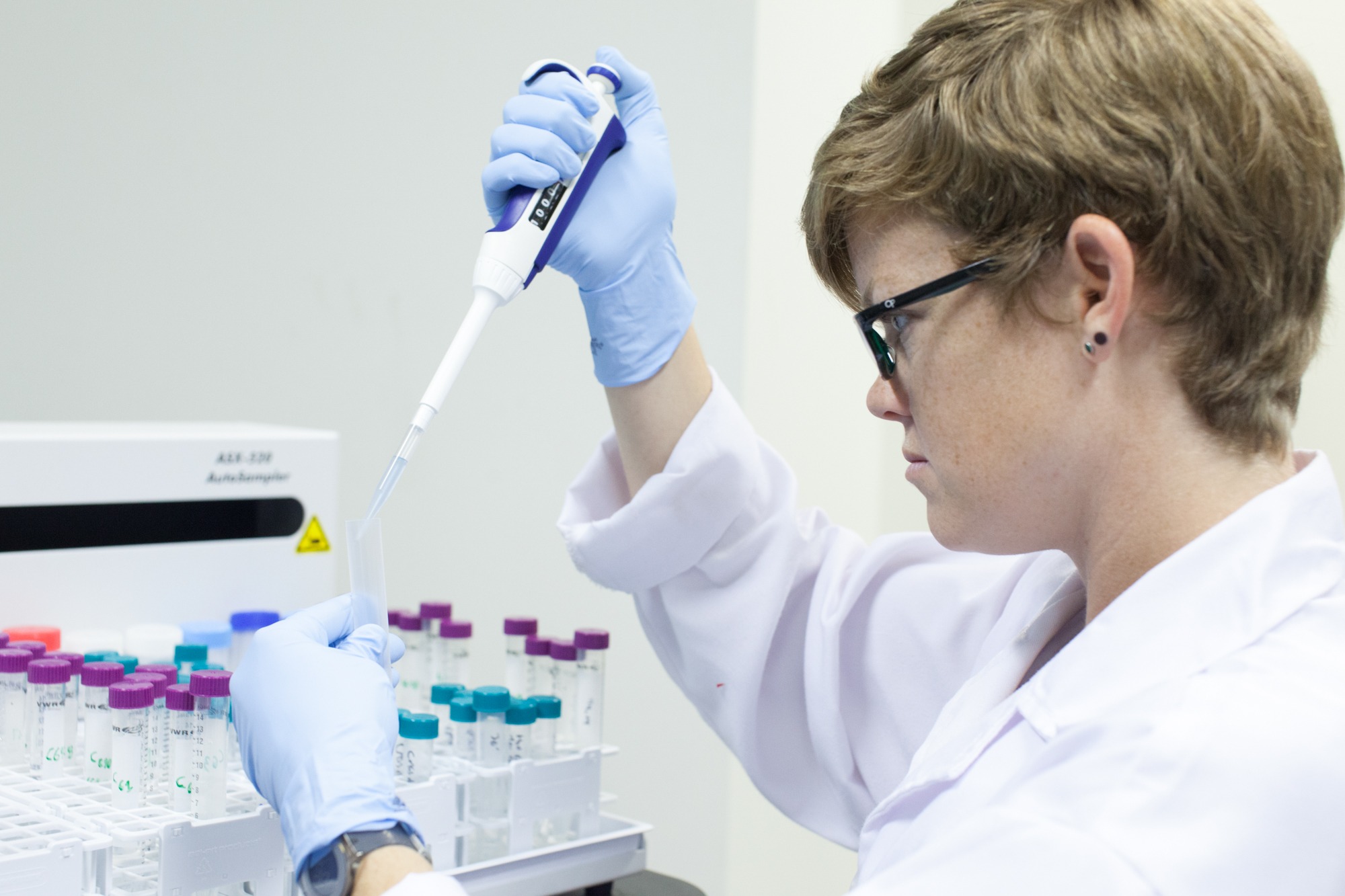
My job was to document what that work looks like up close, building a practical photo library for funding bids, global partnerships, and public environmental campaigns. Traditional corporate photography in these spaces usually defaults to staged photos of people smiling in lab coats while staring aimlessly at clipboards. I wanted to stay away from those canned shots entirely. The focus had to be on real, unscripted work: the concentration on a researcher’s face, the precise hand movements required to calibrate sensitive gear, and the raw physical conditions of field testing out in the desert.
A Functional Library for Grants and Policymakers
The photos needed to work hard for the institute across multiple departments. When scientists apply for international research grants or brief government policymakers, they need clear visual proof of their technical capacity and facilities.
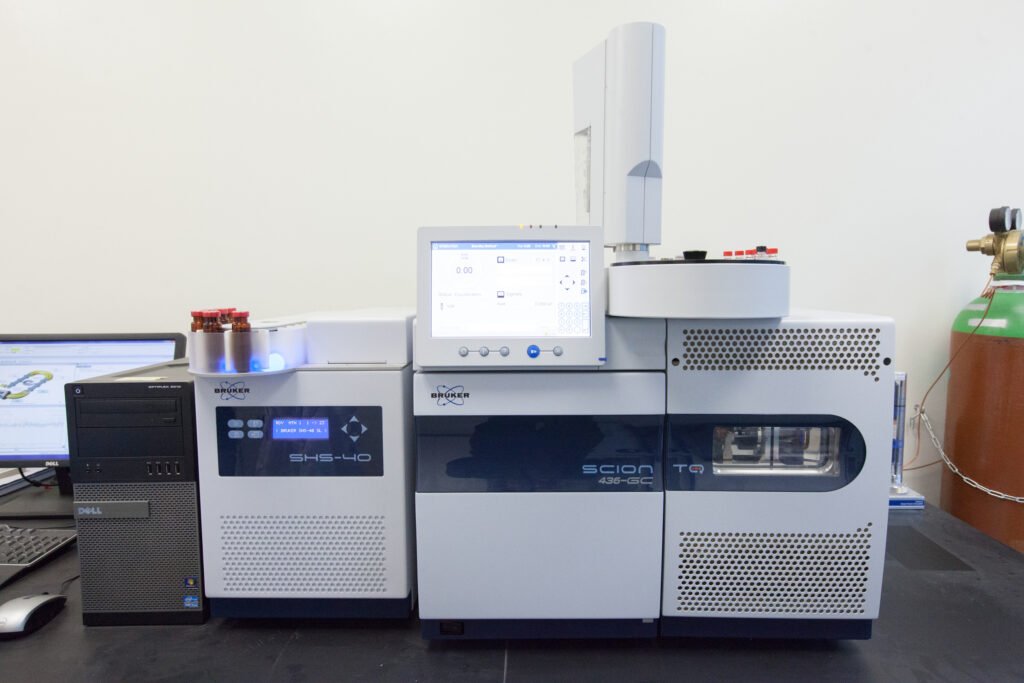
The final set of images gives the communications team authentic visual assets for research papers, annual reports, investor decks, and national sustainability campaigns. Having a deep pool of real photographs means they no longer have to rely on generic stock photos when presenting their work to global partners.
Why Authentic Research Photography Matters
In the world of clean energy and environmental science, credibility is everything. Staged photos with models look cheap and immediately undermine the hard work happening behind the scenes. Real photography acts as visual evidence. It shows funding boards, international collaborators, and the general public that serious, ground-breaking work is happening on the ground every day.
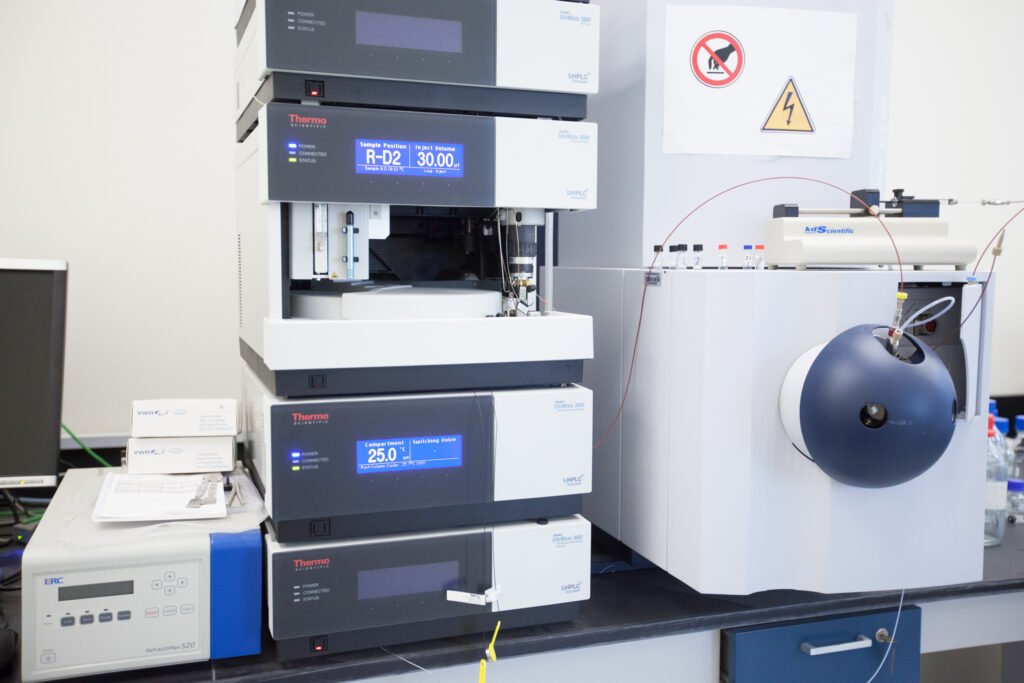
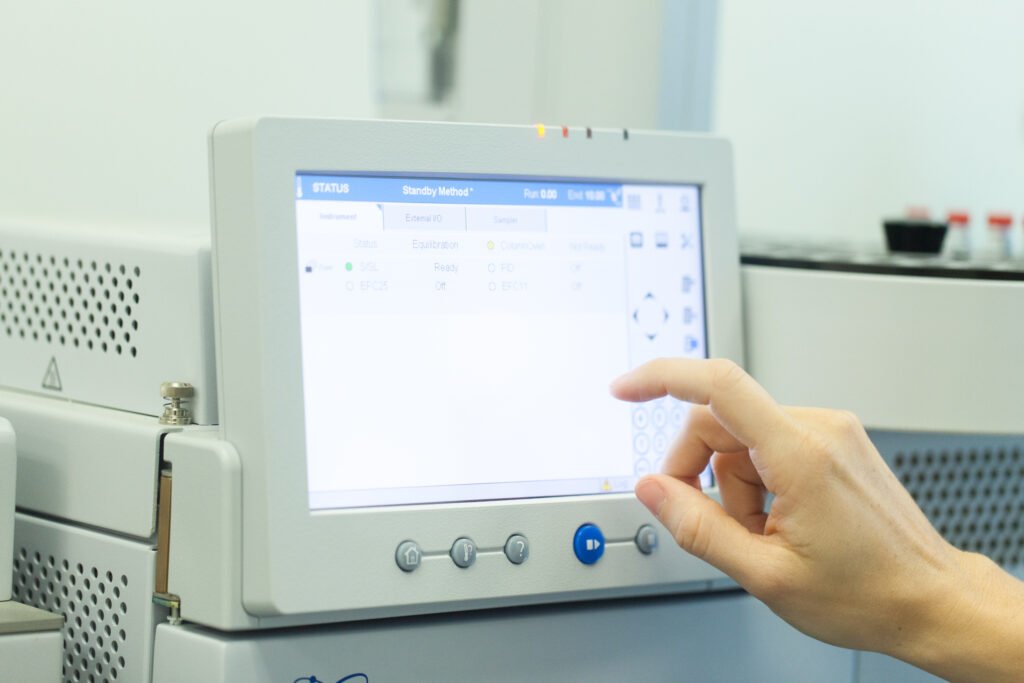
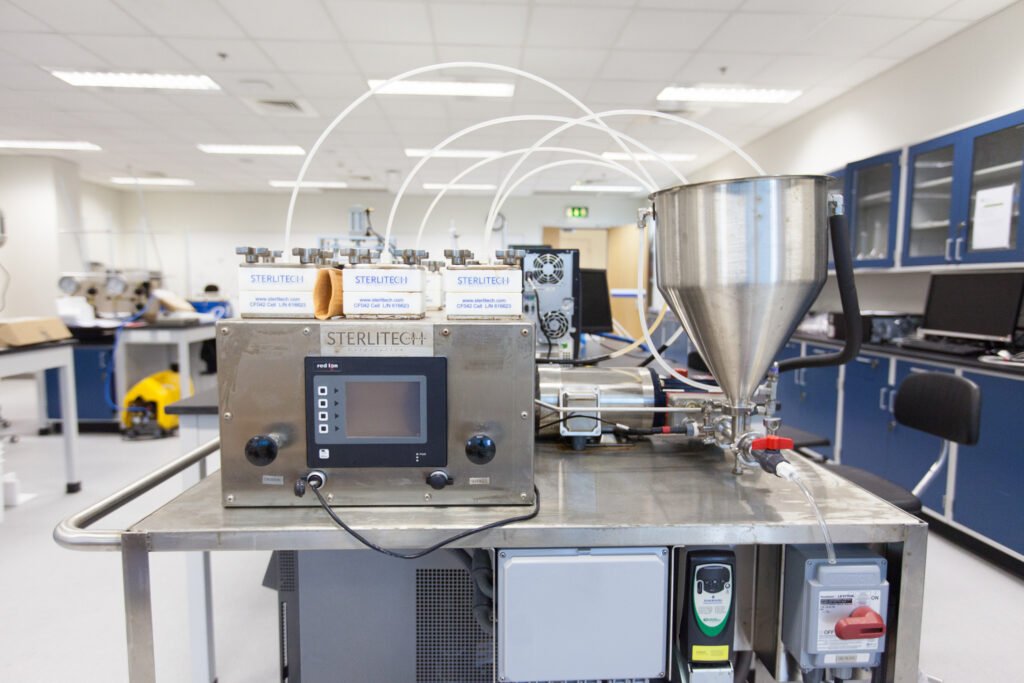
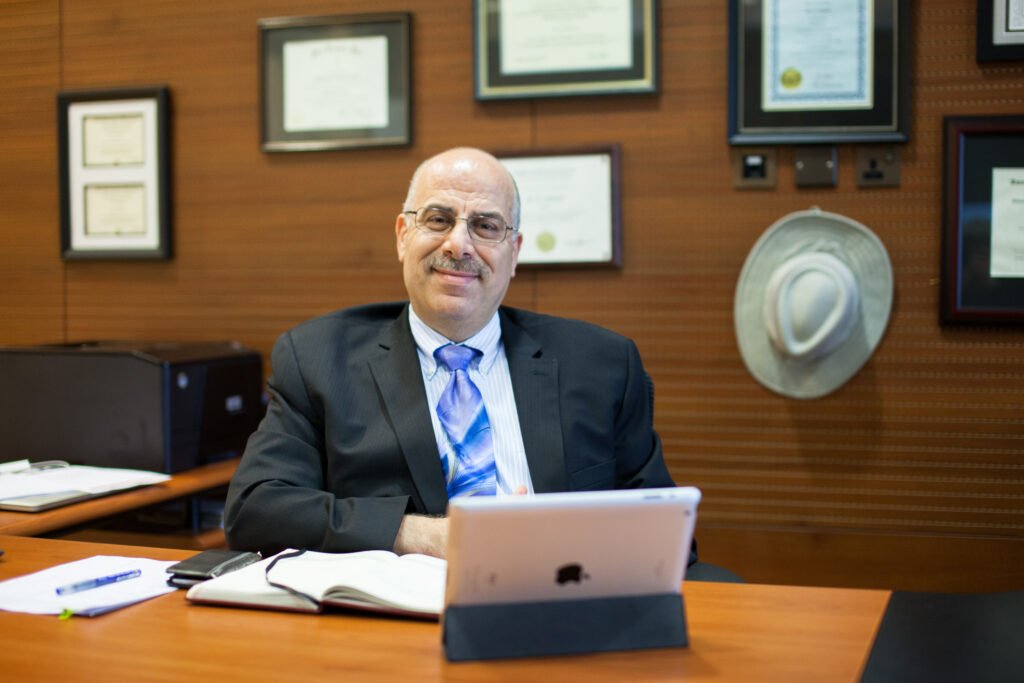
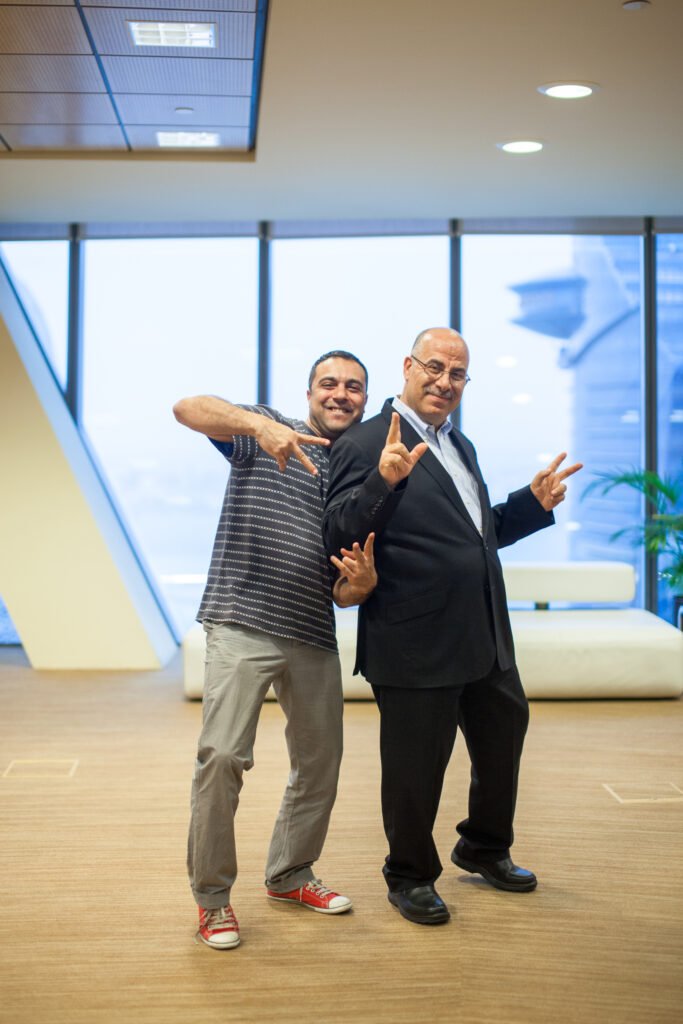
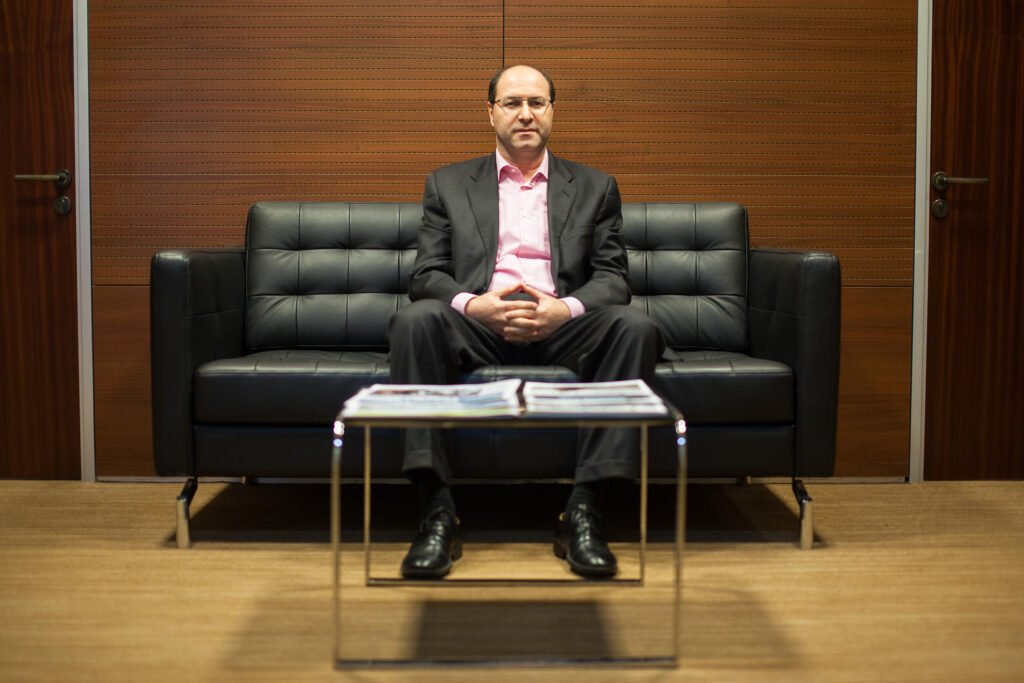
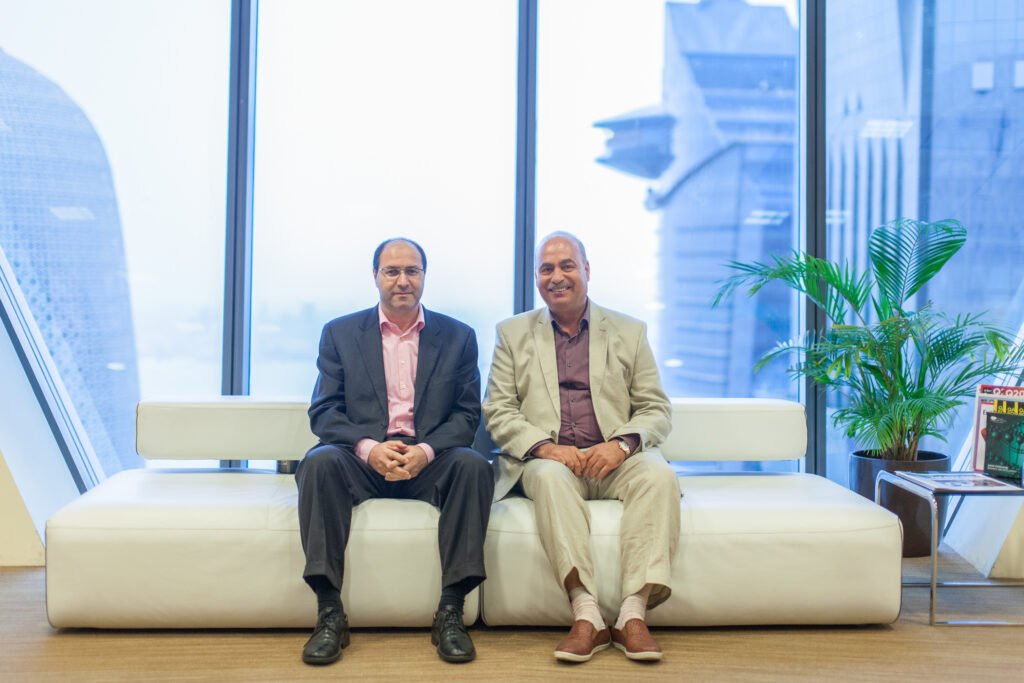
Looking back at the complete series, this collection of QEERI green energy research photography bridges the gap between complex data and public understanding. Take a look through the selected shots below to see the scientists, executives, equipment, and field sites powering Qatar’s research initiatives.
Gallery