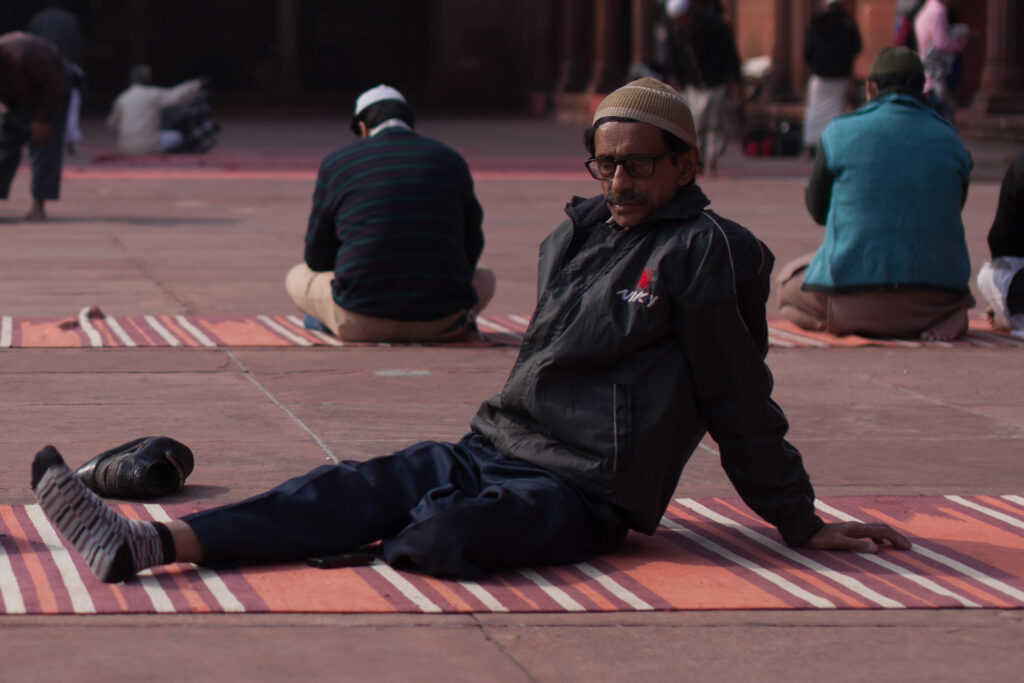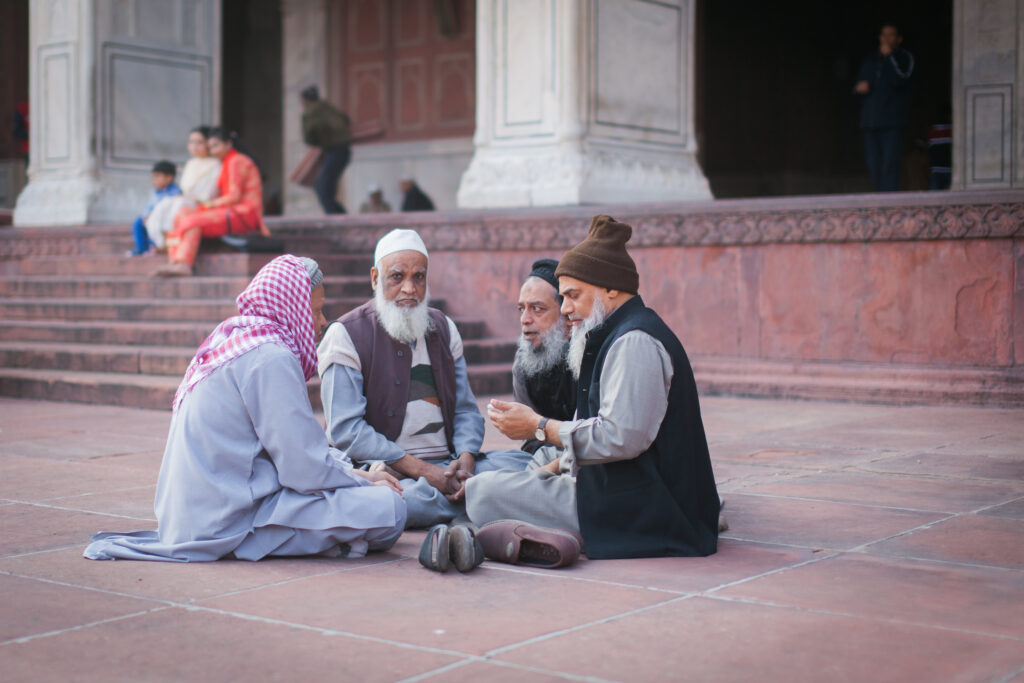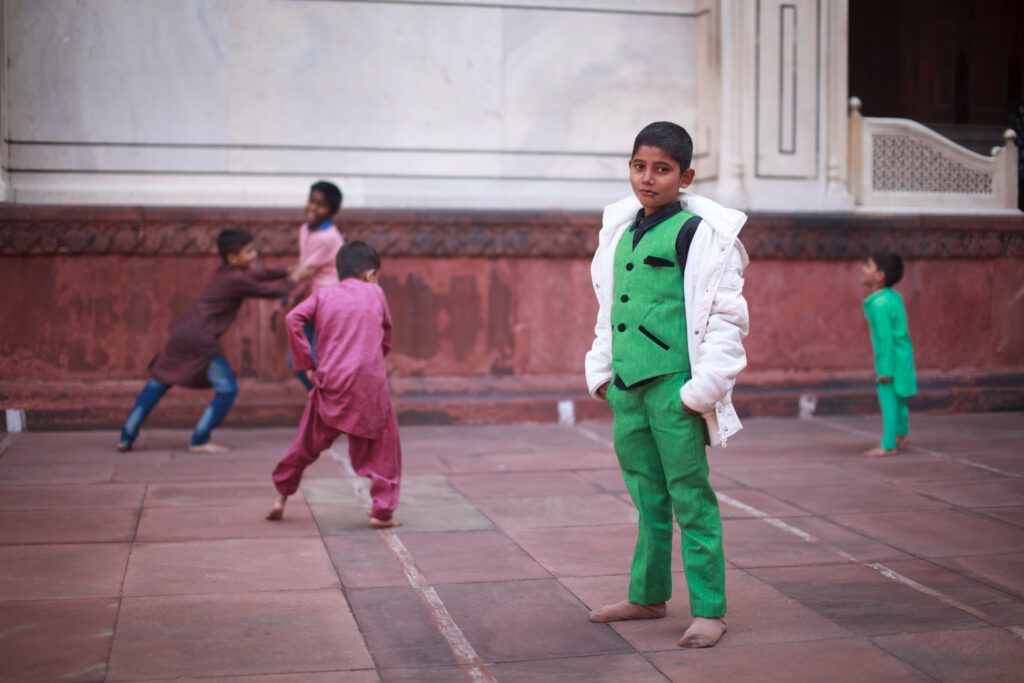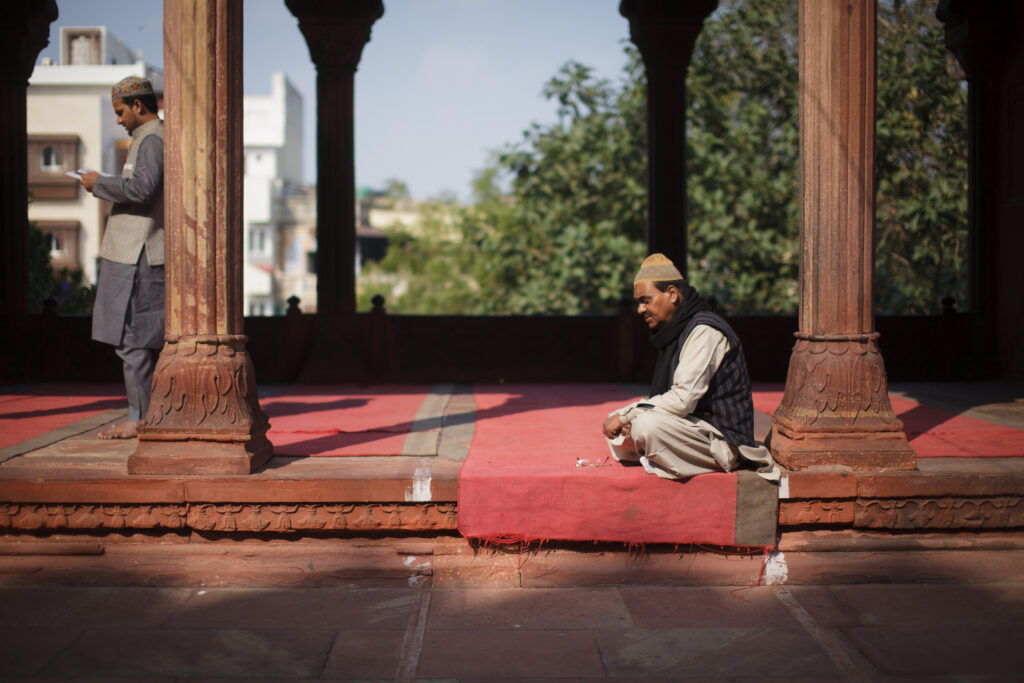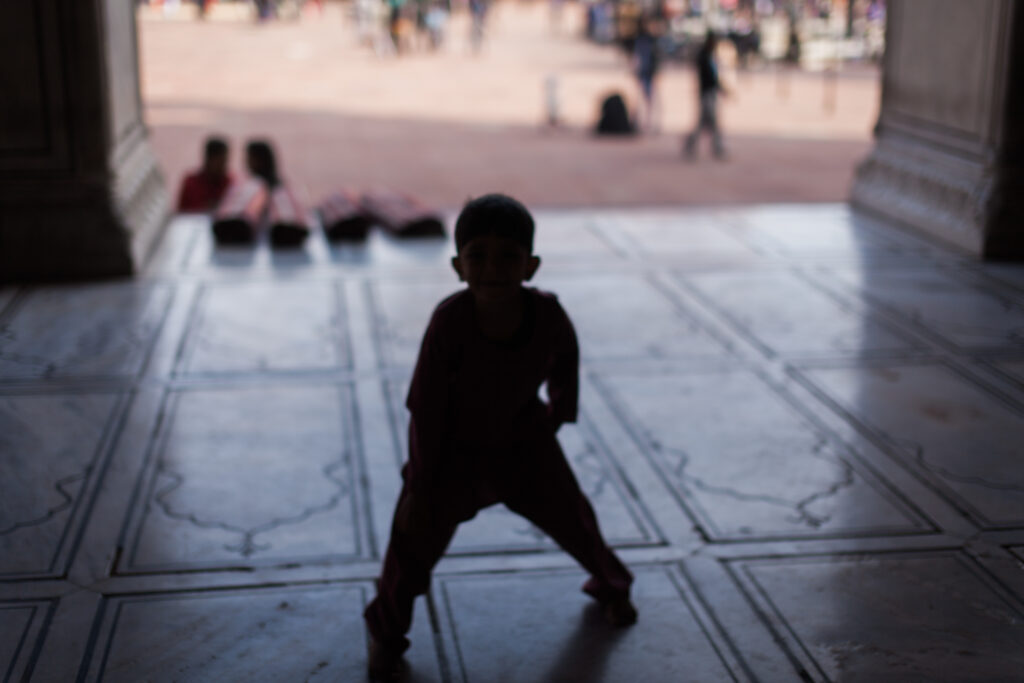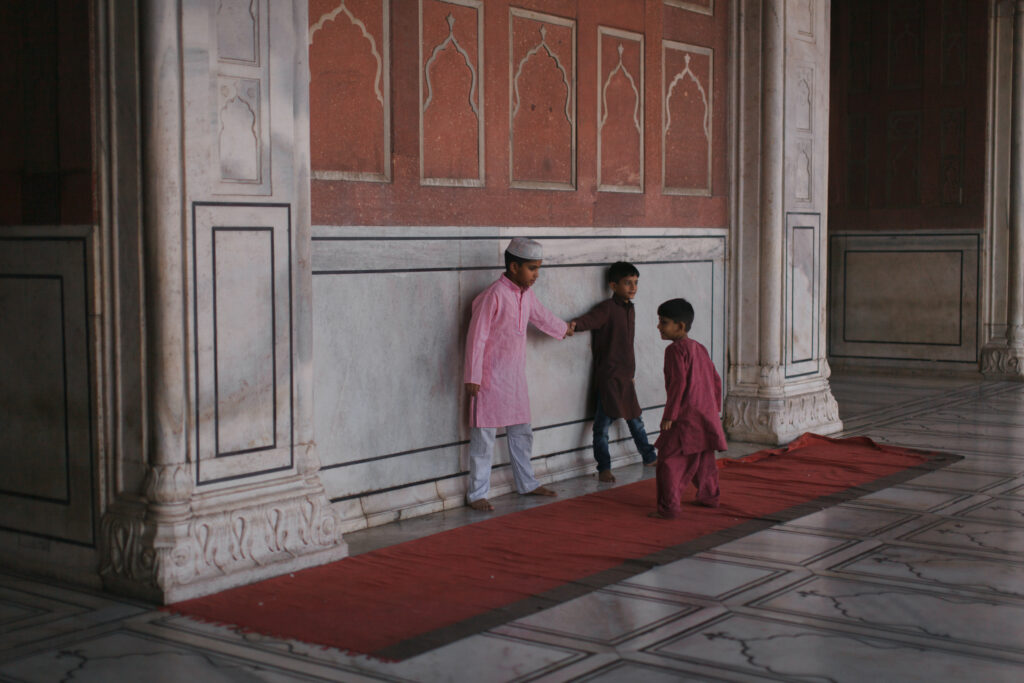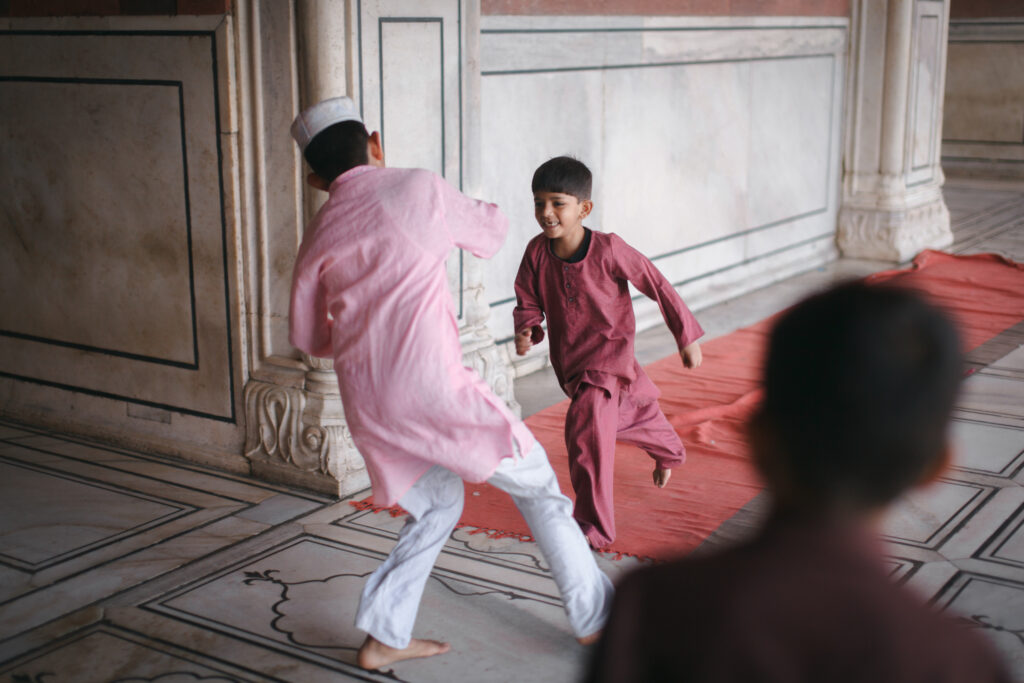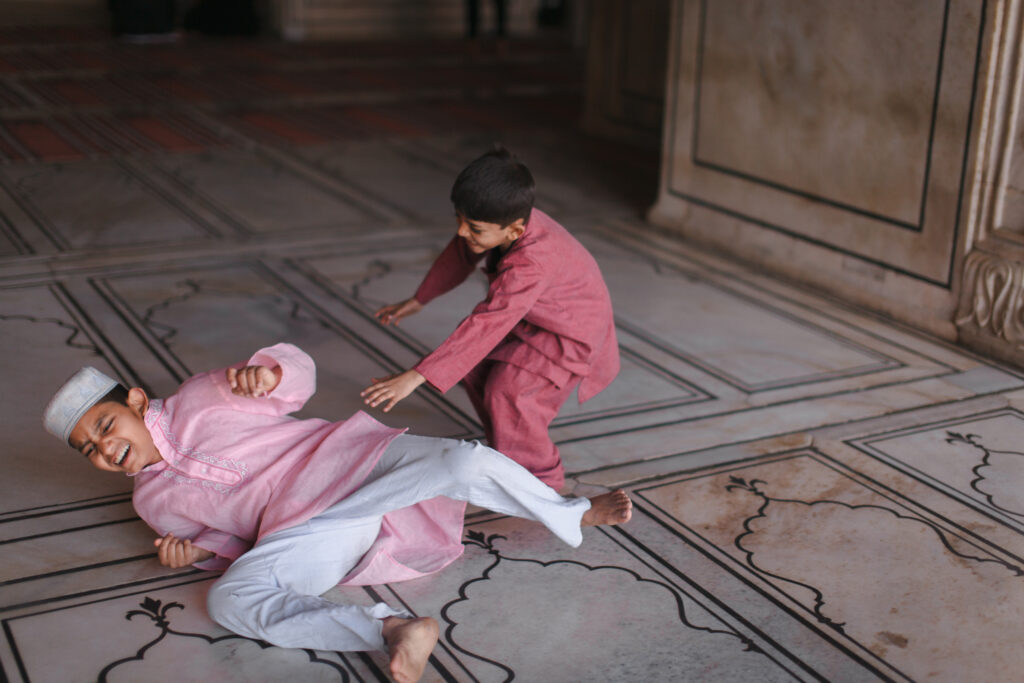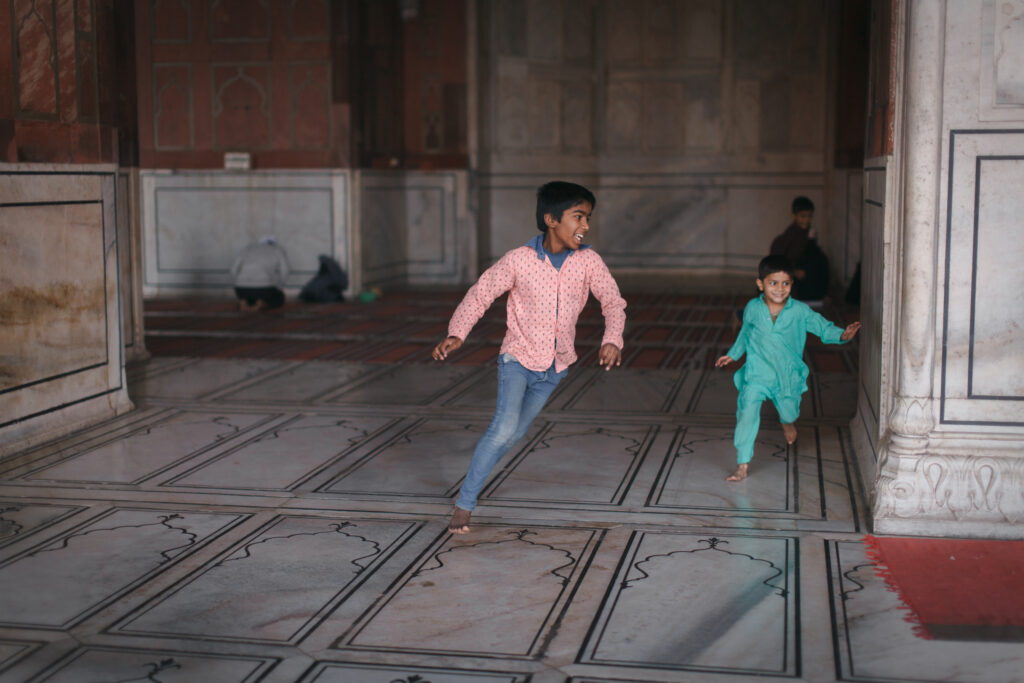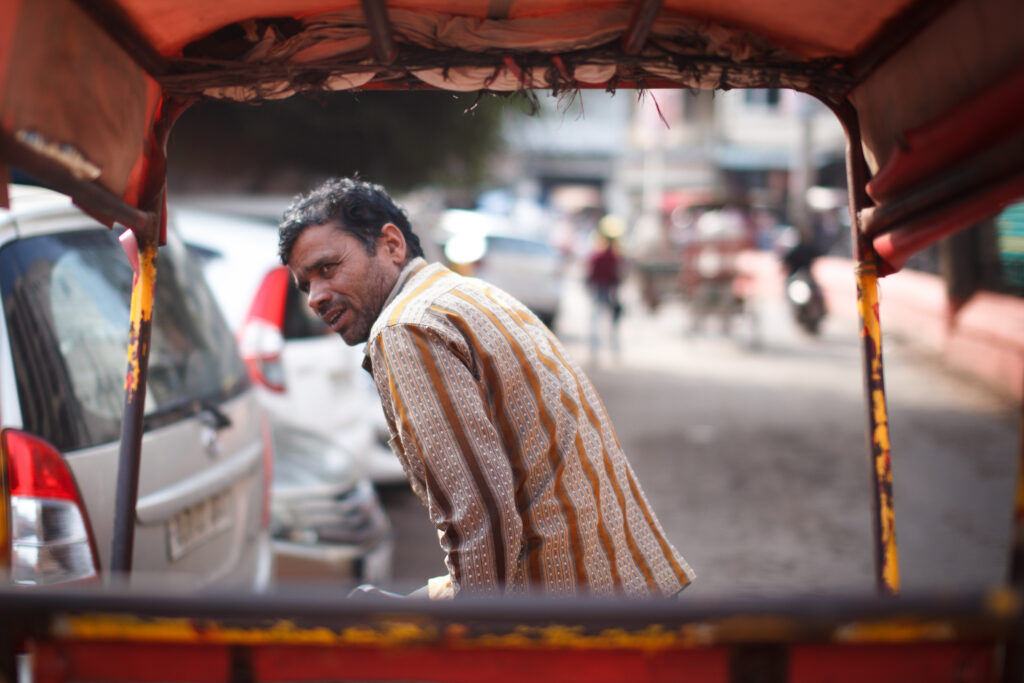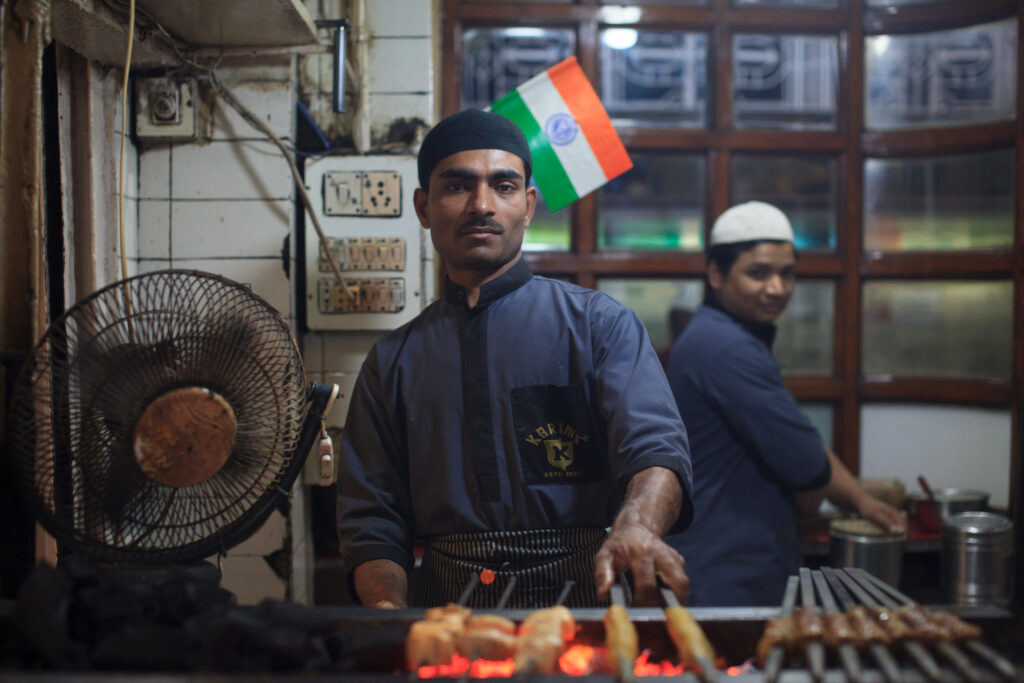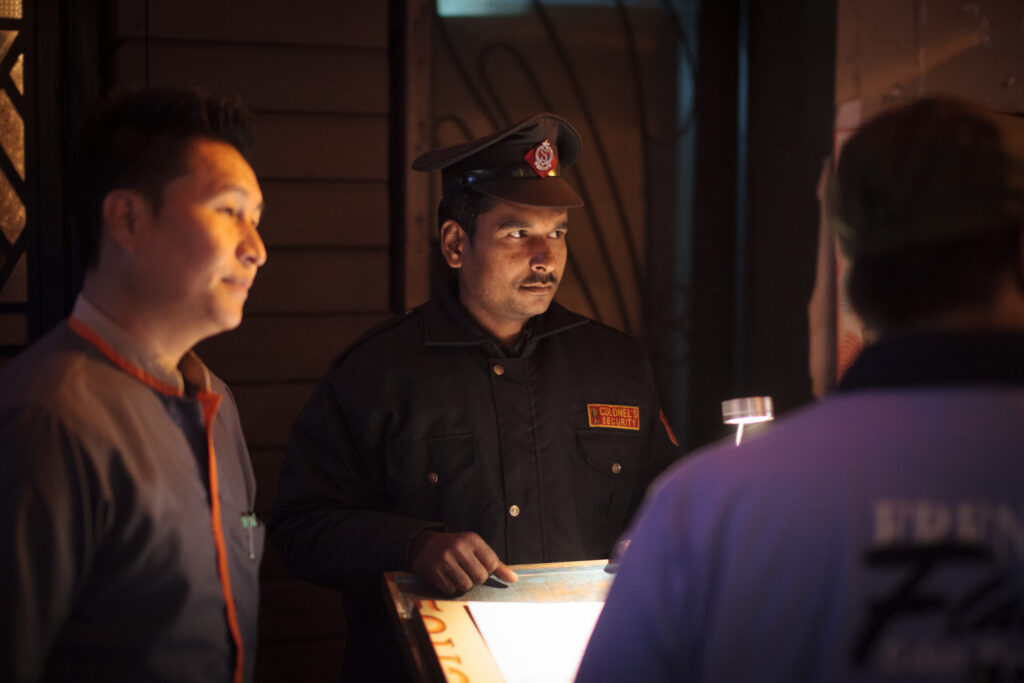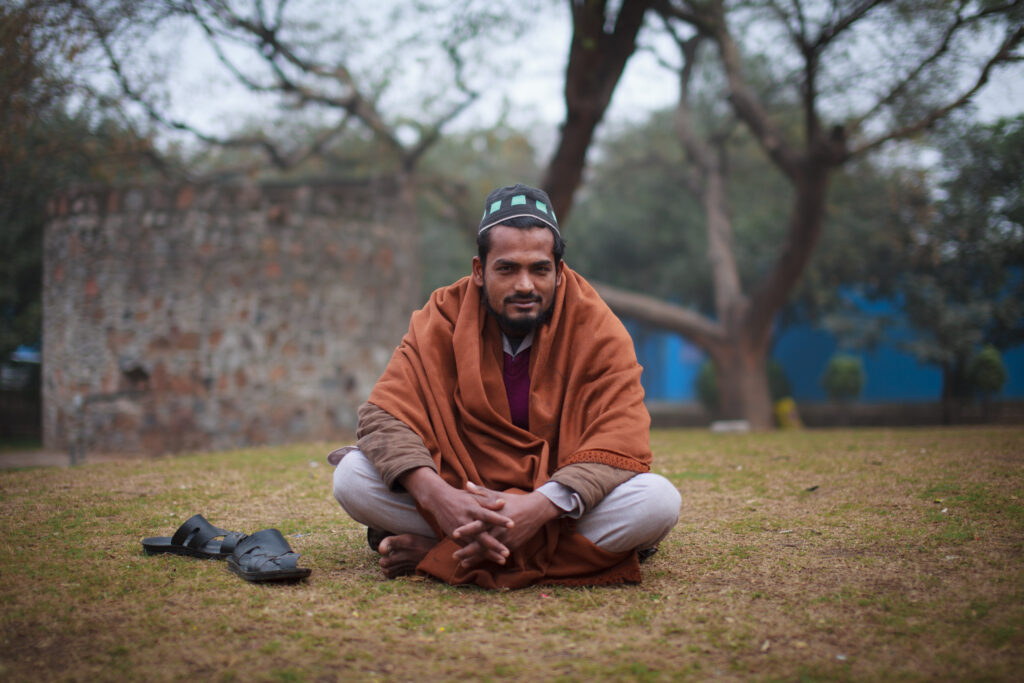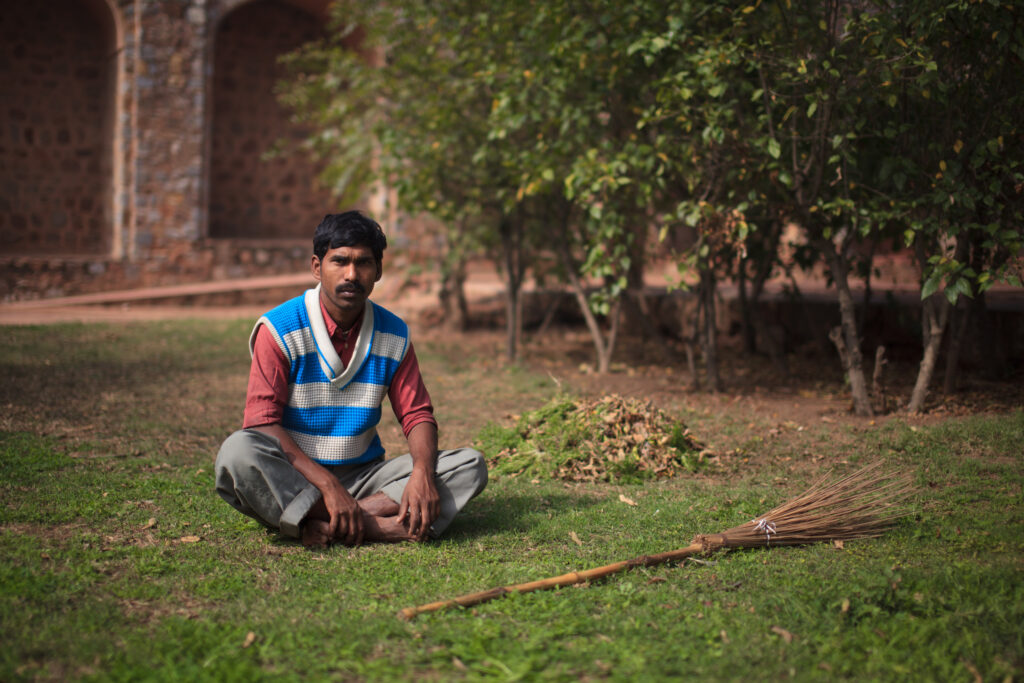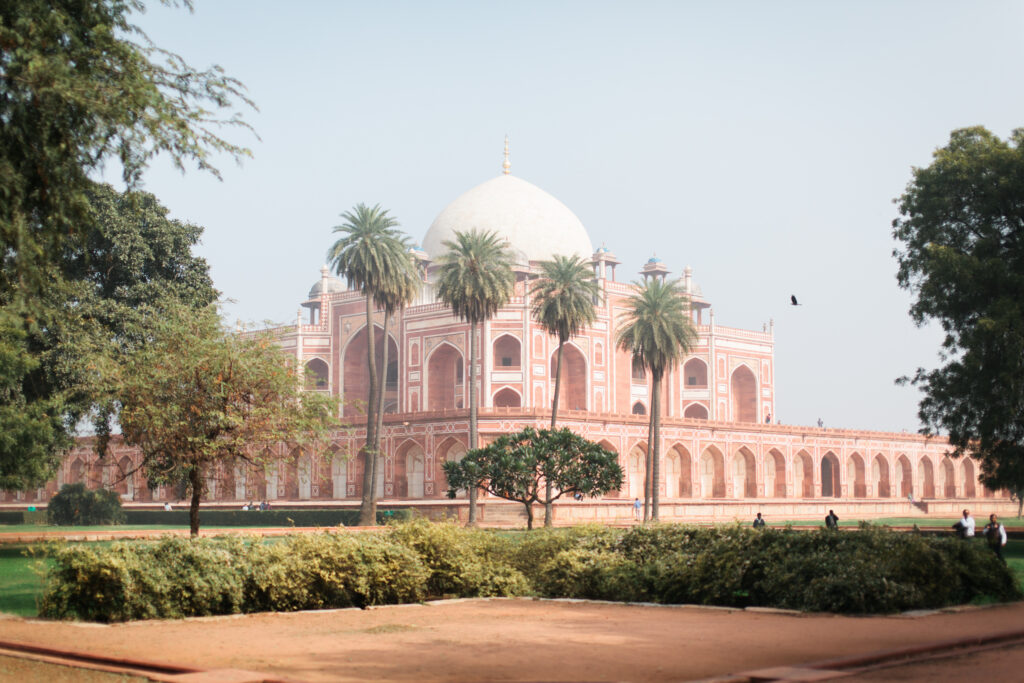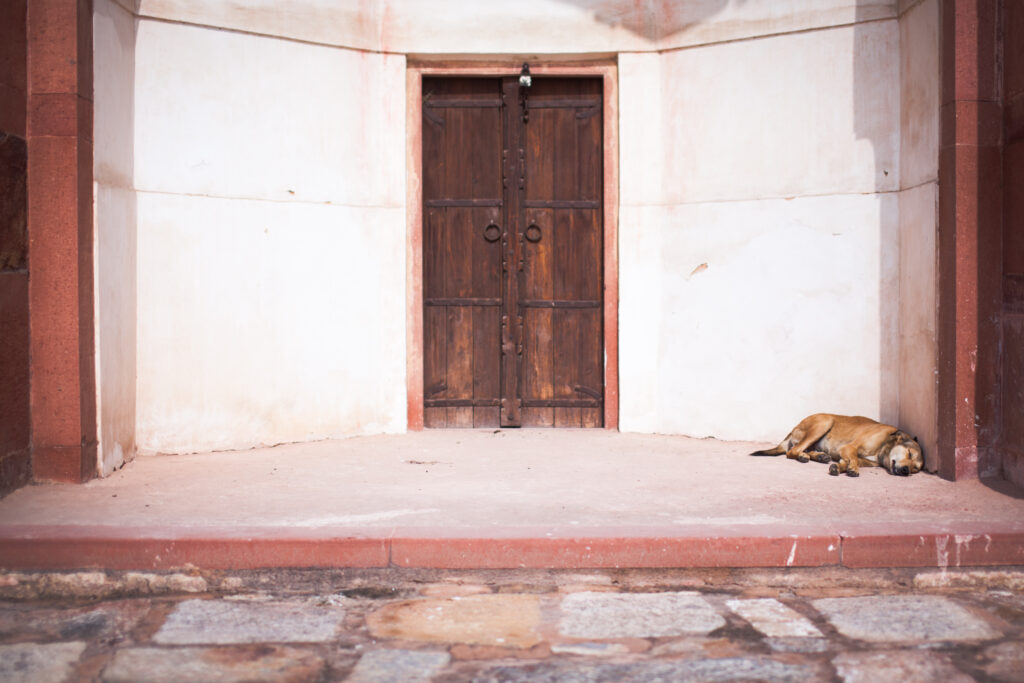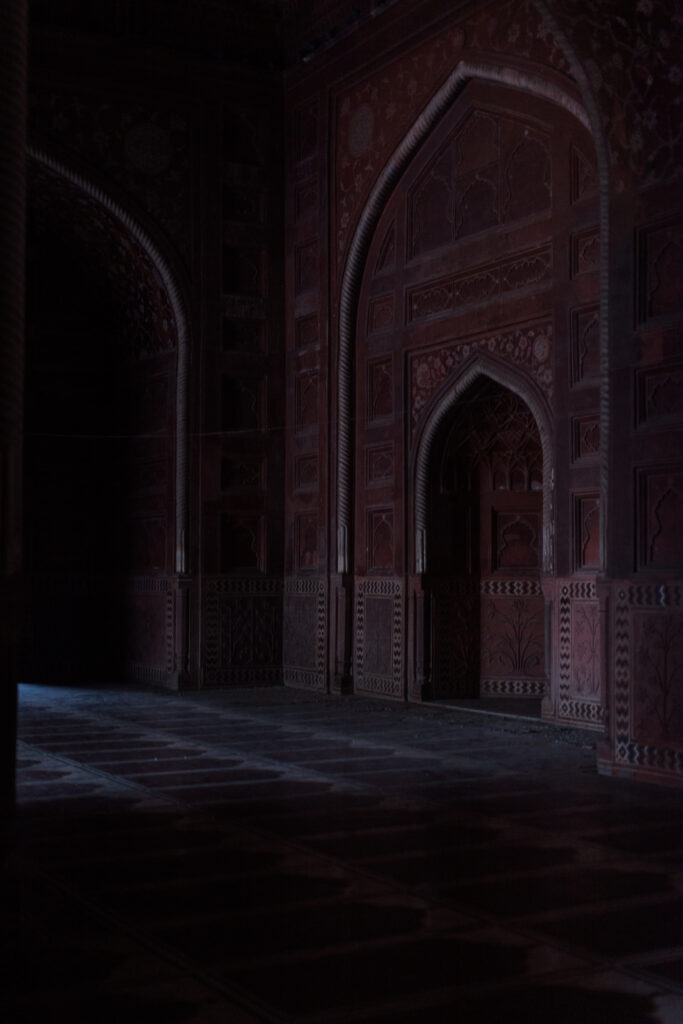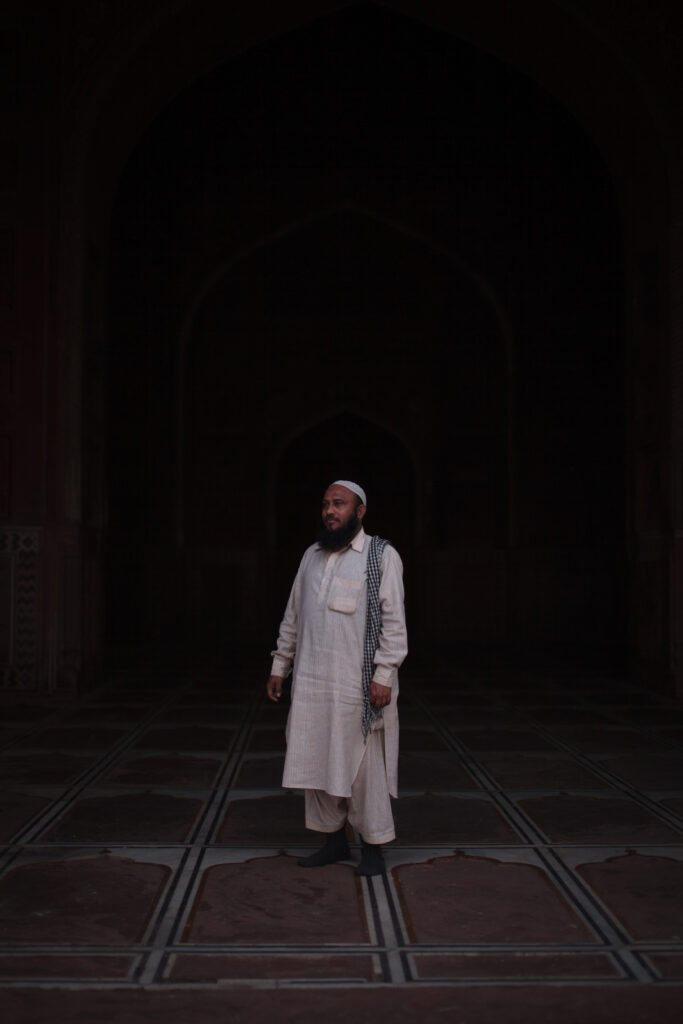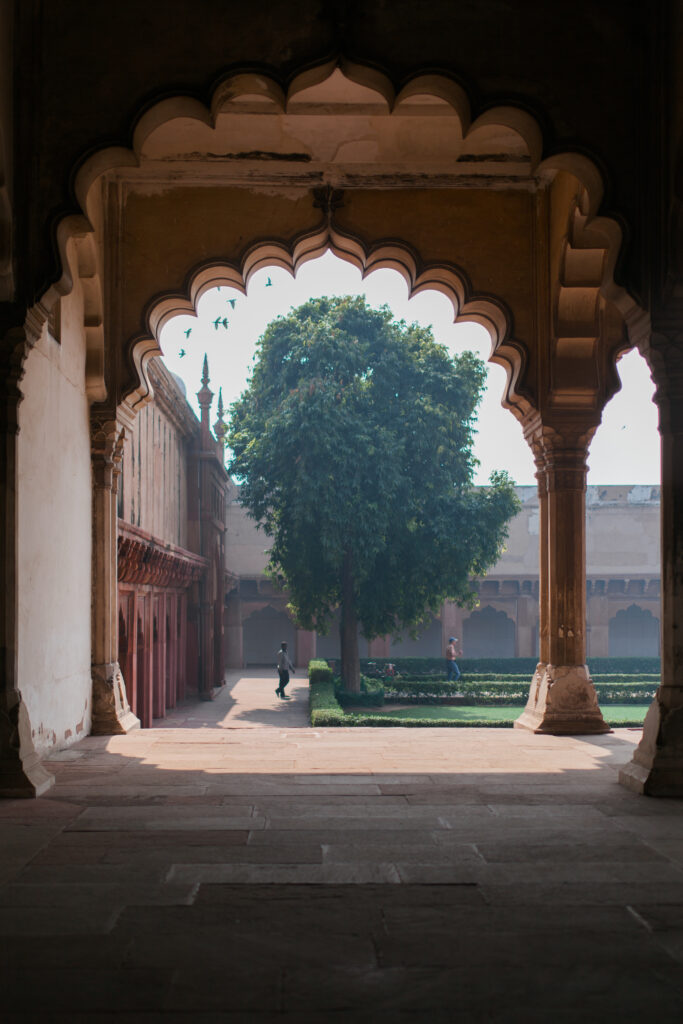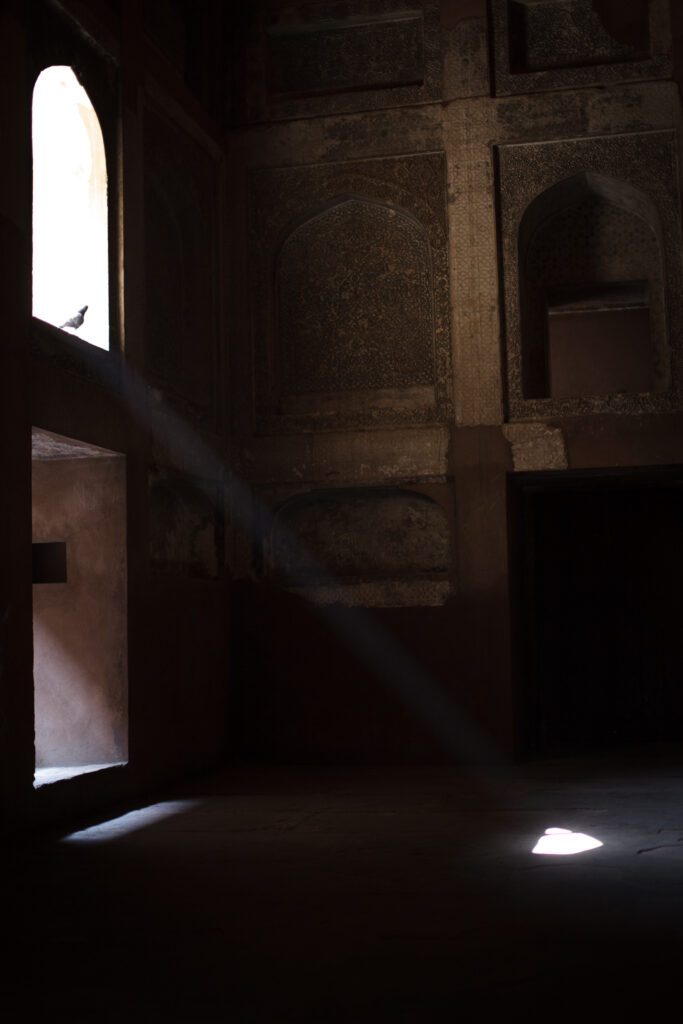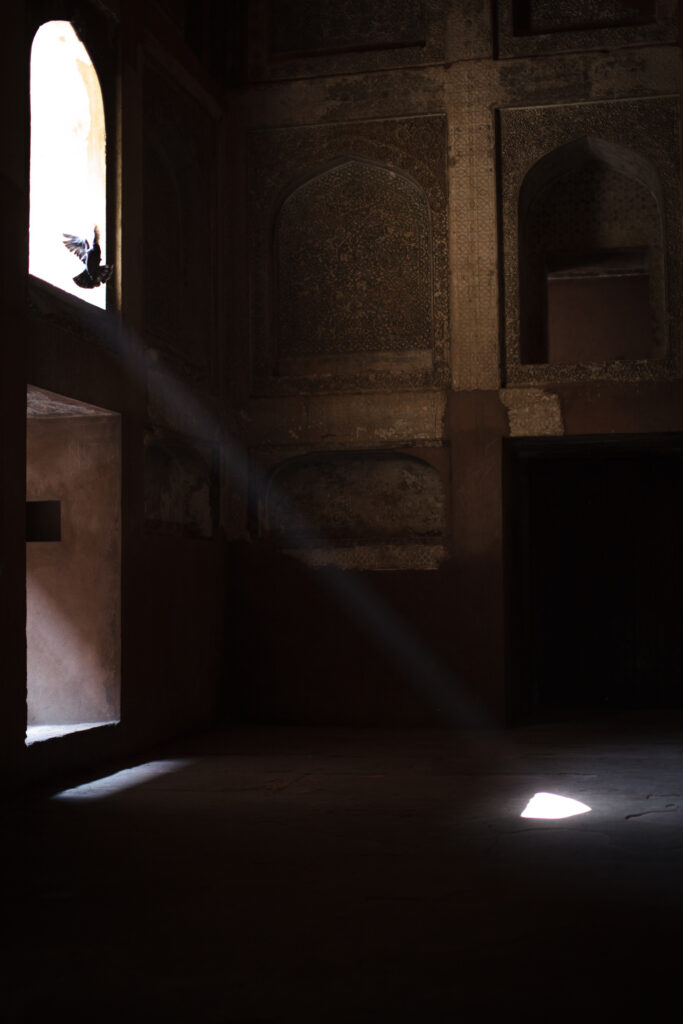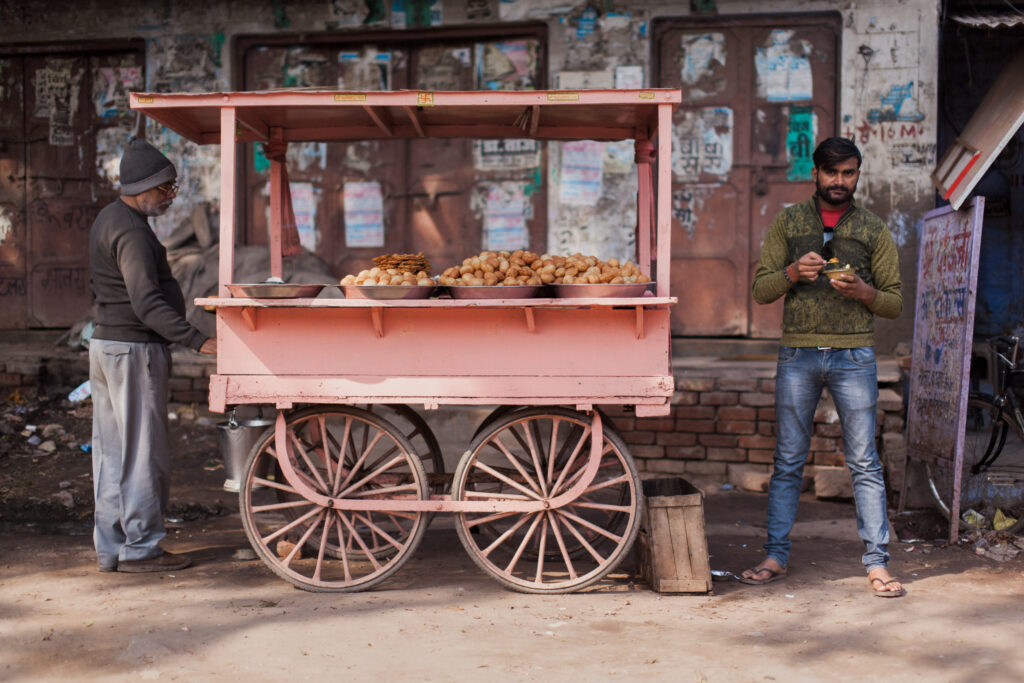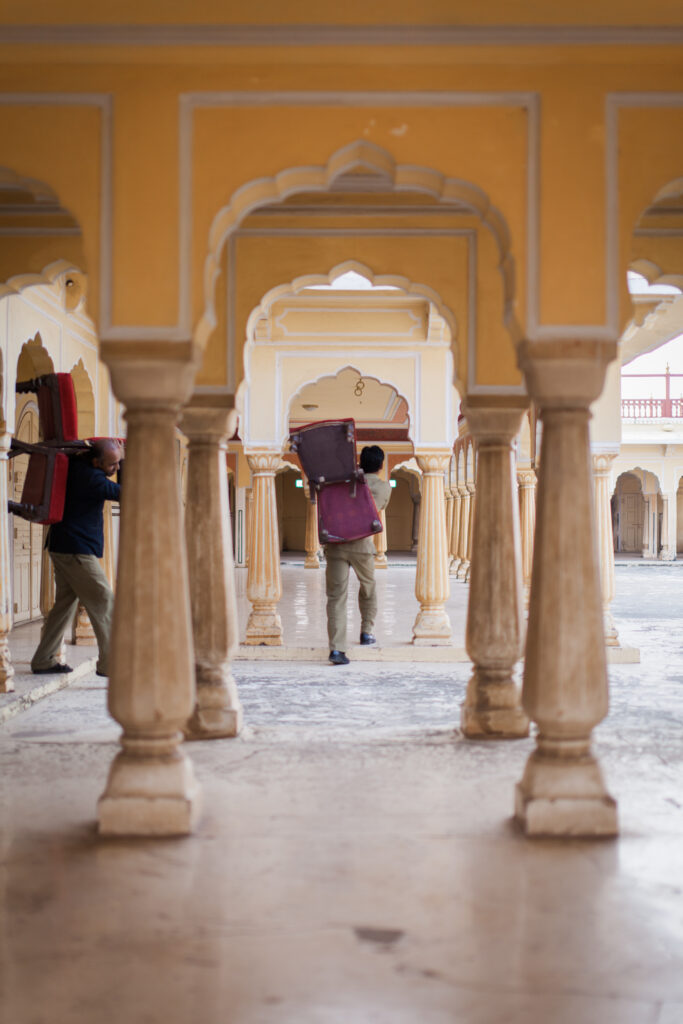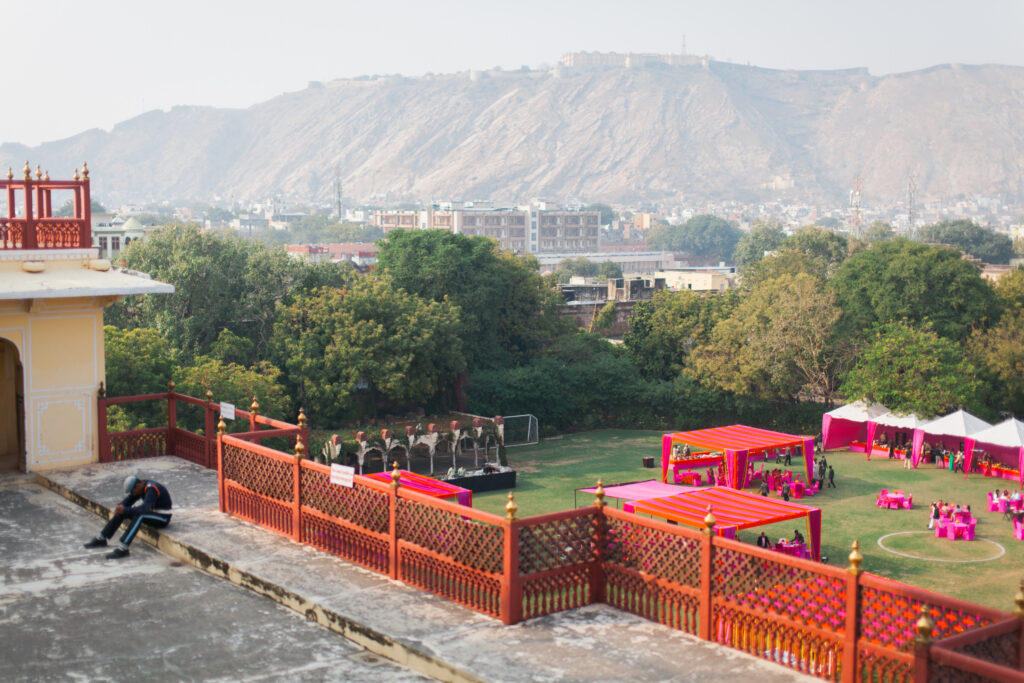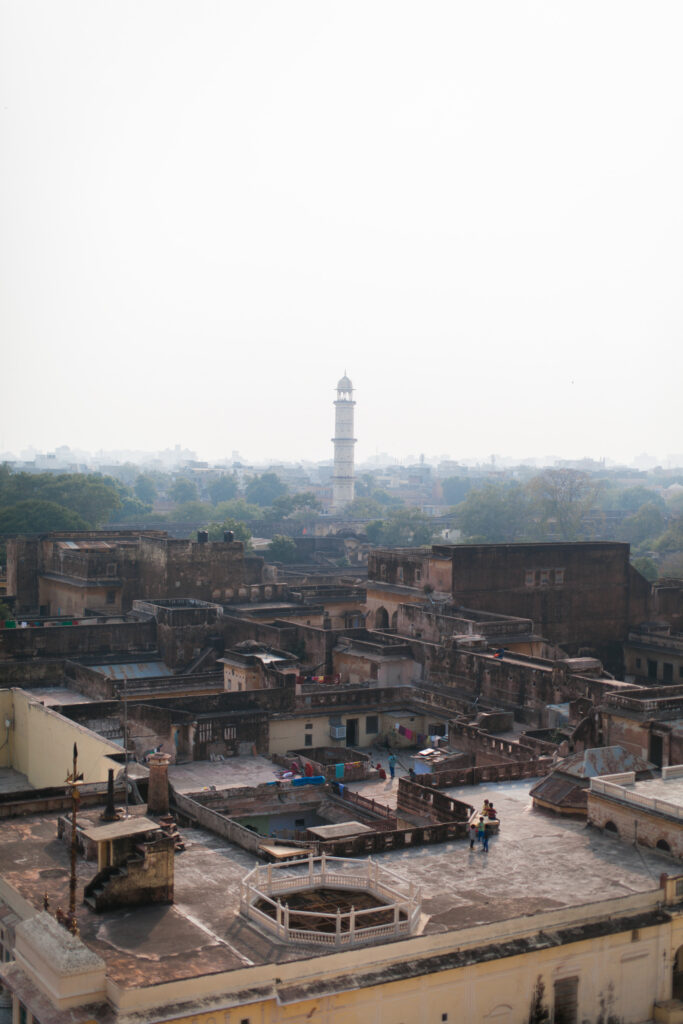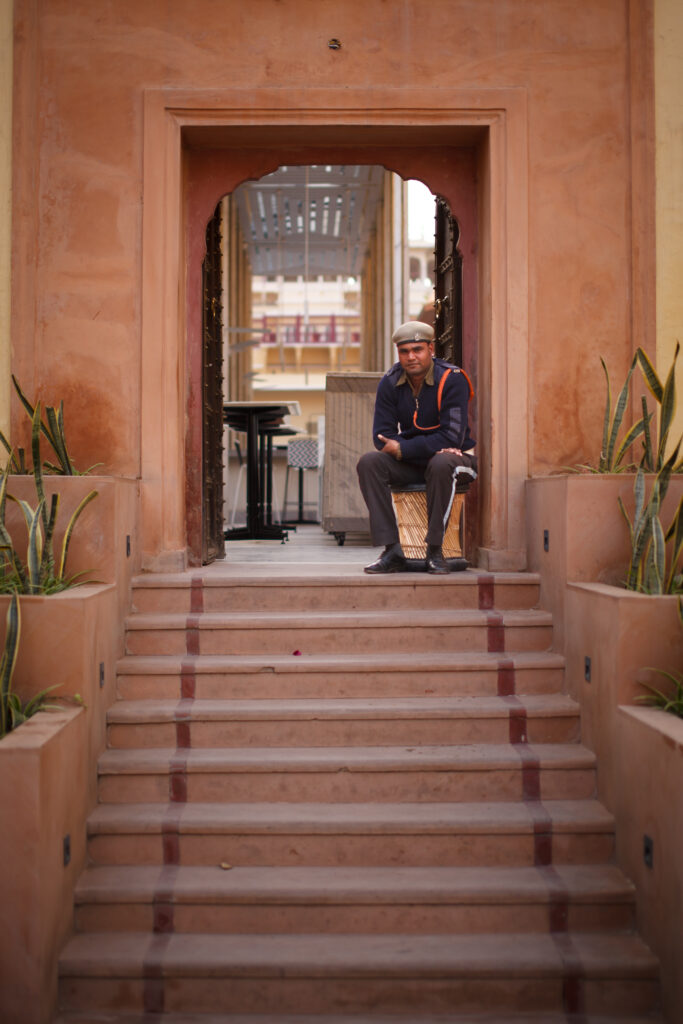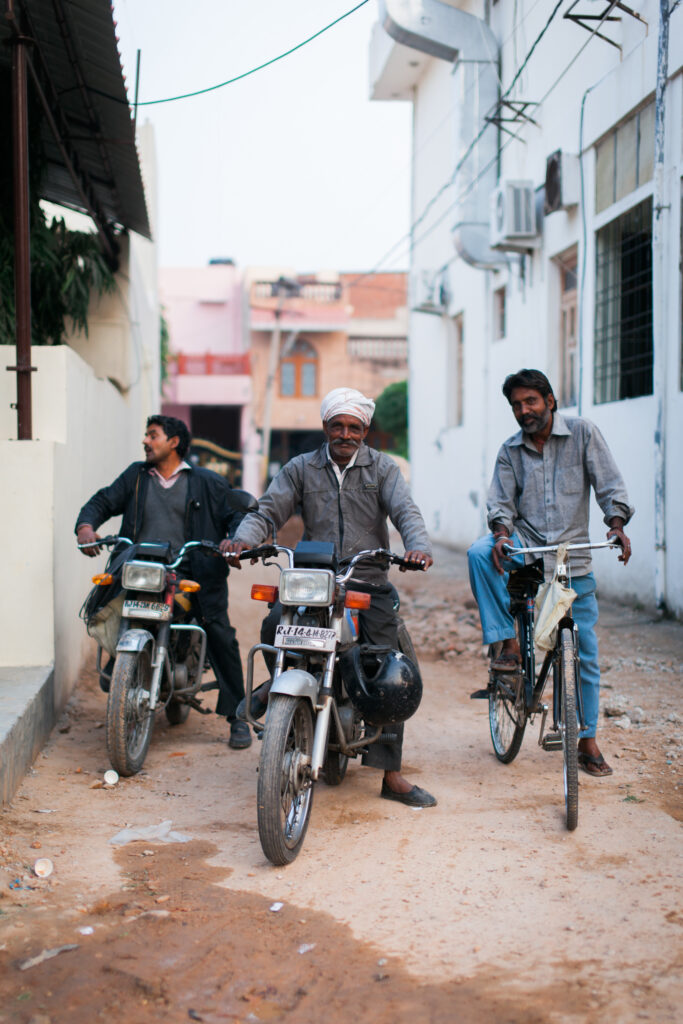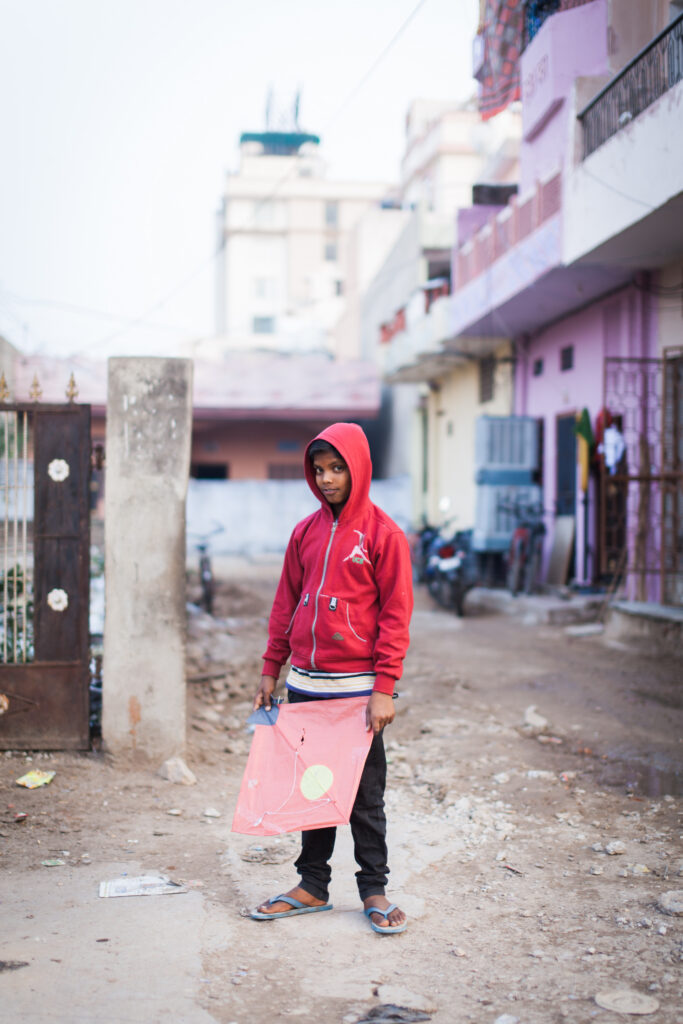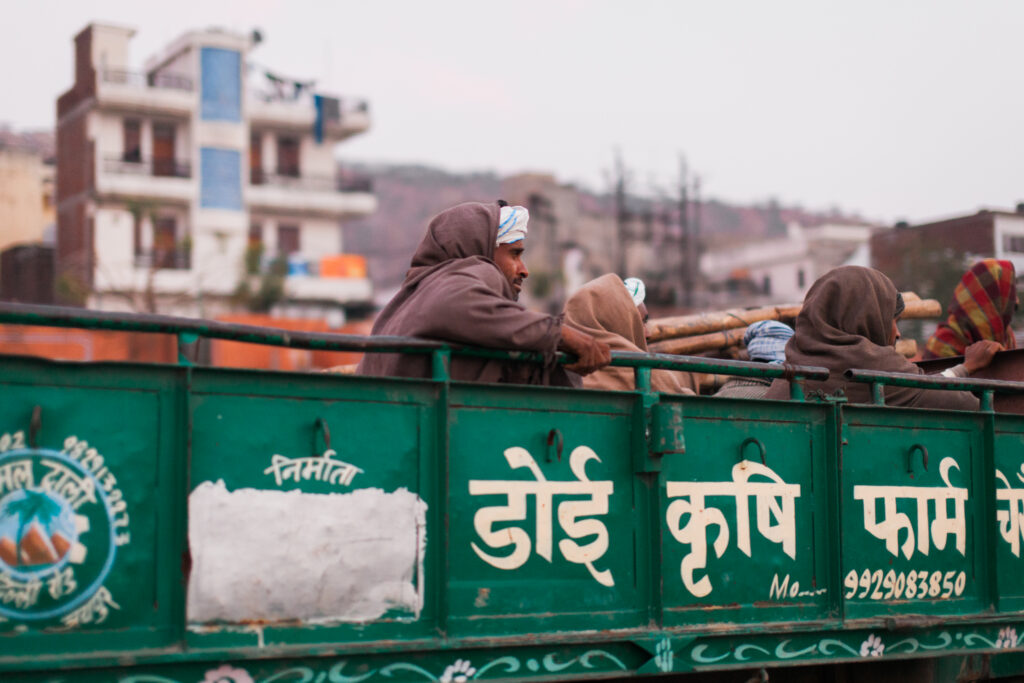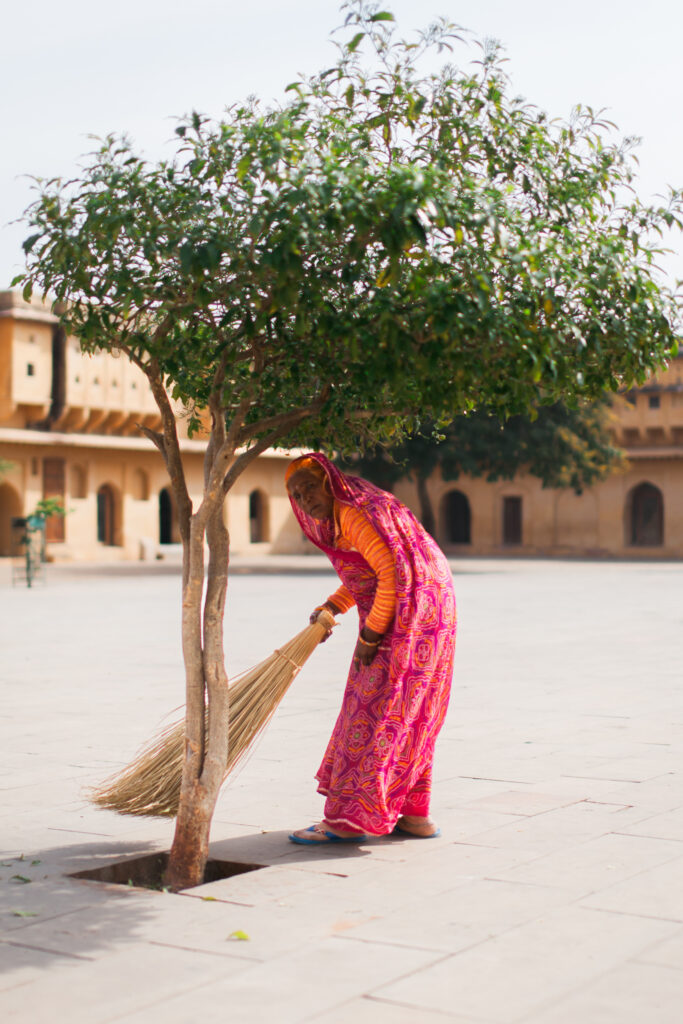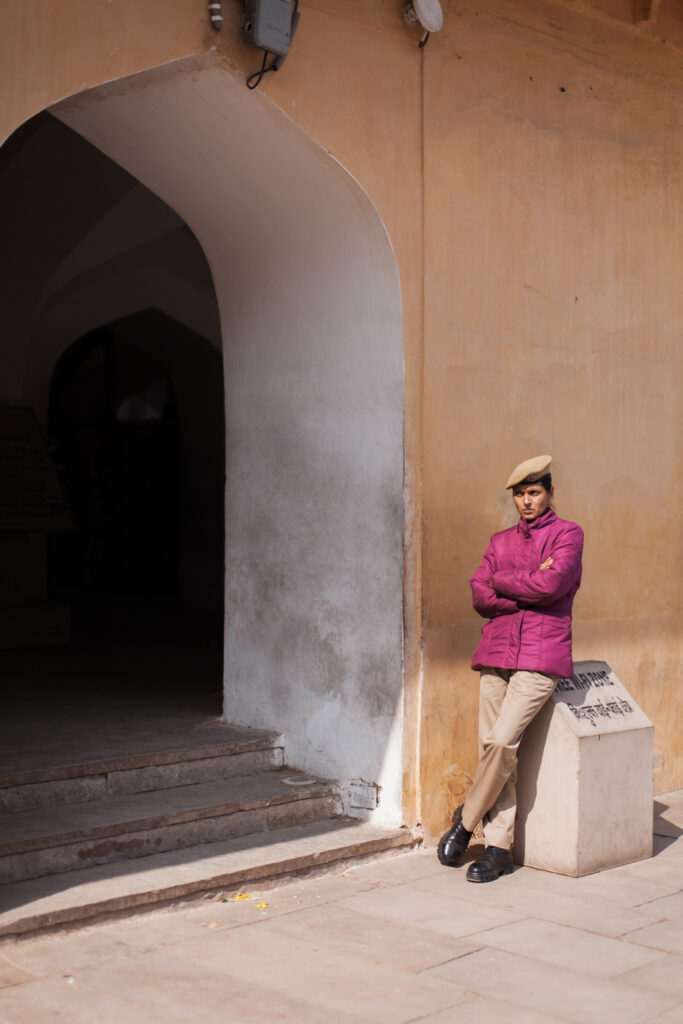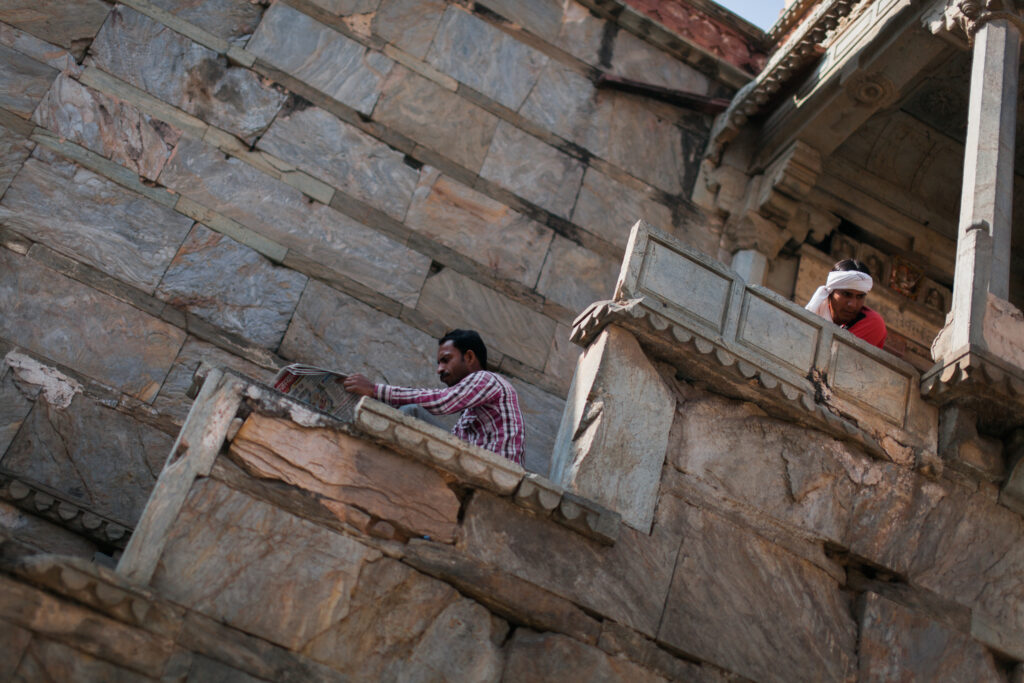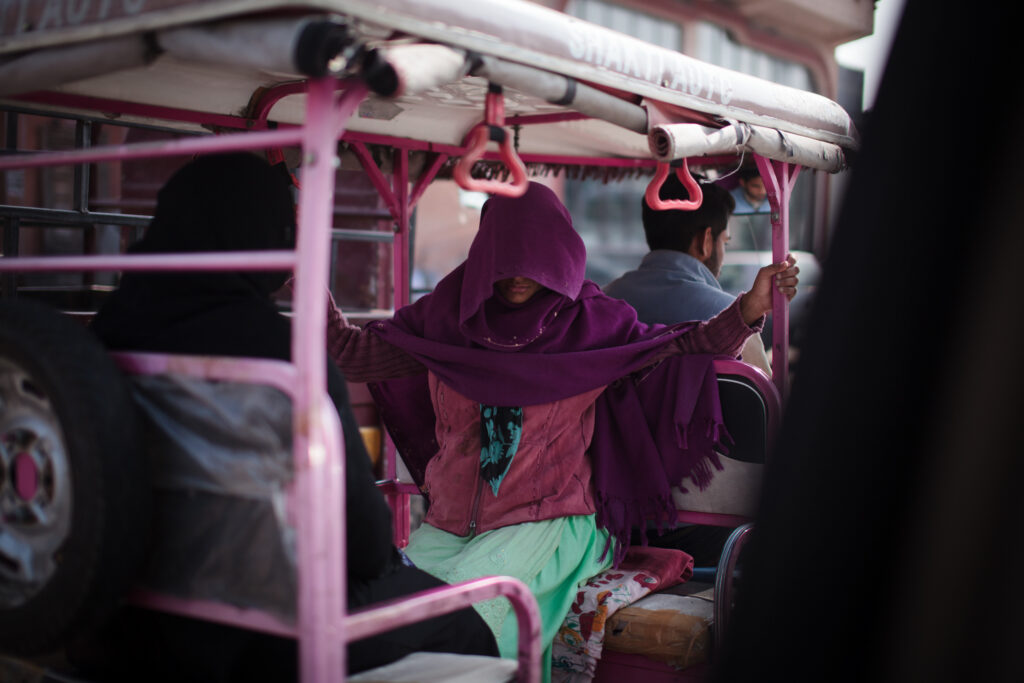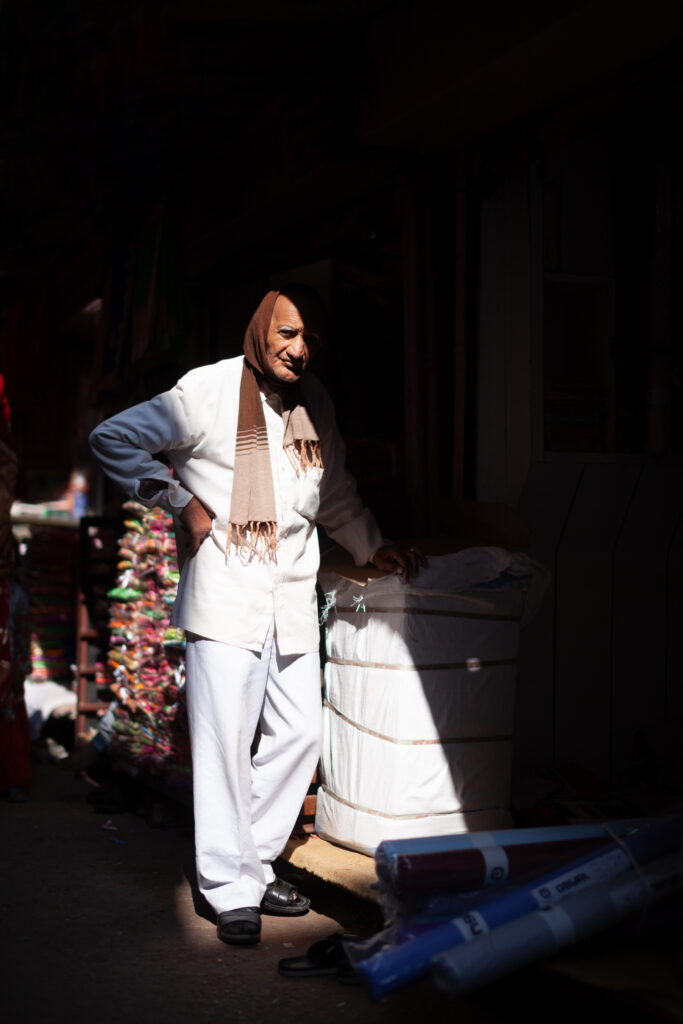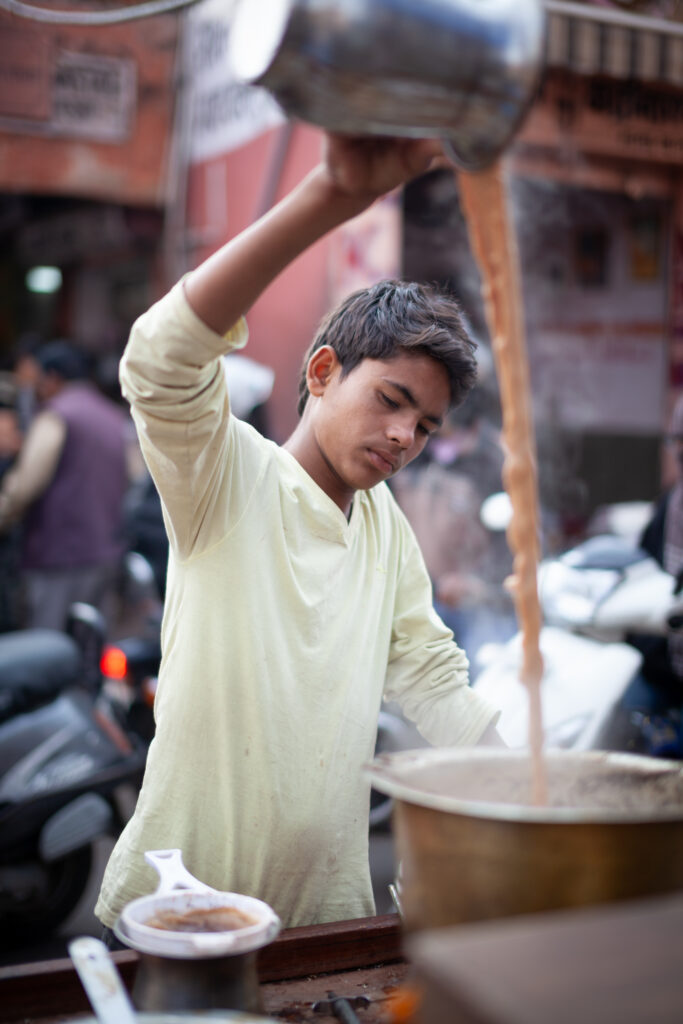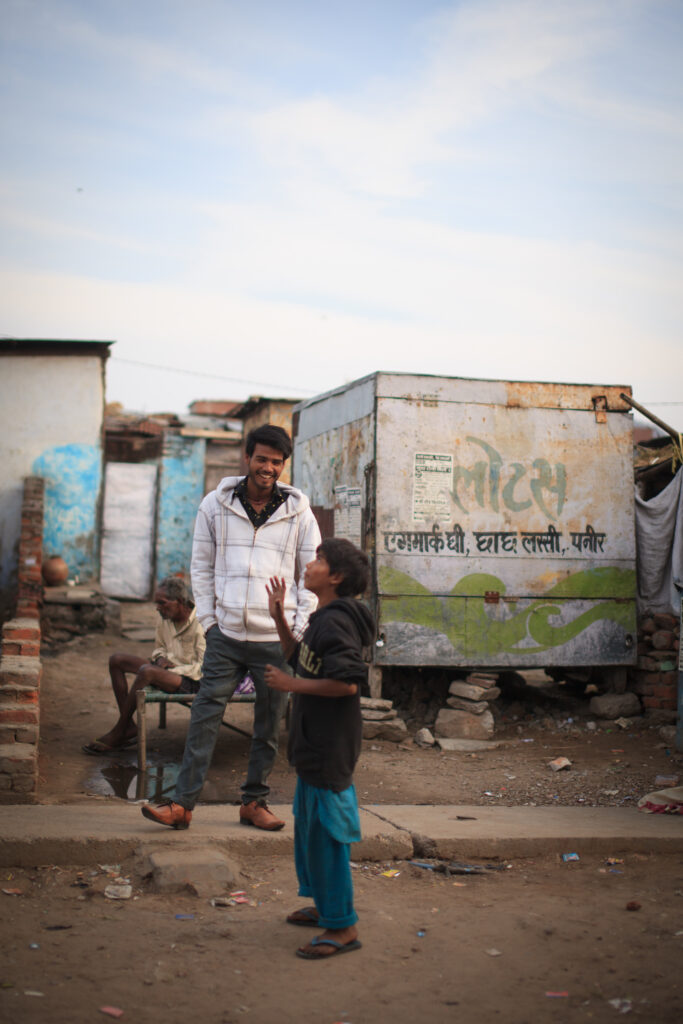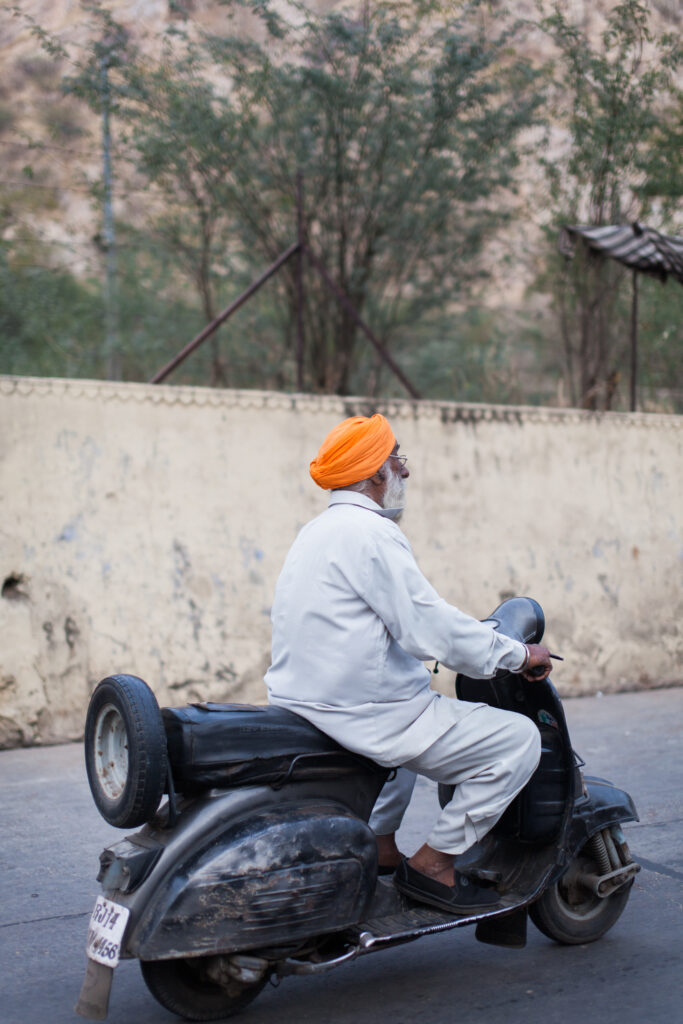
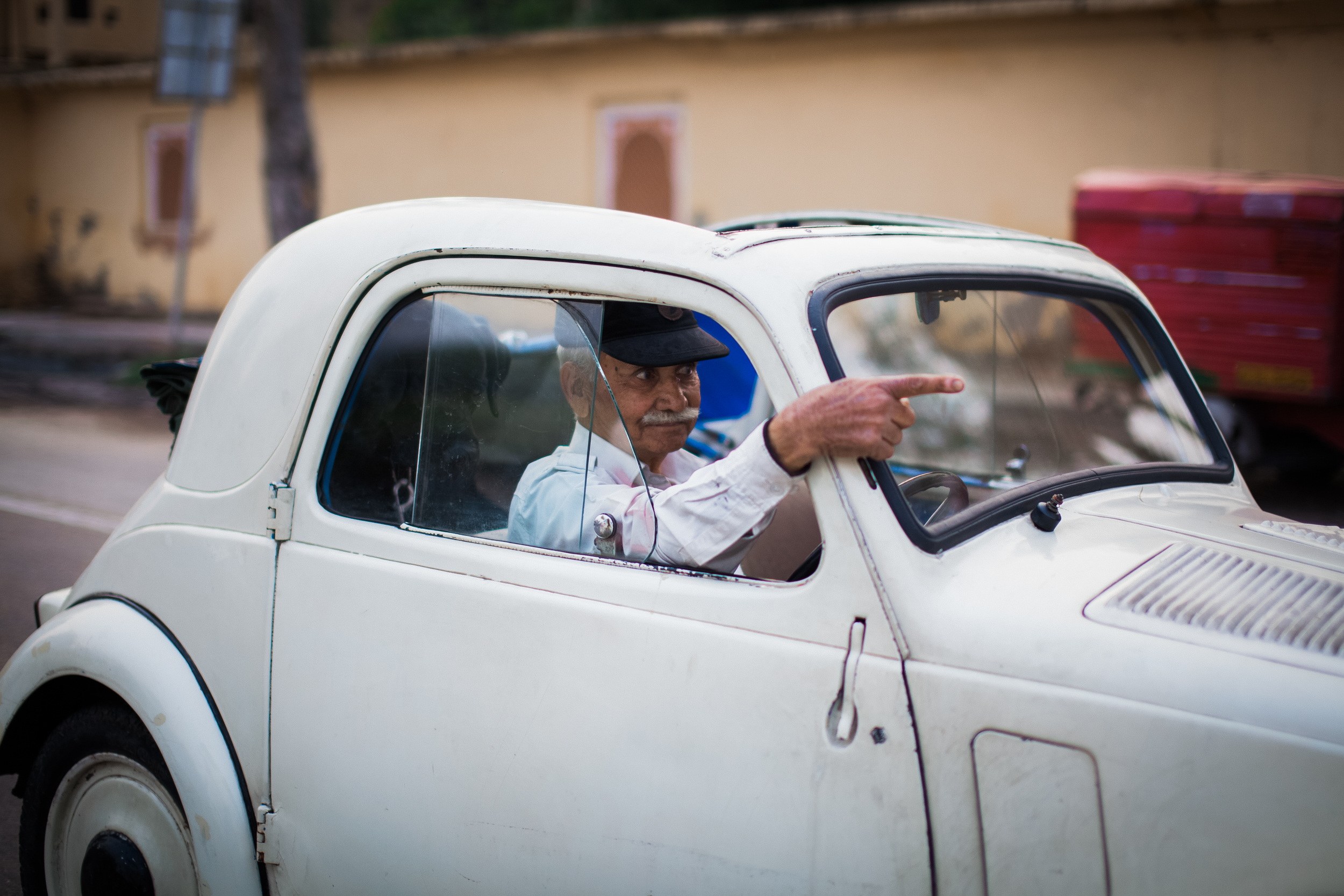
A photographic study of northern India’s most historic route. By documenting the red sandstone ruins of Delhi, the symmetry of the Taj Mahal, and the pink-hued stone of Jaipur, I captured the transition from Mughal artistry to Rajput grandeur.
Locations: Delhi, Agra, and Jaipur
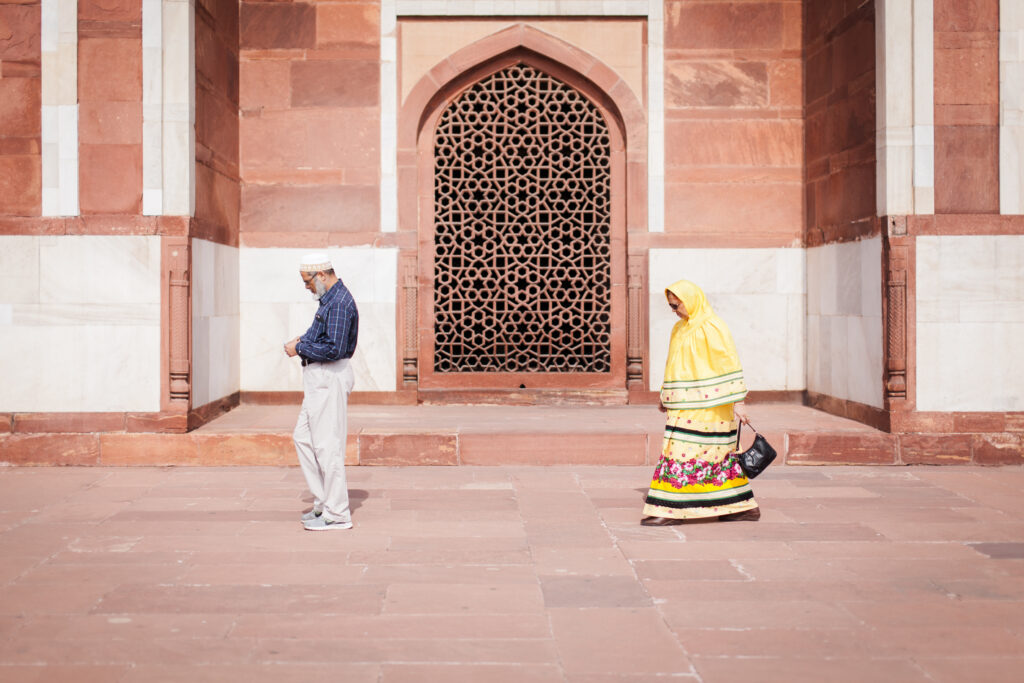
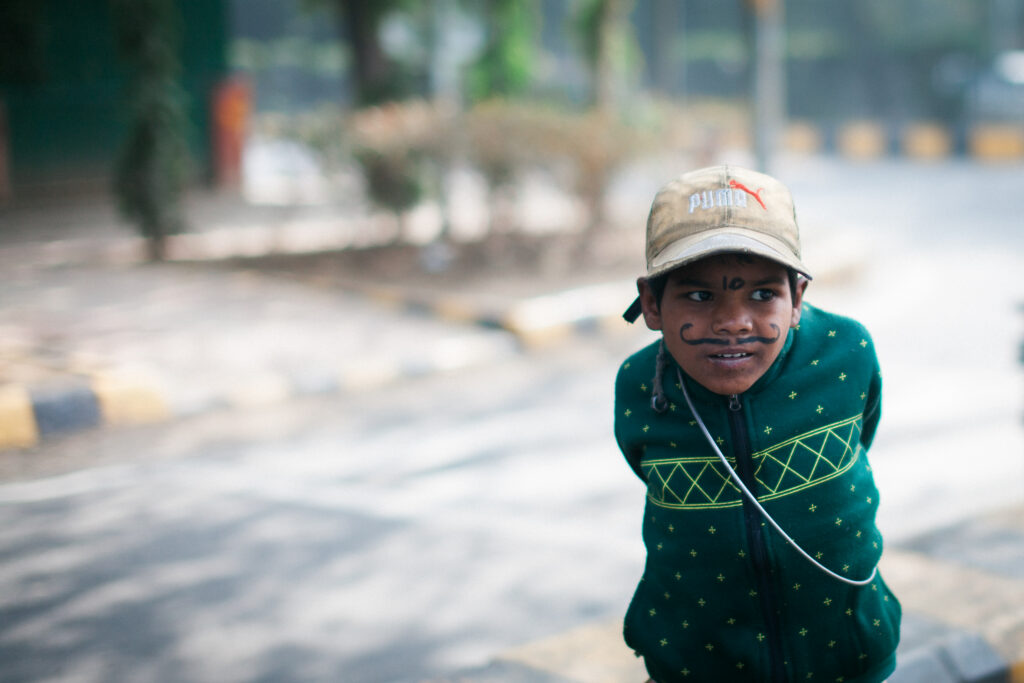
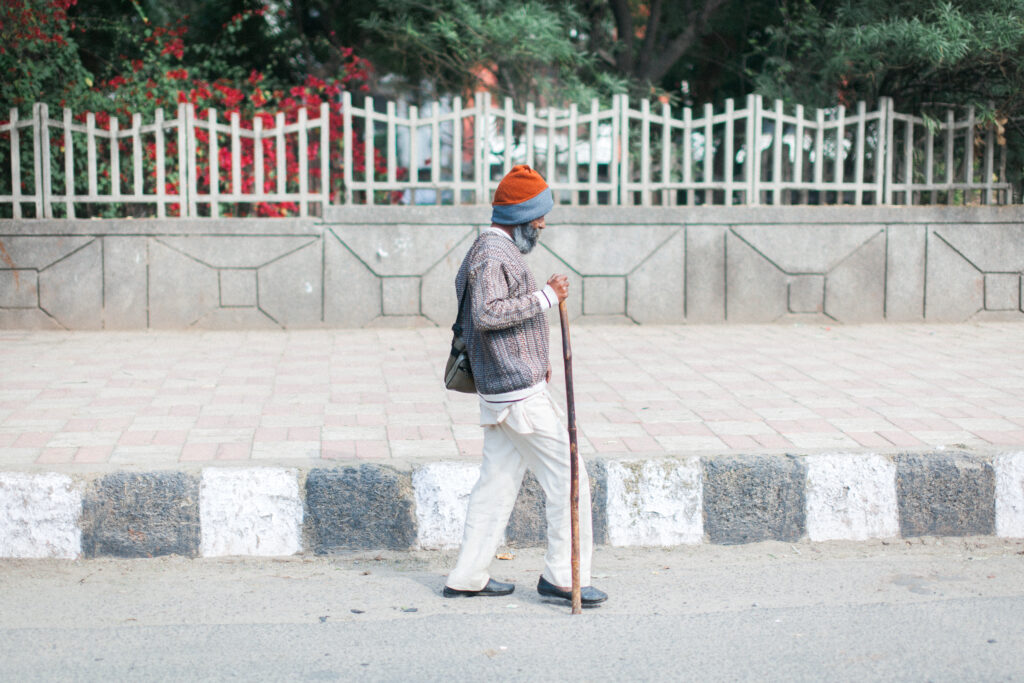
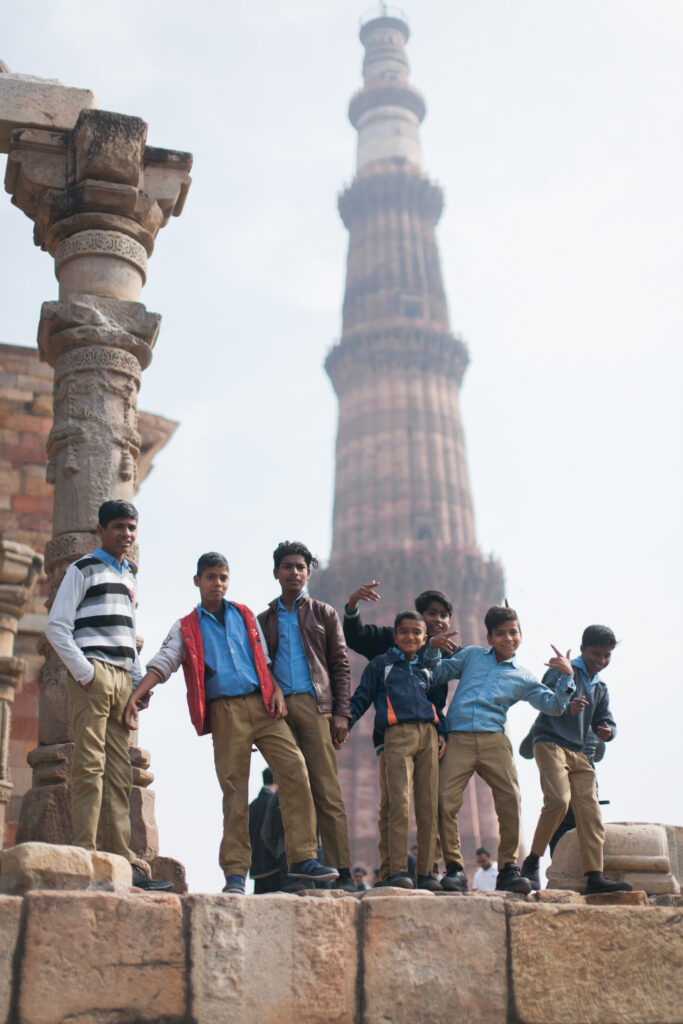
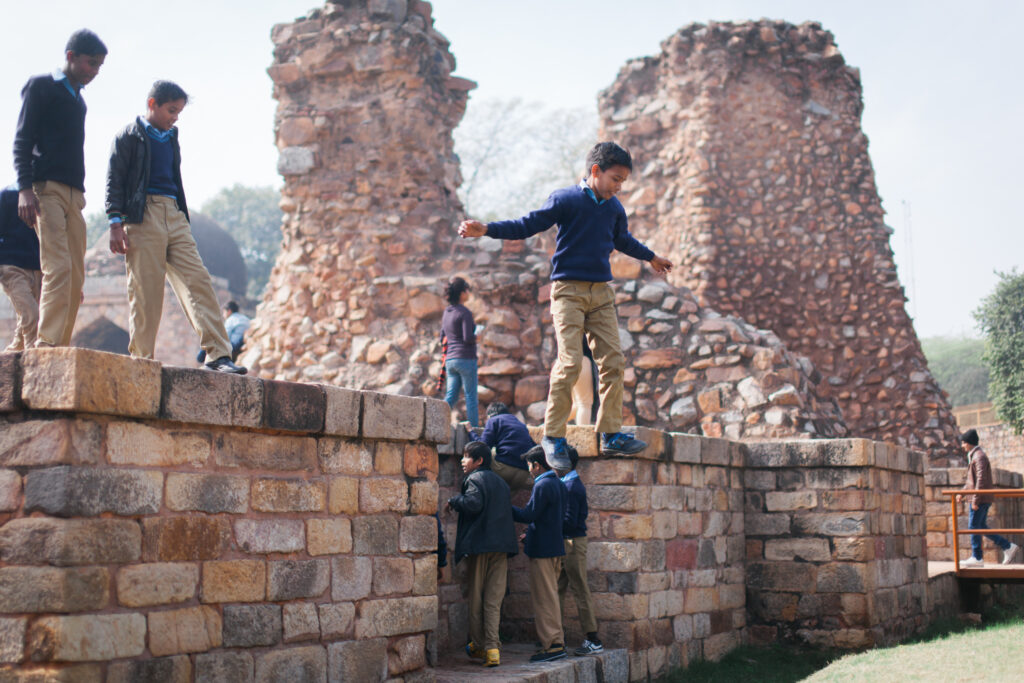
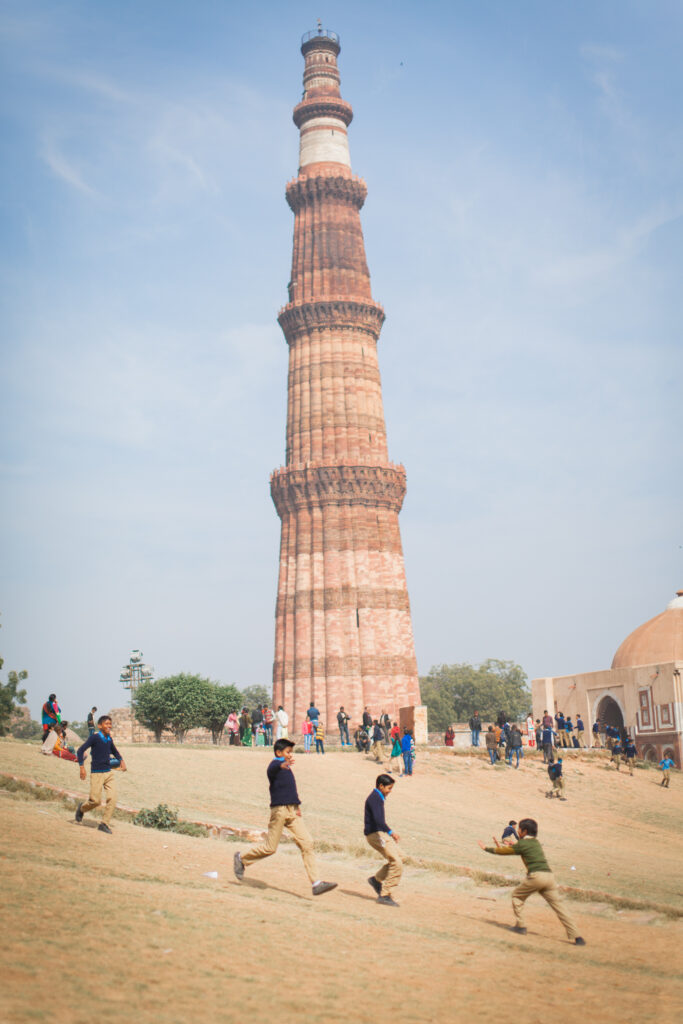
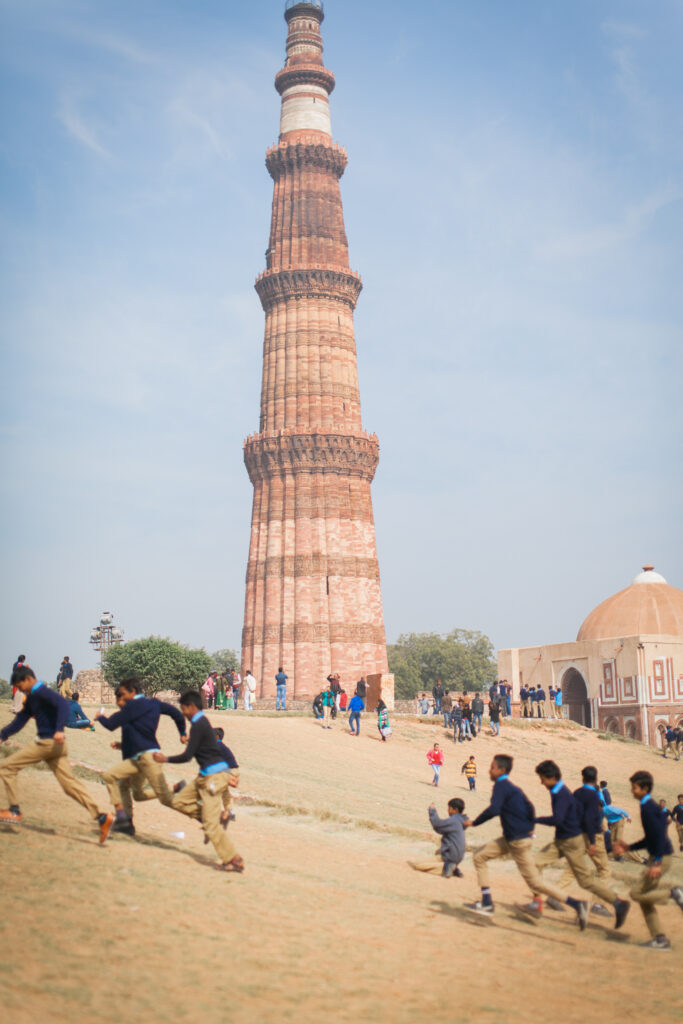
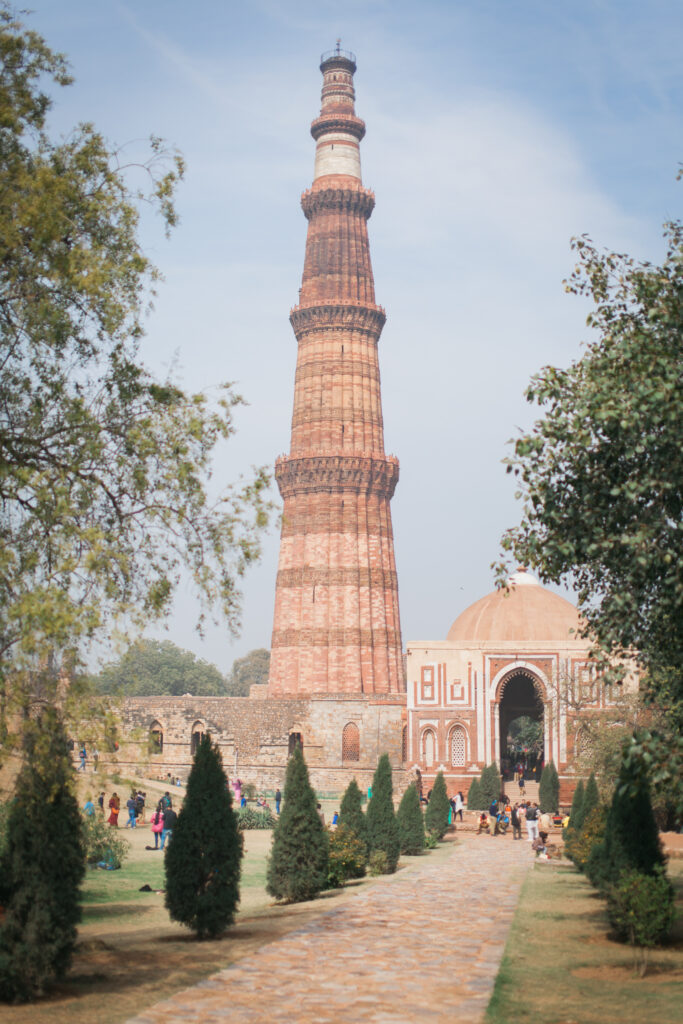
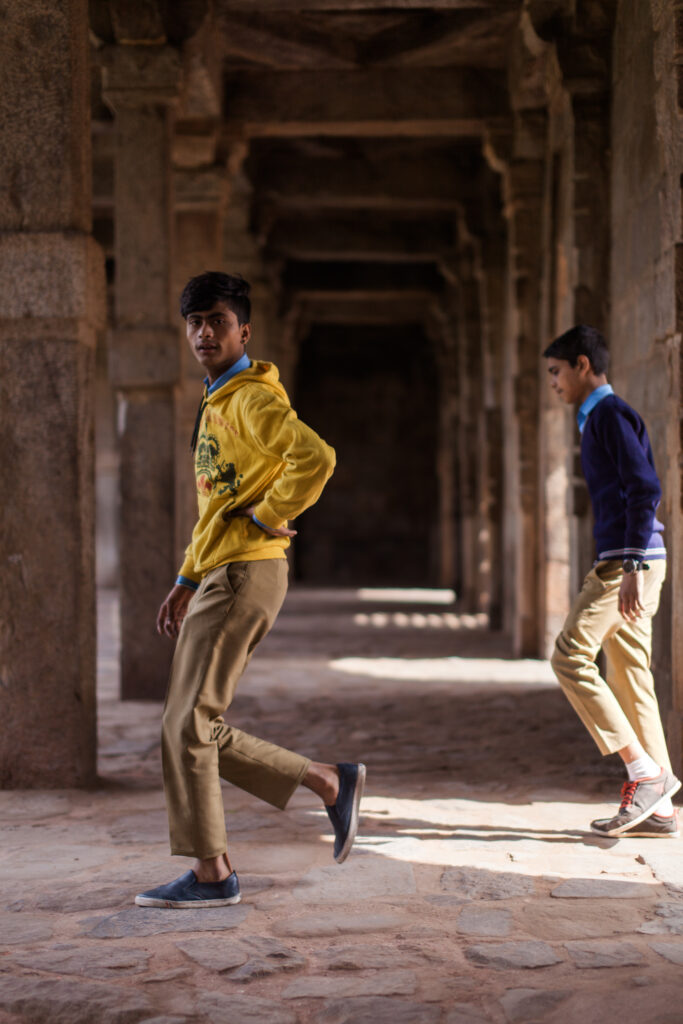
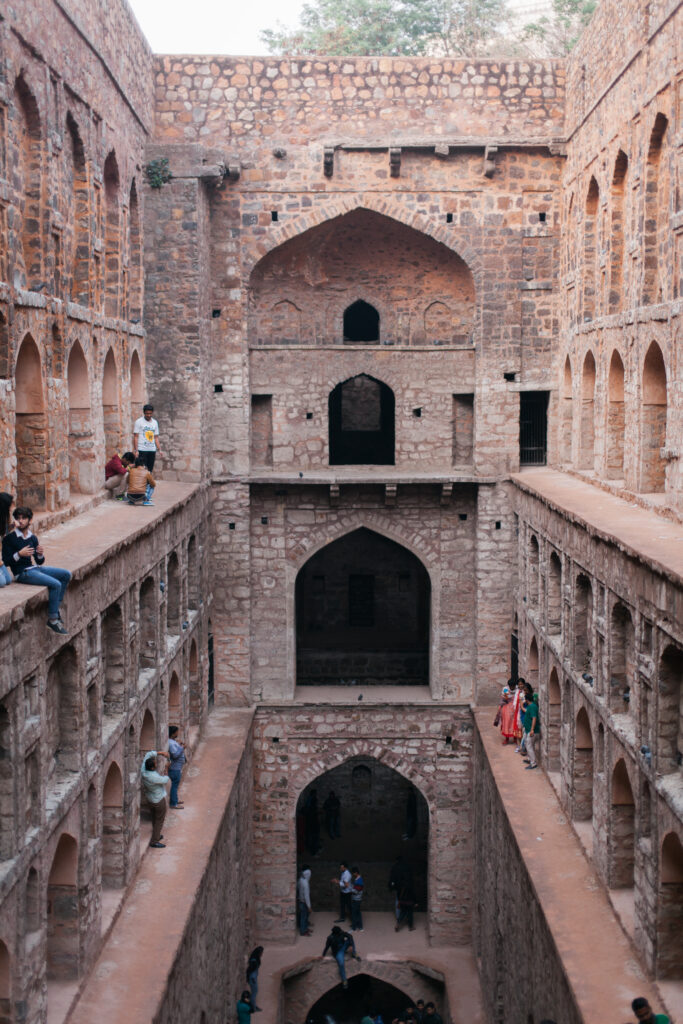
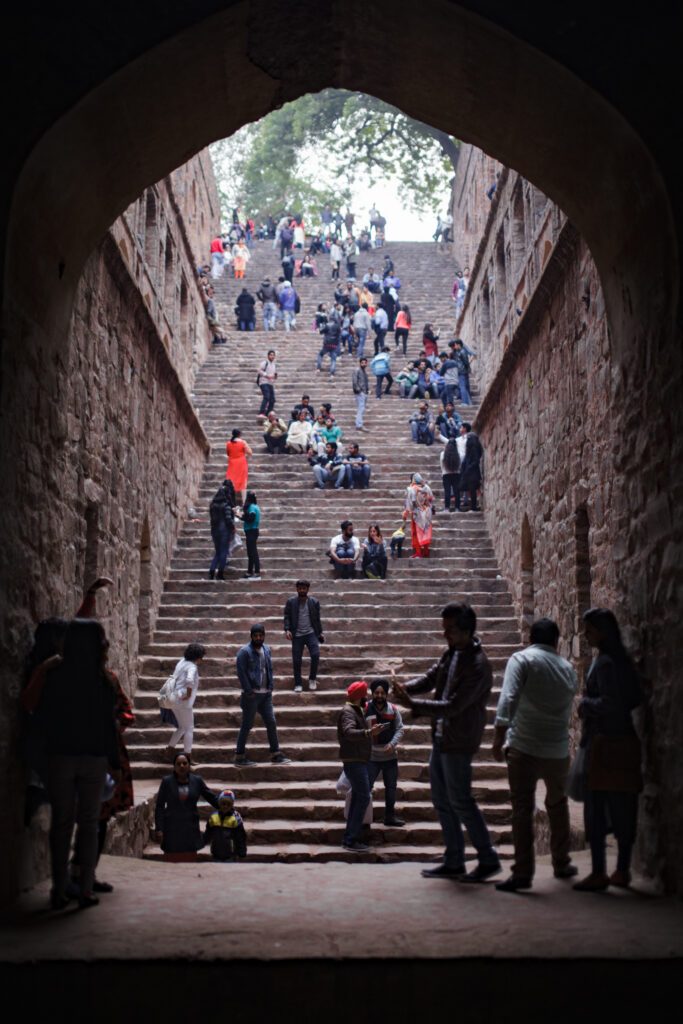
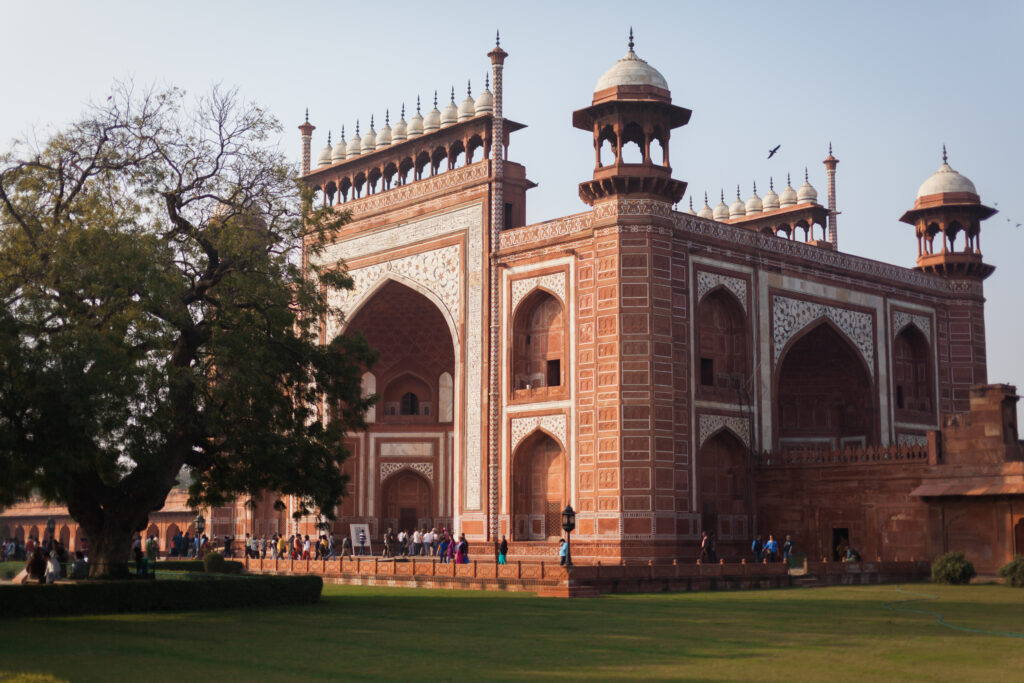
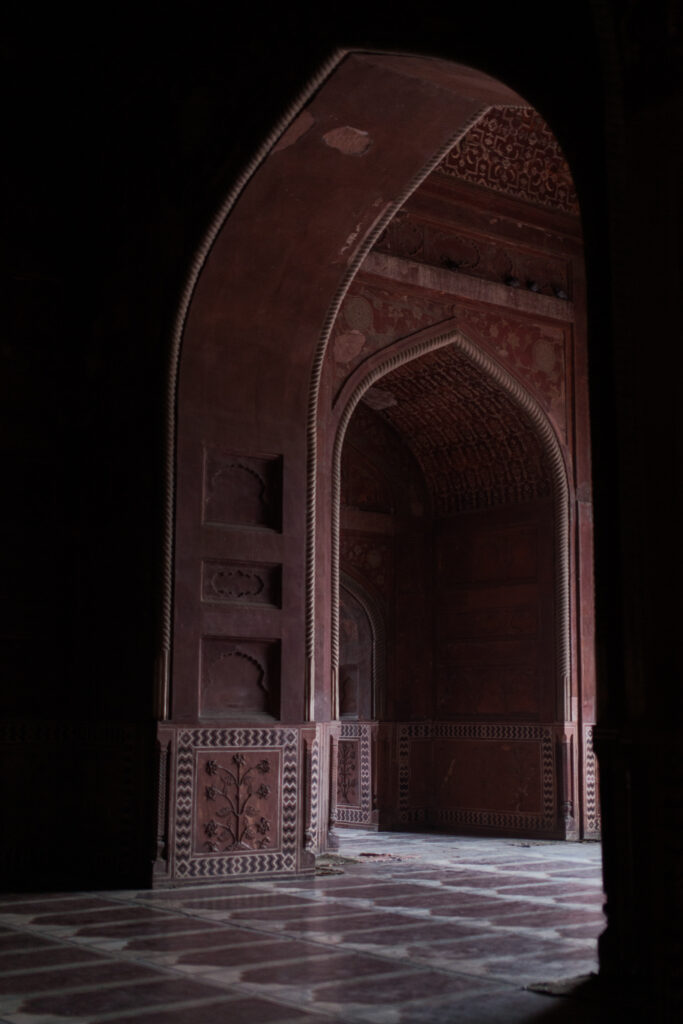
Delhi is a city built on top of itself, where ancient ruins sit right next to busy modern avenues. I spent my time exploring the early Mughal architecture, focusing on the massive red sandstone walls of Humayun’s Tomb and the towering Qutub Minar. The challenge here was capturing the quiet of these monuments amidst the relentless, chaotic energy of daily life just outside their gates.
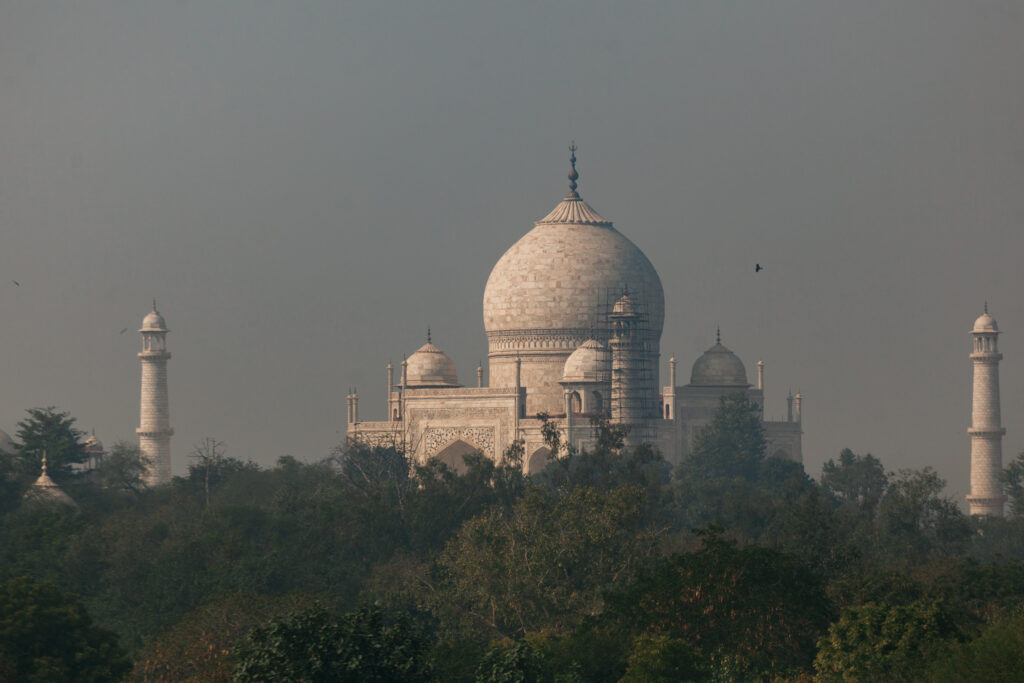
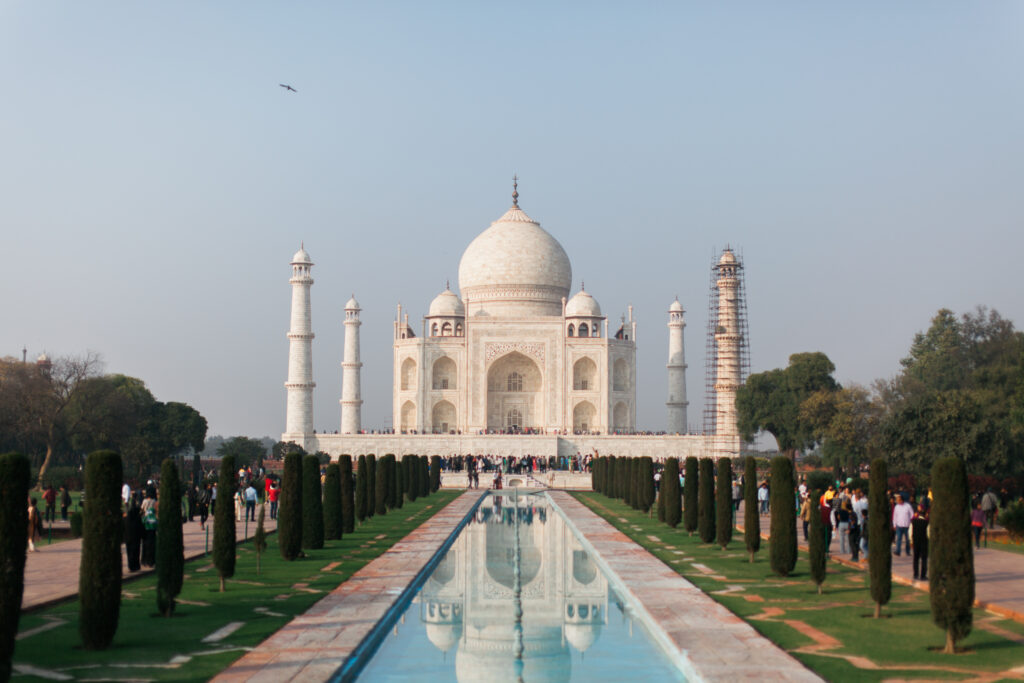
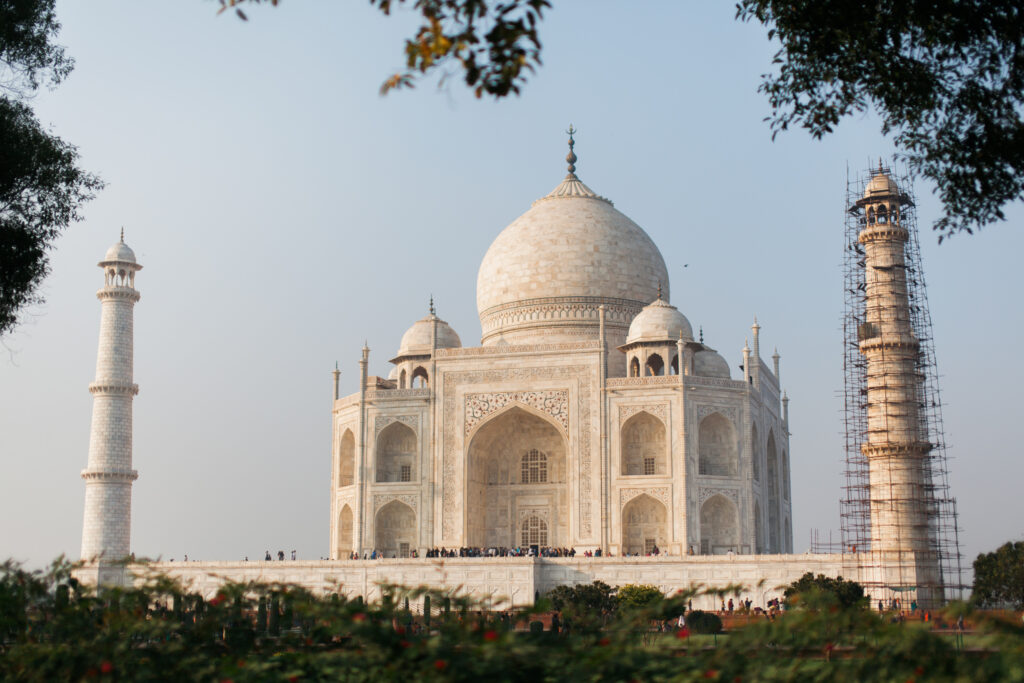
In Agra, the focus shifts from rough red sandstone to smooth, luminous white marble. The Taj Mahal is a masterpiece of mathematical precision. I focused on the lighting: the way it softened the massive dome and the reflection of the monument in the water. It is a study of how stone can be made to look completely weightless.
Jaipur brings a completely different energy: a rhythmic city constructed from warm, rose-coloured stone. I documented the city at a time when the pink sandstone seemed to glow from within, highlighting the bold, dramatic angles of Rajput architecture.
This collection is an exploration of how different cultures and styles influenced one another over centuries. By tracing this historic route, the photographs show how the heavy, defensive forts of Delhi gradually gave way to the delicate, poetic marble of Agra, and finally to the bright, theatrical palaces of Rajasthan.